
For many, the bi-weekly or monthly arrival of a paycheck is a moment of anticipation, often followed by a slight pang of confusion. While the gross salary might be a known figure, the actual amount that lands in your bank account—your net pay—can seem like a mysterious, ever-shrinking sum. Understanding “how much is my check” goes far beyond simply glancing at the final number; it’s about dissecting your earnings, comprehending the various deductions, and ultimately, gaining control over your financial health. This deep dive into the anatomy of your paycheck will equip you with the knowledge to not only understand your current earnings but also to strategize for future financial optimization.
The Core Components of Your Gross and Net Pay
Every paycheck tells a story, starting with what you earn and ending with what you get to keep. Decoding this narrative is the first step towards sound personal finance management.
Gross Pay: The Starting Point
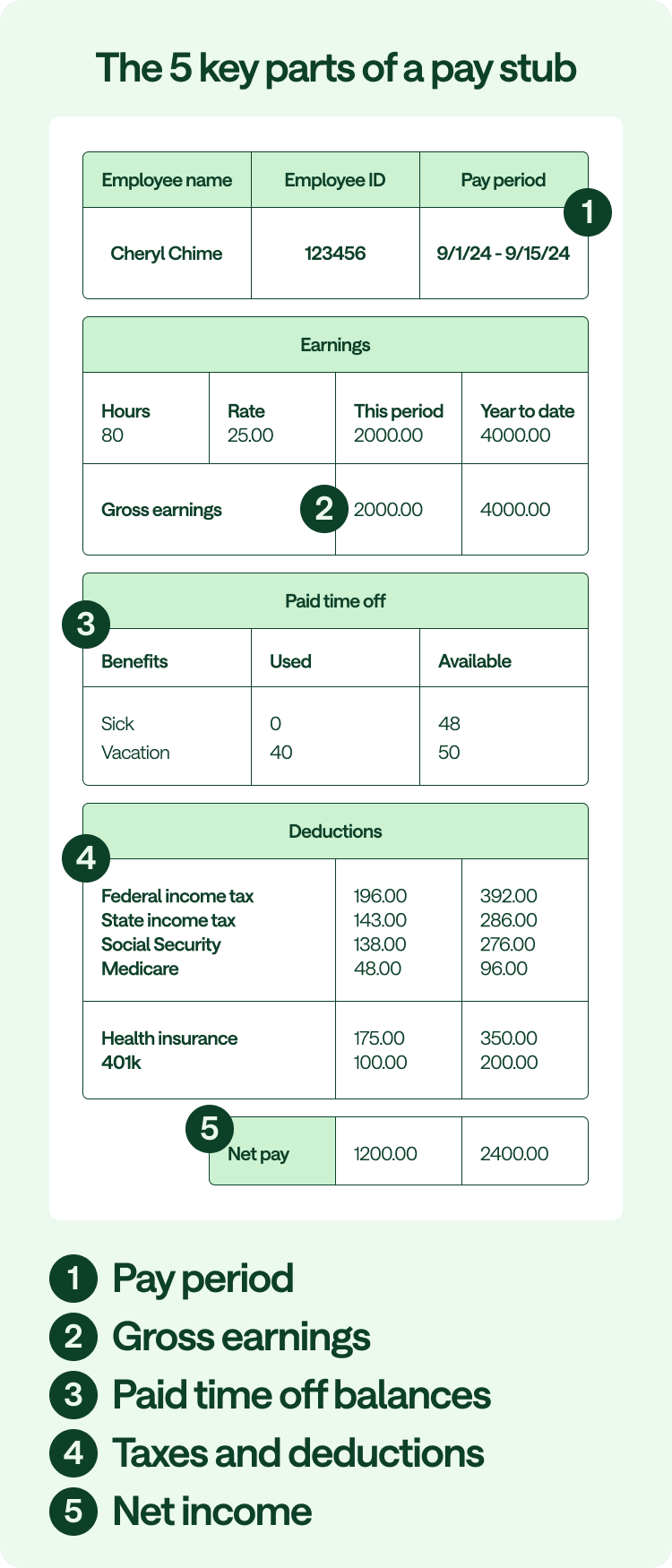
Your gross pay represents the total amount of money you earn before any deductions are taken out. This is the figure typically discussed during salary negotiations and the one often quoted when people refer to their annual income. For hourly employees, it’s calculated by multiplying your hourly wage by the total number of hours worked, including any overtime. Salaried employees typically receive a fixed amount per pay period. Beyond base salary or wages, gross pay can also include additional income such as commissions, bonuses, tips, or specific allowances (e.g., car allowance, housing allowance). This figure is crucial because it forms the basis for all subsequent calculations and deductions. Without understanding your gross pay, it’s impossible to accurately assess the impact of various withholdings.
Understanding Deductions: Why Your Net is Less
The journey from gross to net pay involves a series of deductions, some mandatory and others elective. These deductions reduce your gross income, sometimes impacting your taxable income, and ultimately determine your take-home amount.
Mandatory Deductions: These are non-negotiable and legally required withholdings by federal, state, and sometimes local governments.
- Federal Income Tax: This is levied by the U.S. government to fund federal programs. The amount withheld depends on your income level, filing status, and the information you provide on your W-4 form.
- State Income Tax: Many states also impose an income tax, though some do not. Similar to federal tax, the amount varies based on state laws, income, and your state-specific withholding form.
- Local Income Tax: In some cities, counties, or localities, additional income taxes may be withheld.
- Social Security Tax (FICA – OASDI): This is part of the Federal Insurance Contributions Act (FICA) and funds benefits for retirees, disabled workers, and survivors. It’s a flat percentage (currently 6.2%) of your gross pay, up to an annual income cap.
- Medicare Tax (FICA – HI): The other part of FICA, this tax funds health insurance for individuals 65 and older and certain younger people with disabilities. It’s a flat percentage (currently 1.45%) of all your gross earnings, with no income cap. An additional Medicare tax of 0.9% applies to high-income earners above a certain threshold.
Voluntary Deductions: These are amounts you choose to have withheld, often related to employee benefits or personal savings.
- Health Insurance Premiums: Your share of the cost for medical, dental, or vision insurance plans offered through your employer.
- Retirement Contributions: Deductions for 401(k), 403(b), or other employer-sponsored retirement plans. These are often pre-tax contributions, meaning they reduce your taxable income.
- Life and Disability Insurance: Premiums for supplemental insurance policies.
- Health Savings Accounts (HSAs) or Flexible Spending Accounts (FSAs): Contributions to these tax-advantaged accounts for healthcare expenses.
- Union Dues: If you are part of a union, your membership dues may be deducted directly.
- Garnishments: In some cases, court-ordered payments (e.g., child support, student loan defaults, tax levies) may be deducted.
Net Pay: Your Actual Take-Home Amount
After all mandatory and voluntary deductions have been subtracted from your gross pay, the remaining amount is your net pay, often referred to as your “take-home pay.” This is the figure that ultimately gets deposited into your bank account or paid out via check. Your net pay is the most critical number for budgeting and managing your day-to-day expenses, as it represents the actual funds you have available to spend, save, and invest. Understanding the difference between your gross and net pay is fundamental to effective personal finance, preventing overspending based on an inflated perception of your income.
Key Factors Influencing Your Paycheck’s Size
The amount of money you take home isn’t static; it’s a dynamic figure influenced by a variety of choices you make and circumstances you encounter. Understanding these levers is vital for predicting and, to some extent, controlling your net pay.
Tax Withholding Elections (W-4 Form)
The IRS Form W-4, “Employee’s Withholding Certificate,” is arguably one of the most impactful documents affecting your net pay. On this form, you instruct your employer on how much federal income tax to withhold from each paycheck. Your elections regarding dependents, additional income, and itemized deductions directly influence the amount of tax withheld. If you claim too many allowances or dependents, too little tax might be withheld, leading to a large tax bill at year-end. Conversely, if you claim too few, too much tax might be withheld, resulting in a larger refund but less money in your pocket throughout the year. Regularly reviewing and adjusting your W-4, especially after significant life events like marriage, birth of a child, or a change in income, is crucial for accurate withholding. Many states have a similar form for state income tax withholding.
Pre-Tax vs. Post-Tax Deductions
The tax implications of your deductions significantly influence your taxable income and, consequently, your net pay.
- Pre-Tax Deductions: Contributions to certain accounts, like a traditional 401(k), traditional IRA, Health Savings Account (HSA), or Flexible Spending Account (FSA), are often made with pre-tax dollars. This means the money is deducted from your gross pay before income taxes are calculated, effectively lowering your taxable income. This results in less income tax being withheld, thereby increasing your net pay (or at least reducing the tax drag on your gross pay) in the short term, while simultaneously building your retirement or savings funds.
- Post-Tax Deductions: Other deductions, such as Roth 401(k) or Roth IRA contributions, after-tax employee contributions to a 401(k), or certain insurance premiums, are made with post-tax dollars. These deductions do not reduce your current taxable income, so your income tax withholding remains the same as if you hadn’t made these contributions. While they don’t offer immediate tax savings, Roth accounts grow tax-free and qualified distributions are tax-free in retirement, offering a different type of tax advantage. Understanding this distinction is key to optimizing your tax strategy and take-home pay.
State and Local Tax Variations
The geographical location of your employment has a significant bearing on your net pay. States vary widely in their approach to income tax:
- No State Income Tax: States like Florida, Texas, Washington, Nevada, and others do not levy a state income tax, meaning your gross pay is only subject to federal and FICA taxes, as well as any applicable local taxes or voluntary deductions. This can significantly boost your net pay compared to high-tax states.
- Graduated Income Tax: Most states with an income tax use a progressive system, where higher earners pay a higher percentage.
- Flat Income Tax: A few states have a flat income tax rate that applies to all income levels.
Beyond state taxes, some cities or counties impose their own income taxes, further reducing your net pay. For instance, cities like New York City, Philadelphia, and various municipalities in Ohio have local income taxes. It’s essential to be aware of the specific tax landscape where you work, as it directly impacts your take-home earnings.
Benefits Enrollment Choices
The benefits package offered by your employer, and your choices within it, play a substantial role in shaping your paycheck. For instance, selecting a comprehensive health insurance plan with a high premium will lead to a larger deduction from your paycheck compared to choosing a high-deductible health plan (HDHP) with lower premiums. Similarly, opting for additional benefits like supplemental life insurance, vision, or dental coverage, or contributing to a Dependent Care FSA, will further reduce your net pay. While these deductions lower your take-home amount, they often provide valuable protection and financial advantages. It’s a balance between immediate cash flow and securing essential services and future financial well-being. Carefully evaluating your needs and the cost-effectiveness of employer-sponsored benefits is a crucial aspect of managing your paycheck.
Strategies to Maximize and Manage Your Take-Home Pay
While some deductions are unavoidable, there are strategic approaches you can take to optimize your net pay, increase your financial efficiency, and ensure you’re making the most of your earnings.
Optimizing Your W-4 Form

One of the most direct ways to influence your take-home pay is by carefully adjusting your W-4 form. The goal is to match your tax withholding as closely as possible to your actual annual tax liability. If too much is withheld, you’re essentially giving the government an interest-free loan throughout the year. If too little is withheld, you could face a penalty.
- Use the IRS Tax Withholding Estimator: This free online tool is invaluable. It guides you through a series of questions about your income, deductions, and credits, providing a precise recommendation for your W-4 entries. It’s especially useful if you have multiple jobs, a spouse who also works, or significant income from other sources.
- Adjust for Life Changes: Marriage, divorce, having a child, purchasing a home, or a significant change in income are all triggers to revisit your W-4. Failing to update it can lead to inaccurate withholding.
- Consider Additional Withholding: If you have income not subject to withholding (e.g., freelance income, investment gains) or prefer a smaller tax bill at year-end, you can elect to have an additional dollar amount withheld from each paycheck.
Strategic Contributions to Pre-Tax Accounts
Leveraging pre-tax retirement and savings accounts is a powerful way to reduce your current taxable income and simultaneously save for the future.
- Max Out 401(k)/403(b) or Traditional IRA: Contributions to these accounts are typically tax-deductible in the year they are made (up to IRS limits). By contributing more, you lower your taxable income, which means less federal and state income tax withheld, thereby increasing your net pay (relative to what it would be if you didn’t contribute). This is often referred to as “paying yourself first” and comes with a double benefit: saving for retirement and an immediate tax break.
- Utilize HSAs and FSAs: Health Savings Accounts (HSAs) offer a triple tax advantage: contributions are tax-deductible, investments grow tax-free, and qualified withdrawals are tax-free. If you’re enrolled in a high-deductible health plan, an HSA is an excellent way to save for medical expenses while reducing your taxable income. Flexible Spending Accounts (FSAs) for healthcare or dependent care also allow you to set aside pre-tax money for specific expenses, reducing your taxable income, though they usually have a “use it or lose it” rule.
Understanding and Utilizing Employer Benefits
Beyond just health insurance and retirement plans, many employers offer a suite of benefits that can indirectly or directly impact your financial well-being.
- Employer Match on 401(k): This is essentially “free money” from your employer. If your company offers a 401(k) match (e.g., they match 50% of your contributions up to 6% of your salary), failing to contribute at least enough to get the full match means leaving money on the table. While it’s a pre-tax deduction, the employer’s contribution significantly boosts your retirement savings.
- Wellness Programs, Commuter Benefits, Tuition Reimbursement: These programs can save you money on health, transportation, or education, freeing up more of your net pay for other uses. Some commuter benefits (like pre-tax transit passes) can also reduce your taxable income. Understand what your employer offers and take advantage of benefits that align with your needs.
Negotiating Salary and Raises
The most direct way to increase your take-home pay is to increase your gross pay. Regular salary negotiations and seeking raises are vital components of career and financial growth.
- Research Market Value: Understand what professionals in your role and industry with similar experience and skills are earning. Websites like Glassdoor, LinkedIn, and Salary.com can provide valuable benchmarks.
- Highlight Achievements: When seeking a raise, focus on your contributions, accomplishments, and how you’ve added value to the company. Quantify your impact whenever possible.
- Performance Reviews: Use your annual performance review as an opportunity to discuss compensation. Be prepared to articulate your worth and contributions. A higher gross pay, even with increased deductions, will always translate to a higher net pay.
Leveraging Financial Tools for Paycheck Clarity and Control
In the digital age, a plethora of financial tools can help you gain a clearer understanding of your paycheck and better manage your money. These tools simplify complex calculations and offer insights that empower you to make informed financial decisions.
Budgeting Apps and Software
Budgeting tools are indispensable for tracking your income and expenses, helping you ensure your spending aligns with your net pay.
- Mint, YNAB (You Need A Budget), Personal Capital: These popular apps link directly to your bank accounts, credit cards, and investment accounts, automatically categorizing transactions. They allow you to set budgets for different spending categories and visualize where your money is going. By inputting your net pay as your income, you can effectively manage your cash flow, identify areas for potential savings, and ensure you’re not overspending.
- Spreadsheets: For those who prefer a more hands-on approach, a simple spreadsheet (Google Sheets, Excel) can be an effective budgeting tool. You can customize categories, track income and expenses manually, and create graphs to visualize your financial situation.
Regardless of the tool, consistent tracking of your net income and expenditures is crucial for financial control.
Payroll Portals and Pay Stubs
Your employer’s online payroll portal and your physical or digital pay stubs are primary sources of information about your check.
- Understanding Your Pay Stub: Don’t just glance at the net pay. Carefully review each line item: gross wages, hours worked, federal and state tax withheld, FICA taxes, and all voluntary deductions. Ensure that all figures are accurate and that deductions correspond to your benefit elections and retirement contributions. Understanding your pay stub allows you to catch errors, verify changes, and gain a detailed insight into how your net pay is calculated.
- Accessing Historical Data: Payroll portals often allow you to access past pay stubs, W-2 forms, and change your W-4 elections or direct deposit information. Regularly reviewing this information can help you track your income trends, verify year-to-date earnings, and ensure proper tax withholding.
Tax Planning Software and Professionals
Navigating the complexities of tax withholding and planning can be challenging, but various tools and experts can assist.
- Tax Software (TurboTax, H&R Block): While primarily used for filing annual tax returns, these platforms often include features that allow you to estimate your tax liability throughout the year. By inputting your income and deductions, you can get a clearer picture of your expected refund or amount due, helping you adjust your W-4 proactively.
- Certified Public Accountants (CPAs) and Financial Advisors: For more complex financial situations—such as significant investment income, self-employment, or major life changes—consulting a tax professional or financial advisor can be invaluable. They can offer personalized advice on optimizing your tax withholding, identifying potential deductions and credits, and structuring your finances to maximize your net pay and overall wealth. They can also help you understand the long-term implications of your paycheck deductions, like retirement contributions.
Beyond the Paycheck: Building Comprehensive Financial Security
While understanding “how much is my check” and optimizing your take-home pay is vital, it’s merely one piece of a larger financial puzzle. True financial security involves a holistic approach that extends beyond immediate earnings to encompass long-term planning and wealth building.
Emergency Fund Creation
One of the cornerstones of financial stability is an emergency fund. This dedicated savings account holds liquid assets, typically 3 to 6 months’ worth of essential living expenses, to cover unforeseen costs like job loss, medical emergencies, or significant home repairs. Building an emergency fund provides a critical safety net, preventing you from going into debt when unexpected events occur. A common strategy is to set up automatic transfers from a portion of your net pay into a separate, easily accessible savings account, ensuring consistent growth without constant manual effort. This makes your paycheck work for you, even if it means a slightly smaller amount available for immediate discretionary spending.
Debt Management and Reduction
High-interest debt, such as credit card balances or personal loans, can be a major impediment to financial progress, effectively “eating” away at your net pay through interest payments. Prioritizing the reduction of such debt is paramount.
- Debt Snowball Method: Pay off the smallest debt first to gain momentum, then roll that payment into the next smallest.
- Debt Avalanche Method: Focus on paying off debts with the highest interest rates first, which saves you the most money over time.
By systematically paying down debt, you free up more of your net pay each month, allowing you to allocate those funds towards savings, investments, or other financial goals. Each payment is a direct increase in your available financial resources.
Investing for Long-Term Growth
Once your emergency fund is robust and high-interest debt is under control, channeling a portion of your net pay into investments is the next logical step toward building long-term wealth.
- Diversification: Spread your investments across various asset classes (stocks, bonds, real estate) to mitigate risk.
- Risk Tolerance: Understand your comfort level with investment risk and choose investments accordingly.
- Compound Interest: The magic of compound interest means your earnings generate further earnings, accelerating wealth growth over time.
Beyond employer-sponsored retirement accounts (401(k), 403(b)), consider opening a brokerage account for investments outside of retirement, or explore real estate as a long-term asset. Even small, consistent contributions from your net pay can grow substantially over decades.
Financial Planning for Life’s Milestones
Life is full of significant financial milestones: homeownership, college savings for children, retirement, and more. A comprehensive financial plan helps you prepare for these events.
- Homeownership: Saving for a down payment and closing costs requires careful budgeting of your net pay over several years.
- College Savings: Accounts like 529 plans allow you to save for education expenses with tax advantages.
- Retirement: Beyond your 401(k), consider other retirement vehicles like IRAs (Traditional or Roth) to supplement your savings.
- Working with a Financial Advisor: A professional financial advisor can help you set realistic goals, create a tailored plan, and make informed decisions about how to allocate your net pay to achieve your dreams. They can provide guidance on everything from investment strategies to estate planning, ensuring that your paycheck contributes to your long-term vision of financial security and freedom.
Understanding “how much is my check” is the gateway to proactive financial management. By dissecting your earnings, mastering deductions, and strategically leveraging your net pay, you transform a simple number into a powerful tool for building a secure and prosperous financial future.
aViewFromTheCave is a participant in the Amazon Services LLC Associates Program, an affiliate advertising program designed to provide a means for sites to earn advertising fees by advertising and linking to Amazon.com. Amazon, the Amazon logo, AmazonSupply, and the AmazonSupply logo are trademarks of Amazon.com, Inc. or its affiliates. As an Amazon Associate we earn affiliate commissions from qualifying purchases.