
For millions of Americans, the Health Insurance Marketplace, established under the Affordable Care Act (ACA), is a vital pathway to securing health coverage. However, a common and pressing question remains: “How much is marketplace insurance?” The answer, unfortunately, is not a simple figure. It’s a complex tapestry woven from a multitude of factors, ranging from individual demographics and geographic location to plan choices and crucially, the availability of financial assistance.
Understanding the true cost of marketplace insurance requires looking beyond the sticker price of a monthly premium. It involves delving into the intricacies of deductibles, copayments, coinsurance, and the often-overlooked benefits of premium tax credits and cost-sharing reductions. This article aims to demystify these components, providing a comprehensive guide to help you estimate your potential costs and make an informed decision when navigating the Health Insurance Marketplace. By the end, you’ll have a clearer picture of not just the price, but the overall value of marketplace insurance.

Deconstructing the Core Costs: Premiums and Out-of-Pocket Expenses
When evaluating the cost of health insurance, two primary categories emerge: the recurring payments you make to maintain coverage, and the expenses you incur when you actually use healthcare services. Grasping both is fundamental to understanding your total financial commitment.
Understanding Monthly Premiums
The most visible cost associated with marketplace insurance is the monthly premium. This is the regular payment you make to your insurance company to keep your coverage active. Think of it as your subscription fee for access to healthcare services and financial protection against unforeseen medical events.
Several critical factors influence your premium. Your age is a significant determinant; older individuals typically face higher premiums due to a statistically higher likelihood of needing medical care. Your geographic location also plays a substantial role, as healthcare costs, competition among insurers, and state regulations vary widely across different areas. The plan tier you select—Bronze, Silver, Gold, or Platinum—directly impacts your premium, reflecting a trade-off between higher monthly payments and lower out-of-pocket costs when you receive care. Tobacco use can lead to premium surcharges, an incentive for healthier lifestyle choices. Finally, family size dictates how many individuals are covered under a single plan, directly correlating to a higher total premium.
It’s important to recognize the inverse relationship between premiums and out-of-pocket costs: plans with higher monthly premiums (like Gold or Platinum) generally come with lower deductibles, copayments, and coinsurance, meaning you pay less when you use services. Conversely, plans with lower monthly premiums (like Bronze) typically have higher out-of-pocket costs.
Beyond Premiums: Deductibles, Copayments, and Coinsurance
While premiums are your fixed monthly expense, the true financial impact of your health plan comes into play when you utilize medical services. This is where deductibles, copayments, and coinsurance become crucial.
A deductible is the amount you must pay out of your own pocket for covered healthcare services before your insurance company begins to pay. For example, if your plan has a $5,000 deductible, you are responsible for the first $5,000 in medical bills (for covered services) each year before your insurer starts to contribute. Once met, your plan begins to share costs.
Copayments (copays) are fixed amounts you pay for certain services, like a doctor’s visit or a prescription drug, often before or at the time of service. These usually apply even after your deductible has been met. For instance, you might have a $30 copay for a primary care visit.
Coinsurance is a percentage of the cost of a covered service that you pay after you’ve met your deductible. If your plan’s coinsurance is 20% for a service that costs $1,000 after your deductible is met, you would pay $200, and your insurer would pay the remaining $800.
Crucially, all these out-of-pocket expenses (deductibles, copayments, and coinsurance) contribute towards your out-of-pocket maximum. This is the most you’ll have to pay for covered services in a plan year. Once you hit this limit, your insurance plan pays 100% of the cost for all covered essential health benefits for the remainder of the year. The out-of-pocket maximum serves as a vital financial safety net, protecting you from catastrophic medical bills.
Unlocking Affordability: The Power of Financial Assistance
For many individuals and families, the sticker price of marketplace insurance premiums and potential out-of-pocket costs would be prohibitive. Recognizing this, the ACA established robust financial assistance programs designed to make coverage affordable across a wide income spectrum. These subsidies are critical in determining the “actual” cost of marketplace insurance for most people.
Premium Tax Credits (APTCs): Lowering Your Monthly Bill
The most common form of financial assistance available through the Health Insurance Marketplace is the Advance Premium Tax Credit (APTC). This credit is designed to reduce the amount you pay each month for your health insurance premium. Instead of receiving the credit at tax time, it can be paid directly to your insurance company, effectively lowering your monthly bill.
Eligibility for APTCs is based on your household income relative to the Federal Poverty Level (FPL) and your household size. Generally, individuals and families earning between 100% and 400% of the FPL may qualify, with special provisions (like those introduced by the American Rescue Plan Act and extended by the Inflation Reduction Act) expanding eligibility beyond 400% FPL, ensuring that no one pays more than 8.5% of their household income for the benchmark Silver plan.
The amount of your APTC is calculated on a sliding scale: the lower your income, the larger your tax credit, and the more your premium is reduced. It’s crucial to accurately estimate your income for the upcoming year when applying, as significant income fluctuations can impact the credit amount, potentially leading to a tax liability or refund when you file your taxes. The APTC is a cornerstone of marketplace affordability, making a substantial difference in the monthly cost for millions.
Cost-Sharing Reductions (CSRs): Enhanced Benefits on Silver Plans
Beyond reducing monthly premiums, some individuals may qualify for Cost-Sharing Reductions (CSRs). These subsidies go a step further, directly lowering the amount you have to pay out-of-pocket when you use healthcare services. This means lower deductibles, copayments, coinsurance, and a reduced out-of-pocket maximum.
To be eligible for CSRs, you must meet specific income criteria (typically between 100% and 250% of the FPL) and, critically, you must choose a Silver-level plan. This unique requirement makes Silver plans an exceptionally good value for those who qualify, as they receive enhanced benefits beyond what the standard Silver plan offers, effectively turning it into a “Gold-minus” or even “Platinum-minus” plan in terms of cost-sharing, but with a Silver plan’s premium (which can also be lowered by APTCs).
For instance, a standard Silver plan might have a $6,000 deductible, but with CSRs, that same plan could offer a deductible of $1,000 or even less. The out-of-pocket maximum would also be significantly reduced. This makes Silver plans with CSRs an incredibly powerful tool for managing healthcare expenses, providing greater financial protection for those who need it most.
Key Factors Shaping Your Personal Insurance Bill
While premiums, deductibles, and subsidies form the foundational elements of marketplace insurance costs, several other nuanced factors play a significant role in determining your specific bill. Understanding these can help you anticipate expenses and make more personalized choices.
Demographics: Age, Location, and Tobacco Use
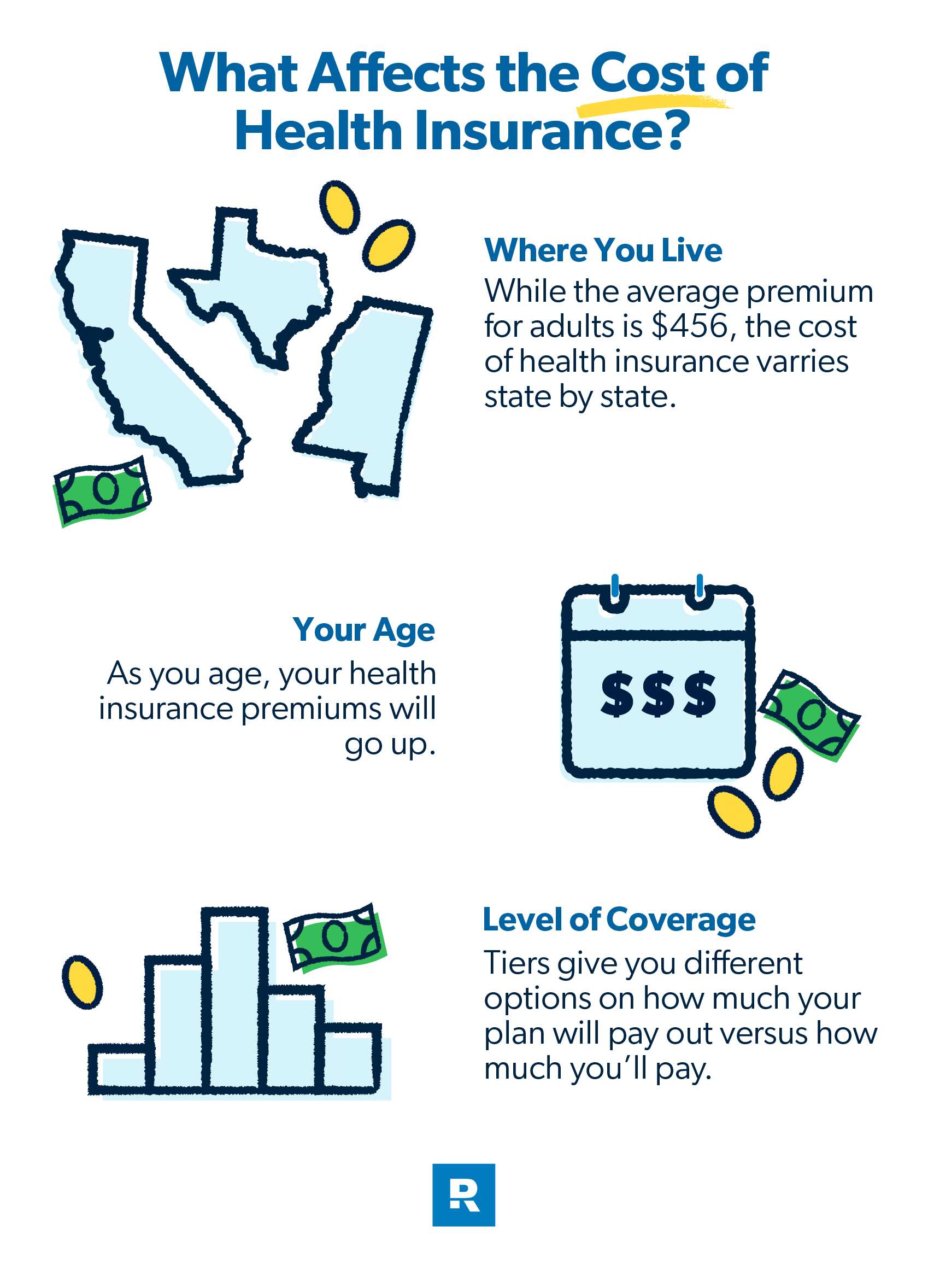
Your age is one of the most powerful predictors of your premium. The ACA allows insurers to charge older adults up to three times more than younger adults for the same plan. This “age-rating” means that, all else being equal, a 60-year-old will pay a significantly higher premium than a 30-year-old.
Geographic location also creates substantial cost variations. Healthcare costs, provider wages, competition among insurance carriers, and state-specific regulations can differ dramatically between states, counties, and even zip codes. An identical plan could cost hundreds of dollars more or less per month simply by moving a few miles. This is why browsing plans specifically for your region is crucial.
Lastly, tobacco use is a factor that can impact your premium. Insurers are allowed to charge tobacco users up to 50% more than non-tobacco users. While intended to discourage smoking, this surcharge can add a considerable amount to your monthly bill.
Plan Tier and Provider Network Choices
The metal tier you choose—Bronze, Silver, Gold, or Platinum—is perhaps the most direct decision you make that impacts both your premium and your out-of-pocket costs.
- Bronze plans have the lowest premiums but the highest deductibles and out-of-pocket maximums. They cover roughly 60% of average healthcare costs, making them suitable for those who anticipate minimal healthcare needs and want low monthly costs.
- Silver plans have moderate premiums and moderate out-of-pocket costs, covering about 70% of average costs. They are unique because they are the only plans eligible for Cost-Sharing Reductions, making them highly attractive for those who qualify for subsidies.
- Gold plans have higher premiums but lower deductibles and out-of-pocket maximums, covering around 80% of costs. They are a good choice for individuals who anticipate frequent medical care.
- Platinum plans have the highest premiums but the lowest deductibles and out-of-pocket costs, covering about 90% of costs. They are best for those with very high healthcare needs who want maximum predictability and minimal out-of-pocket expenses when using services.
Beyond the metal tier, the provider network type also influences costs and access.
- HMOs (Health Maintenance Organizations) typically have lower premiums but require you to choose a primary care provider (PCP) and get referrals to see specialists. Coverage is usually limited to in-network providers.
- PPOs (Preferred Provider Organizations) offer more flexibility, allowing you to see specialists without a referral and often providing some coverage for out-of-network care (though at a higher cost). Premiums tend to be higher.
- EPOs (Exclusive Provider Organizations) are a hybrid, often not requiring referrals but only covering in-network care (except in emergencies).
- POS (Point of Service) plans are a mix, allowing out-of-network care with a referral, similar to a PPO but with some HMO features.
Choosing the right network depends on your preference for flexibility versus cost savings and your existing relationships with doctors.
Household Size and Income Fluctuations
The size of your household directly affects your total premium, as each additional family member (spouse, children) increases the overall cost. Additionally, the household’s aggregate out-of-pocket maximum will increase with more members.
Crucially, income fluctuations have a direct and significant impact on the financial assistance you receive. If your income increases or decreases during the year, your eligibility for Premium Tax Credits and Cost-Sharing Reductions may change. It’s vital to report income changes to the Marketplace promptly. Failing to do so could result in owing money back to the IRS if you received too much in tax credits, or missing out on additional assistance if your income dropped. Accurate income projection is key to avoiding surprises.
Strategic Selection: Maximizing Value from the Marketplace
Navigating the Health Insurance Marketplace can feel overwhelming given the array of choices and financial implications. However, with a strategic approach, you can select a plan that offers the best value for your specific needs, rather than just focusing on the lowest or highest premium.
Assessing Your Healthcare Needs vs. Plan Design
The most effective way to choose a marketplace plan is to align it with your anticipated healthcare needs. There’s no one-size-fits-all “best” plan; the ideal choice depends on your health status, frequency of medical visits, and financial comfort with risk.
- If you anticipate low medical needs: You rarely visit the doctor, take few prescriptions, and are generally healthy. A Bronze plan might be appealing for its low monthly premium. While it comes with a high deductible, it provides catastrophic coverage for unexpected emergencies. Consider a High Deductible Health Plan (HDHP) within the Bronze tier, which allows you to open a Health Savings Account (HSA) – a tax-advantaged savings account for healthcare expenses.
- If you anticipate moderate to high medical needs: You have chronic conditions, take regular medications, or expect frequent doctor visits. A Gold or Platinum plan might be more suitable. Their higher premiums are offset by lower deductibles, copayments, and coinsurance, meaning your costs for services will be lower and more predictable throughout the year. If you qualify for Cost-Sharing Reductions, a Silver plan is often the superior choice, as it offers enhanced benefits (lower deductibles and out-of-pocket maximums) while retaining a relatively moderate premium, making it a “best of both worlds” option.
- Crucial Considerations: Beyond the metal tier, always check if your preferred doctors, specialists, and hospitals are “in-network” for any plan you’re considering. Also, review the plan’s formulary (list of covered prescription drugs) to ensure your medications are included and understand their cost-sharing tier. A plan might seem affordable until you discover your essential medication isn’t covered or is prohibitively expensive.
Leveraging Marketplace Tools and Annual Re-evaluation
The official Health Insurance Marketplace platforms, such as Healthcare.gov (for states using the federal exchange) or individual state exchanges, are invaluable resources. They offer intuitive tools that allow you to:
- Compare plans side-by-side: Easily view premiums, deductibles, copays, and out-of-pocket maximums for various plans in your area.
- Estimate financial assistance: Input your household income and size to get an accurate estimate of your potential Premium Tax Credits and Cost-Sharing Reductions. This is crucial for understanding your true net cost.
- Check network compatibility: Many platforms allow you to search for your current doctors and preferred hospitals to see if they are in a plan’s network.
The healthcare landscape and your personal circumstances are not static. It is critically important to re-evaluate your health plan annually during the Open Enrollment Period. Plans change year-to-year; premiums might increase, benefits might shift, or provider networks could be altered. Simultaneously, your own health needs, income, and family situation may have evolved. What was the best plan for you last year might not be this year. Proactively reviewing your options ensures you continue to have the most appropriate and cost-effective coverage available.

Conclusion
The question “How much is marketplace insurance?” ultimately yields a highly personalized answer. It’s not a single number, but rather a dynamic calculation influenced by a spectrum of personal factors, plan choices, and the substantial impact of financial assistance. While the prospect of deciphering premiums, deductibles, copayments, and coinsurance may seem daunting, understanding these components is the first step towards taking control of your healthcare costs.
Crucially, remember the powerful role of Premium Tax Credits and Cost-Sharing Reductions. For many, these subsidies transform seemingly unaffordable plans into accessible and comprehensive coverage options. By leveraging these forms of assistance and carefully matching a plan’s design to your individual or family’s health needs, you can unlock significant value.
The Health Insurance Marketplace is designed to provide choices and ensure access to essential health benefits. By utilizing the available tools, diligently assessing your options, and proactively re-evaluating your plan each year, you can navigate the complexities of marketplace insurance with confidence, securing coverage that offers both financial protection and peace of mind.
aViewFromTheCave is a participant in the Amazon Services LLC Associates Program, an affiliate advertising program designed to provide a means for sites to earn advertising fees by advertising and linking to Amazon.com. Amazon, the Amazon logo, AmazonSupply, and the AmazonSupply logo are trademarks of Amazon.com, Inc. or its affiliates. As an Amazon Associate we earn affiliate commissions from qualifying purchases.