
Navigating the landscape of health insurance costs can often feel like deciphering a complex financial puzzle. For many, it’s one of the most significant recurring expenses, directly impacting monthly budgets and long-term financial stability. Understanding “how much does health insurance cost” isn’t merely about knowing a single number; it’s about comprehending a multifaceted system of premiums, deductibles, co-payments, co-insurance, and out-of-pocket maximums, all influenced by a myriad of personal and market-driven factors. This guide aims to demystify these costs, providing a clear and insightful overview to help individuals and families make informed financial decisions regarding their healthcare coverage.

The true cost of health insurance extends beyond the monthly premium. It encompasses what you pay regularly, what you pay when you use services, and the ultimate financial limit of your responsibility in a given year. Delving into these components is crucial for anyone looking to budget effectively and avoid unexpected financial burdens when medical needs arise. From the individual just starting their career to the family planning for the future, a solid grasp of health insurance economics is an indispensable part of sound personal finance.
Understanding the Fundamentals: What Drives Health Insurance Costs?
To truly grasp the cost of health insurance, one must first understand its core components. These elements work in tandem to define your financial responsibility and the extent of your coverage. Ignoring any of them can lead to significant financial surprises down the line.
Premiums: Your Monthly Ticket to Coverage
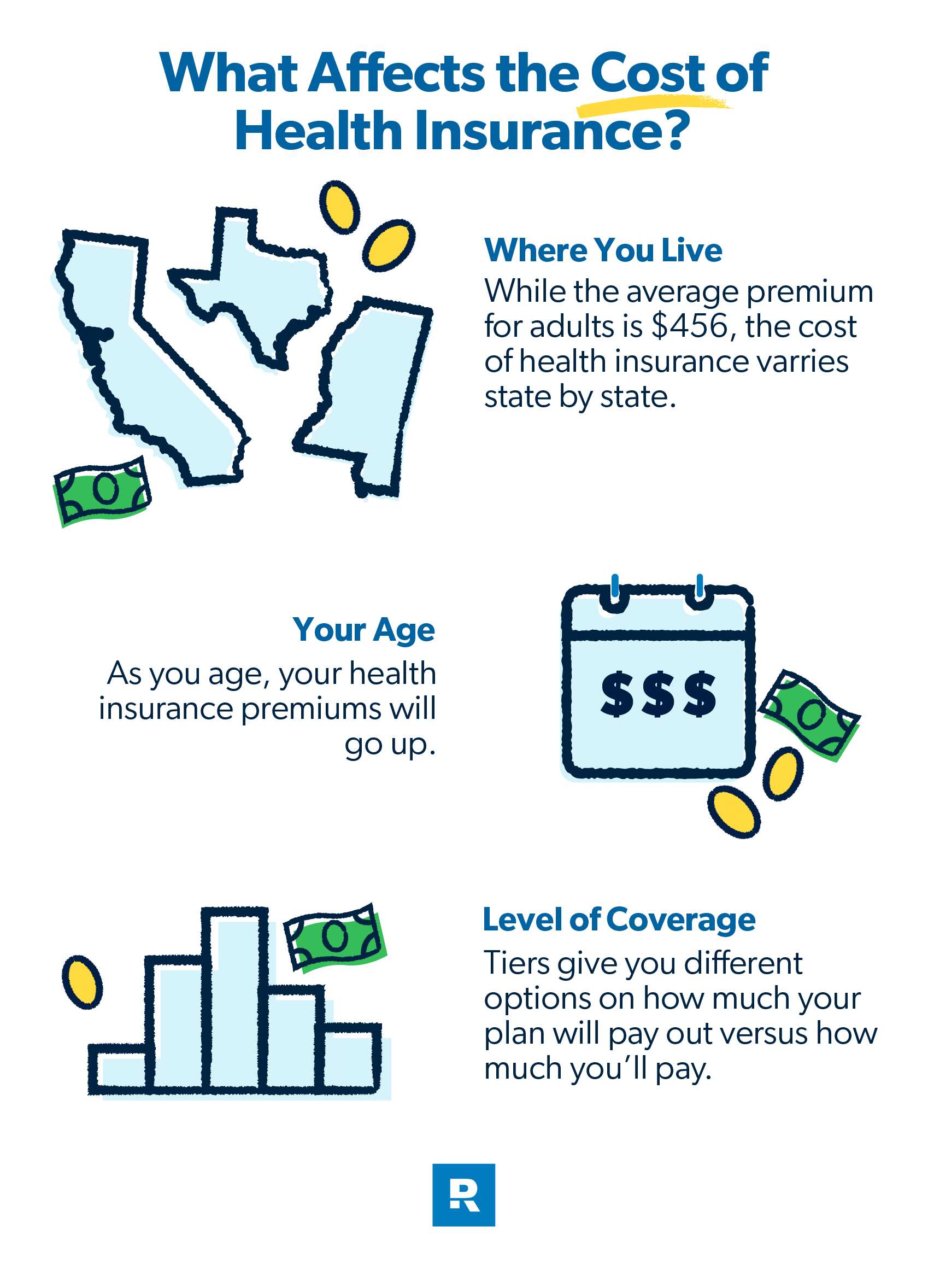
The premium is the most straightforward cost associated with health insurance. It’s the fixed amount you pay, typically monthly, to your insurance provider to maintain your coverage. This payment is non-negotiable for the duration of your policy term and is required regardless of whether you use medical services in a given month. Premiums fund the pool from which all claims are paid, covering administrative costs and ensuring the insurer’s profitability. Factors like age, location, plan type, and number of dependents significantly impact this monthly fee. For instance, a 30-year-old living in a major metropolitan area will likely pay a different premium than a 50-year-old in a rural community for an equivalent plan.
Deductibles: The Threshold Before Your Plan Pays
The deductible is often where the complexity begins. This is the amount of money you must pay out-of-pocket for covered medical services before your insurance company starts to pay. For example, if your plan has a $2,000 deductible, you are responsible for the first $2,000 in covered medical expenses each year. Once you’ve paid that amount, your insurance begins to contribute. Importantly, not all services count towards your deductible; many plans cover preventive care (like annual physicals) at 100% even before you meet your deductible. Higher deductibles typically correlate with lower monthly premiums, and vice-versa, offering a trade-off between upfront costs and potential out-of-pocket expenses. This is a critical financial decision for individuals assessing their risk tolerance and expected healthcare utilization.
Coinsurance and Copayments: Sharing the Cost of Care
Once your deductible is met, you don’t necessarily stop paying entirely. This is where coinsurance and copayments come into play:
- Copayment (Copay): A fixed amount you pay for a covered healthcare service after you’ve met your deductible. For example, you might have a $30 copay for a doctor’s visit or a $50 copay for an emergency room visit. Some plans might require copays for certain services even before the deductible is met.
- Coinsurance: This is your share of the cost of a covered healthcare service, calculated as a percentage. For example, if your plan’s coinsurance is 20% after meeting your deductible, and the allowed cost for a procedure is $1,000, you would pay $200, and your insurance would pay $800.
Both copays and coinsurance represent cost-sharing mechanisms designed to ensure individuals have some financial stake in their healthcare decisions, potentially reducing unnecessary utilization of services.
Out-of-Pocket Maximum: Your Financial Safety Net
The out-of-pocket maximum is a crucial financial safeguard. This is the absolute most you will have to pay for covered medical expenses in a policy year. Once you reach this limit, your insurance company pays 100% of all covered healthcare costs for the remainder of the year. This maximum includes your deductible, copayments, and coinsurance amounts. Premiums, however, do not usually count towards the out-of-pocket maximum. Understanding this limit is vital for financial planning, as it caps your financial risk in the event of a serious illness or injury, providing a crucial layer of protection against catastrophic medical bills.
Factors Influencing Your Health Insurance Premium
While the core components of health insurance costs are universal, the specific dollar amounts for premiums, deductibles, and other expenses vary significantly based on a range of individual and external factors. Understanding these influences can help you anticipate and potentially manage your health insurance expenditures.
Age and Location: Geography and Life Stages Matter
Age is a primary determinant of premiums. Generally, older individuals pay more for health insurance due to their higher likelihood of needing medical care. Rates typically increase incrementally with age. Location also plays a significant role. Healthcare costs vary widely by state, city, and even zip code due to differences in local medical costs, provider competition, and state-specific regulations. An urban area with higher living costs and more extensive healthcare facilities often commands higher premiums than a rural area.
Plan Type: HMO, PPO, EPO, POS, and HDHP Explained
The type of health insurance plan you choose profoundly impacts its cost and how you access care. Each plan structure offers a different balance of flexibility, cost, and provider network:
- HMO (Health Maintenance Organization): Typically has lower premiums and out-of-pocket costs but restricts you to a network of doctors and hospitals. You often need a primary care physician (PCP) referral to see specialists.
- PPO (Preferred Provider Organization): Offers more flexibility, allowing you to see out-of-network providers (though at a higher cost). You usually don’t need a PCP referral. Premiums are generally higher than HMOs.
- EPO (Exclusive Provider Organization): A hybrid of HMO and PPO, it restricts you to a network but often doesn’t require a PCP referral. Generally no coverage for out-of-network care, except in emergencies.
- POS (Point of Service): Also a hybrid, offering more flexibility than an HMO but usually requiring a PCP referral for specialists, even within the network. Out-of-network care is covered at a higher cost.
- HDHP (High-Deductible Health Plan): Characterized by lower premiums but significantly higher deductibles. These plans are often paired with a Health Savings Account (HSA), allowing individuals to save tax-advantaged money for healthcare expenses.
The choice among these plans often comes down to a personal financial assessment of desired flexibility versus premium costs and anticipated medical needs.
Tobacco Use: A Costly Habit
Under the Affordable Care Act (ACA), insurers are allowed to charge tobacco users higher premiums (up to 50% more in some states). This “tobacco surcharge” is a significant financial incentive for individuals to quit smoking or never start, directly impacting their personal finance concerning healthcare.
Number of People Covered: Family Plans vs. Individual Plans
Logically, insuring more people costs more. Individual plans cover only one person, while family plans cover multiple individuals, typically at a higher premium. The structure of family premiums can also vary, with some plans charging for the first three children under 21, and others having different age limits or additional charges per child.
Navigating the Market: Where to Buy Health Insurance
The marketplace for health insurance is diverse, offering several avenues for individuals and families to secure coverage. Each pathway has its own set of rules, eligibility criteria, and financial implications.
Employer-Sponsored Plans: The Most Common Route
For many working individuals, employer-sponsored health insurance is the primary source of coverage. Companies often subsidize a significant portion of the premiums, making these plans generally more affordable than comparable individual plans. Employers typically offer a choice of plans (HMO, PPO, HDHP, etc.) and handle the administrative aspects, simplifying the process for employees. The financial advantage of employer-sponsored plans is a major benefit of employment.
Government Marketplaces (ACA/Obamacare): Subsidies and Options
For those not covered by an employer, Medicare, or Medicaid, the government health insurance marketplaces (established under the Affordable Care Act) are a crucial resource. These online platforms allow individuals to compare and purchase plans from various private insurers. A key financial advantage here is the availability of premium tax credits (subsidies) and cost-sharing reductions for eligible individuals and families based on their income. These subsidies can significantly lower the monthly premium and out-of-pocket costs, making health insurance more accessible and affordable for lower- and middle-income households.
Direct from Insurers: Exploring Private Plans
Individuals can also purchase health insurance directly from private insurance companies outside of the government marketplace. While these plans typically do not offer ACA subsidies, they can sometimes provide more flexibility or unique options not found on the marketplace. This route is often chosen by those whose income makes them ineligible for subsidies or who prefer to deal directly with an insurer for specific plan features.
Medicare and Medicaid: Government Programs for Specific Demographics
- Medicare: Primarily serves individuals aged 65 or older, younger people with certain disabilities, and people with End-Stage Renal Disease. It’s a federal program with different parts (A, B, C, D) covering hospital stays, doctor visits, prescription drugs, and more. While largely government-funded, beneficiaries typically pay premiums for certain parts (like Part B), deductibles, and coinsurance.
- Medicaid: A joint federal and state program that provides health coverage to low-income adults, children, pregnant women, elderly adults, and people with disabilities. Eligibility requirements vary by state, but for those who qualify, Medicaid generally offers comprehensive benefits with little to no out-of-pocket costs, representing a vital financial safety net for vulnerable populations.
Strategies to Lower Your Health Insurance Costs
Managing health insurance costs is a key aspect of sound personal finance. Several strategies can help individuals and families reduce their expenditures without sacrificing essential coverage.
Comparing Plans and Providers: The Power of Shopping Around
One of the most effective ways to manage costs is to diligently compare plans annually. Whether through an employer, the government marketplace, or directly from an insurer, rates and plan offerings change. Utilize comparison tools and work with knowledgeable brokers to analyze different plans’ premiums, deductibles, out-of-pocket maximums, and network restrictions. A seemingly small difference in a monthly premium can add up to significant savings over a year.
Utilizing Health Savings Accounts (HSAs) and Flexible Spending Accounts (FSAs)
For those with HDHPs, a Health Savings Account (HSA) is an invaluable financial tool. Contributions are tax-deductible, funds grow tax-free, and withdrawals for qualified medical expenses are tax-free. This triple tax advantage makes HSAs a powerful way to save and pay for healthcare costs. Flexible Spending Accounts (FSAs), often offered through employers, allow you to set aside pre-tax money for medical expenses, reducing your taxable income. While FSAs have a “use it or lose it” rule (with some carryover exceptions), they can still provide substantial savings on healthcare.
Understanding Subsidies and Tax Credits
If you purchase insurance through the government marketplace, always check your eligibility for premium tax credits and cost-sharing reductions. These subsidies are designed to make health insurance more affordable for millions of Americans and can dramatically lower your actual financial outlay. Many individuals underestimate their eligibility, leaving money on the table.
Exploring High-Deductible Health Plans (HDHPs) for Lower Premiums
For individuals and families who are generally healthy and anticipate minimal medical needs, an HDHP can be a financially astute choice. While the deductible is higher, the monthly premiums are typically significantly lower. When combined with an HSA, these plans offer a way to manage predictable costs while benefiting from tax advantages and protection against catastrophic events. It requires careful budgeting for the deductible, but the long-term savings potential can be substantial.
Preventive Care and Healthy Lifestyle Choices
While not a direct reduction in premium, focusing on preventive care and maintaining a healthy lifestyle can significantly lower your overall healthcare expenses. Regular check-ups, screenings, and managing chronic conditions can prevent more serious (and costly) health issues down the line. Many plans cover preventive services at 100%, encouraging proactive health management.
The True Value of Health Insurance: Beyond the Numbers
While the financial cost of health insurance is a critical consideration, its true value extends far beyond the monetary figures. It’s an investment in your well-being and financial security, providing benefits that are often immeasurable until they are critically needed.
Protection Against Catastrophic Costs
The most profound benefit of health insurance is its protection against catastrophic medical expenses. A severe illness, accident, or chronic condition can lead to medical bills in the tens or even hundreds of thousands of dollars. Without insurance, such events can swiftly lead to bankruptcy and long-term financial devastation. Health insurance acts as a financial shield, ensuring that you receive necessary care without being wiped out financially.
Access to Quality Healthcare
Health insurance provides access to a network of doctors, specialists, hospitals, and medical facilities. This access is crucial for both routine care and specialized treatments. Having insurance means you can seek timely medical advice, receive diagnoses, and undergo necessary procedures without the deterrent of immediate, prohibitive costs, leading to better health outcomes and quality of life.

Peace of Mind: A Priceless Benefit
Ultimately, knowing that you and your loved ones are covered in case of illness or injury offers invaluable peace of mind. It allows you to focus on your health and recovery, rather than being constantly preoccupied with the financial burden of medical care. This psychological benefit, while not quantifiable, is often cited as one of the most compelling reasons to maintain health insurance, making the “cost” a justifiable investment in personal well-being and financial stability.
In conclusion, understanding “how much does health insurance cost” requires a holistic view of premiums, deductibles, cost-sharing, and out-of-pocket maximums, alongside the myriad of factors that influence these figures. By thoroughly researching options, leveraging available subsidies, and making informed choices, individuals can secure coverage that not only meets their healthcare needs but also aligns with their financial planning goals, ensuring both physical and fiscal health.
aViewFromTheCave is a participant in the Amazon Services LLC Associates Program, an affiliate advertising program designed to provide a means for sites to earn advertising fees by advertising and linking to Amazon.com. Amazon, the Amazon logo, AmazonSupply, and the AmazonSupply logo are trademarks of Amazon.com, Inc. or its affiliates. As an Amazon Associate we earn affiliate commissions from qualifying purchases.