
For millions of Americans, Social Security benefits form a crucial pillar of their retirement income strategy. As individuals approach or enter their retirement years, a common and critical question arises: “How much can I earn from work without jeopardizing my Social Security payments?” The answer isn’t a simple yes or no; it involves understanding specific rules, age thresholds, and how different types of income are treated. Navigating these regulations is essential for maximizing your financial well-being in retirement, ensuring you can supplement your Social Security benefits with earned income without unexpected reductions.
The Social Security Administration (SSA) implements earnings limits primarily to regulate benefits for individuals who are still actively working but have not yet reached their “Full Retirement Age” (FRA). Once you reach your FRA, these earnings limits disappear, and you can earn any amount without it affecting your monthly Social Security check. This article will delve into the intricacies of these earnings limits, explain how they can impact your benefits, and provide strategies for managing your income to ensure a secure and predictable financial future.
Understanding Social Security’s Earnings Limit
The concept of an earnings limit often creates confusion for new retirees or those planning their retirement. It’s not a universal cap on all income, but rather a specific threshold applied to earned income – wages from a job or net earnings from self-employment – for individuals receiving Social Security benefits before reaching their Full Retirement Age. The primary goal of these limits is to ensure that Social Security benefits are primarily directed towards those who have genuinely retired or are transitioning into retirement, rather than those who continue to work full-time.
The Rationale Behind Earnings Limits
Social Security was designed as a social insurance program to replace a portion of income lost due to retirement, disability, or death. While it provides a foundation of financial security, it was not intended to be a primary income source for individuals who continue to work robustly. The earnings limit serves as a mechanism to balance the program’s solvency and its objective to support retired workers. It acknowledges that individuals who are still earning substantial income may have less immediate need for full benefits, thus allowing the system to conserve funds for those who are fully retired or less able to work. This mechanism is a key component in the long-term financial stability of the Social Security program, ensuring its ability to serve future generations of retirees.
Who is Affected by Earnings Limits?
The earnings limit exclusively applies to individuals who are receiving Social Security retirement or survivor benefits and have not yet reached their Full Retirement Age (FRA). Your FRA depends on your birth year. For instance, if you were born in 1960 or later, your FRA is 67. If you were born between 1943 and 1954, your FRA is 66. There’s a gradual increase for those born between 1955 and 1959.
- Before FRA: If you start receiving benefits before your FRA, your earnings will be subject to an annual limit. Exceeding this limit will result in a temporary reduction of your benefits.
- In the Year You Reach FRA: A different, higher earnings limit applies in the year you reach your FRA. The SSA only counts earnings up to the month before you reach your FRA. From the month you reach FRA onwards, there is no earnings limit.
- At or After FRA: Once you reach your Full Retirement Age, the earnings limit no longer applies. You can earn any amount from work without it affecting your Social Security benefits. This is a critical distinction and often a powerful incentive for individuals to delay claiming benefits until their FRA.
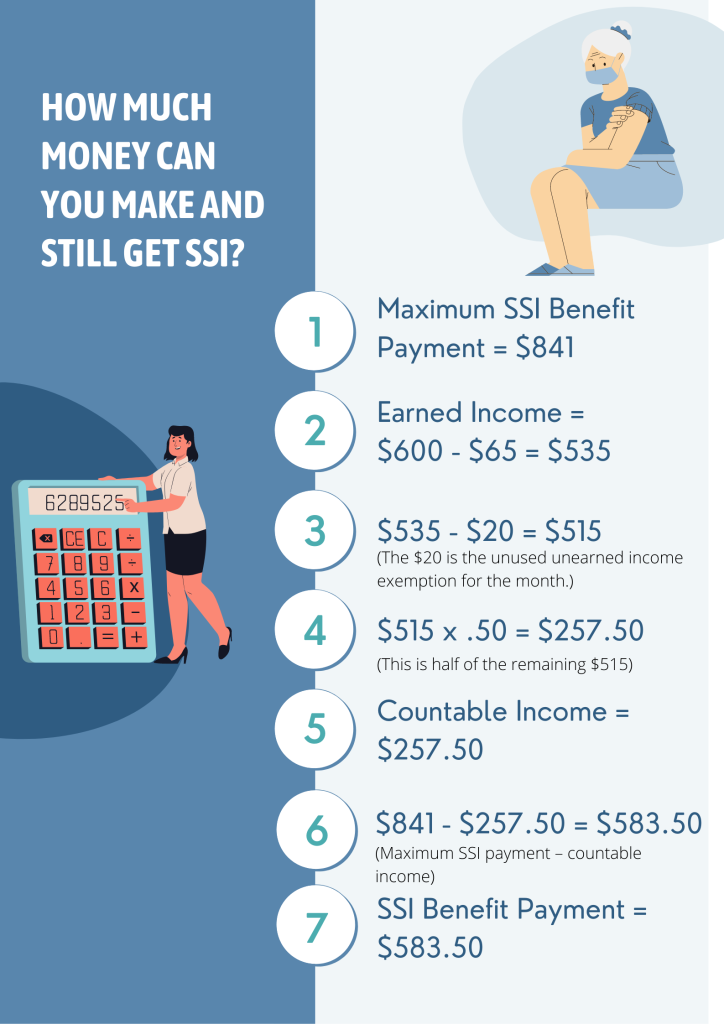
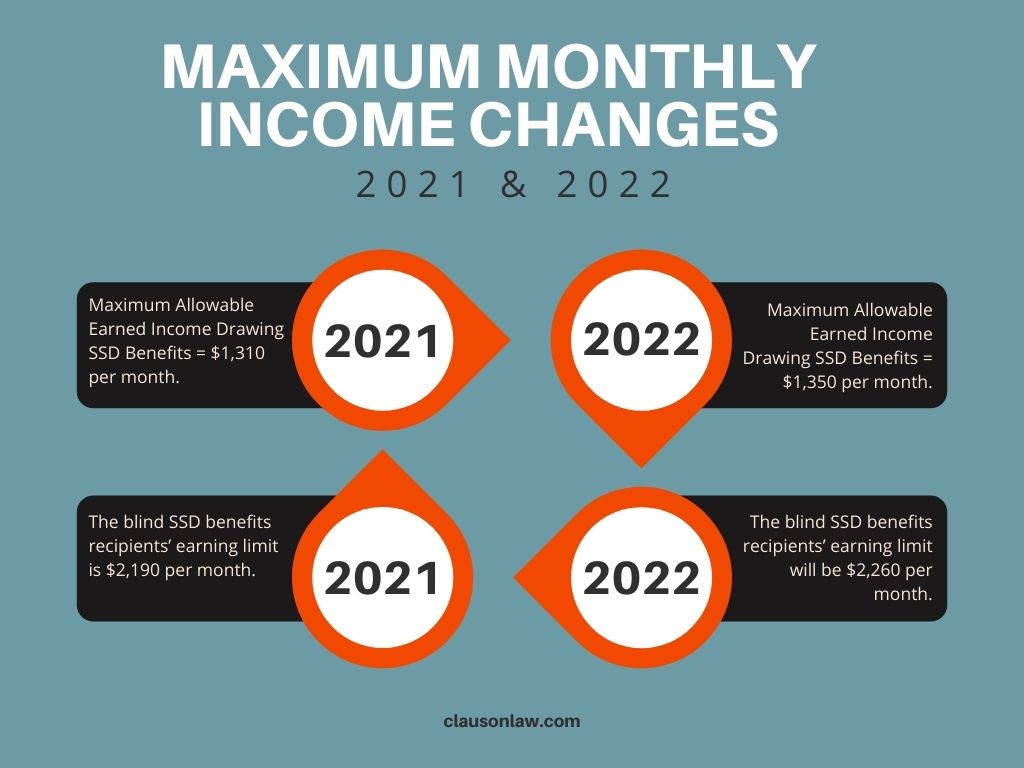
It’s important to note that earnings limits do not apply to Social Security Disability Insurance (SSDI) benefits in the same way, as SSDI has its own rules regarding “substantial gainful activity” (SGA). Also, Supplemental Security Income (SSI) has different income and resource limits altogether.
The Annual Earnings Limit Thresholds
The specific dollar amounts for the earnings limits are adjusted annually to reflect changes in the national average wage index. These limits come in two tiers:
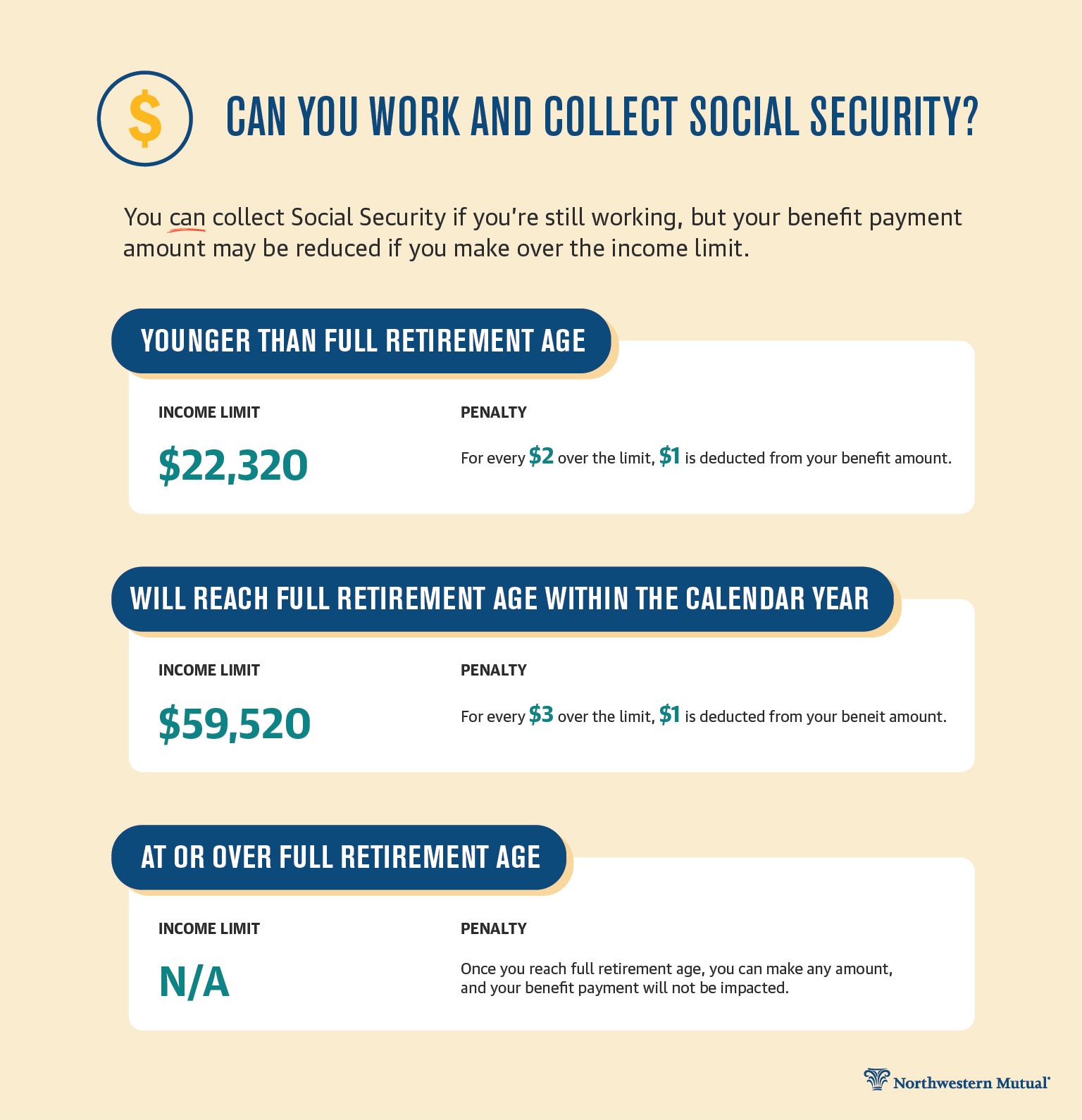
- Lower Limit (Before the year you reach FRA): For example, in 2024, if you are under your Full Retirement Age for the entire year, the annual earnings limit is $22,320. For every $2 you earn above this limit, $1 is withheld from your Social Security benefits.
- Higher Limit (In the year you reach FRA): In the year you reach your Full Retirement Age, a higher earnings limit applies. For example, in 2024, this limit is $59,520. However, for every $3 you earn above this limit, $1 is withheld from your benefits. This higher limit only applies to earnings made before the month you reach your FRA. From that month onward, there is no limit.
It’s crucial to consult the Social Security Administration’s website (SSA.gov) for the most current earnings limit figures, as they change annually. These limits are only applied to “earned income,” which includes wages from employment and net earnings from self-employment. Other types of income, such as pensions, annuities, investment income (like dividends or interest), rental income, or capital gains, do not count towards these earnings limits.
How Earnings Affect Your Social Security Benefits
Understanding the exact mechanism by which your benefits might be reduced is key to effectively planning your retirement finances. It’s not a punitive measure but a system designed to adjust benefits based on your continued earnings, reflecting the program’s intent to support those fully retired. The reductions are temporary and can be recovered later, making it less of a penalty and more of a reallocation over time.
The Withholding Mechanism
The Social Security Administration implements a specific formula to reduce benefits if your earnings exceed the annual limit:
- Before the year you reach FRA: If you are under your Full Retirement Age for the entire year, the SSA will withhold $1 in benefits for every $2 you earn above the annual limit. For example, if the limit is $22,320 and you earn $24,320, you’ve exceeded the limit by $2,000. The SSA would then withhold $1,000 from your benefits ($2,000 / 2).
- In the year you reach FRA: A more lenient rule applies. The SSA will withhold $1 in benefits for every $3 you earn above the annual limit. This higher limit, as noted, only applies to earnings before the month you reach your FRA. This distinction is vital for those who plan to work part-time leading up to their FRA, allowing them to earn more without significant benefit reductions.
The withheld benefits are not lost forever. When you reach your Full Retirement Age, the SSA recalculates your benefit amount. The months for which benefits were withheld due to the earnings limit are essentially considered “unpaid months,” and your future monthly benefit amount will be slightly increased to account for these past withholdings. This recalculation effectively “gives back” the withheld benefits over your remaining lifespan, albeit in a different form.
The “Grace Period” Rule
There’s a special rule for the first year you receive Social Security benefits while also working, known as the “grace period.” In this initial year, the SSA applies a monthly earnings limit instead of the annual limit. This means that if you don’t earn above a certain monthly threshold in any given month, you’ll receive your full benefits for that month, regardless of your annual earnings prior to that point. For example, if you retire mid-year, you might have already earned a significant amount. Without the grace period, your benefits for the rest of the year could be entirely withheld. With the grace period, you can still receive benefits for months you are retired and earning below the monthly limit. This rule typically applies for the first calendar year only, and helps individuals transition into retirement smoothly.
Understanding Your Full Retirement Age (FRA)
Your Full Retirement Age (FRA) is perhaps the most critical factor in understanding how earnings affect your Social Security. It’s the age at which you’re entitled to receive 100% of your primary insurance amount (PIA), the benefit calculated based on your lifetime earnings, without any reduction for claiming early or increase for delaying.
- Claiming Before FRA: If you start receiving benefits before your FRA (as early as age 62), your monthly benefit amount will be permanently reduced. On top of that, you will be subject to the earnings limits.
- Claiming at FRA: At your FRA, you receive 100% of your PIA, and the earnings limits cease to apply. You can earn an unlimited amount from work without any reduction to your Social Security benefits.
- Claiming After FRA: If you delay claiming benefits past your FRA, your monthly benefit amount will increase by a certain percentage (delayed retirement credits) for each month you delay, up to age 70. During this period of delay (post-FRA), there are no earnings limits.
Knowing your specific FRA and planning your work and claiming strategy around it is fundamental to optimizing your Social Security benefits and your overall financial retirement plan. It often becomes a strategic decision: take reduced benefits earlier and manage earnings, or wait until FRA (or later) for higher, unrestricted benefits.
Strategies for Navigating Earnings Limits
Successfully managing your income while receiving Social Security benefits before your Full Retirement Age requires thoughtful planning. It’s not about avoiding work, but about structuring your employment and income streams in a way that minimizes or eliminates benefit reductions, allowing you to optimize both your earned income and your Social Security payments.
Planning Your Retirement Income Streams
A robust retirement plan often incorporates multiple income streams. When considering earned income alongside Social Security, it’s beneficial to diversify.
- Part-time Work: If you plan to work part-time before your FRA, closely monitor your earnings to stay below the annual limit. This might involve setting a maximum number of hours or a target income level that aligns with the SSA’s thresholds.
- Phased Retirement: Some employers offer phased retirement programs, allowing you to gradually reduce your work hours and income. This can be an excellent way to transition while managing your earnings below the Social Security limit.
- Non-Earned Income: Remember that investment income (dividends, interest, capital gains), pensions, annuities, and distributions from retirement accounts (like 401(k)s or IRAs) do not count towards the Social Security earnings limit. Therefore, strategically drawing from these sources can supplement your income without affecting your benefits, providing flexibility and peace of mind. For example, you might rely more heavily on your investment portfolio in years you anticipate exceeding the earnings limit.
The Benefit of Working Past Full Retirement Age
One of the most straightforward strategies to avoid the earnings limit altogether is to delay claiming your Social Security benefits until you reach your Full Retirement Age (FRA), or even beyond.
- No Earnings Limit at FRA: As previously stated, once you reach your FRA, there are absolutely no limits on how much you can earn from work. You can work full-time, part-time, or start a new business, and your Social Security benefits will remain unaffected.
- Delayed Retirement Credits: For every month you delay claiming benefits past your FRA, up to age 70, you earn delayed retirement credits, which permanently increase your monthly benefit amount. This can result in a significantly higher monthly check for the rest of your life. For instance, delaying from age 67 to 70 could increase your benefit by 24-32% (depending on your birth year). This dual benefit – unrestricted earnings and higher monthly payouts – makes delaying benefits a powerful financial strategy for many.
- Benefit Recalculation: Even if your benefits were reduced due to earnings limits before your FRA, any previous earnings reductions are effectively “paid back” in the form of higher monthly benefits once you reach your FRA. The SSA recalculates your benefit, increasing it to account for the months you didn’t receive full benefits due to exceeding the earnings limit. This means that the reduction is not a permanent loss but a deferral.
The Impact of Different Income Types
It’s crucial to differentiate between “earned income” and “unearned income” when considering the Social Security earnings limit.
- Earned Income: This is the income that counts towards the limit. It includes wages from an employer (before taxes and deductions) and net earnings from self-employment (gross income minus allowable business expenses). If you’re self-employed, accurately tracking your net earnings is vital.
- Unearned Income: This type of income does not count towards the earnings limit and will not affect your Social Security benefits. Examples include:
- Pensions and government annuities
- Military retirement pay
- Investment income (interest, dividends, capital gains)
- Rental income from property
- Veterans’ benefits
- Workers’ compensation payments
- Unemployment benefits
- Distributions from traditional IRAs, 401(k)s, or other retirement savings plans
- Roth IRA distributions (tax-free withdrawals)
Understanding this distinction allows retirees to structure their income to avoid the limits. For instance, if you anticipate exceeding the earned income limit, you might consider taking a larger distribution from your investment accounts for that year instead of increasing your work hours.
Maximizing Your Long-Term Social Security Benefits
Beyond simply avoiding earnings limits, a comprehensive approach to Social Security involves strategies designed to enhance your overall benefits over your lifetime. These insights can significantly impact your financial security throughout retirement, providing a greater peace of mind and more disposable income.
The Delayed Retirement Credits
One of the most powerful tools for increasing your Social Security payout is the delayed retirement credit. If you delay claiming benefits beyond your Full Retirement Age (FRA), your monthly benefit amount increases by a certain percentage for each month you wait, up to age 70. This increase is substantial: for those born in 1943 or later, the annual increase is 8% per year.
- Example: If your FRA is 67 and your monthly benefit at FRA is $2,000, delaying until age 70 would increase your monthly benefit to $2,480 ($2,000 + (3 years * 8% / year * $2,000)). This additional $480 per month is a permanent increase, adjusting annually for inflation, which can significantly enhance your long-term financial security. For individuals who are healthy and expect a long lifespan, this can be a highly effective strategy to maximize lifetime benefits and also sidestep any earnings limits.
Recomputing Your Benefits
The Social Security Administration calculates your primary insurance amount (PIA) based on your highest 35 years of indexed earnings. If you continue to work past your FRA, or if you had lower-earning years earlier in your career, those later higher earnings can replace a lower-earning year in your 35-year calculation.
- How it Works: Each year you work and pay Social Security taxes, your earnings are added to your record. If your current year’s earnings are higher than one of the 35 years previously used in your benefit calculation (after being adjusted for inflation), the SSA automatically recomputes your benefit to include the new, higher earning year. This means that working even a few years into retirement, especially if you’re earning more than you did in some earlier years, can lead to a slight but permanent increase in your monthly benefit amount. This recalculation is automatic, typically occurring once a year as the SSA processes new earnings information.
Consulting with a Financial Advisor
Navigating the complexities of Social Security earnings limits, claiming strategies, and overall retirement planning can be challenging. A qualified financial advisor specializing in retirement planning can provide invaluable guidance.
- Personalized Strategy: An advisor can help you analyze your specific financial situation, including your expected retirement age, health status, other income sources, and financial goals, to develop a personalized Social Security claiming strategy.
- Optimizing Income: They can assist in projecting how different earning scenarios might impact your benefits and explore ways to structure your earned and unearned income to minimize reductions and maximize your overall retirement cash flow.
- Understanding Tax Implications: Social Security benefits themselves can be taxable depending on your “provisional income.” A financial advisor can help you understand these tax implications and integrate them into your broader financial plan.
- Holistic Planning: Beyond Social Security, an advisor helps integrate your benefits with your investment portfolio, healthcare costs, estate planning, and other aspects of your financial life to create a comprehensive and resilient retirement plan.
Conclusion
The question of “how much can I make and still get Social Security” is multifaceted, with answers that depend heavily on your age relative to your Full Retirement Age (FRA) and the type of income you’re earning. While earnings limits exist to manage benefits for those still working before their FRA, they are not permanent deterrents to earning income. Instead, they represent a set of rules that, once understood, can be strategically navigated.
By grasping the mechanics of the earnings limits, knowing your Full Retirement Age, and differentiating between earned and unearned income, you can make informed decisions. Whether you choose to work part-time, strategically draw from other income sources, or delay claiming your benefits until your FRA or later, careful planning is paramount. Ultimately, the goal is to create a harmonious blend of Social Security benefits and earned income that provides financial stability and peace of mind throughout your retirement years. For a truly optimized approach, consider consulting a financial professional who can tailor advice to your unique circumstances, ensuring you maximize every dollar available to you.
aViewFromTheCave is a participant in the Amazon Services LLC Associates Program, an affiliate advertising program designed to provide a means for sites to earn advertising fees by advertising and linking to Amazon.com. Amazon, the Amazon logo, AmazonSupply, and the AmazonSupply logo are trademarks of Amazon.com, Inc. or its affiliates. As an Amazon Associate we earn affiliate commissions from qualifying purchases.