
Investing in the stock market is one of the most effective ways to build generational wealth and achieve financial independence. Historically, the stock market has provided an average annual return of approximately 10%, significantly outpacing inflation and traditional savings accounts. However, for many beginners, the prospect of navigating ticker symbols, market volatility, and complex financial terminology can be daunting.
To succeed in the market, one must transition from a mindset of speculation to one of disciplined ownership. Investing is not about “playing the market”; it is about buying a stake in profitable businesses and participating in their growth over time. This guide explores the essential steps, strategies, and psychological frameworks required to start your investment journey with confidence.
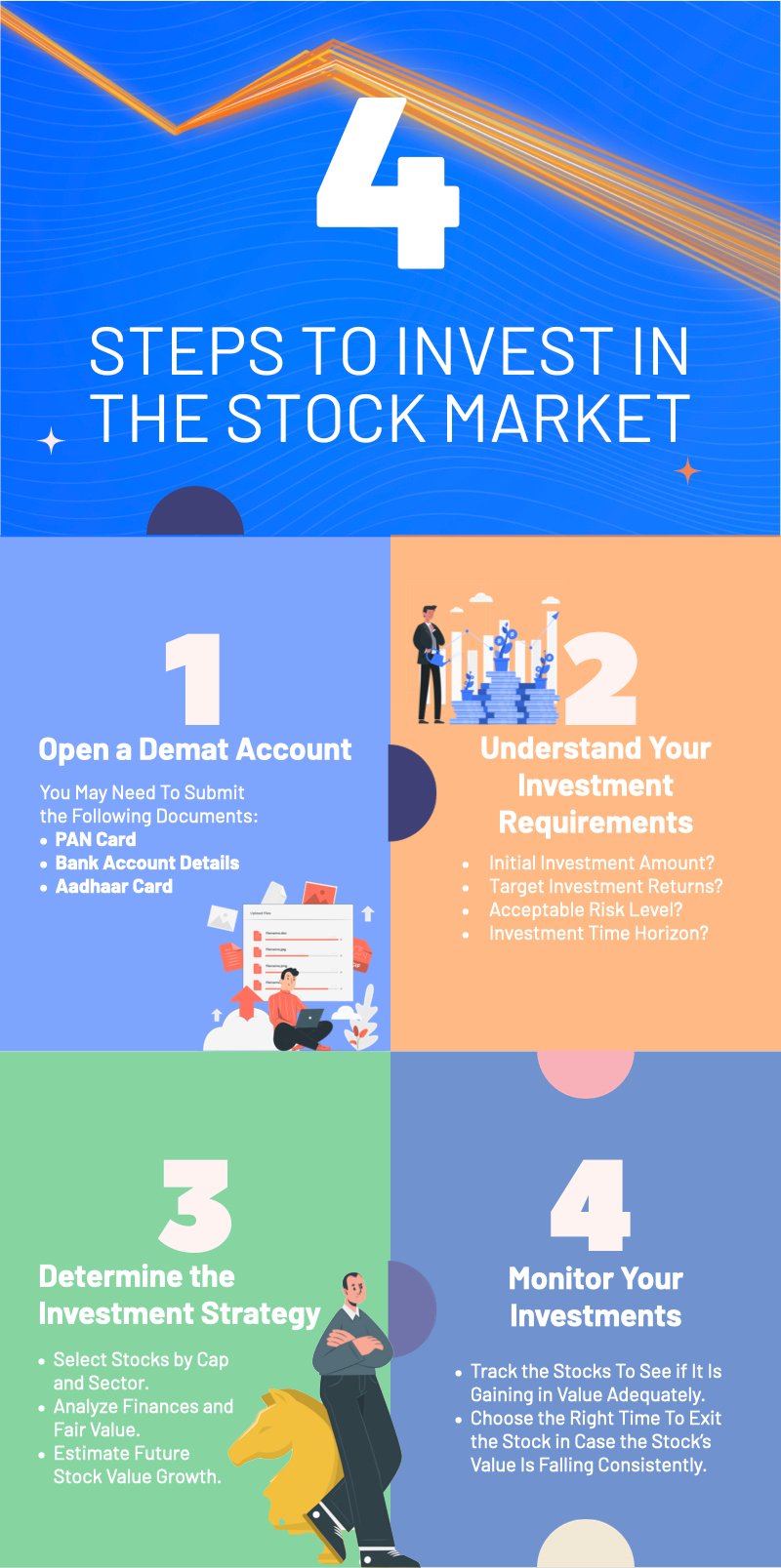
Establishing a Solid Financial Foundation
Before purchasing your first share, it is crucial to ensure your personal finances are stable enough to withstand the inherent risks of the equity markets. Investing should never be done with money required for immediate needs or survival.
Assessing Debt and Emergency Reserves
The first step in any investment strategy is a thorough audit of your liabilities. High-interest debt, such as credit card balances, often carries interest rates between 15% and 25%. Since it is statistically unlikely to consistently earn such high returns in the stock market, paying off high-interest debt is a guaranteed “return” on your money.
Simultaneously, you must establish an emergency fund. Financial experts typically recommend saving three to six months of living expenses in a high-yield savings account. This liquidity prevents you from being forced to sell your stocks during a market downturn to cover unexpected costs, such as medical bills or job loss.
Defining Your Risk Tolerance and Time Horizon
Understanding your “stomach for risk” is vital. Risk tolerance is determined by your age, income stability, and emotional reaction to price fluctuations. A younger investor with a thirty-year time horizon can afford to be aggressive because they have decades to recover from market corrections. Conversely, someone nearing retirement may prioritize capital preservation. Defining your goals—whether it is buying a home in five years or retiring in thirty—will dictate whether you should focus on aggressive growth stocks or conservative, dividend-paying assets.
The Power of Compound Interest
The most significant advantage an investor has is time. Compound interest is the process where the value of an investment grows because the earnings on an investment earn interest as well. By starting early, even with small amounts, the exponential growth in the later years of an investment lifecycle can be staggering. The goal of early-stage investing is not necessarily to pick the “next big thing” but to get your capital into the market as soon as possible to let compounding work its magic.
Navigating the Mechanics of the Stock Market
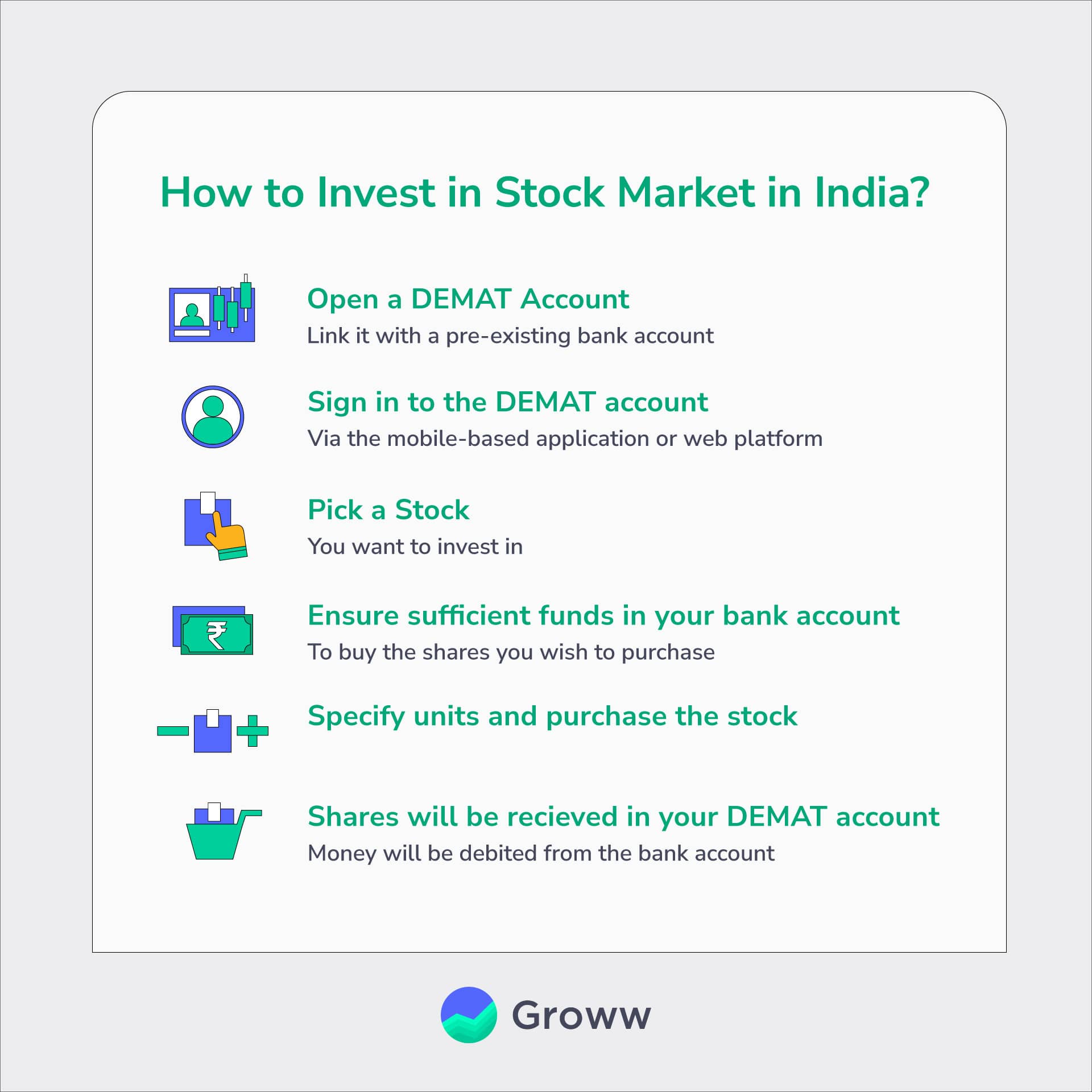
Once your financial house is in order, the next step is understanding the infrastructure of the investing world. To buy stocks, you need a gateway to the exchanges where these securities are traded.
Choosing the Right Investment Account
There are several types of accounts you can open, each with different tax implications.
- Individual Brokerage Accounts: These are standard taxable accounts. You can withdraw your money at any time, but you will owe capital gains taxes on your profits.
- Retirement Accounts (IRA/401k): These offer significant tax advantages. Contributions to a Traditional IRA may be tax-deductible, while a Roth IRA allows for tax-free withdrawals in retirement. Utilizing these accounts is often the most efficient way to invest for long-term goals.
- Robo-Advisors: For those who prefer a “set it and forget it” approach, robo-advisors use algorithms to manage a diversified portfolio based on your risk profile for a small fee.
Selecting a Brokerage Platform
In the modern era, the barrier to entry for stock investing has vanished. Most major brokerages now offer zero-commission trades and user-friendly mobile apps. When selecting a platform, consider factors such as the availability of fractional shares—which allow you to buy $10 worth of a high-priced stock like Amazon or Google—and the quality of their educational resources. Established firms like Vanguard, Fidelity, and Charles Schwab are excellent choices for long-term investors, while newer fintech apps focus on ease of use.
Understanding Market and Limit Orders
When you are ready to buy a stock, you will encounter different “order types.” A Market Order executes the trade immediately at the current market price. This is best for liquid stocks where you want to ensure the trade goes through right away. A Limit Order allows you to specify the maximum price you are willing to pay. This provides protection against sudden price spikes, though there is a risk the trade won’t execute if the stock price never hits your target.
Strategic Asset Allocation and Diversification
The golden rule of investing is “don’t put all your eggs in one basket.” Diversification is the only “free lunch” in finance, reducing risk without necessarily sacrificing returns.
Individual Stocks vs. Index Funds and ETFs
For the majority of investors, low-cost index funds or Exchange-Traded Funds (ETFs) are the most prudent choice. An index fund, such as one that tracks the S&P 500, allows you to own a tiny piece of the 500 largest companies in the United States. This provides instant diversification.
Investing in individual stocks, on the other hand, requires significant research and time. While it offers the potential for market-beating returns, it also carries the risk of total loss if a specific company fails. A balanced approach often involves a “Core and Satellite” strategy: putting 80% of your portfolio into broad index funds and 20% into individual companies you believe have high growth potential.
Sector Diversification and Correlation
A truly diversified portfolio spans different sectors of the economy. If your entire portfolio consists of technology stocks, a downturn in the tech sector will devastate your net worth. To mitigate this, investors should spread their capital across sectors like healthcare, consumer staples, energy, and financials. Additionally, considering international stocks or bonds can provide a hedge against domestic economic downturns, ensuring that your portfolio remains resilient regardless of which specific industry is struggling.
The Role of Dividends in Total Return
Many established companies pay out a portion of their earnings to shareholders in the form of dividends. For long-term investors, reinvesting these dividends can significantly boost total returns. Dividend-paying stocks are often seen as more conservative and can provide a steady stream of passive income, which becomes particularly valuable during flat or “bear” markets where stock prices aren’t rising.
Fundamental Analysis and Evaluation Metrics
If you decide to invest in individual stocks, you must learn how to evaluate a business’s health. You are not just buying a ticker symbol; you are buying a piece of a living, breathing corporation.
Key Financial Ratios: P/E and EPS
The Price-to-Earnings (P/E) Ratio is the most common metric used to determine if a stock is overvalued or undervalued. It compares the stock price to the company’s earnings per share (EPS). A high P/E might suggest that investors expect high growth in the future, while a low P/E might indicate a “value” play or a company in decline. It is essential to compare a company’s P/E ratio to its historical average and its industry peers to get a clear picture.
Examining the Balance Sheet and Cash Flow
A company’s balance sheet reveals its assets, liabilities, and equity. Investors should look for a healthy “Debt-to-Equity” ratio to ensure the company isn’t over-leveraged. Furthermore, Free Cash Flow (FCF) is a vital metric; it represents the actual cash a company generates after accounting for capital expenditures. Companies with strong, growing FCF have the flexibility to pay dividends, buy back shares, or reinvest in new products.
The Concept of the “Economic Moat”
Coined by Warren Buffett, an “economic moat” refers to a company’s competitive advantage that protects it from rivals. This could be a powerful brand (like Apple), a cost advantage (like Walmart), or high switching costs (like Microsoft Windows). When picking individual stocks, look for companies with wide moats, as they are more likely to maintain profitability and market share over decades.
Long-Term Portfolio Maintenance and Psychology
The greatest challenge in investing is not the math—it is the psychology. The market is driven by the dual emotions of fear and greed, and successful investors must learn to master both.
The Strategy of Dollar-Cost Averaging
Trying to “time the market” is a losing game. Even professionals struggle to predict short-term movements. Instead, use Dollar-Cost Averaging (DCA). This involves investing a fixed amount of money at regular intervals (e.g., $500 every month), regardless of the stock price. When prices are high, you buy fewer shares; when prices are low, you buy more. Over time, this lowers your average cost per share and removes the emotional stress of trying to find the “perfect” time to buy.
Portfolio Rebalancing and Review
As different assets grow at different rates, your portfolio will naturally drift away from your target allocation. If your goal was 70% stocks and 30% bonds, a great year in the stock market might leave you with 80% stocks. Rebalancing involves selling some of your winners and buying more of the underperformers to return to your original risk profile. This disciplined approach forces you to “sell high and buy low.” Generally, a portfolio review once or twice a year is sufficient.
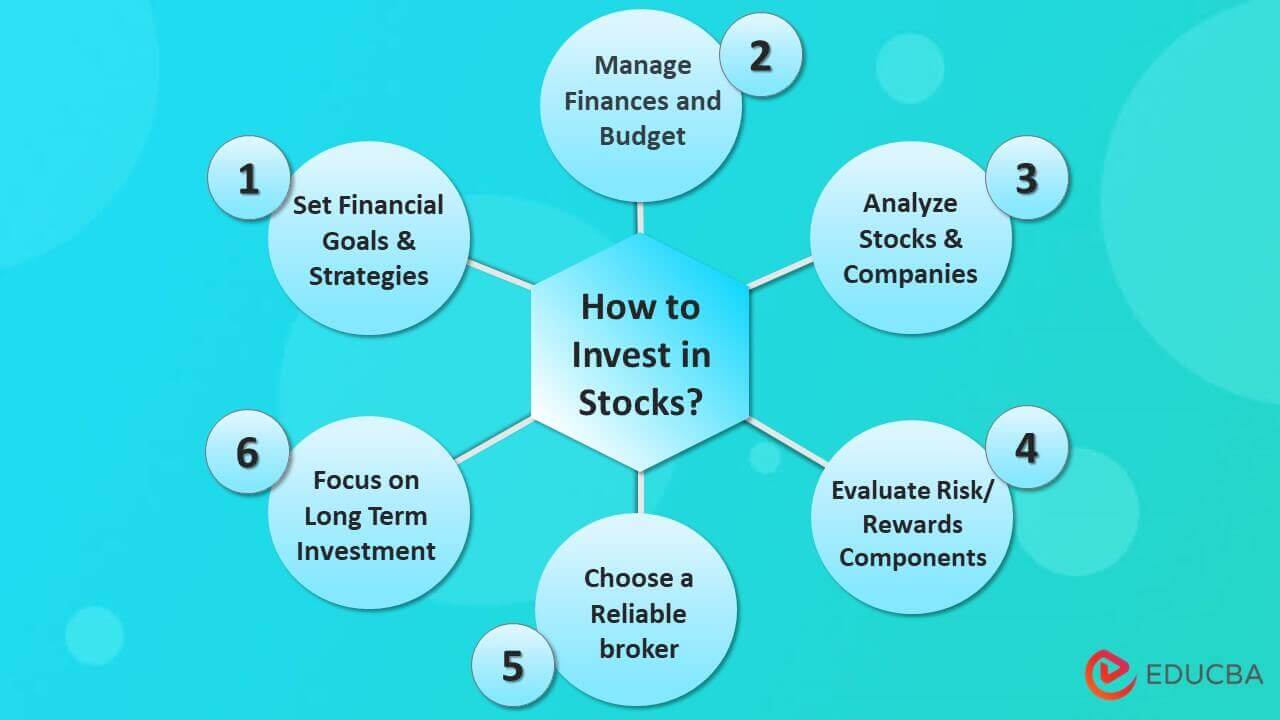
Maintaining Emotional Discipline During Volatility
Market corrections (a drop of 10%) and bear markets (a drop of 20% or more) are a normal part of the economic cycle. The investors who build true wealth are those who stay the course during these periods. Selling during a panic turns “paper losses” into “realized losses.” By maintaining a long-term perspective and viewing market dips as “sales” on great companies, you position yourself to benefit when the market inevitably recovers. Successful investing is 10% knowledge and 90% temperament; the ability to remain calm when others are panicking is the ultimate competitive advantage in the world of money.
aViewFromTheCave is a participant in the Amazon Services LLC Associates Program, an affiliate advertising program designed to provide a means for sites to earn advertising fees by advertising and linking to Amazon.com. Amazon, the Amazon logo, AmazonSupply, and the AmazonSupply logo are trademarks of Amazon.com, Inc. or its affiliates. As an Amazon Associate we earn affiliate commissions from qualifying purchases.