
Navigating the complexities of Social Security benefits, especially when contemplating continued work in retirement, can feel like traversing a labyrinth. For millions of Americans, Social Security represents a cornerstone of their financial security, yet the rules surrounding how much one can earn while receiving benefits are often misunderstood. This article aims to demystify these regulations, providing a clear, insightful, and professional guide to understanding the Social Security earnings limit, its implications, and strategies for managing your income effectively.
The primary concern for many who wish to supplement their Social Security income with earnings from work is the potential reduction or withholding of benefits. While the Social Security Administration (SSA) encourages retirees to remain active and even work if they choose, there are specific thresholds designed to balance the system’s solvency and benefit distribution. Understanding these rules is not merely about compliance; it’s about smart financial planning that ensures you maximize both your benefits and your earning potential.

Understanding the Social Security Earnings Limit: An Overview
At its core, the Social Security earnings limit is a cap on how much you can earn from work before the SSA starts to withhold a portion of your benefits. This limit is not a fixed, universal number; it changes annually and, more critically, it depends significantly on your age relative to your Full Retirement Age (FRA). The system is designed to provide greater flexibility as you approach and pass your FRA, recognizing that individuals have different needs and capacities at various stages of retirement.
What is the Earnings Limit?
The earnings limit is a specific dollar amount set by the SSA each year. If your earnings from employment or self-employment exceed this limit, a portion of your Social Security benefits will be temporarily withheld. It’s crucial to understand that this is not a permanent loss of benefits; rather, it’s an adjustment that aims to balance your earned income with your Social Security entitlements. The withheld amount is not ‘lost’ in the traditional sense; it contributes to a later recalculation that could lead to higher benefits once you reach your FRA and stop working or earn less.
Who Does it Apply To?
The earnings limit primarily applies to individuals who are receiving Social Security retirement or survivor benefits and have not yet reached their Full Retirement Age (FRA). This includes:
- Retired Workers: Individuals who have claimed their own retirement benefits before their FRA.
- Spouses: Spouses receiving benefits based on a worker’s record before their FRA.
- Survivors: Widows, widowers, and eligible children receiving benefits before their FRA.
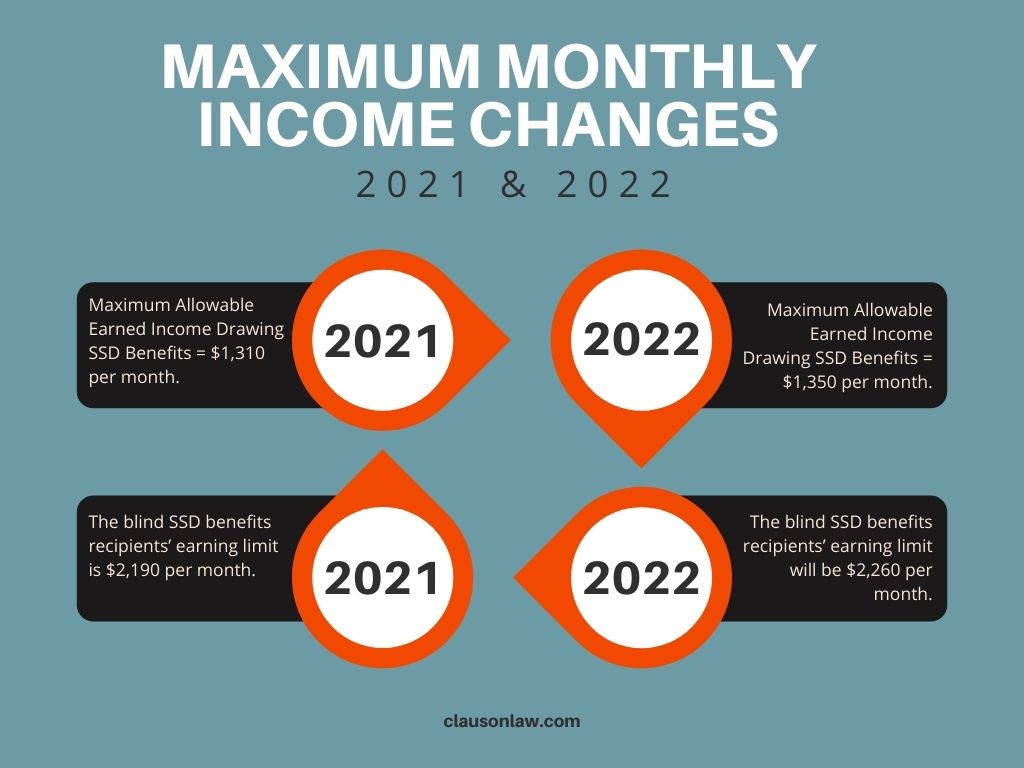
It does not apply to individuals receiving Social Security Disability benefits (SSDI), as those benefits have separate rules regarding substantial gainful activity (SGA). Furthermore, once you reach your Full Retirement Age, the earnings limit disappears entirely, allowing you to earn as much as you wish without any reduction in your Social Security benefits.
Benefits Withholding Explained
When your earnings exceed the annual limit, the SSA will withhold a portion of your benefits. The amount withheld depends on how far you are from your FRA:
- Before the year you reach FRA: The SSA withholds $1 in benefits for every $2 you earn above the annual limit.
- In the year you reach FRA: The SSA withholds $1 in benefits for every $3 you earn above a different, higher annual limit, but only for months before you reach your FRA. Once you hit your FRA, the limit no longer applies.
This withholding mechanism is designed to be temporary. When you reach your FRA, the SSA will recalculate your benefit amount to account for any benefits that were withheld due to your past earnings. This recalculation will result in a slightly higher monthly benefit going forward, effectively crediting you for the withheld amounts over your remaining lifespan. It’s a complex system, but the core idea is to ensure fairness and prevent double-dipping while maintaining the long-term solvency of the Social Security trust funds.
Age Matters: Different Rules for Different Stages
The Social Security system places significant emphasis on your age relative to your Full Retirement Age (FRA) when determining how the earnings limit applies. Your FRA is determined by your birth year and ranges from 66 to 67 for most people currently approaching retirement. Understanding these age-specific rules is critical for effective financial planning.
Before Full Retirement Age (FRA)
This is the period where the earnings limit has the most significant impact. If you claim Social Security benefits and continue to work before reaching your FRA, you are subject to the lower annual earnings limit. For instance, in 2023, this limit was $21,240. If you earned more than this amount, the SSA would withhold $1 in benefits for every $2 you earned above the limit.
Example: If the limit is $21,240 and you earned $31,240 in a year (which is $10,000 over the limit), the SSA would withhold $5,000 ($10,000 / 2) from your Social Security benefits over the year. This could mean several months of benefits being withheld entirely, depending on your monthly benefit amount. This rule encourages those who claim early to either limit their earnings or accept the temporary reduction in benefits.
In the Year You Reach Full Retirement Age
The rules become more lenient in the calendar year you reach your FRA. There’s a higher earnings limit for this period, and the withholding rate is less aggressive. For example, in 2023, the limit for this category was $56,520. If you earned more than this amount before the month you reached your FRA, the SSA would withhold $1 in benefits for every $3 you earned above the limit. Crucially, any earnings you make from the month you reach your FRA onward are not subject to any earnings limit. This creates a distinct cut-off point where the rules change dramatically.
This specific rule acknowledges that individuals are transitioning into full retirement and may still have significant earnings in the months leading up to their FRA. It provides a softer landing, allowing for higher pre-FRA earnings without as severe a penalty.
At or After Full Retirement Age (The “No Limit” Rule)
Once you reach your Full Retirement Age and beyond, the Social Security earnings limit vanishes entirely. This is often referred to as the “no limit” rule. From this point forward, you can earn as much as you want from employment or self-employment without any impact on your Social Security retirement or survivor benefits. Your benefits will not be reduced or withheld due to your income level.
This rule is a cornerstone of encouraging older Americans to remain in the workforce if they desire, providing both economic benefit to them and potentially higher tax contributions to the Social Security system. It removes a major disincentive to working past your FRA, allowing you to maximize both your earned income and your full Social Security benefit.
Calculating Your Allowable Earnings and Potential Reductions
Understanding the mechanics of what counts as “earnings” and how withholding is calculated is vital for accurate financial planning. It’s not just about the gross amount you make, but also the nature of that income.
How the Withholding Works
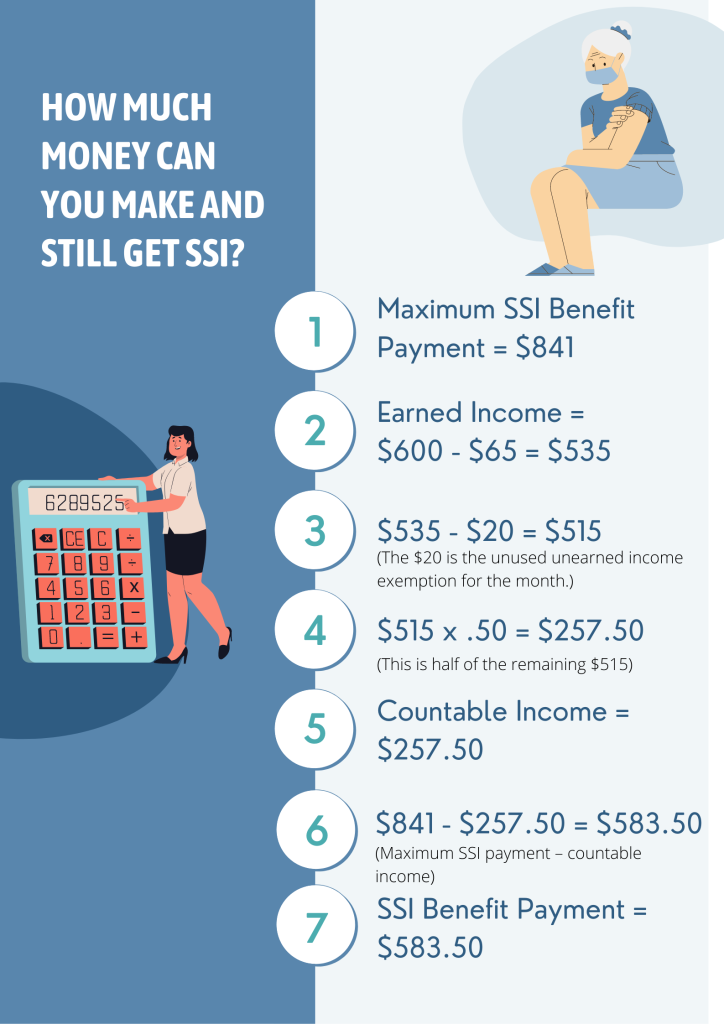
As previously outlined, the withholding rates are either $1 for every $2 over the limit (before FRA) or $1 for every $3 over the higher limit (in the year you reach FRA, for earnings before FRA). The SSA applies these rules on an annual basis, but they can adjust your monthly benefits if they anticipate you will exceed the limit. This might involve withholding entire monthly checks until the estimated overage is recovered.
For instance, if your annual benefit is $18,000 ($1,500/month) and you are projected to owe $6,000 in withheld benefits due to earnings, the SSA might withhold your benefits for four months to cover this amount. If your actual earnings end up being less than projected, the SSA will repay any excess withheld benefits. Conversely, if you earn more, you might owe an additional amount. This highlights the importance of keeping the SSA informed of your earnings, especially if they fluctuate.
What Counts as “Earnings”?
For Social Security purposes, “earnings” subject to the limit primarily include:
- Wages: Income received from an employer for work performed. This is reported on your W-2.
- Net Earnings from Self-Employment: The profit from a business you own, after deducting allowable business expenses. This is reported on your Schedule SE (Form 1040).
It’s important to distinguish between earned income and other forms of income.
Exemptions and Exclusions
Not all income counts toward the Social Security earnings limit. Exemptions and exclusions are crucial to understand:
- Pensions and Annuities: Payments from private pensions, government pensions, and annuities are generally not considered “earnings” for the limit.
- Investment Income: Interest, dividends, capital gains, and rental income (unless you are actively involved in the rental property management as a business) are typically not counted.
- Government Benefits: Most government benefits (e.g., veterans’ benefits, workers’ compensation, unemployment benefits) are not counted.
- Retirement Account Withdrawals: Distributions from 401(k)s, IRAs, and other retirement accounts are generally not considered earned income.
This distinction is vital. You could have a very high overall income from investments and pensions and still not be subject to the earnings limit, as long as your earned income from work remains below the threshold. This allows for a significant amount of financial flexibility in retirement planning.
Strategic Planning: Maximizing Your Income and Benefits
Effective financial planning requires a holistic view, considering both your earned income and your Social Security benefits in tandem. There are several strategies you can employ to optimize your financial situation.
Delaying Benefits for Higher Future Payouts
One of the most powerful strategies is to delay claiming your Social Security benefits beyond your earliest eligibility age (62) up to your Full Retirement Age, or even beyond, up to age 70. For every year you delay claiming past your FRA, your benefits increase by a certain percentage (known as Delayed Retirement Credits, or DRCs), up to age 70. If you can continue working and cover your expenses without Social Security, delaying can lead to a significantly higher monthly benefit for the rest of your life. This higher benefit also translates into a higher survivor benefit for your spouse.
Balancing Work and Retirement Income
For many, the ideal scenario involves a gradual transition into retirement, perhaps working part-time. If you are before your FRA, you can strategically manage your earned income to stay below the annual limit, thereby avoiding benefit reductions. This might involve reducing your hours, taking on contract work that allows for flexible earnings, or planning your highest earning years after you reach your FRA. The key is to understand your specific limit and adjust your work schedule accordingly to prevent or minimize withholding.
Understanding Tax Implications of Social Security Benefits
It’s also important to remember that your Social Security benefits themselves might be taxable, depending on your “combined income.” Combined income includes your Adjusted Gross Income (AGI), tax-exempt interest, and half of your Social Security benefits. If your combined income exceeds certain thresholds, up to 85% of your Social Security benefits could be subject to federal income tax. This is a separate consideration from the earnings limit but plays a critical role in your overall financial picture. Understanding these thresholds is essential, especially when you are strategically balancing earned income with other sources of revenue.
Reporting, Compliance, and Seeking Professional Guidance
The Social Security system, while designed to be straightforward, requires diligence in reporting and a proactive approach to compliance. Mistakes can lead to overpayments, which the SSA will seek to recover.
The Importance of Accurate Reporting to the SSA
If you are receiving Social Security benefits and continue to work, it is your responsibility to inform the SSA of your estimated annual earnings. If your earnings change significantly during the year, you should update the SSA. This proactive communication helps the SSA adjust your benefits in advance, reducing the likelihood of a large overpayment or underpayment at the end of the year. The SSA typically uses your reported earnings from tax returns to reconcile benefits, but early reporting helps smooth the process.
Avoiding Overpayments and Penalties
An overpayment occurs when the SSA pays you more benefits than you were entitled to receive. This often happens if your actual earnings exceed what you initially reported or if there’s a delay in updating your earnings information. When an overpayment occurs, the SSA will notify you and generally request repayment. If you cannot repay the full amount, they may propose withholding future benefits to recover the debt. Ignoring overpayment notices can lead to more serious collection efforts. Honest and timely reporting is the best way to avoid these situations.
When to Consult a Financial Advisor or SSA Representative
Given the intricacies of Social Security rules, especially when combined with personal financial goals, consulting experts is often beneficial. A qualified financial advisor can help you integrate your Social Security claiming strategy with your overall retirement plan, considering factors like your investment portfolio, other income sources, and tax implications. They can also help model different scenarios based on your potential earnings.
For specific questions directly related to your Social Security benefits, eligibility, or earnings reporting, contacting the Social Security Administration directly is always recommended. They can provide personalized information based on your unique record and circumstances.
In conclusion, “how much am I allowed to make on Social Security” is not a simple question with a single answer. It depends critically on your age, your Full Retirement Age, and the specific earnings limits for that year. By understanding these rules, proactively managing your income, and seeking professional advice when needed, you can successfully navigate the system, maximize your benefits, and achieve a secure and fulfilling retirement.
aViewFromTheCave is a participant in the Amazon Services LLC Associates Program, an affiliate advertising program designed to provide a means for sites to earn advertising fees by advertising and linking to Amazon.com. Amazon, the Amazon logo, AmazonSupply, and the AmazonSupply logo are trademarks of Amazon.com, Inc. or its affiliates. As an Amazon Associate we earn affiliate commissions from qualifying purchases.