
Understanding individual caloric needs is a cornerstone of effective health and wellness management, whether the goal is weight loss, muscle gain, or simply maintaining a healthy lifestyle. For decades, determining the “right” number of calories involved complex calculations, generalized charts, and often, a significant amount of guesswork. However, in the rapidly evolving digital age, technology has emerged as a transformative force, demystifying the process and offering unprecedented levels of personalization and precision. From sophisticated algorithms embedded in everyday apps to advanced wearable sensors and AI-driven platforms, the tools available today are revolutionizing how we approach dietary intake, providing insightful, real-time data to help individuals answer the perennial question: “How many calories should I eat?” This article explores the cutting-edge technological solutions that empower users to understand, track, and optimize their caloric consumption with unprecedented accuracy and convenience.
Understanding Your Calorie Baseline with Digital Tools
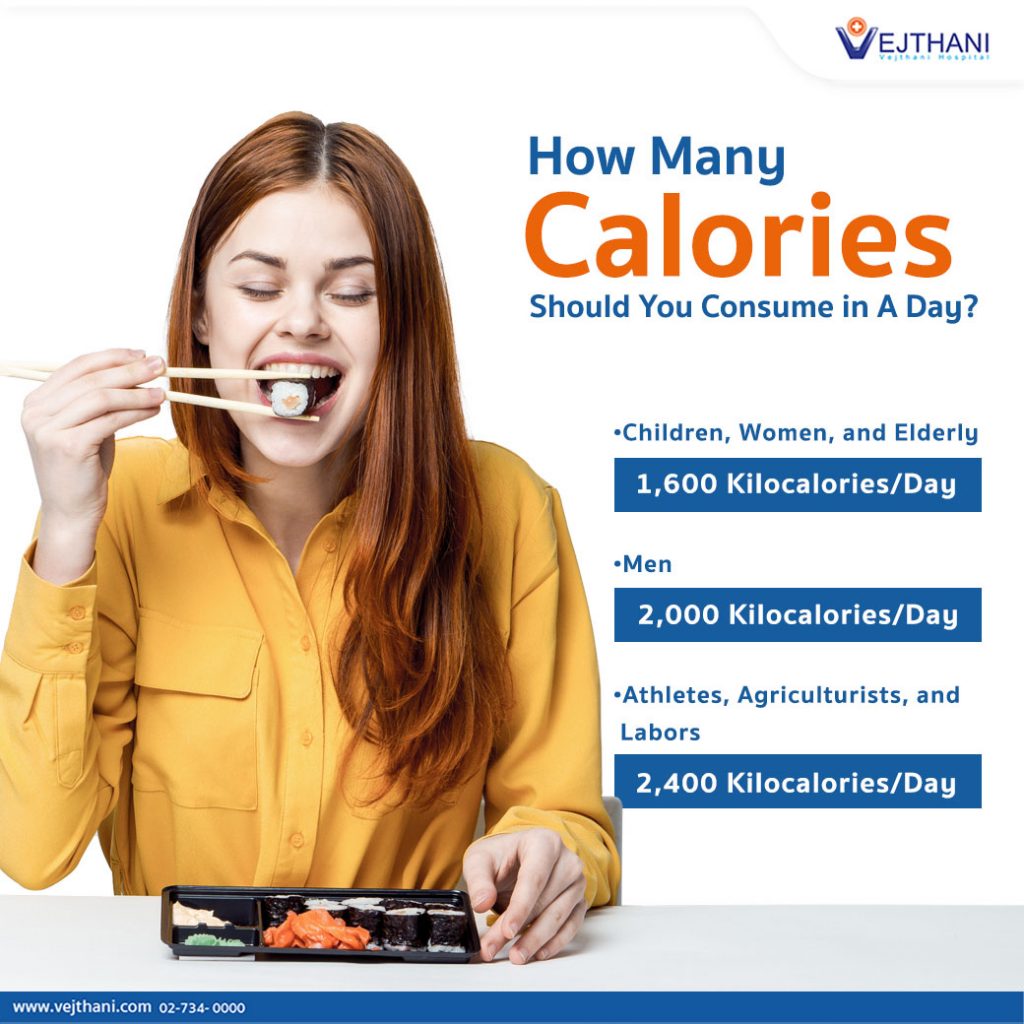
The journey to personalized calorie management begins with establishing a baseline—how many calories your body needs just to exist, and how many it expends through daily activities. Digital tools have significantly streamlined these initial calculations, offering a more accessible starting point than ever before.
BMR and TDEE Calculators: The Foundational Algorithms
At the heart of any calorie recommendation are two key metrics: Basal Metabolic Rate (BMR) and Total Daily Energy Expenditure (TDEE). BMR represents the minimum number of calories your body needs to perform basic, life-sustaining functions while at rest. TDEE, on the other hand, accounts for BMR plus the calories burned through physical activity, digestion, and thermogenesis. Traditionally, these were calculated using formulas like Mifflin-St Jeor or Harris-Benedict, requiring manual input of age, gender, height, and weight.
Today, a myriad of online calculators and integrated app features automate these complex equations, providing instant estimates. Users simply input their demographic data and activity level, and the algorithm delivers an estimated BMR and TDEE. While these calculators offer a valuable starting point, it’s crucial to acknowledge their limitations. They rely on generalized population data and may not perfectly reflect an individual’s unique metabolism, body composition, or specific daily routines. However, as a foundational digital tool, they offer a quick and accessible method for forming an initial hypothesis about one’s caloric needs.
Wearable Tech: Real-Time Activity Tracking for Accurate Expenditure
While online calculators provide theoretical estimates, wearable technology introduces a dynamic and personalized dimension to calorie expenditure tracking. Smartwatches and fitness trackers, from giants like Apple Watch and Garmin to specialized devices like Whoop and Fitbit, have become ubiquitous, offering continuous monitoring of physical activity and physiological metrics.
These devices leverage a suite of sensors—accelerometers, gyroscopes, heart rate monitors, and even GPS—to estimate the calories burned throughout the day. By analyzing heart rate variability, movement patterns, steps taken, and distance covered, proprietary algorithms translate these data points into estimated caloric expenditure. For instance, a high-intensity workout will register a higher calorie burn than a sedentary desk job, and the wearable continuously updates this information.
The advent of more sophisticated sensors, such as those measuring skin temperature or blood oxygen saturation, further refines these calculations. While not perfectly precise due to individual physiological differences and algorithm variations, wearable tech provides a significantly more personalized and real-time assessment of energy expenditure than static calculators. This continuous feedback loop empowers users to adjust their caloric intake in response to their actual activity levels, moving beyond generic recommendations to a more dynamic and responsive nutritional strategy.
AI-Powered Nutrition Apps: Personalized Meal Planning and Tracking
Beyond understanding calorie expenditure, the challenge lies in effectively managing caloric intake. The digital ecosystem has responded with a plethora of AI-powered nutrition apps that transform meal logging, planning, and dietary adherence into an intuitive and highly personalized experience.
Smart Food Logging and Database Integration
The cornerstone of effective calorie management is accurate food logging. Manual logging of every food item and its corresponding nutritional values was once a tedious and error-prone process. Modern nutrition apps, such as MyFitnessPal, Cronometer, and Lose It!, have revolutionized this by integrating vast, comprehensive food databases. These databases often contain millions of entries, including restaurant menus, packaged foods with barcode data, and raw ingredients.
Smart food logging features now include barcode scanning, which instantly pulls up nutritional information; voice recognition for hands-free entry; and even AI-powered photo recognition, allowing users to simply snap a picture of their meal for the app to identify and log its components. These features drastically reduce the friction associated with tracking, making it easier for users to consistently record their intake. Furthermore, many apps allow users to create custom food entries or recipes, ensuring that even homemade meals are accurately accounted for. This granular data collection forms the basis for personalized insights and recommendations.
AI-Driven Recommendations and Adaptive Meal Plans
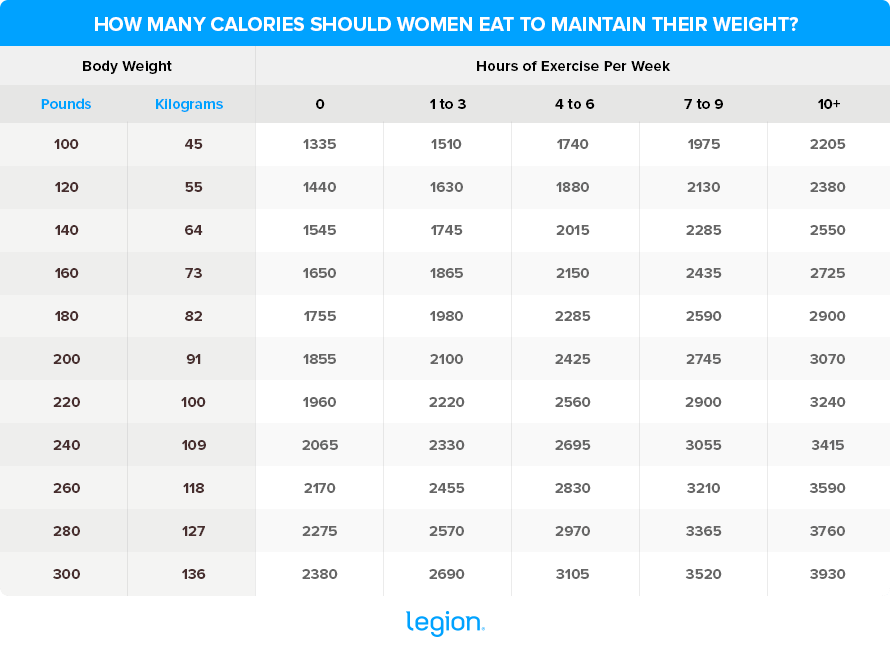
The true power of AI in nutrition apps extends beyond mere logging; it lies in its ability to analyze collected data and provide intelligent, adaptive recommendations. Based on the user’s logged intake, activity levels (often synced directly from wearable devices), and stated goals (weight loss, maintenance, muscle gain), AI algorithms can generate personalized macronutrient breakdowns (proteins, carbs, fats) and suggest appropriate meal plans.
These algorithms learn from the user’s patterns, preferences, and progress. If a user consistently struggles to meet their protein goal, the AI might suggest higher-protein meal options. If weight loss plateaus, the system might recommend a slight calorie deficit adjustment. Some advanced apps can even integrate with smart kitchen appliances, suggesting recipes that align with available ingredients and dietary goals, or generate grocery lists. This dynamic adaptation ensures that nutritional guidance remains relevant and effective over time, constantly refining the answer to “how many calories should I eat?” based on real-world outcomes and individual responses.
Advanced Dietary Insights and Health Monitoring
The technological frontier for calorie management is constantly expanding, moving beyond basic tracking to offer deeper physiological insights and professional guidance.
Glucose Monitoring and Gut Biome Analysis
Emerging technologies are providing unprecedented views into how specific foods affect an individual’s unique physiology. Continuous Glucose Monitors (CGMs), once exclusive to diabetes management, are now being adopted by health-conscious individuals to understand their glycemic response to different foods and meals. By continuously measuring glucose levels, CGMs offer real-time data on how a particular food choice impacts blood sugar, helping users optimize their diet to avoid spikes and crashes, which in turn can influence hunger, energy levels, and fat storage. Integrating CGM data with calorie tracking apps can provide a holistic picture of dietary impact.
Furthermore, the burgeoning field of gut microbiome analysis is beginning to inform personalized nutrition. Companies are developing tests that analyze an individual’s gut bacteria composition and then provide dietary recommendations aimed at fostering a healthier microbiome, which can impact everything from digestion and immunity to mood and metabolism. While still in its early stages of widespread adoption and scientific validation for general nutrition, these technologies hint at a future where calorie recommendations are informed not just by general guidelines, but by an individual’s unique internal biology.
Digital Platforms for Dietitian Consultation and Telehealth
Despite the sophistication of digital tools, the guidance of a human expert remains invaluable. Technology has bridged the gap between individuals and certified nutrition professionals through telehealth platforms and specialized apps. These platforms allow users to connect with registered dietitians and nutritionists virtually, receiving personalized coaching, accountability, and professional advice tailored to their specific health conditions, goals, and lifestyle.
Many apps now integrate direct messaging, video calls, and shared data dashboards, enabling dietitians to review a client’s logged food intake, activity levels, and progress. This digital ecosystem facilitates a more continuous and integrated relationship, allowing professionals to provide timely feedback and make adjustments to caloric and dietary recommendations based on real-time data and individual progress. This blend of automated tools and human expertise represents a powerful approach to personalized calorie management, ensuring that users receive both data-driven insights and compassionate, expert guidance.
The Future of Calorie Management: Seamless Integration and Predictive Analytics
The trajectory of nutritional technology points towards a future of hyper-personalization, seamless integration, and proactive health management.
Hyper-Personalization: From Genomics to Wearables
The ultimate goal of nutritional technology is to provide recommendations so precise they account for every facet of an individual’s biology. The integration of genomic data, for instance, holds immense promise. Understanding how an individual’s genes interact with specific nutrients could unlock truly bespoke dietary plans, informing not just calorie needs but also the optimal macronutrient ratios, micronutrient requirements, and even specific food sensitivities. Combined with continuous data streams from advanced wearables (monitoring everything from hydration and stress levels to sleep quality), the system could create a dynamic nutritional profile that adapts to daily physiological changes. Imagine an AI coach that, based on your genetic predisposition, yesterday’s sleep quality, and today’s workout intensity, recommends a precise calorie target and meal composition for your next meal.
Ethical Considerations and Data Privacy in Nutritional Tech
As nutritional technology becomes more sophisticated and integrates ever more personal data, ethical considerations and data privacy become paramount. The collection of sensitive health information—from food logs and activity data to genetic profiles and glucose readings—raises critical questions about data ownership, security, and potential misuse. Companies developing these technologies must adhere to stringent privacy standards and be transparent about how user data is collected, stored, and utilized. Users, in turn, must be educated about the privacy implications of sharing such intimate details of their health. Ensuring robust data encryption, anonymization techniques, and clear consent protocols will be crucial in building trust and ensuring the responsible evolution of these powerful tools.
Conclusion
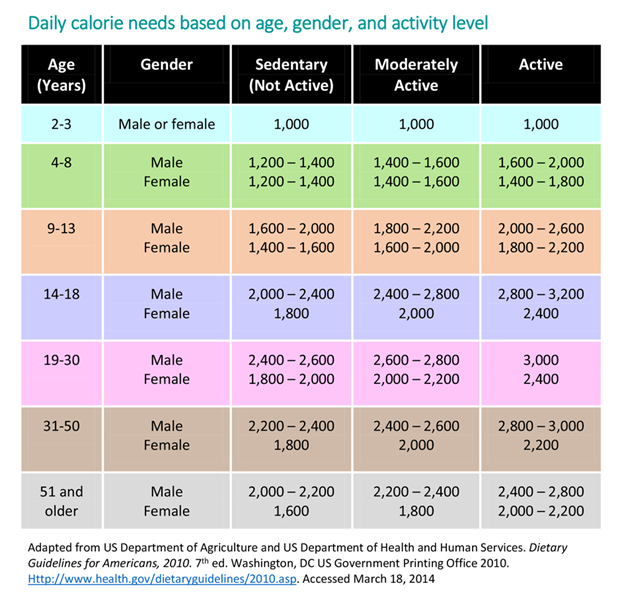
The question “how many calories should I eat” is no longer an insurmountable enigma shrouded in complexity. Thanks to the relentless pace of technological innovation, individuals now have access to an unparalleled suite of tools that offer personalized, dynamic, and increasingly precise answers. From foundational BMR/TDEE calculators and real-time activity tracking by wearables, to AI-driven nutrition apps providing intelligent meal planning, and advanced health monitoring like CGMs, technology has fundamentally transformed how we understand and manage our caloric intake. While these tools offer incredible empowerment, it’s vital to remember they are enablers, not dictators. They empower individuals with data and insights, but the ultimate success still hinges on understanding the foundational principles of nutrition and making informed choices. As technology continues to evolve, the future promises even greater accuracy and integration, leading us towards an era where personalized nutritional guidance is not just a luxury, but an accessible standard for optimal health.
aViewFromTheCave is a participant in the Amazon Services LLC Associates Program, an affiliate advertising program designed to provide a means for sites to earn advertising fees by advertising and linking to Amazon.com. Amazon, the Amazon logo, AmazonSupply, and the AmazonSupply logo are trademarks of Amazon.com, Inc. or its affiliates. As an Amazon Associate we earn affiliate commissions from qualifying purchases.