
The question “how much should I invest per month?” is one of the most fundamental yet complex inquiries in personal finance. It’s a question without a universal answer, as the ideal amount is deeply personal, contingent upon a unique constellation of individual circumstances, financial goals, and risk tolerance. Far from a simple percentage, determining your optimal monthly investment requires a thoughtful assessment of your current financial situation, a clear vision for your future, and a disciplined approach to execution. This article will delve into the critical factors that shape this decision, offer actionable strategies, and illuminate the long-term impact of consistent investing.
The Personalized Equation: Understanding Your Financial Landscape
Before you can determine how much to invest, you must first understand where you stand. Your current financial health forms the bedrock of any successful investment strategy.
Assessing Your Current Financial Health
Begin by gaining absolute clarity on your income and expenses. This means creating a detailed budget, tracking every dollar that comes in and goes out.
- Income: Tally all sources of regular income – salary, freelance work, passive income, etc.
- Expenses: Categorize your expenses into fixed (rent, loan payments, insurance) and variable (groceries, entertainment, transportation). Understanding where your money goes is the first step to identifying potential savings. Many people are surprised to find “leaky faucets” in their spending, where small, regular outlays accumulate into significant sums.
- Net Disposable Income: After covering your essential living expenses and non-negotiable financial commitments (like minimum debt payments), the remaining amount is your net disposable income. This figure provides the initial pool from which your investments will be drawn.
Defining Your Short-Term and Long-Term Goals
Your investment goals are the destination that dictates the journey. Without clear objectives, it’s impossible to chart an effective course.
- Short-Term Goals (1-3 years): These might include saving for a down payment on a car, a significant vacation, or further education. Investments for these goals typically require lower risk profiles to protect capital.
- Mid-Term Goals (3-10 years): This category could encompass a down payment on a home, funding a child’s education, or starting a business. A balanced approach between growth and capital preservation is often suitable here.
- Long-Term Goals (10+ years): Retirement planning is the quintessential long-term goal. For these horizons, aggressive growth strategies, leveraging the power of compounding over decades, are often appropriate. The timeline for your goals directly influences the risk you can afford to take and the urgency of your contributions.
The Critical Role of Your Emergency Fund
Before a single dollar goes into a long-term investment account, ensure you have a robust emergency fund. This fund, typically held in an easily accessible, high-yield savings account, should cover 3 to 6 months (or even 12 months for freelancers or those with uncertain income) of essential living expenses. An emergency fund acts as a financial shock absorber, preventing you from having to sell investments at an inopportune time or accrue high-interest debt when unexpected life events occur, such as job loss, medical emergencies, or unforeseen home repairs. Skipping this step is akin to building a house without a foundation.
Foundational Principles for Determining Your Investment Amount
Once your financial landscape is clear and your emergency fund is in place, you can apply proven financial principles to guide your monthly investment decisions.
The “Pay Yourself First” Philosophy
This timeless principle advocates for prioritizing savings and investments over discretionary spending. Instead of waiting to see what’s left at the end of the month, you proactively allocate a portion of your income to your investment accounts before paying other bills or indulging in wants. This approach transforms saving from an afterthought into a non-negotiable commitment, fostering financial discipline and consistent growth. Automating these transfers is key to making “paying yourself first” a seamless and sustainable habit.
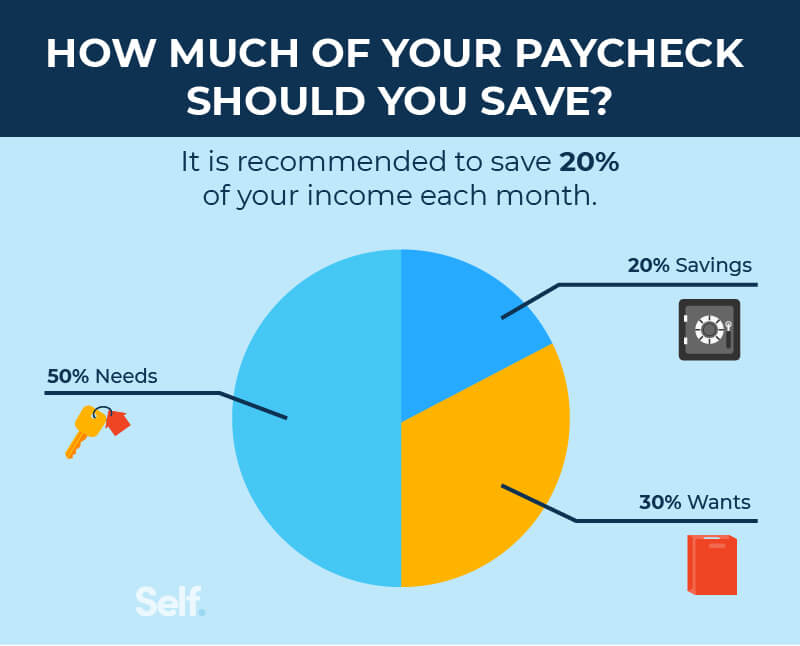
Applying the 50/30/20 Rule to Investing
A popular budgeting guideline, the 50/30/20 rule, provides a straightforward framework for allocating your after-tax income:
- 50% for Needs: Essential living expenses like housing, utilities, groceries, transportation, and minimum debt payments.
- 30% for Wants: Discretionary spending such as dining out, entertainment, hobbies, and travel.
- 20% for Savings and Debt Repayment: This crucial category is where your investment contributions primarily reside, alongside additional debt repayment (beyond minimums).
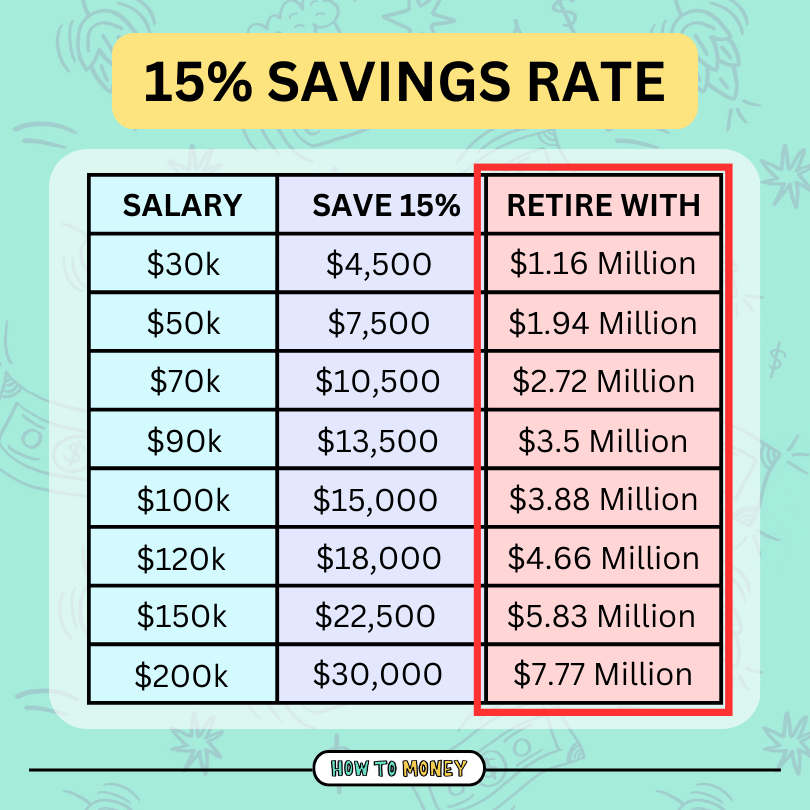
While a rule of thumb, aiming for at least 20% of your income towards savings and investments is an excellent starting point for building substantial wealth over time. For those with ambitious financial goals, increasing this percentage to 25% or even 30% can dramatically accelerate progress.
Leveraging Employer-Sponsored Retirement Plans
If your employer offers a 401(k), 403(b), or similar retirement plan, understanding and maximizing its benefits should be a top priority.
- Employer Match: Many employers offer a matching contribution, effectively providing “free money” for your retirement. Always invest at least enough to capture the full employer match – it’s an immediate, guaranteed return on your investment that you shouldn’t leave on the table.
- Contribution Limits: These plans often have higher annual contribution limits than individual retirement accounts (IRAs), allowing you to defer more taxes and grow your wealth more quickly.
- Tax Advantages: Contributions are typically pre-tax, reducing your taxable income in the present, or Roth contributions, offering tax-free withdrawals in retirement.
Practical Strategies to Optimize Your Monthly Investment
Once you’ve established your foundation and understand the core principles, implement practical strategies to boost your investment capacity.
Crafting a Sustainable Budget and Identifying Savings Opportunities
A budget isn’t a restrictive cage; it’s a financial roadmap. Regularly review your budget to identify areas where you can trim expenses without significantly impacting your quality of life.
- Subscription Audit: Cancel unused subscriptions.
- Dining Habits: Reduce frequency of restaurant meals or takeaways.
- Negotiate Bills: Review insurance policies, internet plans, and other recurring bills for potential savings.
- Mindful Spending: Become more conscious of impulse purchases and differentiate between needs and wants. Every dollar saved from expenses is a dollar that can be invested.
Automating Your Investment Contributions
Automation is the most powerful tool for consistent investing. Set up automatic transfers from your checking account to your investment accounts (401k, IRA, brokerage account) to coincide with your paydays. This removes the temptation to spend the money and ensures your investments happen reliably, month after month, year after year. Automation harnesses the power of consistency and dollar-cost averaging, where you invest a fixed amount regularly, regardless of market fluctuations, which can reduce overall risk and average out your purchase price over time.
The Impact of Debt on Your Investment Capacity
Not all debt is created equal, and its presence significantly impacts how much you should invest.
- High-Interest Debt (Credit Cards, Payday Loans): Prioritize paying off high-interest debt aggressively before significantly investing beyond any employer match. The guaranteed return from eliminating 18-25%+ interest debt far outweighs the potential returns from investments. This is a crucial step towards financial freedom.
- Moderate-Interest Debt (Personal Loans, Car Loans): Once high-interest debt is gone, you can balance investing and paying down moderate-interest debt.
- Low-Interest Debt (Mortgages, Student Loans): For low-interest debt, especially those with tax-deductible interest, you may find it more advantageous to invest a higher amount, as your investment returns could potentially exceed the cost of the debt over the long term. This decision depends on your personal risk tolerance and financial philosophy.
The Compounding Effect and Long-Term Wealth Building
The true magic of consistent investing is revealed through the power of compounding.
Understanding the Magic of Compounding Returns
Compounding is often called the “eighth wonder of the world.” It’s the process where your investments earn returns, and then those returns themselves earn returns. This exponential growth dramatically accelerates your wealth accumulation over time. The earlier you start investing and the more consistently you contribute, the greater the impact of compounding. A small amount invested consistently over decades can grow into a substantial sum, far exceeding the total of your initial contributions. This underscores why even modest monthly investments, started early, can be incredibly powerful.
Adapting Your Investment Strategy Through Life Stages
Your ideal monthly investment amount and strategy are not static; they evolve as you move through different life stages.
- Early Career: Focus on maximizing retirement contributions, taking advantage of higher growth potential with a longer time horizon, and building your emergency fund.
- Mid-Career: As income typically rises, you might increase contributions, diversify your portfolio, and begin saving for mid-term goals like a home or child’s education.
- Late Career/Pre-Retirement: Emphasis often shifts from aggressive growth to capital preservation, reducing risk as retirement approaches. Your monthly investment might be substantial, but the allocation strategy will be more conservative.
Regularly review your financial situation, adjust your budget, and adapt your investment contributions and asset allocation to align with your changing goals and risk profile.
When to Seek Professional Guidance
While this article provides a comprehensive framework, there are times when professional expertise is invaluable.
Navigating Complex Financial Situations
If you have a complex financial situation – perhaps you own a business, have significant assets, are dealing with an inheritance, or are planning for multi-generational wealth transfer – a financial advisor can provide tailored strategies. They can help navigate tax implications, estate planning, and specialized investment vehicles.

The Value of a Financial Advisor
A qualified financial advisor can:
- Help you clarify your goals and develop a personalized financial plan.
- Determine an appropriate asset allocation strategy based on your risk tolerance and time horizon.
- Offer objective advice and keep you accountable to your investment plan.
- Provide expertise on tax-efficient investing strategies.
- Help you stay disciplined during market volatility.
Choosing a fee-only fiduciary advisor ensures they are legally obligated to act in your best financial interest.
In conclusion, determining “how much should I invest per month” is a journey unique to each individual. It demands an honest assessment of your current finances, a clear vision of your aspirations, and a commitment to consistent action. By understanding the principles of budgeting, prioritizing, and leveraging the power of compounding, you can craft an investment plan that propels you towards financial security and ultimately, financial freedom. Start today, stay consistent, and adapt as life unfolds – your future self will thank you.
aViewFromTheCave is a participant in the Amazon Services LLC Associates Program, an affiliate advertising program designed to provide a means for sites to earn advertising fees by advertising and linking to Amazon.com. Amazon, the Amazon logo, AmazonSupply, and the AmazonSupply logo are trademarks of Amazon.com, Inc. or its affiliates. As an Amazon Associate we earn affiliate commissions from qualifying purchases.