
For anyone involved in the world of finance, from seasoned institutional investors to budding individual traders, understanding the operational hours of the US financial markets is not merely a matter of trivia—it’s a fundamental pillar of effective strategy and risk management. The rhythm of the market, dictated by its opening and closing bells, significantly influences everything from liquidity and volatility to the execution of trades and the impact of breaking news. This guide delves deep into the standard trading hours, explores extended sessions, clarifies holiday schedules, and explains why this knowledge is indispensable for navigating the complexities of the financial landscape.
Understanding US Market Operating Hours
The US financial markets, primarily represented by the New York Stock Exchange (NYSE) and the NASDAQ Stock Market, operate within specific windows that dictate when most trading activity occurs. However, the concept of “market open” extends beyond just the standard session, encompassing pre-market and after-hours trading that offer different dynamics.
The Standard Trading Session (NYSE & NASDAQ)
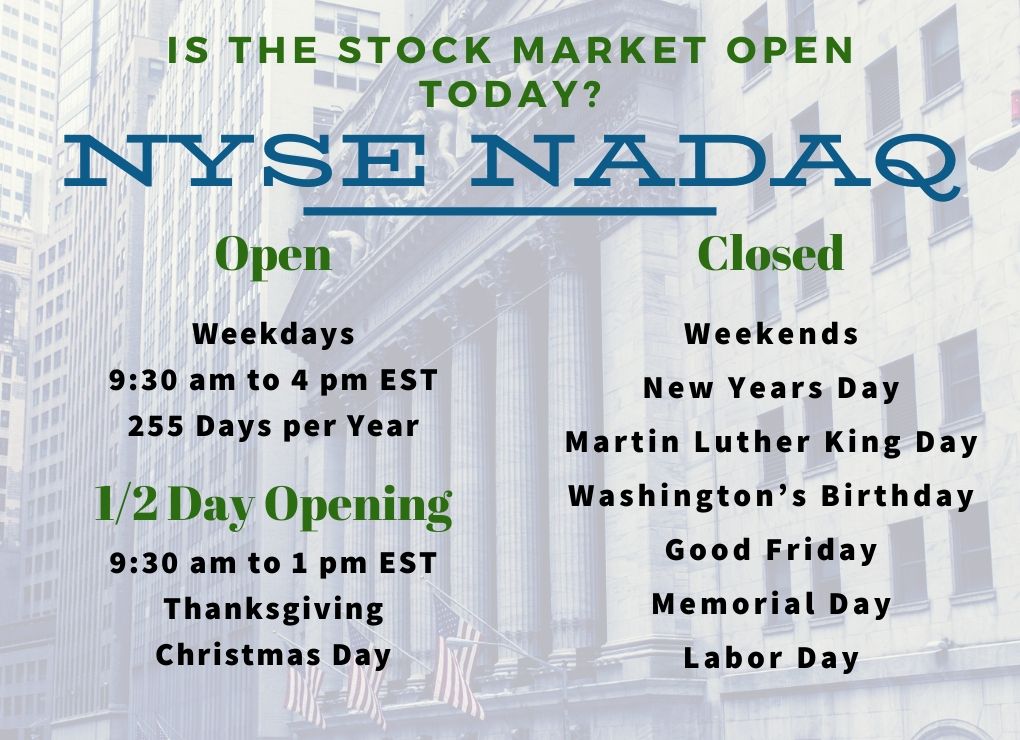
The core of US stock market activity unfolds during the standard trading session. For both the NYSE and NASDAQ, the hours are:
- Opening Bell: 9:30 AM Eastern Time (ET)
- Closing Bell: 4:00 PM Eastern Time (ET)
This 6.5-hour window is when the vast majority of trades are executed, prices are most efficiently discovered, and liquidity is at its peak. The opening moments often see a surge in activity as traders react to overnight news, while the closing moments can also be volatile as participants try to complete trades before the end of the day. It’s crucial for investors to remember that these times are based on Eastern Time, requiring individuals in other time zones to adjust accordingly.
Pre-Market Trading: Early Opportunities and Risks
Before the official opening bell, there’s a period known as pre-market trading. This session allows participants to react to news that breaks overnight or early in the morning, such as earnings reports, economic data, or geopolitical developments, before the regular market opens.
- Typical Hours: Generally from 4:00 AM ET to 9:30 AM ET. Specific times can vary slightly by brokerage firm, with some offering earlier access.
While pre-market trading offers an advantage for those who wish to act on news quickly, it comes with distinct characteristics:
- Lower Liquidity: Fewer participants mean that bid-ask spreads can be wider, and it might be harder to execute large orders without significantly impacting the price.
- Higher Volatility: Due to lower liquidity, prices can be more erratic and subject to larger swings on relatively small trading volumes.
- Limited Access: Not all brokerage firms offer pre-market trading, or they may have specific requirements or limitations.
After-Hours Trading: Post-Close Activity
Just as trading occurs before the market officially opens, it also continues after the closing bell during the after-hours session. This period allows traders to react to news released late in the day, such as post-market earnings announcements or analyst upgrades/downgrades.
- Typical Hours: Generally from 4:00 PM ET to 8:00 PM ET. Similar to pre-market, access and exact times can vary by brokerage.
Similar to pre-market trading, after-hours sessions share the characteristics of lower liquidity and higher volatility compared to the standard session. It’s a realm often favored by professional traders or those with specific strategies to capitalize on immediate post-market reactions to news. For most retail investors, extreme caution is advised if participating in these extended hours.
Weekend and Holiday Closures: Planning Ahead
The US stock market observes federal holidays, during which it remains closed. This includes holidays such as New Year’s Day, Martin Luther Luther King, Jr. Day, Presidents’ Day, Good Friday, Memorial Day, Juneteenth National Independence Day, Independence Day, Labor Day, Thanksgiving Day, and Christmas Day. Occasionally, if a holiday falls on a weekend, the market may observe it on the preceding Friday or following Monday.
It’s also important to note that the market may close early on certain days, such as the day after Thanksgiving (Black Friday) or Christmas Eve, typically closing at 1:00 PM ET. A detailed market holiday calendar is published annually by the exchanges and is readily available through brokerage platforms and financial news websites. Awareness of these closures is crucial for planning trades, managing portfolios, and avoiding unexpected delays in transactions.
Why Market Hours Matter to Investors
Beyond simply knowing when you can buy or sell, understanding market hours is integral to developing effective trading strategies, managing risk, and interpreting market movements.
Volatility and Liquidity Dynamics
Market hours directly correlate with liquidity and volatility. The standard session is characterized by the highest liquidity (meaning assets can be bought or sold easily without significant price impact) and typically moderate volatility, although major news can always spike it. Pre-market and after-hours sessions, due to fewer participants, exhibit significantly lower liquidity and correspondingly higher volatility. This means that prices can move drastically on small volumes, presenting both opportunities for swift profits and increased risk of substantial losses, especially for those unfamiliar with these dynamics.
Impact on Trading Strategies
Different investment strategies are inherently tied to market hours:
- Day Trading: Relies exclusively on the standard session, aiming to open and close positions within a single day to profit from intraday price movements. Knowledge of the precise open and close is paramount.
- Swing Trading: Holds positions for a few days or weeks. While not strictly bound to intraday hours, swing traders need to be aware of how overnight news can impact their positions at the open.
- Long-Term Investing: For investors with horizons of months or years, the exact market open time is less critical for daily decisions, but understanding trading halts or extended closures due to market holidays is still necessary for planning contributions or withdrawals.
- Event-Driven Trading: Traders specializing in reacting to earnings reports or economic data releases must be acutely aware of when these announcements are made, which often fall outside standard hours, making pre-market or after-hours trading relevant.
Global Market Interconnections and Time Zones
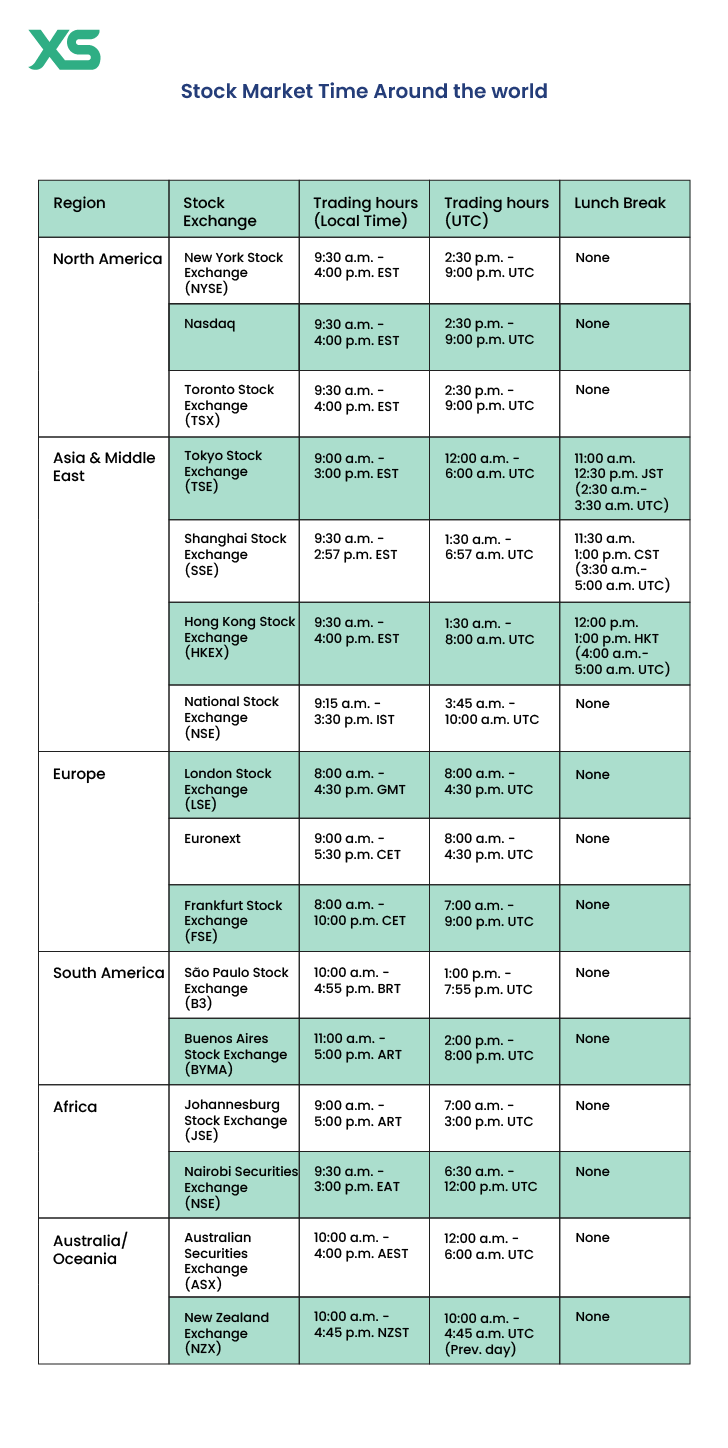
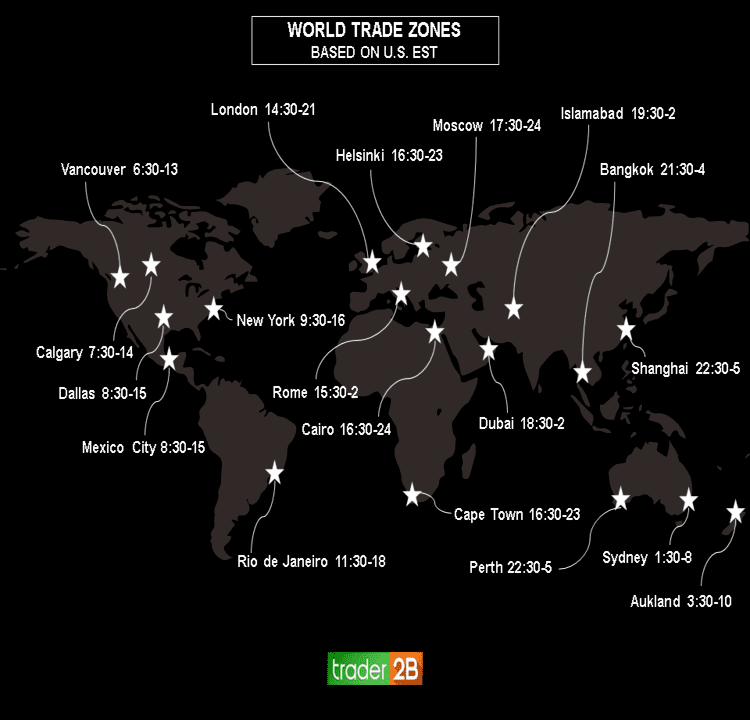
The US market does not operate in a vacuum. It is deeply interconnected with global markets, which are open at different times due to varying time zones. For instance, European markets are often well into their trading day when the US market opens, and their closing can coincide with US market activity. Asian markets open hours after the US closes. This continuous cycle means that news and price movements in one region can influence the opening of another. Investors with global portfolios or an interest in international events must factor in these overlapping and sequential trading hours to anticipate market sentiment and react to global developments.
Economic Data Releases and Their Timing
Many critical economic reports—such as inflation data (CPI), employment figures (Non-Farm Payrolls), and central bank announcements (FOMC meetings)—are released either before the market open (e.g., 8:30 AM ET) or during the standard session. The timing of these releases is meticulously planned, as they can trigger immediate and significant market reactions. Traders who plan to capitalize on or mitigate the risks from these events must know precisely when the data will be released and how quickly they can act once the market is open for trading.
Navigating Different Asset Classes and Their Hours
While stocks dominate the discussion of US market hours, it’s essential to recognize that other asset classes operate on different schedules, some extending far beyond the typical 9:30 AM to 4:00 PM ET window.
Equities (Stocks)
As discussed, major US stock exchanges (NYSE, NASDAQ) follow the 9:30 AM – 4:00 PM ET standard, with extended pre-market and after-hours sessions typically from 4:00 AM – 9:30 AM ET and 4:00 PM – 8:00 PM ET respectively. These are the hours most commonly referred to when discussing “the market.”
Options and Futures
Options and futures contracts, which are derivatives based on underlying assets like stocks, commodities, or indices, often have extended trading hours compared to the underlying equities.
- Options: Generally trade during the standard stock market hours, but some options on ETFs or indices may have slightly earlier or later close times. Certain “weekly” options expire intraday.
- Futures: Are known for their near 24-hour trading capability, particularly for major indices (like E-mini S&P 500 futures) and commodities (oil, gold). For example, CME Group futures typically trade from Sunday evening (6:00 PM ET) through Friday afternoon (5:00 PM ET) with a brief daily halt. This extended access allows for continuous price discovery and hedging across global time zones.
Bonds (Fixed Income)
The US bond market, encompassing Treasury bonds, municipal bonds, and corporate bonds, operates on a slightly different schedule.
- Typical Hours: 8:00 AM ET to 5:00 PM ET for most over-the-counter (OTC) trading.
- Electronic Trading Platforms: Some electronic trading platforms for bonds may offer extended hours, but the highest liquidity occurs during the core hours when institutional investors are active. Bond markets often close earlier on days preceding a market holiday.
Foreign Exchange (Forex): A 24/5 Market
The foreign exchange market is the largest and most liquid financial market in the world, operating continuously for nearly 24 hours a day, five days a week. It opens on Sunday evening (around 5:00 PM ET with the Sydney/Wellington session) and closes on Friday afternoon (around 5:00 PM ET with the New York session). This continuous operation is due to the sequential opening and closing of major financial centers around the globe (Sydney, Tokyo, London, New York). There are no “market open” or “market close” bells in the traditional sense, though specific trading sessions (e.g., London session, New York session) are recognized for higher liquidity and volatility.
Cryptocurrencies: The 24/7 Digital Frontier
Cryptocurrency markets, such as Bitcoin and Ethereum, are unique in that they operate 24 hours a day, 7 days a week, 365 days a year. There are no official opening or closing times, nor are there holiday closures. This continuous availability is a defining characteristic of decentralized digital assets and offers constant trading opportunities, though it also means constant exposure to price movements without traditional breaks for analysis.
Tools and Resources for Tracking Market Openings
In today’s fast-paced financial world, staying informed about market hours and related events is easier than ever, thanks to a plethora of digital tools and resources.
Financial News Outlets and Websites
Major financial news providers like Bloomberg, Reuters, The Wall Street Journal, CNBC, and Yahoo Finance are indispensable. They prominently display current market status (open/closed), provide real-time quotes, and publish detailed market calendars, including holiday schedules and early closures. Many offer news feeds and alerts specific to market hours.
Brokerage Platforms and Apps
Virtually all modern online brokerage platforms and their associated mobile apps offer clear indicators of market status. They typically display countdowns to market open or close, inform users about extended trading availability, and highlight any upcoming holiday closures directly within the trading interface. This integration ensures traders have immediate access to this critical information where they need it most.
Market Calendars and Alerts
Specialized market calendars, often integrated into financial websites or available as standalone apps, provide a comprehensive view of global market hours, holiday schedules, and key economic data release times. Many offer customizable alerts that can notify you moments before market open, close, or specific news events, ensuring you never miss a beat.
Time Zone Converters
Given the global nature of finance, a reliable time zone converter is a simple yet powerful tool. For investors outside the Eastern Time zone, or those monitoring international markets, quickly converting ET to their local time is crucial for accurate planning and trade execution. Many financial platforms offer this conversion automatically, but independent tools are also widely available.
Best Practices for Trading Around Market Open/Close
The periods immediately following the opening bell and preceding the closing bell are often characterized by heightened activity and volatility. Savvy investors employ specific strategies and risk management techniques during these times.
Risk Management at Volatile Times
The first 15-30 minutes after market open and the last 15-30 minutes before close are often the most volatile. Prices can swing dramatically, and unexpected moves are common. It’s crucial to:
- Use Stop-Loss Orders: These automatically sell your position if it drops to a certain price, limiting potential losses.
- Trade Smaller Position Sizes: Reducing the capital at risk during high-volatility periods can protect against large drawdowns.
- Avoid Emotional Decisions: The rapid pace can lead to impulsive actions. Stick to your predefined trading plan.
Importance of Pre-Market Research
Never go into the market open blind. Use the pre-market hours (even if you’re not trading) to:
- Review Overnight News: Assess global market movements, breaking news, and company-specific announcements.
- Check Earnings Reports: See which companies reported after close or before open and their market reaction.
- Analyze Economic Data: Understand the implications of any economic data released prior to the open.
- Formulate a Game Plan: Decide which stocks to watch, potential entry/exit points, and your overall strategy for the day.
Setting Limit Orders vs. Market Orders
During periods of high volatility, the type of order you place becomes particularly important:
- Market Orders: Instruct your broker to buy or sell immediately at the best available price. While fast, in a volatile market, the executed price can be significantly different (worse) than what you saw moments before, leading to “slippage.”
- Limit Orders: Instruct your broker to buy or sell only at a specific price or better. This provides price protection but carries the risk that your order may not be filled if the market doesn’t reach your specified price. For volatile open/close periods, limit orders are generally safer for most retail investors.
Emotional Discipline and Avoiding FOMO
The frenetic pace around market open and close can trigger fear of missing out (FOMO) or panic. It’s vital to:
- Stick to Your Plan: Resist the urge to chase rapid price movements.
- Understand Your Risk Tolerance: Don’t take on more risk than you’re comfortable with.
- Take Breaks: If the volatility becomes overwhelming, step away from the screen. Emotional trading rarely leads to consistent profits.
Conclusion
Understanding “when does the US market open” is far more than knowing a simple time slot; it’s about comprehending the intricate dynamics of liquidity, volatility, and strategy that define these crucial periods. From the standard trading session to the nuances of pre-market, after-hours, and holiday closures, each aspect plays a vital role in an investor’s decision-making process. By leveraging available tools, adhering to sound risk management principles, and maintaining emotional discipline, investors can confidently navigate the US financial markets, transforming mere knowledge of operating hours into a powerful component of their overall investment success.
aViewFromTheCave is a participant in the Amazon Services LLC Associates Program, an affiliate advertising program designed to provide a means for sites to earn advertising fees by advertising and linking to Amazon.com. Amazon, the Amazon logo, AmazonSupply, and the AmazonSupply logo are trademarks of Amazon.com, Inc. or its affiliates. As an Amazon Associate we earn affiliate commissions from qualifying purchases.