
For investors and traders operating from the Western United States or any region observing Pacific Standard Time (PST), understanding the precise closing time of the major U.S. stock markets is not merely a matter of curiosity—it’s a critical component of their financial strategy. While market hours are often quoted in Eastern Time (ET), translating these to one’s local time zone is essential for timely decision-making, order placement, and risk management. This guide will meticulously break down the standard stock market closing times, convert them to PST, and explore the nuances of extended-hours trading, market holidays, and practical implications for West Coast participants in the dynamic world of finance.
Understanding Standard Stock Market Hours
The backbone of U.S. equity trading lies with two primary exchanges: the New York Stock Exchange (NYSE) and the Nasdaq Stock Market. Both adhere to a standardized trading schedule that dictates when buying and selling of publicly traded securities can occur during regular market hours. This schedule forms the foundation upon which all other market activities are built, and understanding its default parameters is the first step toward mastering your trading day, regardless of your geographic location.
The Core Trading Day: Eastern Time Zone Perspective
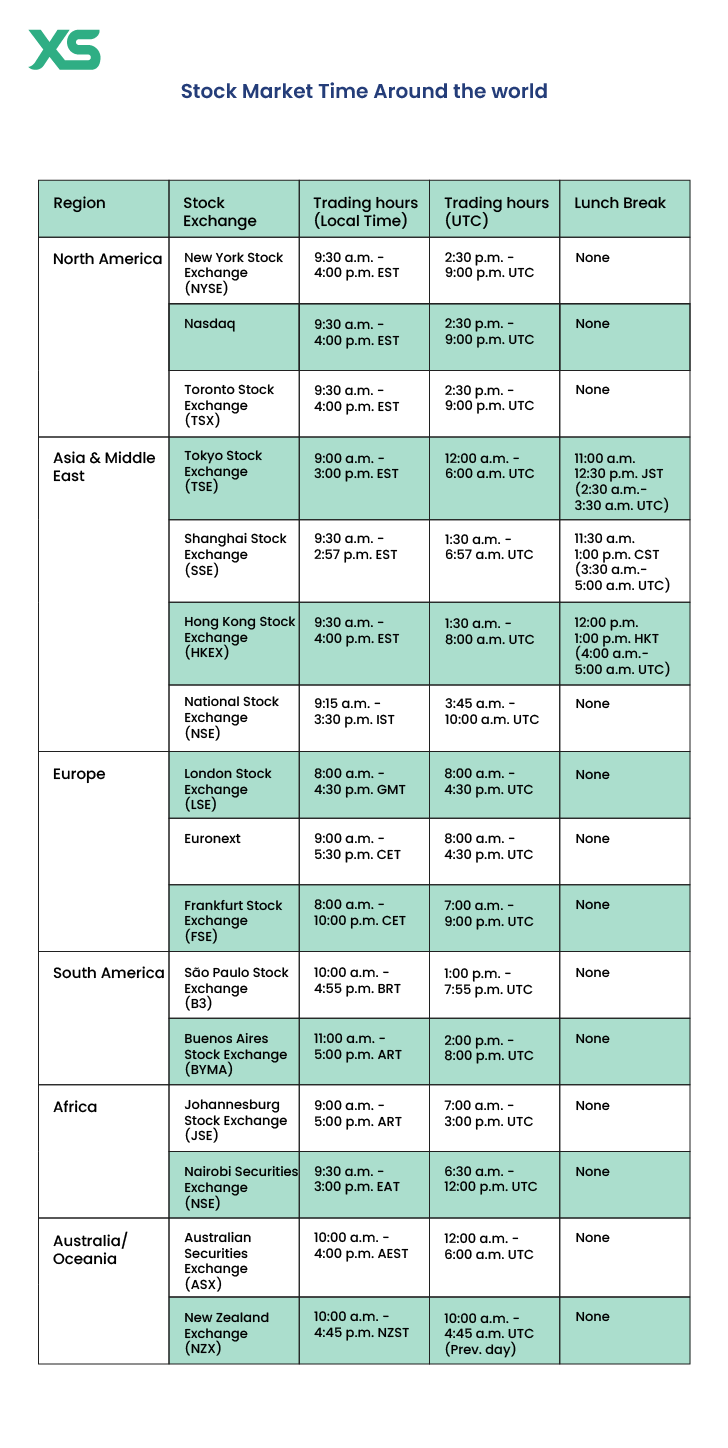
The regular trading session for both the NYSE and Nasdaq officially begins at 9:30 AM Eastern Time (ET) and concludes at 4:00 PM ET, Monday through Friday. This seven-and-a-half-hour window is when the vast majority of trading volume occurs, characterized by high liquidity and typically tighter bid-ask spreads. It’s during these hours that major market news often breaks, economic data is released, and company earnings calls frequently take place, leading to concentrated periods of activity and price discovery. Investors worldwide, therefore, calibrate their operations around this Eastern Time schedule, which serves as the universal reference point for global financial markets interacting with the U.S. equities space. The consistency of these hours, barring holidays or exceptional circumstances, provides a predictable framework for market participants.
Converting to Pacific Standard Time (PST)
For those on the West Coast, operating under Pacific Standard Time, a straightforward conversion is necessary. PST is three hours behind ET. Therefore, to determine the market open and close in PST, you simply subtract three hours from the Eastern Time schedule.
- Market Open (ET): 9:30 AM
- Market Open (PST): 9:30 AM ET – 3 hours = 6:30 AM PST
- Market Close (ET): 4:00 PM
- Market Close (PST): 4:00 PM ET – 3 hours = 1:00 PM PST
This means that for individuals in California, Oregon, Washington, Nevada, and parts of Idaho, the U.S. stock market opens bright and early at 6:30 AM PST and concludes its regular trading activities by 1:00 PM PST. This early close significantly impacts the workday for West Coast financial professionals, requiring them to front-load their analysis and decision-making to align with the market’s active hours.
Major U.S. Exchanges: NYSE and Nasdaq
While the U.S. boasts several smaller exchanges, the New York Stock Exchange and the Nasdaq Stock Market are the two titans that dictate the rhythm of the stock market. The NYSE, known for its iconic trading floor and listing of traditional blue-chip companies, and Nasdaq, a fully electronic exchange favored by technology and growth companies, both adhere to the 9:30 AM to 4:00 PM ET (6:30 AM to 1:00 PM PST) schedule. This uniformity simplifies the investor’s task, as they don’t need to track different regular hours for various listed securities. Understanding that these two powerhouse exchanges operate on the same time frame ensures a consistent approach to managing portfolios that often span stocks listed on both platforms.
The Significance of PST in Trading
The seemingly simple act of converting market hours to PST carries profound implications for West Coast traders and investors. It shapes their daily routine, influences their strategic decisions, and connects them to a broader ecosystem of financial information and global events. Ignoring the time zone difference can lead to missed opportunities, poor execution, and an inability to react effectively to real-time market movements.
Geographic Dispersion of Traders and Investors
The U.S. financial landscape is not confined to Wall Street. Traders, institutional investors, and individual participants are spread across the entire country, from the East Coast to the West Coast and beyond. For those operating in the PST zone, the market’s early opening at 6:30 AM PST means their trading day often begins before many other businesses. Conversely, the 1:00 PM PST closing time requires them to consolidate their core market activities into a condensed morning window. This geographic dispersion creates a dynamic where different regions experience peak market activity at different local times, demanding an adaptive approach from participants to stay synchronized with the flow of capital.
Adapting Trading Strategies to Local Time Zones
The 6:30 AM to 1:00 PM PST window isn’t just a time slot; it’s a strategic constraint and opportunity. Day traders on the West Coast, for instance, must be ready to execute strategies almost immediately upon waking, potentially before their first cup of coffee. The market’s opening hour is often characterized by significant volatility and high volume, driven by overnight news and pre-market activity, making the PST morning hours crucial for capturing initial moves. Swing traders and long-term investors also need to be mindful of this schedule for placing limit orders, checking portfolio performance, and reacting to news that might break during their local afternoon, after the market has already closed. Adapting one’s trading strategy involves not only what to trade but also when to trade it relative to their own local rhythm and energy levels.
Real-Time Information Flow for West Coast Investors
Information is currency in the stock market. Economic reports, company announcements, political developments, and global news all influence market sentiment and stock prices. Many of these pivotal information releases are scheduled to coincide with or precede the market open in ET. For PST investors, this means that by the time their market opens at 6:30 AM, a considerable amount of information may have already been released and potentially priced into the pre-market. Conversely, news breaking in the PST afternoon (after 1:00 PM) will not immediately impact the market until the next trading day’s open. Therefore, West Coast investors must cultivate efficient systems for consuming financial news early in their local day and leverage after-hours trading, if desired, to react to information that emerges post-regular market close. This real-time information flow requires vigilance and proactive engagement to maintain a competitive edge.
Beyond Standard Hours: Pre-Market and After-Hours Trading
While the regular 6:30 AM to 1:00 PM PST window defines the core trading day, the market’s activity doesn’t simply cease outside these hours. Extended-hours trading sessions—pre-market and after-hours—offer opportunities for investors to react to news, earnings reports, or global events that occur outside the standard window. For PST traders, these extended sessions further stretch the boundaries of their “trading day,” providing both flexibility and unique challenges.
What is Extended-Hours Trading?
Extended-hours trading refers to the periods before the official market open (pre-market) and after the official market close (after-hours). These sessions are facilitated by electronic communication networks (ECNs) rather than traditional exchange floors. While they allow for greater flexibility, they typically involve lower liquidity, wider bid-ask spreads, and increased volatility compared to regular hours. This means orders may take longer to fill, prices might be less favorable, and large price swings can occur on relatively small volumes. Investors participating in these sessions must use limit orders to specify the maximum or minimum price they are willing to accept, mitigating the risk of unexpected price execution.

Pre-Market Trading PST Schedule
Pre-market trading typically commences around 4:00 AM ET. Converting this to PST means that pre-market activity begins as early as 1:00 AM PST. This session runs until the regular market open at 6:30 AM PST. For West Coast traders, this early start allows them to react to overnight news from Asia and Europe, significant economic data released early in the ET morning, or company announcements that precede the U.S. market open. While few individual traders are actively engaged at 1:00 AM PST, institutional players and highly dedicated day traders might monitor or participate in these very early hours to gauge market sentiment and position themselves strategically before the mainstream volume kicks in.
After-Hours Trading PST Schedule
After-hours trading typically runs from the regular market close at 4:00 PM ET until 8:00 PM ET. In PST, this translates to a session from 1:00 PM PST until 5:00 PM PST. This period is particularly important for reacting to company earnings reports, which are often released immediately after the market closes, or to breaking news that emerges in the late afternoon. For West Coast investors, this allows for several hours post-regular market close to process new information and adjust their positions without waiting until the next trading day. However, similar to pre-market, liquidity can be thin, and prices can be volatile, requiring careful consideration and risk management.
Risks and Opportunities in Extended Sessions
Participating in extended-hours trading comes with a distinct set of risks and opportunities. The primary risks include:
- Lower Liquidity: Fewer participants mean it can be harder to buy or sell shares at desired prices.
- Wider Spreads: The difference between the buy (bid) and sell (ask) price can be significantly larger.
- Increased Volatility: Prices can fluctuate wildly on low volume, leading to unexpected losses.
- Price Discrepancies: Prices during extended hours may not accurately reflect where the stock will open the next day.
The opportunities, however, include: - Immediate Reaction to News: Ability to buy or sell immediately after news breaks, potentially before the broader market reacts.
- Flexibility: Allows traders to manage positions outside regular business hours.
- Capitalizing on Price Gaps: Profiting from significant price movements caused by after-hours news that create “gaps” at the next open.
For PST traders, leveraging these sessions requires a deep understanding of their dynamics and a robust risk management strategy, often employing limit orders exclusively.
Factors Influencing Market Hours and Closures
While the 9:30 AM – 4:00 PM ET (6:30 AM – 1:00 PM PST) schedule is the norm, the stock market’s operating hours are not entirely immutable. Several factors can alter this routine, leading to full-day closures or abbreviated trading sessions. Being aware of these exceptions is crucial for all investors, particularly those needing to adjust their financial activities around a three-hour time difference.
Market Holidays and Early Closures
The U.S. stock market observes several federal holidays, during which it remains completely closed. These typically include New Year’s Day, Martin Luther King, Jr. Day, Presidents’ Day, Good Friday, Memorial Day, Juneteenth, Independence Day, Labor Day, Thanksgiving Day, and Christmas Day. On these days, there is no regular or extended-hours trading.
Additionally, the market sometimes has early closures, notably on the day before Independence Day (if it falls on a weekday) and on Black Friday (the day after Thanksgiving). On these early closure days, the market typically closes at 1:00 PM ET, which means it would close at 10:00 AM PST. These abbreviated sessions require traders to be even more vigilant about their timelines, as the trading window for the day is significantly shortened. Major exchanges publish calendars of market holidays and early closures well in advance, making it easy for investors to plan.
Impact of Daylight Saving Time (DST) on PST Conversion
Daylight Saving Time introduces a temporary wrinkle into the time zone conversion. Twice a year, the U.S. shifts its clocks. In the spring, clocks “spring forward” one hour, and in the fall, they “fall back” one hour.
- Spring Forward (March): When ET (and other time zones) shifts to Eastern Daylight Time (EDT), the time difference between EDT and PST remains three hours. However, if PST itself is not observing DST and remains PST while other areas shift, the difference might temporarily change, but in practice, both Pacific and Eastern regions typically adjust, maintaining the 3-hour difference between PDT (Pacific Daylight Time) and EDT. So, 9:30 AM EDT becomes 6:30 AM PDT, and 4:00 PM EDT becomes 1:00 PM PDT. The key is that the numerical offset usually remains consistent between the respective “Daylight Time” versions.
- Fall Back (November): Similarly, when ET reverts to standard time (EST), and PST reverts to standard time (PST), the 3-hour difference is maintained.
The important takeaway is that investors need to be aware of the DST changes, but typically the 3-hour offset between the Eastern and Pacific time zones remains constant, simplifying the conversion for market hours. Always double-check your local time and the market’s specific announcement around these transition periods.
Unforeseen Market Disruptions
While rare, unforeseen events can also lead to temporary market closures or adjustments to trading hours. These might include natural disasters (like major hurricanes impacting the East Coast), significant technical glitches, or national emergencies. In such scenarios, regulatory bodies like the SEC, in coordination with the exchanges, would make announcements regarding market status. While infrequent, these events underscore the importance of staying connected to official market news channels for real-Coast traders must be especially diligent, as such announcements might come at what would be late evening or early morning for them.
Practical Implications for Investors and Traders
For investors and traders operating in the Pacific Standard Time zone, the 6:30 AM to 1:00 PM PST trading window necessitates a disciplined approach to their financial activities. Understanding these hours and their implications is not just about avoiding missed trades; it’s about optimizing strategy, managing risk, and maintaining a healthy work-life balance within the demanding rhythm of the financial markets.
Planning Your Trading Day on the West Coast
The early start and early close for West Coast traders mean that the core trading day is condensed. Effective planning becomes paramount:
- Morning Preparation: Your trading day often begins before 6:30 AM PST. This pre-market period is crucial for reviewing overnight news, checking futures markets, analyzing pre-market movers, and finalizing your trading plan for the day.
- Intense Morning Focus: The period from 6:30 AM to approximately 9:00 AM PST often sees the highest volatility and volume. This is when many day traders are most active, seeking to capitalize on initial market movements.
- Afternoon Wind-Down: By 1:00 PM PST, the market closes. This allows West Coast traders to spend their local afternoon conducting post-market analysis, reviewing trades, planning for the next day, or engaging in other professional or personal activities. This structure offers a distinct advantage over East Coast traders who might be working until 4:00 PM ET.
This planned approach helps ensure that critical decisions are made during peak market hours and allows for thoughtful post-market reflection.
Leveraging Technology for Time Zone Management
Modern trading platforms and financial tools are indispensable for managing time zone differences.
- Customizable Clocks and Calendars: Many trading platforms offer customizable clocks that can display multiple time zones, allowing you to track both ET and PST simultaneously. Similarly, financial news calendars often allow you to convert event times to your local time.
- Alerts and Notifications: Set up alerts for key events (e.g., economic data releases, earnings calls) that are automatically converted to PST. Price alerts for specific stocks can notify you during extended hours, even if you’re not actively watching the screen.
- Automated Trading and Order Types: For those who cannot be glued to the screen during market hours, particularly in the early PST morning, advanced order types (like stop-loss, take-profit, and limit orders) can execute trades automatically based on pre-defined conditions. Some sophisticated traders also utilize algorithmic trading solutions that operate irrespective of human time zone constraints. Leveraging these technological solutions ensures that you remain connected to the market without constant manual oversight.

Staying Informed: News and Market Data Feeds
Maintaining a continuous flow of relevant information is non-negotiable for success in the markets. For PST investors, this means being particularly proactive in their information consumption:
- Early Morning Briefings: Subscribe to financial news services that provide early morning market briefings covering overnight developments and pre-market analysis.
- Real-Time Data Feeds: Ensure your trading platform provides real-time market data, including quotes and news headlines, to react instantly during your trading window.
- Global Market Awareness: Understand that news from Asian and European markets, which may break during your local evening or overnight, can significantly influence the U.S. market open. Incorporate global market summaries into your morning routine.
By prioritizing swift and comprehensive information gathering, West Coast investors can mitigate the inherent time lag and make informed decisions aligned with the market’s evolving narrative.
Understanding when the stock market closes PST—at 1:00 PM PST—is more than a trivial time conversion. It’s a foundational piece of knowledge that influences the entire trading and investing paradigm for those on the West Coast. From structuring one’s daily routine to adapting trading strategies, leveraging technology, and staying constantly informed, the PST time zone demands a specific, disciplined approach. By meticulously planning around the condensed trading window, recognizing the opportunities and risks of extended hours, and staying abreast of market-altering factors, West Coast financial participants can navigate the U.S. stock market effectively and capitalize on its vast potential.
aViewFromTheCave is a participant in the Amazon Services LLC Associates Program, an affiliate advertising program designed to provide a means for sites to earn advertising fees by advertising and linking to Amazon.com. Amazon, the Amazon logo, AmazonSupply, and the AmazonSupply logo are trademarks of Amazon.com, Inc. or its affiliates. As an Amazon Associate we earn affiliate commissions from qualifying purchases.