
Understanding when financial markets open is far more than a simple matter of curiosity; it is a fundamental pillar of strategic investing, risk management, and capitalizing on global opportunities. For anyone involved in personal finance, investing, or even managing business finances, knowing the precise operating hours of various exchanges worldwide is crucial. These schedules dictate everything from liquidity and volatility to the timing of news releases and the execution of trading strategies. From the synchronous bell ringing to signal the start of trading on major stock exchanges to the perpetual churn of the foreign exchange and cryptocurrency markets, each operates on a unique cadence that savvy investors must master. This guide delves into the intricate world of market opening hours, providing a comprehensive overview to help you navigate the global financial landscape with greater insight and precision.
The Rationale Behind Market Operating Hours
The concept of defined trading hours for financial markets is not arbitrary; it’s a meticulously structured system designed to ensure fairness, efficiency, and stability. These hours are influenced by a complex interplay of historical precedents, regulatory requirements, technological capabilities, and the practicalities of global commerce.
Facilitating Orderly Trading and Price Discovery
Fixed market hours play a vital role in preventing erratic, 24/7 trading that could lead to extreme volatility and difficulty in price discovery. By concentrating trading activity within specific windows, markets achieve greater liquidity, meaning there are always enough buyers and sellers to facilitate transactions efficiently. This concentration helps in the accurate and fair valuation of assets, as all market participants are simultaneously absorbing and reacting to new information. The opening and closing “bells” create distinct periods where information is assimilated, leading to more rational and less fragmented pricing.
Regulatory Oversight and Settlement Processes
Regulatory bodies worldwide, such as the SEC in the U.S. or the FCA in the UK, define and enforce market operating hours. This oversight is critical for investor protection, ensuring fair practices, and preventing market manipulation. Furthermore, fixed hours align with the practicalities of trade settlement. Even in today’s digital age, the clearing and settlement of trades often require a defined period to ensure that assets are correctly transferred and payments are made, adhering to standardized T+2 (trade date plus two business days) or T+1 cycles in many markets. Continuous trading without breaks would complicate these essential back-office functions.
Global Time Zones and Connectivity
The global nature of finance means that markets are staggered across various time zones. As one major financial hub closes, another is preparing to open, creating a continuous, albeit sequential, flow of trading activity around the clock. This staggered opening allows for a degree of connectivity, where events in one market can influence the sentiment and pricing in another as it opens. For instance, the closing performance of Asian markets can set the tone for European openings, which in turn influences North American markets. This global relay ensures that liquidity and price action are constantly in motion somewhere across the world.
A Closer Look at Major Global Stock Exchanges
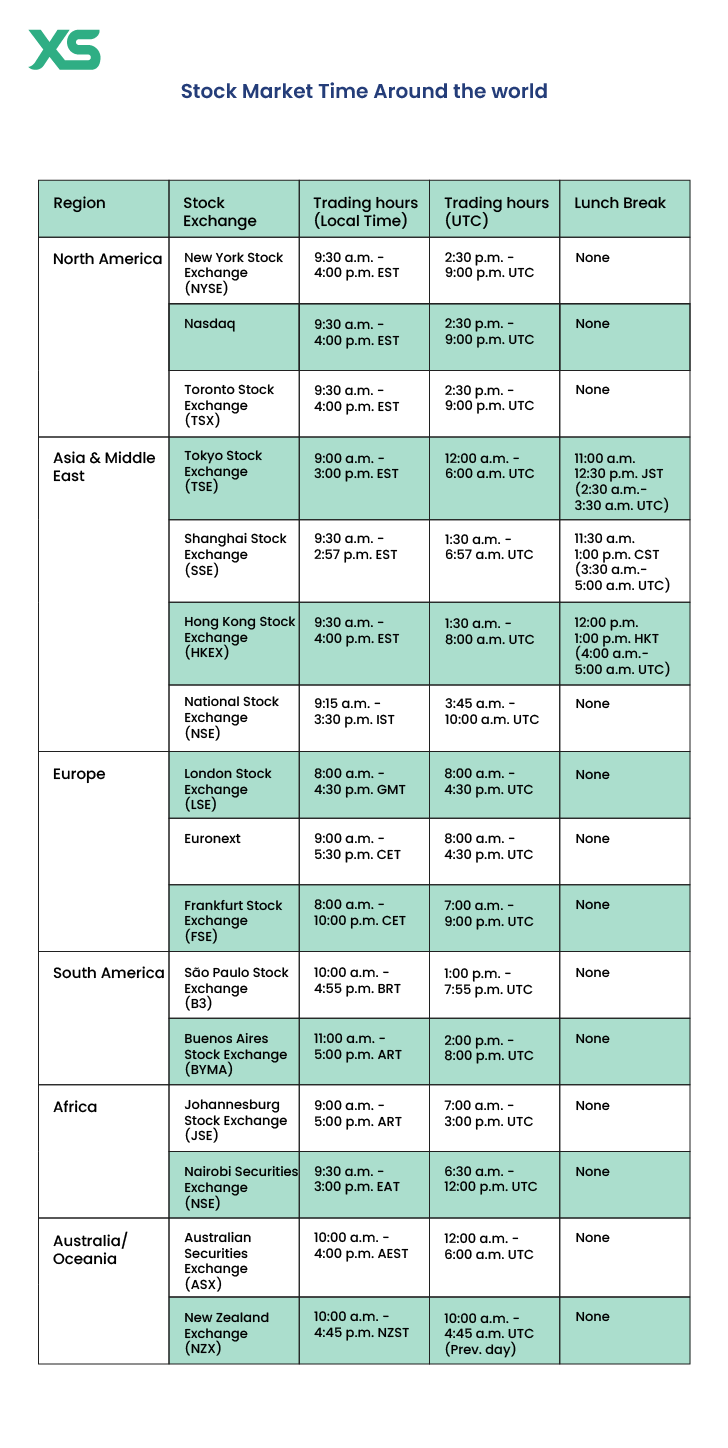
Stock exchanges, perhaps the most recognizable financial markets, operate under strictly defined schedules, typically Monday to Friday, excluding public holidays. While specific times vary, a general pattern emerges across the globe.
North American Markets (NYSE, NASDAQ)
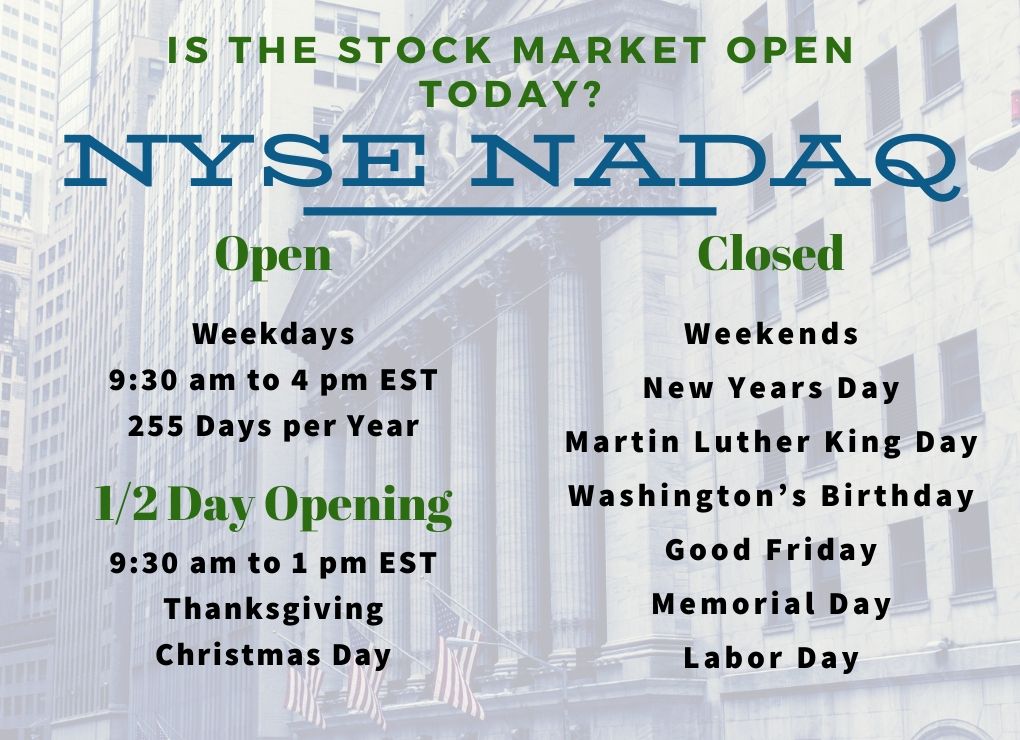
The New York Stock Exchange (NYSE) and the NASDAQ are arguably the most influential stock exchanges globally. Both operate on a standard schedule:
- Opening Bell: 9:30 AM Eastern Time (ET)
- Closing Bell: 4:00 PM Eastern Time (ET)
Beyond these core hours, both exchanges also facilitate pre-market trading (typically 4:00 AM – 9:30 AM ET) and after-hours trading (typically 4:00 PM – 8:00 PM ET). While offering extended opportunities, these sessions often have lower liquidity and higher volatility, making them riskier for retail investors.
European Markets (LSE, Euronext, Xetra)
Europe’s financial centers kick off their trading day several hours before their North American counterparts, leading to an overlap that creates significant global liquidity.
- London Stock Exchange (LSE): 8:00 AM – 4:30 PM Greenwich Mean Time (GMT) or British Summer Time (BST).
- Euronext (Paris, Amsterdam, Brussels, Lisbon): Generally 9:00 AM – 5:30 PM Central European Time (CET).
- Xetra (Frankfurt Stock Exchange): 9:00 AM – 5:30 PM CET.
The overlap between European and North American markets is a particularly active period for global trading, often referred to as the “London-New York overlap.”
Asian Markets (TSE, HKEX, SSE)
Asia’s financial markets are the first to open the trading week, significantly influencing global sentiment. Their hours often involve a mid-day lunch break.
- Tokyo Stock Exchange (TSE): 9:00 AM – 11:30 AM and 12:30 PM – 3:00 PM Japan Standard Time (JST).
- Hong Kong Stock Exchange (HKEX): 9:30 AM – 12:00 PM and 1:00 PM – 4:00 PM Hong Kong Time (HKT).
- Shanghai Stock Exchange (SSE): 9:30 AM – 11:30 AM and 1:00 PM – 3:00 PM China Standard Time (CST).
These markets set the initial tone for the global trading day, with their performance often impacting how European and North American investors approach their own market openings.
Other Key Markets (ASX, B3, etc.)
While the above represent major global hubs, many other significant exchanges contribute to the global financial tapestry:
- Australian Securities Exchange (ASX): 10:00 AM – 4:00 PM Australian Eastern Standard Time (AEST).
- B3 (Brazil Stock Exchange): 10:00 AM – 5:00 PM Brasília Time (BRT), with extended hours for some derivatives.
Each market plays a unique role, and understanding their hours is crucial for investors with globally diversified portfolios or specific regional interests.
Understanding Forex, Crypto, and Commodity Markets
Not all financial markets adhere to the traditional Monday-to-Friday, fixed-hour model of stock exchanges. Foreign exchange, cryptocurrencies, and many commodity markets operate on different schedules, presenting unique opportunities and challenges.
Forex Market: The 24/5 Global Giant
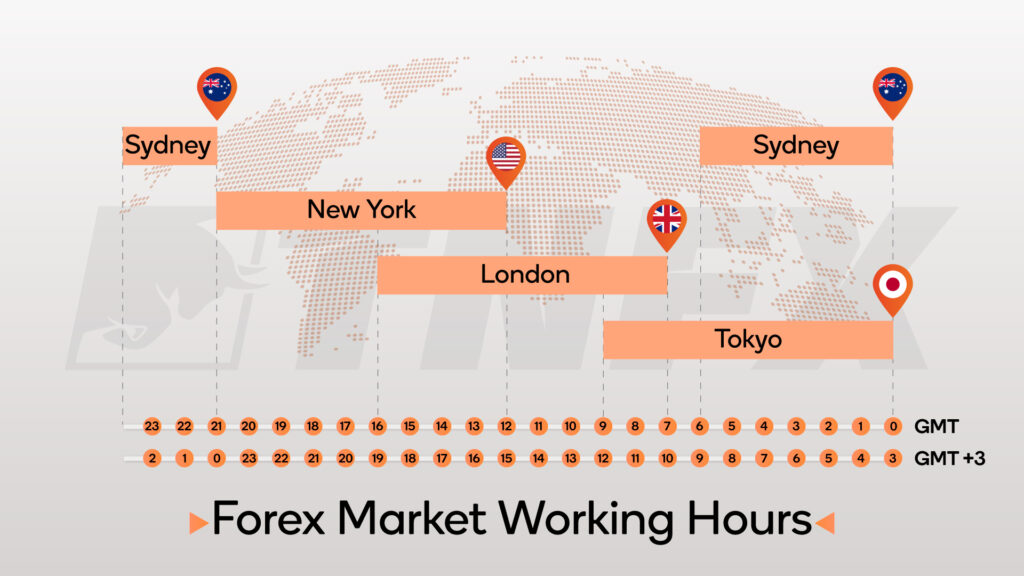
The foreign exchange (forex) market is unique in its near-continuous operation. It runs 24 hours a day, five days a week, starting Sunday evening (ET) and closing Friday afternoon (ET). This round-the-clock nature is possible because it’s an over-the-counter (OTC) market, not centralized on a single exchange. Instead, it’s a network of banks, financial institutions, and individual traders across the globe.
The 24/5 schedule is characterized by the overlapping of four major trading sessions:
- Sydney Session: Opens first (e.g., 5:00 PM ET Sunday).
- Tokyo Session: Follows Sydney, overlapping.
- London Session: Overlaps with Tokyo and New York, often the busiest.
- New York Session: The last to open, overlapping with London and closing out the week.
The highest liquidity and volatility often occur when these major sessions overlap, particularly the London and New York crossover, making these periods prime for active traders.
Cryptocurrency Markets: The 24/7 Wild West
Perhaps the most distinct of all financial markets, cryptocurrency exchanges operate 24 hours a day, seven days a week, 365 days a year. There are no opening or closing bells, no weekends, and no holidays. This continuous operation is a core characteristic of decentralized digital assets.
- Implications: This constant accessibility means traders can react instantly to news or market shifts, regardless of the time. However, it also means there’s no “breather” for markets to cool down, potentially leading to prolonged periods of high volatility. Risk management and monitoring strategies must adapt to this non-stop environment.
Commodity Futures Markets
Commodity markets, which trade everything from oil and gold to corn and coffee, often have extended trading hours compared to equities. Many operate almost 24 hours a day during the week, similar to forex, especially with the prevalence of electronic trading. For instance, crude oil futures (WTI) on the NYMEX might trade from Sunday evening through Friday afternoon with short daily breaks. Agricultural commodities might have more specific, often shorter, daytime trading hours due to physical market considerations. The exact hours depend heavily on the specific commodity and the exchange it trades on (e.g., CME, ICE).
Strategic Implications of Market Opening Hours for Investors
Understanding when markets open and close is not merely an academic exercise; it has profound strategic implications for all investors, from day traders to long-term portfolio managers.
Volatility and Price Action at Open/Close
The opening and closing hours of traditional stock markets are often characterized by heightened volatility and significant price movements. The “power hour” at the open sees accumulated overnight news and orders flood the market, leading to rapid price adjustments. Similarly, the final hour of trading can see position adjustments, late-breaking news reactions, and volume spikes. Active traders often target these periods for potential opportunities, while long-term investors need to be aware that their portfolio valuations can shift dramatically during these windows.
Managing News and Information Flow
Major corporate announcements, economic data releases, and geopolitical news often occur outside of primary trading hours (pre-market or after-hours). This allows market participants time to digest the information before the next trading session begins. However, it also means that significant price gaps (gaps up or gaps down) can occur at the open, as market makers adjust prices to reflect the new information. Investors must monitor news flow continuously, even when their preferred markets are closed, to anticipate potential impacts.
International Diversification and Arbitrage Opportunities
For sophisticated investors, the staggered global market openings offer opportunities for international diversification and even arbitrage. By trading across different time zones, investors can gain exposure to a wider range of assets and economic cycles. In rare instances, price discrepancies for the same asset trading on different exchanges (e.g., a stock listed in both New York and London) can be exploited, though these opportunities are often quickly closed by high-frequency traders.
Risk Management and Time Zone Challenges
Operating across different time zones introduces risk management challenges. An investor based in London might hold positions in Asian markets that are actively trading while they are asleep, making real-time adjustments impossible without automated systems or dedicated teams. Similarly, unexpected events occurring overnight can leave an investor vulnerable to significant losses before they can react. Robust risk management strategies, including stop-loss orders and a deep understanding of global macroeconomic events, are essential.
Tools and Resources for Tracking Market Hours
In today’s interconnected world, tracking global market hours is easier than ever, thanks to a plethora of digital tools and resources.
Financial News Platforms
Major financial news outlets like Bloomberg, Reuters, The Wall Street Journal, and CNBC provide real-time market data, often including countdowns to market openings and closures for key global exchanges. Their websites and apps are invaluable for staying updated.
Brokerage Platforms and Apps
Most online brokerage platforms offer integrated market hour information, often displaying current market status (open, closed, pre-market) directly within their interfaces. Many also provide customizable alerts for market openings, news releases, and specific stock movements.
Dedicated Market Hour Websites and Apps
Several websites and mobile applications specialize in tracking global market hours, offering interactive maps and synchronized clocks. These resources are particularly useful for traders who need to monitor multiple international markets simultaneously.
Conclusion
The question “When do financial markets open?” is a gateway to a deeper understanding of the mechanics of global finance. From the fixed schedules of stock exchanges that facilitate orderly price discovery and regulatory oversight to the 24/7 continuous operation of cryptocurrency markets, each structure presents a unique set of opportunities and challenges. Mastering these schedules is not just about knowing the clock times; it’s about understanding the underlying reasons, the strategic implications for volatility, liquidity, news assimilation, and global investment diversification. For any investor, whether focused on personal finance, active trading, or business finance, a comprehensive grasp of market operating hours is an indispensable tool for informed decision-making and navigating the dynamic world of money with confidence and precision.
aViewFromTheCave is a participant in the Amazon Services LLC Associates Program, an affiliate advertising program designed to provide a means for sites to earn advertising fees by advertising and linking to Amazon.com. Amazon, the Amazon logo, AmazonSupply, and the AmazonSupply logo are trademarks of Amazon.com, Inc. or its affiliates. As an Amazon Associate we earn affiliate commissions from qualifying purchases.