
Understanding when financial markets open and close is far more than a logistical detail for investors and traders; it’s a critical strategic element that can dictate opportunity, risk, and the very structure of one’s trading day. From the bustling opening bell of the New York Stock Exchange to the continuous, global flow of the Forex market, each financial instrument operates within specific timeframes. Navigating these hours effectively is essential for optimizing trading strategies, managing exposure, and staying informed about market-moving news.
This comprehensive guide delves into the intricate world of market operating hours, covering major global exchanges, different asset classes, and the strategic implications for participants. We’ll explore not just the standard trading sessions, but also extended hours, holidays, and the fascinating interplay of time zones that connect the world’s financial hubs. For anyone involved in personal finance, investing, or business finance, mastering the market clock is a fundamental step toward informed and successful participation.
The Core of Market Operating Hours: US Stock Exchanges
The United States boasts two of the world’s largest and most influential stock exchanges: the New York Stock Exchange (NYSE) and the NASDAQ. These venues are often the benchmark for global equity trading, and their operating hours set a familiar rhythm for countless investors. However, the concept of “market open” extends beyond the traditional trading day, encompassing crucial pre-market and after-hours sessions.
NYSE and NASDAQ: The Standard Trading Day
For most retail and institutional investors, the “market open” colloquially refers to the standard trading session of the NYSE and NASDAQ. Both exchanges adhere to a consistent schedule:
- Standard Trading Hours: Monday to Friday, 9:30 AM to 4:00 PM Eastern Time (ET).
During these hours, buyers and sellers interact to execute trades, and the vast majority of volume and price discovery occurs. The opening minutes, often referred to as the “opening print,” can be particularly volatile as pent-up orders from the overnight session are processed, and market participants react to pre-market news. Similarly, the “closing print” in the final minutes before 4:00 PM ET can see significant activity as traders adjust positions or execute large institutional orders. This standard session provides a stable, highly liquid environment for trading a wide array of stocks, ETFs, and other listed securities.
The consistency of these hours allows market participants to plan their days, conduct research, and execute strategies within a predictable framework. News announcements, economic reports, and corporate earnings are frequently scheduled to align with these hours, particularly before the open or after the close, to maximize their impact on market participants who have time to digest the information.
Pre-Market and After-Hours Trading: Extending Opportunities
While 9:30 AM to 4:00 PM ET represents the core trading day, sophisticated investors and institutional traders often leverage extended trading hours, which can offer both opportunities and increased risks.
Pre-Market Trading:
- Hours: Typically begins as early as 4:00 AM ET and runs until 9:30 AM ET.
Pre-market trading allows participants to react to overnight news, earnings reports released before the market opens, or global events that have transpired while the US market was closed. For instance, if a major technology company announces blockbuster earnings at 7:00 AM ET, its stock might begin trading higher in the pre-market, reflecting early investor sentiment. This early trading can provide an indication of how the stock might perform during the regular session.
After-Hours Trading:
- Hours: Generally extends from 4:00 PM ET until 8:00 PM ET.
After-hours trading serves a similar purpose, allowing investors to react to news released after the market close. This is a common time for companies to release quarterly earnings or significant corporate announcements. For example, if a pharmaceutical company announces positive drug trial results at 4:30 PM ET, its stock could see a surge in after-hours trading.
It’s crucial to understand that extended hours trading often comes with caveats:
- Lower Liquidity: Fewer participants typically means fewer buyers and sellers, leading to wider bid-ask spreads and potentially larger price swings on smaller volumes.
- Increased Volatility: News-driven moves can be more pronounced due to lower liquidity.
- Limited Order Types: Not all order types available during regular hours may be supported.
These characteristics make extended hours trading suitable for experienced traders who can navigate the increased risks associated with thinner markets. For the casual investor, monitoring pre-market and after-hours activity can still be invaluable for gauging sentiment and anticipating the next day’s regular session.
Understanding Market Holidays and Early Closures
Financial markets do not operate every single day of the year. They observe a number of holidays, typically federal holidays in the United States, during which they remain entirely closed. Examples include New Year’s Day, Martin Luther King, Jr. Day, Presidents’ Day, Good Friday, Memorial Day, Juneteenth National Independence Day, Independence Day, Labor Day, Thanksgiving Day, and Christmas Day.
Additionally, markets may have early closures on certain days, such as the day before Independence Day or the day after Thanksgiving (Black Friday), where trading might conclude at 1:00 PM ET. It is imperative for investors to consult the official holiday schedules published by the NYSE and NASDAQ at the beginning of each year. Failure to do so can lead to missed trading opportunities, unexpected settlement delays, or an inability to adjust positions when needed. These closures are not merely days off; they are integrated components of the market’s operational calendar that impact everything from trade settlement to strategic planning.
Beyond Stocks: Other Key Financial Markets
While stock exchanges often capture the most attention, the financial world encompasses a diverse array of markets, each with its own unique operating hours and dynamics. Understanding these differences is vital for a holistic view of the global financial landscape.
Forex Market: The 24/5 Global Giant
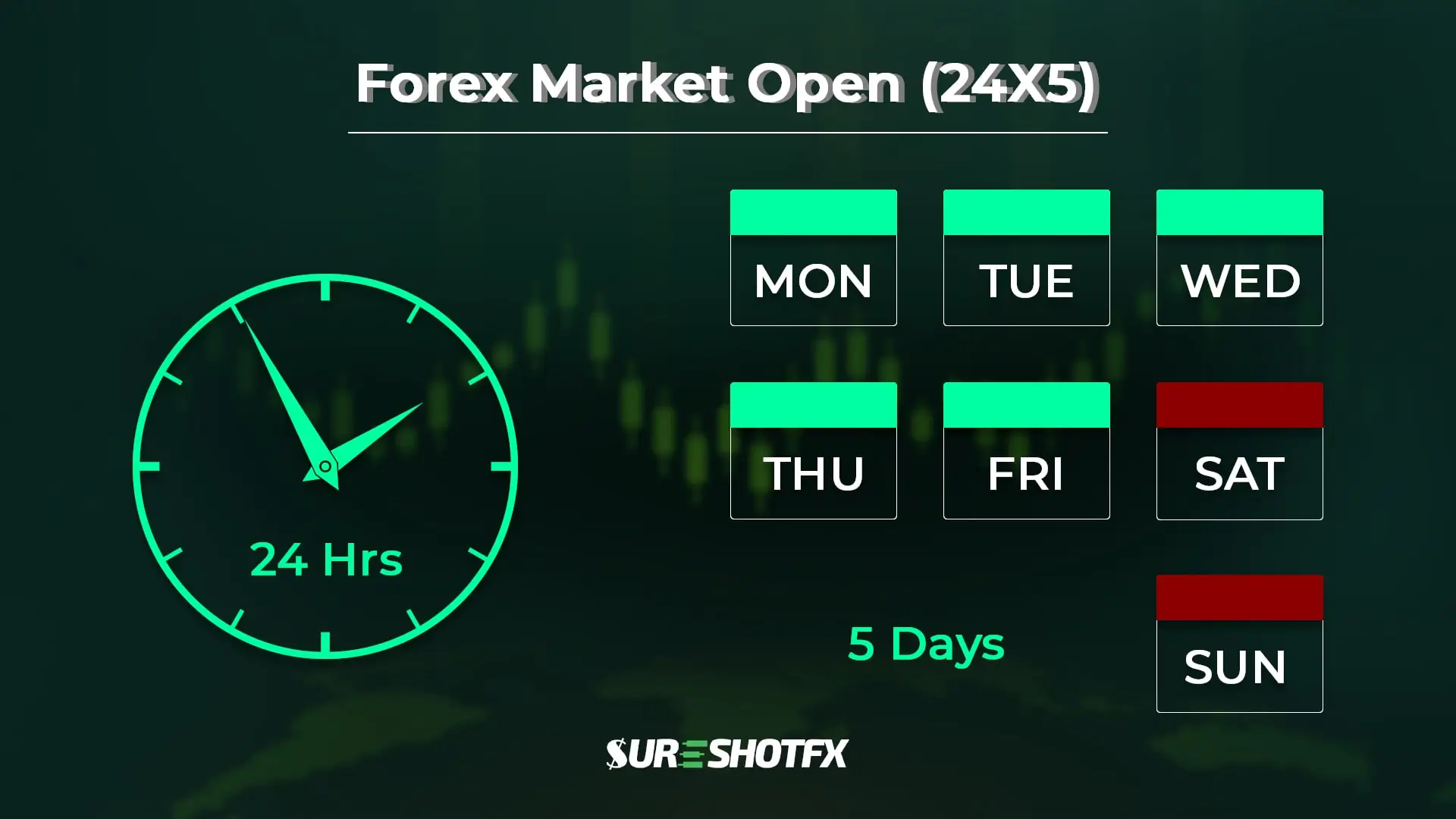
The foreign exchange (Forex or FX) market stands in stark contrast to traditional stock exchanges in terms of its operating hours. It is a truly global, decentralized market that operates 24 hours a day, five days a week, from Sunday evening ET to Friday evening ET. This continuous operation is made possible by the overlapping trading sessions of major financial centers around the world.
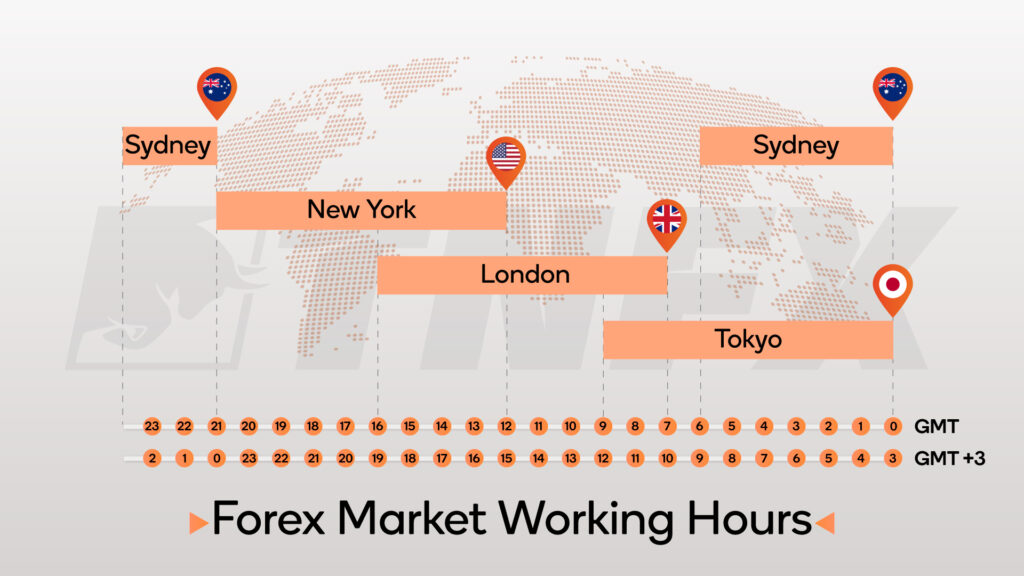
The Forex market is divided into four main trading sessions, each defined by the active hours of a major financial hub:
- Sydney Session: (e.g., 5:00 PM ET – 2:00 AM ET)
- Tokyo Session: (e.g., 7:00 PM ET – 4:00 AM ET)
- London Session: (e.g., 3:00 AM ET – 12:00 PM ET)
- New York Session: (e.g., 8:00 AM ET – 5:00 PM ET)
The constant movement of currencies ensures that traders can always react to economic data, geopolitical events, or central bank announcements almost instantaneously, regardless of the time of day. The periods of overlap between these sessions—particularly the London and New York overlap (8:00 AM ET – 12:00 PM ET)—are typically the most liquid and volatile, offering the tightest spreads and greatest trading opportunities due to the sheer volume of participants from both regions. This 24-hour nature makes Forex an attractive market for traders seeking flexibility, but it also demands constant vigilance.
Commodity Markets: Energy, Metals, and Agriculture
Commodity markets, which trade raw materials like crude oil, natural gas, gold, silver, wheat, and corn, also have distinct trading hours that reflect their underlying physical nature and global demand. Futures and options on commodities are primarily traded on exchanges like the New York Mercantile Exchange (NYMEX) and the Chicago Board of Trade (CBOT), both part of the CME Group.
- Energy Commodities (e.g., Crude Oil, Natural Gas): These often trade nearly 24 hours a day, five days a week, similar to Forex, reflecting their global demand and continuous production/consumption cycles. For instance, NYMEX crude oil futures might trade from Sunday evening until Friday afternoon, with short daily breaks.
- Precious Metals (e.g., Gold, Silver): Also exhibit extended trading hours, often around 23 hours a day, five days a week, mirroring the global safe-haven demand and industrial use that transcends specific time zones.
- Agricultural Commodities (e.g., Corn, Wheat, Soybeans): These tend to have more defined trading sessions, usually with a longer day session and sometimes a shorter night session, influenced by crop cycles, weather patterns, and agricultural reports specific to certain regions. For example, CBOT agricultural futures might have an extended overnight session followed by a more traditional day session.
The varied hours for commodities reflect the diverse factors influencing their supply and demand. Traders in these markets must be aware of reporting schedules (e.g., USDA reports for agriculture, EIA reports for energy) as these can cause significant price movements during active trading hours.
Bond Markets: Fixed Income Trading Hours
The bond market, which includes government bonds (like US Treasuries), corporate bonds, and municipal bonds, operates somewhat differently. While many bonds are traded over-the-counter (OTC) directly between large institutions and brokers, there are also exchange-traded bond futures (e.g., US Treasury futures on the CME Group) and certain corporate bonds listed on exchanges.
- OTC Bond Market: For cash treasuries, the primary trading hours are typically 8:00 AM ET to 5:00 PM ET, though some interdealer trading can extend earlier and later.
- Bond Futures: Similar to other futures markets, bond futures on exchanges like the CME Group often trade nearly 24 hours a day, five days a week, reflecting the continuous global demand for safe-haven assets and interest rate hedging. For instance, CME Treasury futures might trade from Sunday evening to Friday afternoon with minimal breaks.
The bond market is highly sensitive to interest rate expectations, inflation data, and central bank policy announcements. These economic releases are typically scheduled during the regular market hours of the major economies, making it crucial for bond investors to align their focus with these announcements.
Global Perspectives: Major International Stock Exchanges
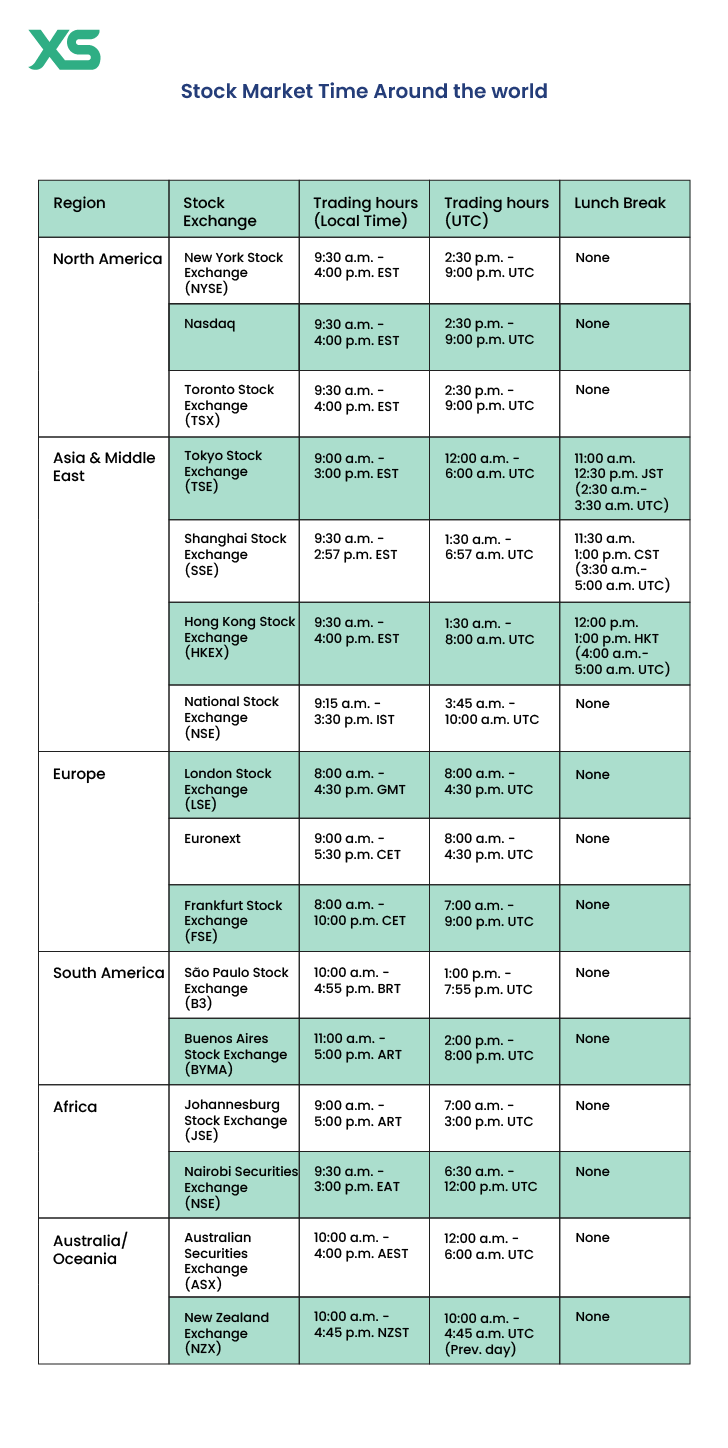
The world’s financial markets are inextricably linked, with trading activity constantly shifting across time zones. An event in Asia can ripple through European markets, ultimately impacting North America. Understanding the operating hours of major international stock exchanges is key to grasping this global interconnectedness.
European Markets: LSE, Euronext, Deutsche Börse
Europe hosts several influential stock exchanges, each serving as a gateway to its respective national economies and the broader European market.
- London Stock Exchange (LSE): One of the oldest and largest exchanges globally, the LSE’s main market trades from 8:00 AM to 4:30 PM Greenwich Mean Time (GMT), which is 3:00 AM to 11:30 AM ET during standard time. As a major financial hub, London’s trading hours are critical for global sentiment, particularly affecting currency and commodity markets.
- Euronext: A pan-European exchange group encompassing markets in Amsterdam, Brussels, Dublin, Lisbon, Milan, Oslo, and Paris. Its trading hours are generally from 9:00 AM to 5:30 PM Central European Time (CET), which aligns with 3:00 AM to 11:30 AM ET when comparing standard times. Euronext provides access to a wide range of European equities.
- Deutsche Börse (Frankfurt Stock Exchange): Germany’s primary exchange, operating from 9:00 AM to 5:30 PM CET. It is a key indicator for the strength of the Eurozone economy.
European markets typically open several hours before the US markets, meaning that US investors will often see European market trends influencing pre-market trading in New York. The overlap between European and US trading hours (roughly 8:00 AM ET to 11:30 AM ET, depending on daylight saving adjustments) is often characterized by heightened liquidity and activity.
Asian Markets: Tokyo, Shanghai, Hong Kong
Asia’s financial centers kick off the global trading day, setting the initial tone for risk sentiment and market direction.
- Tokyo Stock Exchange (TSE): Japan’s primary exchange, typically trades from 9:00 AM to 11:30 AM and 12:30 PM to 3:00 PM Japan Standard Time (JST). This corresponds to 8:00 PM to 10:30 PM ET and 11:30 PM to 2:00 AM ET the previous day. The TSE is a major indicator for global manufacturing and technology sectors.
- Shanghai Stock Exchange (SSE): One of mainland China’s two major exchanges (the other being Shenzhen). Its trading hours are generally 9:30 AM to 11:30 AM and 1:00 PM to 3:00 PM China Standard Time (CST), which translates to 9:30 PM to 11:30 PM ET and 12:00 AM to 2:00 AM ET the previous day. Trading on the SSE is heavily influenced by domestic Chinese policies and economic data.
- Hong Kong Stock Exchange (HKEX): A crucial gateway to China and a hub for international investment. HKEX trades from 9:30 AM to 12:00 PM and 1:00 PM to 4:00 PM Hong Kong Time (HKT), which is 9:30 PM to 12:00 AM ET and 1:00 AM to 4:00 AM ET the previous day.
Asian market performance often provides the first reactions to global news that breaks overnight (US time) and can heavily influence the opening sentiment in European and subsequently US markets. Investors trading globally must account for these significant time differences to manage their portfolios effectively.
The Impact of Time Zones on Global Trading
The continuous nature of global financial markets is a direct consequence of the world’s time zones. As one major market closes, another is opening, creating a seamless flow of trading activity around the clock for some asset classes like Forex and commodities. For equity markets, however, the staggered openings mean that investors in one region are often reacting to news and price movements that occurred during another region’s active hours.
This time zone interplay has several critical implications:
- Information Asymmetry: News released during one market’s hours may not be fully priced into another market until it opens.
- Volatility Propagation: Significant moves in Asian or European markets can trigger gap openings or increased volatility in US markets.
- Overlapping Sessions: The most liquid periods often occur when major financial centers overlap, such as the London/New York overlap for Forex, or the last few hours of European trading coinciding with the first few hours of US trading.
- Around-the-Clock Monitoring: Serious global investors or prop traders must maintain a continuous watch or use automated systems to react to movements outside their local market hours.
Understanding this global clock is not just about knowing when individual markets open; it’s about appreciating the interconnected ecosystem that shapes market prices and investor sentiment worldwide.
Why Market Hours Matter: Strategic Implications for Investors
Beyond mere scheduling, the specifics of market opening and closing times carry profound strategic implications for investors. These periods are not arbitrary; they often mark shifts in liquidity, volatility, and information flow, all of which can be leveraged or mitigated by informed participants.
Volatility and Liquidity: Peak Trading Times
Market opening and closing hours are often characterized by heightened activity and increased volatility.
- Opening Bell: The first 30-60 minutes after the market opens typically see a surge in trading volume and price fluctuations. This is due to the accumulation of orders overnight, reactions to pre-market news, and the influx of traders executing their initial strategies for the day. High liquidity is usually present, but volatility can make prices swing rapidly.
- Closing Bell: The final hour of trading, particularly the last 15-30 minutes, also experiences elevated activity. Institutional investors may “mark the close” by adjusting portfolios, large orders might be executed, or traders might cover positions before the market shuts down for the day.
- Mid-Day Lull: Conversely, the middle of the trading day, especially around lunchtime, often sees a decrease in volume and volatility, sometimes referred to as the “mid-day chop.” This can be a period of consolidation or slower price action.
For day traders, these peak volatility periods around the open and close represent significant opportunities but also amplified risks. Long-term investors, while less focused on minute-by-minute price action, should be aware that entering or exiting positions during these times might result in less favorable execution prices if not handled carefully. Optimal trade execution often considers these liquidity and volatility dynamics.
Information Flow and News Releases
The timing of market news and economic data releases is meticulously planned to coincide with market hours.
- Pre-Market Releases: Corporate earnings, major economic reports (like unemployment data), or significant regulatory announcements are often released before the market opens (e.g., 7:00 AM or 8:30 AM ET). This allows investors sufficient time to digest the information and for pre-market trading to begin pricing in the news before the regular session starts.
- After-Hours Releases: Similarly, many companies release earnings after the market closes (e.g., 4:15 PM or 5:00 PM ET). This prevents immediate, erratic price swings during the regular session and gives analysts and investors time to process the information for the next trading day.
- During Market Hours: While less common for major scheduled announcements, unexpected news (e.g., breaking geopolitical events, sudden corporate developments) can occur at any time, leading to immediate and dramatic market reactions.
Understanding when different types of news are typically released is crucial for investors. Those who position themselves before a major announcement risk significant capital if the news is unfavorable, while those who wait may miss an opportunity. Staying updated with economic calendars and corporate reporting schedules is a non-negotiable aspect of informed investing.
Managing Risk and Trading Psychology Around Open/Close
The increased volatility and information flow around market open and close can significantly impact trading psychology and risk management.
- Emotional Decisions: The rapid price movements at the open and close can trigger emotional responses, leading to impulsive decisions. Traders might chase quickly rising stocks or panic-sell during sharp declines, often to their detriment.
- Stop-Loss and Take-Profit Placement: Orders like stop-losses or take-profits need to be carefully considered around these volatile periods. Wide price swings can trigger stops prematurely or prevent take-profits from being hit at optimal levels.
- Gap Trading: Gaps between the closing price of one day and the opening price of the next can occur due to overnight news. Strategies specifically designed for trading gaps can be profitable, but they require a deep understanding of market dynamics and risk.
- Position Sizing: Due to higher volatility, prudent risk management often dictates smaller position sizes during the open and close, especially for speculative trades.
Successful investors understand that these dynamic periods require a disciplined approach, often involving stricter risk parameters and a clear strategy for how to react to fast-moving information and prices. Ignoring the psychological impact of these heightened activity periods can be detrimental to long-term success.
Tools and Resources for Tracking Market Hours
In today’s fast-paced financial world, accurately tracking market hours, holidays, and real-time data is easier than ever, thanks to a wealth of digital tools and resources. Leveraging these effectively ensures that investors are always operating with the most current and relevant information.
Online Calendars and Trading Platforms
The primary resources for monitoring market hours are often built directly into trading platforms or available through specialized financial websites.
- Brokerage Platforms: Most online brokerage platforms provide comprehensive market calendars that list regular trading hours, pre-market/after-hours schedules, and upcoming holidays or early closures for the exchanges they support. These are often integrated with real-time data and news feeds.
- Financial News Websites: Reputable financial news outlets (e.g., Wall Street Journal, Bloomberg, Reuters, CNBC, Investing.com, Yahoo Finance) offer dedicated sections for market hours, global exchange times, and economic calendars. Many allow users to customize their view based on specific markets or regions of interest.
- Specialized Market Hour Trackers: There are numerous websites and apps specifically designed to show global market status at a glance, often with countdown timers to the next open or close of major exchanges. These are particularly useful for Forex traders or those managing international portfolios.
These tools often allow users to convert times to their local time zone automatically, simplifying the complex task of tracking multiple global markets simultaneously. They are indispensable for planning trades, setting alerts, and reviewing market activity.
Brokerage Information and Alerts
Your brokerage firm is a frontline resource for market hour information. Beyond just displaying the hours, they often provide additional services:
- Direct Communication: Brokerages frequently send out email notifications or platform alerts regarding upcoming market holidays, early closures, or any unexpected changes to trading schedules.
- Platform-Specific Rules: They will also clarify their own policies regarding extended hours trading, including available order types, execution procedures, and any additional disclaimers or risks associated with trading outside regular hours.
- Customer Support: If there’s ever any confusion about trading hours for a specific instrument or exchange, a quick call or chat with your broker’s customer support can provide immediate clarity.
Leveraging these direct channels from your broker ensures that you are not only aware of general market hours but also understand how those hours specifically apply to your trading account and platform capabilities.
Customizing Your Trading Schedule
Ultimately, the goal of understanding market hours is to optimize your own trading or investing schedule.
- Personalized Alerts: Many platforms allow you to set custom alerts for market open, close, or specific price levels during certain hours.
- Strategy Alignment: If your strategy relies on high volatility, you’ll focus on the open/close. If it thrives on lower volatility, you might prefer mid-day. Forex traders might target specific session overlaps.
- Geographic Considerations: If you live in a different time zone than your primary market (e.g., a West Coast US investor trading NYSE stocks), you’ll need to adjust your personal schedule accordingly or rely on automated tools.
- Work-Life Balance: Understanding when markets are active helps you delineate your trading time from your personal time, preventing burnout and promoting disciplined engagement.
By actively utilizing these tools and resources, investors can create a robust framework for monitoring market times, ensuring they are always prepared, informed, and strategically positioned to make the most of the opportunities that financial markets offer, whenever they may open.
The question “what time the market open” unravels a complex yet fascinating dimension of financial markets. It’s not a single answer but a mosaic of schedules spanning continents, asset classes, and extended trading sessions. From the fixed rhythm of the US stock exchanges to the ceaseless pulse of the Forex market, each timeframe presents unique characteristics that savvy investors must master. By understanding these hours, recognizing their strategic implications for volatility and information flow, and utilizing the readily available tools for tracking, market participants can transform a simple logistical inquiry into a powerful strategic advantage, contributing to more informed decisions and ultimately, greater financial success.
aViewFromTheCave is a participant in the Amazon Services LLC Associates Program, an affiliate advertising program designed to provide a means for sites to earn advertising fees by advertising and linking to Amazon.com. Amazon, the Amazon logo, AmazonSupply, and the AmazonSupply logo are trademarks of Amazon.com, Inc. or its affiliates. As an Amazon Associate we earn affiliate commissions from qualifying purchases.