
For anyone navigating the complex world of investing, understanding the operational hours of the stock market is foundational. It’s not merely a trivial detail but a critical piece of information that influences trading strategies, risk management, and even the pace of economic news. The United States stock market, home to some of the world’s largest and most influential exchanges, operates within specific timeframes that dictate when transactions can occur, prices fluctuate, and capital changes hands. This guide delves into these crucial hours, exploring not just the “what” but also the “why” and “how” they impact investors, from seasoned professionals to curious beginners.
The notion of the stock market opening and closing might seem archaic in an increasingly 24/7 digital world. Yet, these defined periods serve vital functions, concentrating liquidity, facilitating price discovery, and allowing for essential administrative tasks. Missing a key announcement because one is unaware of pre-market activities, or attempting to execute a trade outside core hours without understanding the implications, can have significant financial consequences. Therefore, a comprehensive grasp of the U.S. stock market’s schedule is not just about knowing a time; it’s about understanding a fundamental aspect of financial market dynamics that underpins successful investment strategies.
The Standard Trading Hours: NYSE and NASDAQ
The backbone of the U.S. stock market consists primarily of two major exchanges: the New York Stock Exchange (NYSE) and the NASDAQ Stock Market. While distinct in their origins, listing requirements, and primary trading mechanisms (NYSE historically floor-based, NASDAQ fully electronic), they largely share identical standard trading hours, creating a unified period for the majority of market activity.
The Core Trading Window
The standard trading hours for both the NYSE and NASDAQ are from 9:30 AM Eastern Time (ET) to 4:00 PM ET, Monday through Friday. This 6.5-hour window represents the official “market open” and “market close” that most individual investors and the general public refer to when discussing daily market performance. During these hours, the vast majority of trading volume occurs, liquidity is at its peak, and prices are generally considered to be the most representative due to the broad participation of buyers and sellers.
For investors outside the Eastern Time zone, it’s crucial to adjust for the local time. For instance, in the Central Time zone, the market opens at 8:30 AM CT and closes at 3:00 PM CT. On the West Coast (Pacific Time), it’s 6:30 AM PT to 1:00 PM PT. This time zone conversion is fundamental to avoid missed opportunities or mistimed trades, especially when reacting to news that breaks during the U.S. trading day.
Understanding Eastern Time (ET)
The adherence to Eastern Time for market operations is a historical legacy, largely due to New York City being the financial hub of the United States. ET observes Daylight Saving Time, meaning it shifts between Eastern Standard Time (EST) and Eastern Daylight Time (EDT). Most of the year, during Daylight Saving, it’s EDT (UTC-4). During winter months, it reverts to EST (UTC-5). While the market hours relative to ET remain constant, the relationship to Universal Coordinated Time (UTC) changes. This detail is particularly relevant for international investors or algorithmic trading systems that operate on UTC timestamps. Awareness of these shifts prevents misinterpretations of historical data or programming errors in automated trading solutions.
Why These Hours Matter for Investors
The standard trading hours concentrate liquidity, making it easier for investors to buy and sell stocks without significantly impacting the price. High liquidity leads to tighter bid-ask spreads, which means lower transaction costs for investors. Conversely, trading outside these hours often involves wider spreads and lower liquidity, potentially leading to less favorable execution prices.
Furthermore, these hours are when most company news, economic reports, and analyst updates are released. Companies typically schedule earnings calls and major announcements either before the market opens or after it closes to allow investors time to digest the information without immediate, chaotic trading reactions during market hours. Professional traders and institutional investors meticulously plan their days around these windows, executing strategies, managing portfolios, and reacting to unfolding events in real-time. For individual investors, understanding these hours means knowing when to pay attention, when to execute well-researched trades, and when to pause and re-evaluate.
Beyond Standard Hours: Pre-Market and After-Hours Trading
While the 9:30 AM to 4:00 PM ET window defines the core trading day, the financial markets don’t simply go dark outside these hours. Modern electronic trading systems facilitate activity both before the official open and after the official close, offering opportunities and presenting unique challenges for investors.
The Mechanics of Pre-Market Trading
Pre-market trading typically begins as early as 4:00 AM ET and extends until 9:30 AM ET. This period allows investors to react to news that has broken overnight or before the official market opening. For instance, a company might release its quarterly earnings report at 7:00 AM ET. Investors who have access to pre-market trading can react to this news immediately, placing buy or sell orders before the broader market opens.
Access to pre-market trading is usually provided through electronic communication networks (ECNs) and brokerage platforms that connect directly to these networks. Not all brokers offer extensive pre-market access, and some may have different start times. The key characteristic of pre-market trading is significantly lower liquidity compared to regular hours. This means fewer buyers and sellers, which can lead to larger price swings on relatively small trading volumes and wider bid-ask spreads. While it offers an early bird advantage to react to news, it also carries the risk of less efficient price discovery and potentially unfavorable execution prices.
After-Hours Trading: Opportunities and Risks
Conversely, after-hours trading extends beyond the 4:00 PM ET close, typically running from 4:00 PM ET until 8:00 PM ET. Similar to pre-market, this period allows investors to react to news released after the market close, such as late-breaking economic data, company announcements, or geopolitical events. It offers another window for active investors to adjust their portfolios or capitalize on perceived opportunities before the next trading day begins.
The dynamics of after-hours trading mirror those of pre-market: reduced liquidity and wider spreads are common. Many institutional investors and professional traders utilize these extended hours, but for individual investors, participation requires a clear understanding of the associated risks. Prices can be more volatile, and a small number of large trades can disproportionately influence stock prices. Orders placed during these times might not be filled at the desired price, or might not be filled at all, especially for less liquid stocks. It’s also important to note that many retail brokerage platforms require specific order types (e.g., limit orders) for extended-hours trading, and market orders may not be permitted due to the inherent volatility and risk of poor execution.
Who Participates in Extended Hours?
Extended-hours trading is primarily utilized by professional traders, institutional investors, and sophisticated individual investors who have the tools and expertise to navigate its unique challenges. Hedge funds, mutual funds, and large investment banks often have dedicated teams monitoring markets globally and utilizing extended hours to position themselves ahead of major announcements or to manage risk.
For the average retail investor, while the option exists, it often comes with a higher degree of risk. It’s crucial to weigh the potential benefits of immediate reaction against the drawbacks of lower liquidity and increased volatility. Many long-term investors or those with a passive strategy may find that waiting for regular market hours provides sufficient opportunity with less risk. Education on order types, spread impact, and liquidity conditions is paramount for anyone considering participating in pre-market or after-hours trading.
Factors Influencing Trading Hours and Market Closures
While 9:30 AM to 4:00 PM ET is the standard, it’s not immutable. Several factors can alter these hours, from scheduled holidays to unexpected events, all of which investors must be aware of to manage their portfolios effectively.
Stock Market Holidays
The U.S. stock market observes several federal holidays, during which it remains completely closed. These typically include:
- New Year’s Day
- Martin Luther King, Jr. Day
- Presidents’ Day (Washington’s Birthday)
- Good Friday
- Memorial Day
- Juneteenth National Independence Day
- Independence Day (July 4th)
- Labor Day
- Thanksgiving Day
- Christmas Day
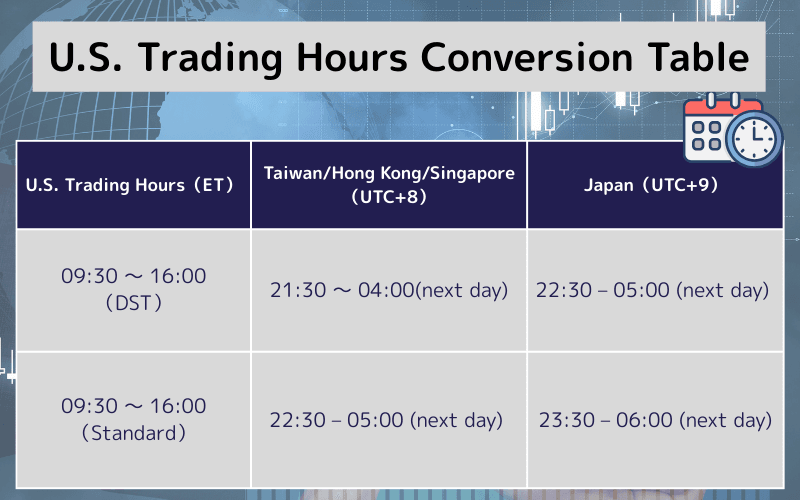
If a holiday falls on a weekend, the market typically observes it on the closest weekday (e.g., if Christmas Day is a Saturday, the market might close on Friday, December 24th; if it’s a Sunday, it might close on Monday, December 26th). It’s imperative for investors to consult the official holiday schedules published by the NYSE and NASDAQ at the beginning of each year, as they can occasionally vary or be subject to change. Trading strategies, especially those involving options or futures with short expiration dates, must account for these non-trading days.
Early Closures and Special Circumstances
Beyond full holiday closures, the stock market occasionally operates on a shortened schedule, typically closing early. The most common early closures occur on the day before or after certain holidays, such as the day after Thanksgiving (Black Friday) or Christmas Eve. On these days, the market might close at 1:00 PM ET instead of 4:00 PM ET.
Rarely, unforeseen circumstances such as severe weather emergencies (e.g., major blizzards, hurricanes affecting New York City), widespread power outages, or national tragedies can lead to unscheduled market closures or delays. While highly infrequent, these events underscore the importance of staying informed through reliable financial news sources. Regulatory bodies like the Securities and Exchange Commission (SEC) and the exchanges themselves have protocols for managing such disruptions to ensure market integrity and investor protection.
Time Zones and Global Impact
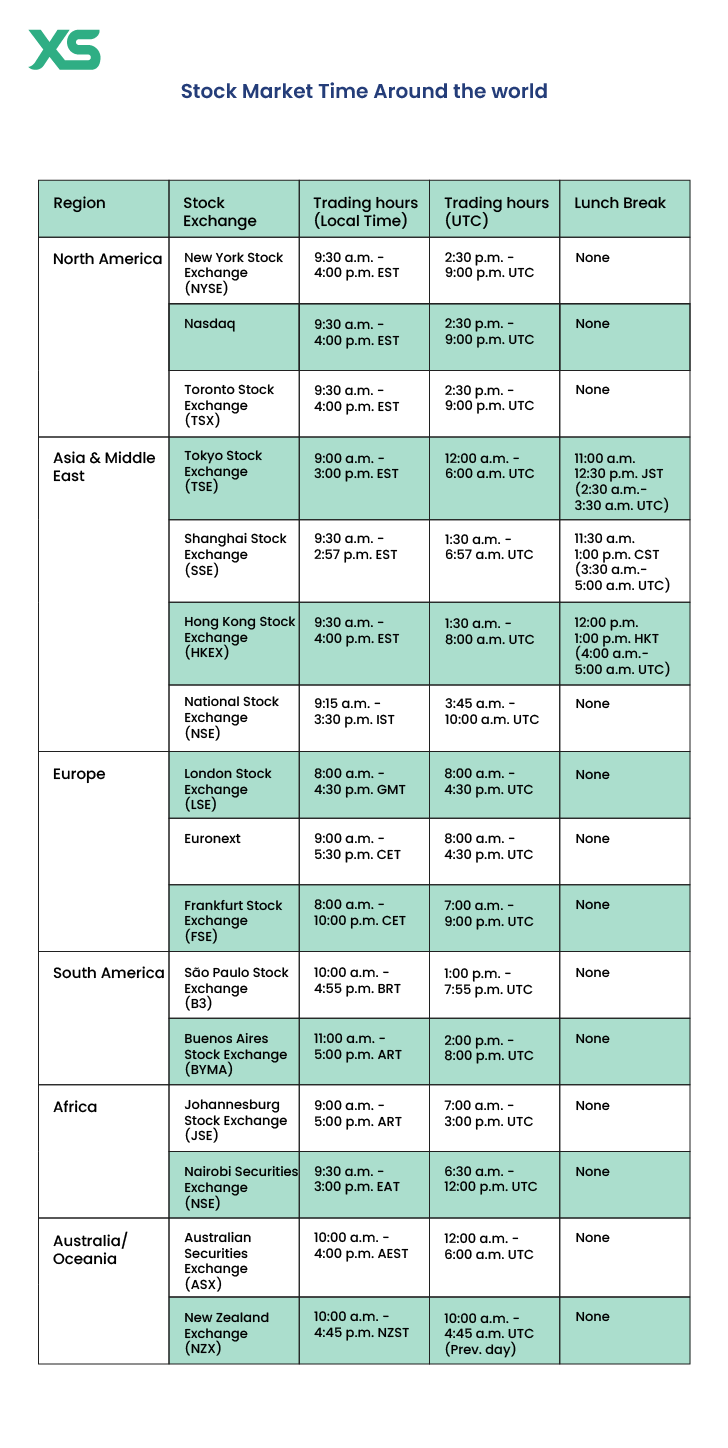
The U.S. stock market’s operating hours, rooted in Eastern Time, have a ripple effect across global financial markets. As the world rotates, financial centers in Asia (Tokyo, Hong Kong, Shanghai), Europe (London, Frankfurt, Paris), and North America (New York, Toronto) open and close in sequence. When the U.S. market opens, European markets are typically entering their afternoon sessions, and Asian markets have already closed. Conversely, when the U.S. market closes, Asian markets are often preparing to open for their next trading day.
This interconnectedness means that news and price movements in one major market can significantly influence others. For instance, a major economic announcement in the U.S. after market close will likely be reacted to in Asian and European markets, influencing their opening prices, which in turn can set the tone for the next U.S. market open. Investors with international exposure or those trading global ETFs need to be particularly cognizant of these overlapping and sequential market hours to understand the full context of price movements and market sentiment.
Strategies for Navigating Market Opening and Closing
The moments immediately following the market open and leading up to the market close are often characterized by heightened activity and volatility. Understanding these dynamics is crucial for effective trading and investment management.
The Volatility at the Open and Close
The first 30-60 minutes after the 9:30 AM ET open and the last 30-60 minutes before the 4:00 PM ET close are frequently the most volatile periods of the trading day. At the open, pent-up orders from the pre-market session, reactions to overnight news, and the influx of fresh capital combine to create significant price movements. This can lead to exaggerated swings as the market tries to find its equilibrium. Similarly, at the close, traders are often scrambling to liquidate positions, balance portfolios, or execute last-minute strategies, leading to another surge in volume and potential volatility.
For day traders and short-term investors, this volatility presents both opportunities and risks. Quick profits can be made, but losses can also accumulate rapidly. Long-term investors, on the other hand, often choose to avoid placing orders precisely at the open or close, preferring to execute trades during the calmer mid-day period to ensure better execution prices and less emotional decision-making. Using limit orders rather than market orders during these volatile periods can help mitigate risk by ensuring trades are only executed at a specified price or better.
Integrating Market Hours into Your Trading Strategy
A well-defined trading strategy will explicitly account for market hours.
- Day Traders: Must be fully engaged during market hours, particularly during the open and close, to capture intraday movements. They often rely on sophisticated charting tools and real-time data feeds.
- Swing Traders: Who hold positions for a few days to several weeks, need to be aware of how market closes and opens might affect their positions, especially across weekends or holidays when market-moving news can accumulate.
- Long-Term Investors: While less impacted by intraday volatility, they should still understand market hours for placing orders efficiently and reacting to significant news without panic. Placing orders during mid-day when liquidity is high and volatility is lower is often preferred.
- International Investors: Must reconcile U.S. market hours with their local time zones and the hours of other global markets relevant to their portfolios. This involves meticulous planning to avoid missing crucial trading windows.
Regardless of the strategy, understanding the liquidity characteristics of different trading periods—high during core hours, lower during extended hours—is fundamental to making informed decisions about when and how to execute trades.
The Importance of Staying Informed
Beyond knowing the clock, staying informed about economic calendars, company earnings release schedules, and any potential market holiday adjustments is critical. Financial news outlets, brokerage platforms, and exchange websites routinely publish this information. Subscribing to alerts for major economic indicators or the earnings reports of companies in one’s portfolio can provide a significant advantage. Being aware of when information is released and when the market will react to it allows investors to anticipate movements, plan their actions, and avoid being caught off guard. In the fast-paced world of finance, knowledge of timing is a powerful asset.
The Broader Economic Context of Market Hours
The specific hours during which the U.S. stock market operates are not arbitrary; they are deeply intertwined with economic principles, global financial flows, and regulatory frameworks designed to ensure fairness and efficiency.
Market Open as an Economic Barometer
The opening of the U.S. stock market each day is often seen as a barometer for global economic sentiment. News from Asian and European markets, coupled with any overnight domestic developments, is consolidated and reflected in the market’s initial movements. A strong positive open can signal optimism, while a sharp decline can indicate investor apprehension. Analysts and economists closely watch the opening bells to gauge the immediate reaction to corporate earnings, macroeconomic reports, or geopolitical events. These early trends often set the tone for the rest of the trading day and can influence broader consumer and business confidence.
Furthermore, the concentration of trading within defined hours facilitates efficient price discovery. By limiting the window for continuous trading, liquidity is concentrated, making it easier for market forces to establish accurate and representative prices for securities. This efficiency is crucial for capital allocation, allowing businesses to raise funds and investors to assess fair value.
Global Market Interconnections
The U.S. stock market’s hours are part of a larger, interconnected global financial system. When the U.S. market is active, it influences markets worldwide. For example, a significant policy announcement by the Federal Reserve during U.S. trading hours will immediately impact currency markets, bond markets, and stock markets globally, regardless of whether those markets are officially open or closed. The continuous flow of information means that while trading is sequential, economic impact is often simultaneous.
This global interconnectedness means that investors in the U.S. cannot operate in a vacuum. Understanding the hours and dynamics of other major world markets—London, Tokyo, Frankfurt, Hong Kong—can provide valuable context for understanding why the U.S. market might open higher or lower, or why certain sectors are performing differently. For instance, poor economic data from China overnight can heavily influence the opening of technology stocks in the U.S. the next morning.
Regulatory Frameworks and Investor Protection
The defined trading hours, along with pre-market and after-hours rules, are part of a sophisticated regulatory framework enforced by bodies like the SEC. These regulations aim to ensure fair and orderly markets, protect investors, and prevent manipulation. The exchanges themselves, under the oversight of the SEC, establish and maintain these rules, including requirements for disclosure, trading safeguards, and mechanisms for handling market disruptions.
For instance, the existence of “circuit breakers” is a critical regulatory feature. These are automatic mechanisms that halt trading across the entire market for a short period if prices fall by a certain percentage within a single day. Circuit breakers are designed to prevent panic selling and allow investors to absorb and process information during extreme volatility, reinforcing the idea that market hours are managed not just for convenience but for systemic stability and investor confidence. Understanding these regulatory aspects adds another layer of insight into why the U.S. stock market operates the way it does, serving as a pillar of trust and efficiency in the global financial landscape.
In conclusion, knowing what time the United States stock market opens and closes extends far beyond mere clock-watching. It is a fundamental aspect of financial literacy that influences trading strategies, risk assessment, and an investor’s ability to participate effectively in the world’s largest capital markets. From the core trading hours of the NYSE and NASDAQ to the nuanced dynamics of extended trading sessions, and the critical impact of holidays and global interconnections, a comprehensive understanding of market timing empowers investors to make more informed, strategic, and ultimately, more successful financial decisions.
aViewFromTheCave is a participant in the Amazon Services LLC Associates Program, an affiliate advertising program designed to provide a means for sites to earn advertising fees by advertising and linking to Amazon.com. Amazon, the Amazon logo, AmazonSupply, and the AmazonSupply logo are trademarks of Amazon.com, Inc. or its affiliates. As an Amazon Associate we earn affiliate commissions from qualifying purchases.