
For anyone looking to dive into the world of investing, from seasoned traders to curious beginners, one of the most fundamental pieces of information to grasp is the operating hours of the stock market. Knowing precisely when markets open and close is not merely a matter of trivia; it’s a critical component of successful financial planning, trading strategy, and risk management. The rhythm of the market dictates when orders can be placed, when prices fluctuate most significantly, and when major news events are likely to have their most immediate impact. While the concept seems straightforward, the landscape of market hours is more nuanced than a simple start and end time, encompassing standard trading sessions, pre-market, and after-hours activities, as well as crucial global considerations. This comprehensive guide will illuminate the intricate timetable of stock markets, empowering you with the knowledge to navigate the financial world effectively.
Understanding Standard U.S. Stock Market Hours
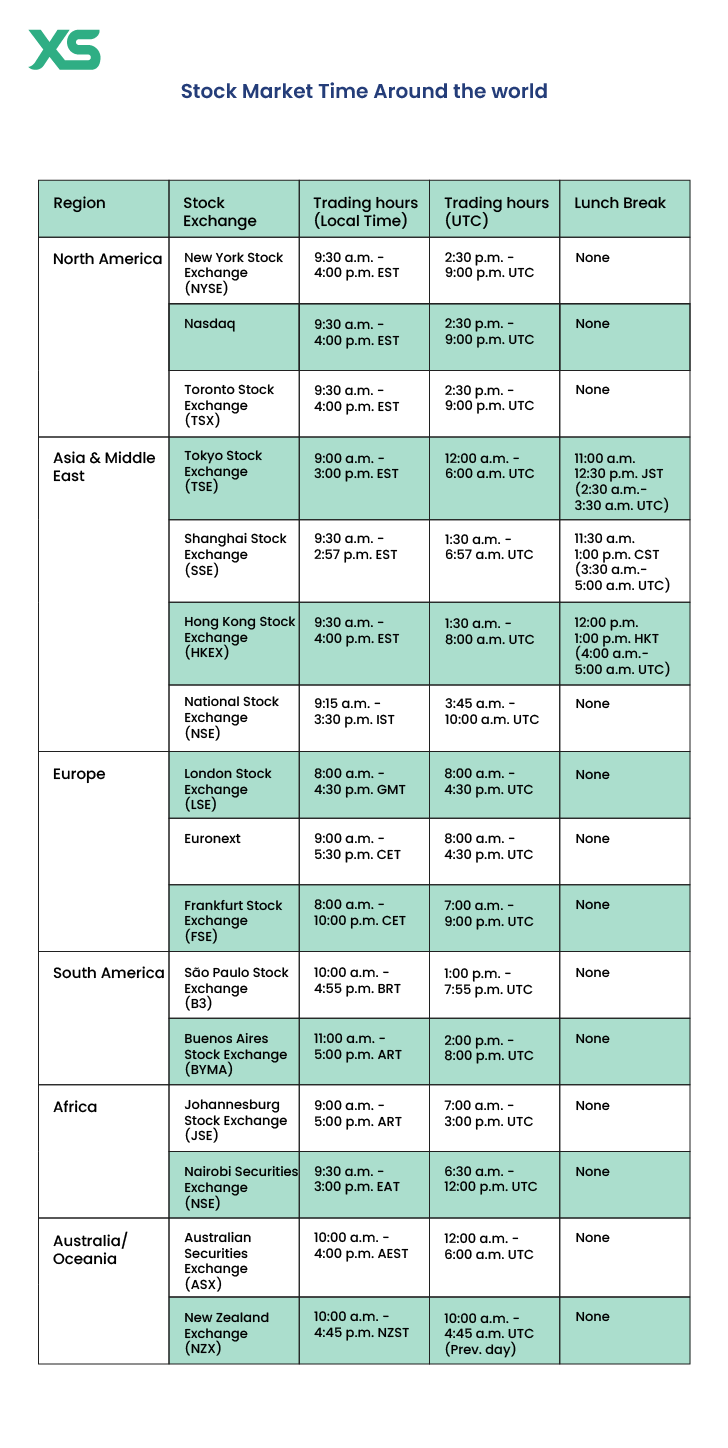
The United States boasts two of the world’s largest and most influential stock exchanges: the New York Stock Exchange (NYSE) and the Nasdaq Stock Market. While they differ in their listing requirements and the types of companies they primarily host, their core trading hours for equities are synchronized, forming the backbone of the U.S. trading day.
The New York Stock Exchange (NYSE) and Nasdaq
Both the NYSE and Nasdaq adhere to a standard trading schedule that is widely recognized as the “market hours” in the U.S.
- Opening Bell: Trading officially commences at 9:30 AM Eastern Time (ET). This moment, often marked by the ringing of the famous opening bell at the NYSE, signals the start of the primary trading session. It’s a period often characterized by increased volatility as investors react to overnight news, economic data releases, and pre-market trading activity.
- Closing Bell: The standard trading session concludes at 4:00 PM ET, symbolized by the equally iconic closing bell. The final minutes leading up to the close can also be quite active, as institutional investors and traders seek to complete positions or balance portfolios before the market shutters for the day.
These hours are designed to strike a balance, providing ample time for global investors to participate while also allowing for critical behind-the-scenes processing and preparation for the next trading day. The standardization helps in maintaining market efficiency, liquidity, and transparency, ensuring a fair playing field for all participants.
Weekends and Holidays: When Markets Are Closed
While the 9:30 AM to 4:00 PM ET schedule is consistent from Monday through Friday, the stock markets are not open every weekday. U.S. stock exchanges observe a number of federal holidays, during which all trading is suspended. It’s imperative for investors to be aware of these closures to avoid missed opportunities or unexpected delays in trade execution.
Common holidays observed by the U.S. stock market include:
- New Year’s Day (January 1)
- Martin Luther King, Jr. Day (third Monday in January)
- Presidents’ Day (third Monday in February)
- Good Friday (varies, usually in March or April)
- Memorial Day (last Monday in May)
- Juneteenth National Independence Day (June 19)
- Independence Day (July 4)
- Labor Day (first Monday in September)
- Thanksgiving Day (fourth Thursday in November)
- Christmas Day (December 25)
Additionally, if a holiday falls on a weekend, the market may observe it on the preceding Friday or the following Monday. There can also be early market closes on certain days, such as the day after Thanksgiving (Black Friday) or Christmas Eve, though full closures are more common. Keeping a calendar of market holidays readily accessible is a basic, yet crucial, practice for any serious investor.
Beyond Standard Hours: Pre-Market and After-Hours Trading
The 9:30 AM to 4:00 PM ET window represents the regular trading session, but it doesn’t encompass all available trading activity. Thanks to technological advancements and the rise of Electronic Communication Networks (ECNs), investors can also participate in “extended hours” trading, which includes pre-market and after-hours sessions.
What is Pre-Market Trading?
Pre-market trading allows investors to buy and sell stocks before the official market open.
- When: Pre-market trading typically runs from 4:00 AM ET to 9:30 AM ET. The exact start time can vary slightly by brokerage, but the common window is usually a few hours before the opening bell.
- Why: This session is particularly useful for reacting to news that breaks overnight, such as corporate earnings reports, economic data releases from other time zones, or geopolitical events. It provides an opportunity for initial price discovery before the regular session begins, allowing traders to position themselves ahead of the day’s main activity.
- Risks and Benefits: While offering a head start, pre-market trading comes with increased risks. It typically experiences lower liquidity (fewer buyers and sellers), which can lead to higher volatility and wider bid-ask spreads. This means prices can swing more dramatically, and it might be harder to execute large orders without significantly impacting the stock price. Access might also be limited to certain types of orders and through specific brokerage platforms.
What is After-Hours Trading?
Conversely, after-hours trading extends the market day beyond the closing bell.
- When: After-hours trading generally takes place from 4:00 PM ET to 8:00 PM ET. Similar to pre-market, the specific end time can vary by brokerage.
- Why: This session allows investors to react to news that emerges immediately after the market closes, such as late-breaking earnings announcements, analyst ratings changes, or company press releases. It gives traders an opportunity to adjust their positions before the next trading day.
- Risks and Benefits: The characteristics of after-hours trading largely mirror those of pre-market: lower liquidity, increased volatility, and potentially wider spreads. These factors can make it more challenging to execute trades at desired prices and expose investors to greater price risks compared to the regular session.
How Pre-Market and After-Hours Trading Work (ECNs)
Extended-hours trading is primarily facilitated by Electronic Communication Networks (ECNs). Unlike the traditional, centralized exchanges (NYSE, Nasdaq) that operate during standard hours, ECNs are automated systems that match buy and sell orders electronically. They aggregate orders from various participants, providing a continuous marketplace outside of regular trading hours. While individual investors typically access these sessions through their brokerage platforms, it’s the underlying ECNs that enable the trades to occur. It’s important to remember that not all stocks are actively traded in extended sessions, and order types might be more restricted, often limited to “limit orders” to protect against unfavorable price execution in low-liquidity environments.
Global Perspectives: Stock Market Hours Around the World
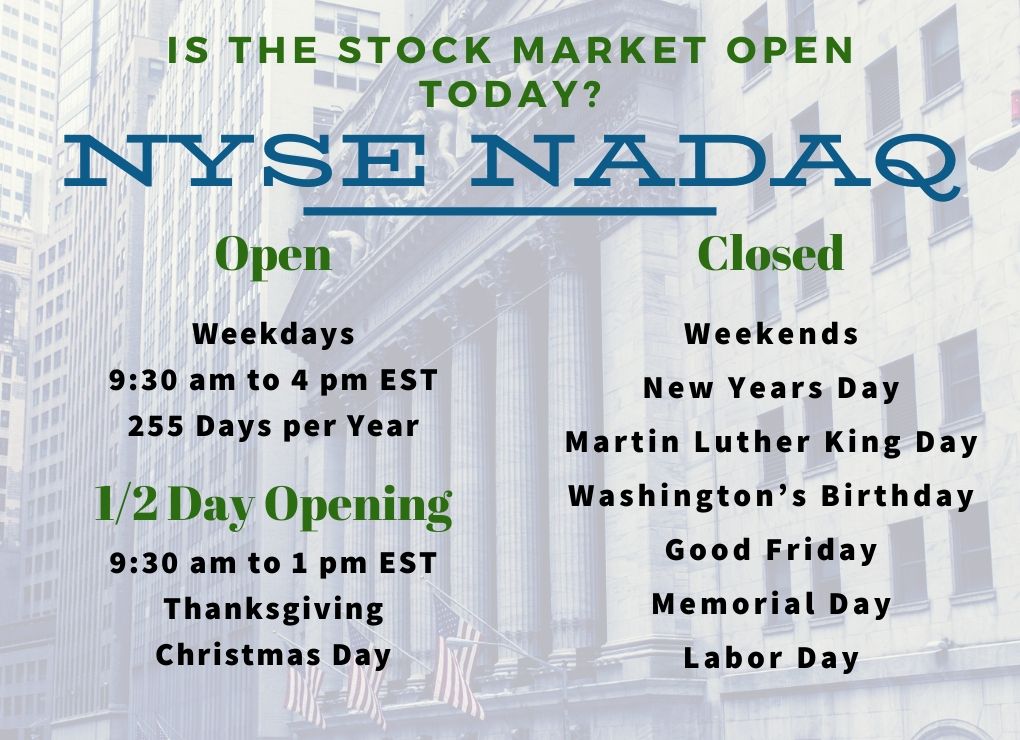
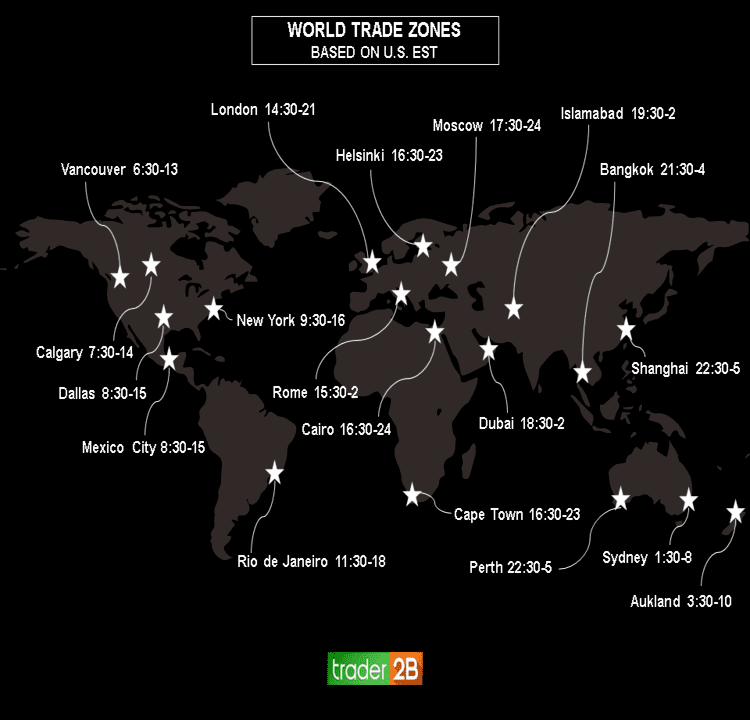
The financial world is interconnected, and an understanding of global market hours can be crucial for investors with international portfolios or those simply tracking global economic trends. Major markets across different continents operate on their own local schedules, creating a continuous, 24-hour cycle of trading activity across the globe.
Major European Markets (London, Frankfurt, Paris)
Europe hosts several influential stock exchanges, each with its unique operating hours based on local time zones.
- London Stock Exchange (LSE): Located in Greenwich Mean Time (GMT), the LSE typically operates from 8:00 AM to 4:30 PM GMT. This makes it one of the first major Western markets to open each day, often setting the tone for European trading and influencing later U.S. pre-market activity.
- Frankfurt Stock Exchange (Deutsche Börse): Operating in Central European Time (CET), the Frankfurt exchange generally runs from 9:00 AM to 5:30 PM CET.
- Euronext (Paris, Amsterdam, Brussels, Lisbon): Euronext’s primary markets also largely follow the 9:00 AM to 5:30 PM CET schedule.
The overlap between European and U.S. market hours (roughly 9:30 AM ET to 11:30 AM ET, or 2:30 PM GMT to 4:30 PM GMT) is often a period of heightened activity and liquidity, as traders from both regions interact.
Major Asian Markets (Tokyo, Shanghai, Hong Kong)
Asia’s markets are typically the first to open each day, influencing sentiment before European and U.S. sessions begin. Time zones are particularly critical here due to the significant difference from Western markets.
- Tokyo Stock Exchange (TSE): Operating in Japan Standard Time (JST), the TSE’s trading hours are from 9:00 AM to 11:30 AM JST for the morning session, followed by a lunch break, and then 12:30 PM to 3:00 PM JST for the afternoon session.
- Shanghai Stock Exchange (SSE) & Shenzhen Stock Exchange (SZSE): Both mainland Chinese exchanges operate on China Standard Time (CST), with similar hours: 9:30 AM to 11:30 AM CST (morning) and 1:00 PM to 3:00 PM CST (afternoon).
- Hong Kong Stock Exchange (HKEX): Following Hong Kong Time (HKT), its hours are 9:30 AM to 12:00 PM HKT (morning) and 1:00 PM to 4:00 PM HKT (afternoon).
News and economic data from Asian markets can heavily impact the opening sentiment in Europe and the U.S., often leading to “gap” openings if significant events occur overnight.
Other Key Markets
Beyond these major players, numerous other stock exchanges contribute to the global financial tapestry. For instance:
- Australian Securities Exchange (ASX) in Sydney: 10:00 AM to 4:00 PM Australian Eastern Standard Time (AEST).
- Toronto Stock Exchange (TSX) in Canada: Mirrors U.S. hours, 9:30 AM to 4:00 PM Eastern Time (ET).
Understanding the rotation of global market hours provides a complete picture of when the world’s financial engines are running, enabling investors to make more informed decisions about international assets and to anticipate global market sentiment.
The Significance of Market Hours for Investors
Knowing the opening and closing times of stock markets is more than just a scheduling detail; it’s a strategic imperative that influences investment decisions, risk management, and overall market engagement.
Impact on Investment Strategies
Market hours directly shape how different investment strategies are executed:
- Day Traders: For day traders who seek to profit from short-term price movements and close all positions before the market closes, precise knowledge of open and close times, including extended hours, is absolutely critical. Missing the closing bell could result in holding an unwanted position overnight, exposed to unforeseen risks.
- Swing Traders: Those who hold positions for a few days or weeks also need to be aware of market holidays and weekend closures, as news breaking during these periods can significantly impact stock prices at the next open.
- Long-Term Investors: While buy-and-hold investors may seem less affected by hourly fluctuations, market hours still matter. Major portfolio adjustments, dividend reinvestments, or rebalancing decisions are all executed within these windows. Furthermore, understanding the liquidity during different phases helps ensure orders are filled efficiently.
- News Analysis and Timing Trades: Key economic reports, company earnings announcements, and geopolitical news often have scheduled release times that coincide with pre-market, regular hours, or after-hours. Knowing these timings allows investors to anticipate volatility and plan their trades accordingly, either to capitalize on anticipated movements or to protect their portfolios from adverse reactions.
Volatility and Liquidity Considerations
The dynamics of market hours profoundly affect volatility and liquidity, two critical factors for any trader or investor:
- Regular Hours (9:30 AM – 4:00 PM ET): This period generally offers the highest liquidity, meaning there are many buyers and sellers, making it easier to execute trades without significantly impacting the price. While volatility can be high at the open and close, the middle of the day often sees more stable price action.
- Extended Hours (Pre-market and After-hours): These sessions are characterized by significantly lower liquidity. With fewer participants, even relatively small orders can cause substantial price swings. This means higher volatility is common, and bid-ask spreads can be much wider, making it more expensive to trade. Investors must exercise caution during these times, as sudden news can lead to rapid and drastic price changes, often resulting in “gaps” at the next regular market open. A stock might close at $100, but open at $90 the next day due to after-hours news, leaving no opportunity for regular-hours traders to react.
Tools and Resources for Tracking Market Hours
Staying informed about market schedules is made easier by numerous financial tools and resources:
- Brokerage Platforms: Most online brokerage accounts provide real-time market status, including whether the market is open, closed, or in an extended session. They often also publish calendars of upcoming market holidays.
- Financial News Websites: Reputable financial news outlets (e.g., Bloomberg, Wall Street Journal, Reuters, CNBC, Yahoo Finance) consistently provide market holiday calendars and real-time market updates.
- Exchange Websites: The official websites of exchanges like the NYSE and Nasdaq offer definitive schedules for regular and holiday hours.
- Financial Apps: Many investing apps offer notifications and real-time market status directly on your smartphone.
In conclusion, the simple question “What time does the stock market close and open?” unravels a complex yet critical aspect of financial markets. From the standard bell-to-bell sessions of the major U.S. exchanges to the extended hours trading, and the continuous rotation of global markets, understanding these timings is paramount. It allows investors to strategically plan their trades, react to breaking news, manage risk in varying liquidity environments, and ultimately make more informed decisions in the dynamic world of investing. Armed with this knowledge, you can navigate the financial markets with greater confidence and precision.
aViewFromTheCave is a participant in the Amazon Services LLC Associates Program, an affiliate advertising program designed to provide a means for sites to earn advertising fees by advertising and linking to Amazon.com. Amazon, the Amazon logo, AmazonSupply, and the AmazonSupply logo are trademarks of Amazon.com, Inc. or its affiliates. As an Amazon Associate we earn affiliate commissions from qualifying purchases.