
Understanding the operational hours of the US stock market is fundamental for any investor, from the novice just beginning their journey to the seasoned professional managing large portfolios. The rhythm of the market dictates when trades can be executed, when news can be absorbed and reacted to, and ultimately, how investment strategies are formed and implemented. While the question seems simple, the answer encompasses a nuanced ecosystem of various exchanges, extended trading sessions, and critical implications for liquidity, volatility, and investor access.
The US stock market, primarily represented by the New York Stock Exchange (NYSE) and the NASDAQ Stock Market, adheres to a standard schedule, but a comprehensive understanding requires delving into pre-market and after-hours sessions, as well as the unique timings of other financial instruments. This article will provide an insightful and engaging overview, equipping investors with the knowledge necessary to navigate the complexities of market timing and optimize their financial endeavors within the Money niche.
The Standard Trading Day: NYSE and NASDAQ
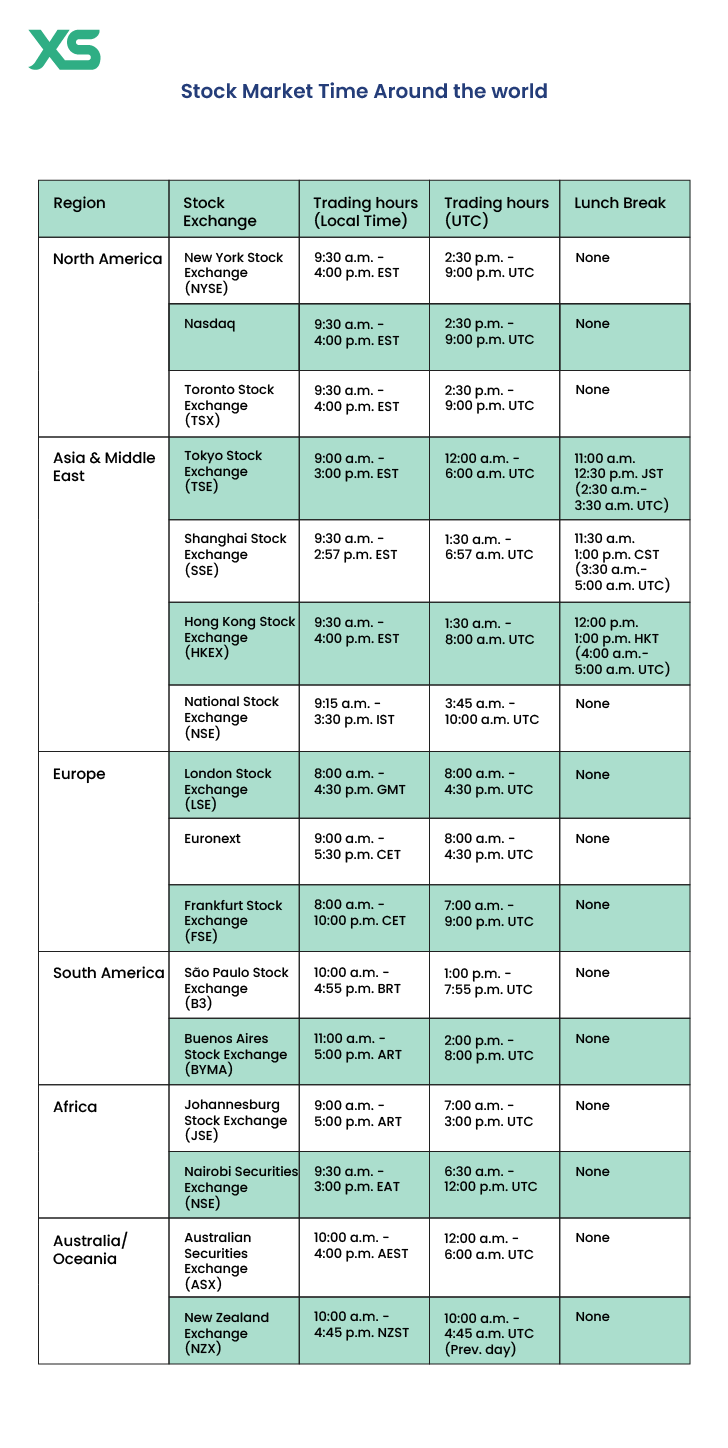
At its core, the US stock market operates on a well-defined schedule designed to facilitate orderly trading and provide a structured environment for capital allocation. The two giants, the New York Stock Exchange (NYSE) and the NASDAQ Stock Market, which together account for the vast majority of US equity trading, share identical standard trading hours.
The Rationale Behind Fixed Hours
The concept of fixed trading hours, rather than a continuous 24/7 market, stems from several critical factors. Historically, it allowed time for manual processing of trades, information dissemination, and reconciliation. In the modern era, fixed hours concentrate liquidity, meaning more buyers and sellers are active at the same time, leading to tighter bid-ask spreads and more efficient price discovery. They also provide a necessary break for market participants to digest news, analyze data, and prepare for the next trading session. This structured approach helps in managing volatility, reducing market fatigue, and ensuring a degree of fairness and transparency by having defined periods where the majority of trading occurs. It also allows market makers and specialists to manage their books and risk exposures more effectively.
Key Opening and Closing Times
For most individual investors and institutional traders focusing on US equities, the standard market hours are the most relevant. The US stock market opens promptly at 9:30 AM Eastern Time (ET). This is often referred to as the “opening bell,” a symbolic ritual that has become synonymous with the start of the trading day. Trading then continues uninterrupted throughout the day, punctuated only by a brief pause or reduced activity during lunch hours, though the market technically remains open. The market closes at 4:00 PM Eastern Time (ET), marked by the “closing bell.” These hours apply consistently from Monday to Friday.
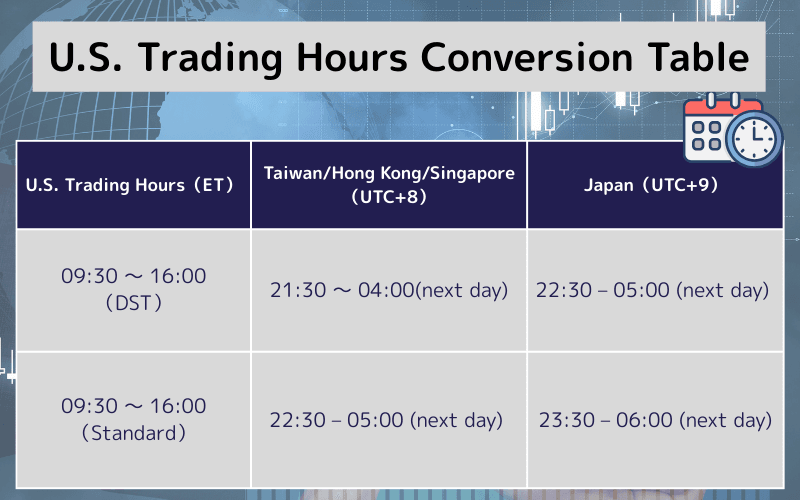
It’s crucial for investors to remember that these times are Eastern Time. Individuals trading from other time zones within the US or globally must adjust accordingly. For example, a trader on the West Coast (Pacific Time) would see the market open at 6:30 AM PT and close at 1:00 PM PT. This time zone difference can significantly impact daily routines and trading strategies.
Understanding Market Holidays
The US stock market does not operate every day of the year. It observes a number of public holidays, during which the exchanges are closed. These holidays are generally federal holidays, ensuring that financial institutions and market participants can observe them. Common market holidays include New Year’s Day, Martin Luther King, Jr. Day, Presidents’ Day, Good Friday, Memorial Day, Juneteenth National Independence Day, Independence Day, Labor Day, Thanksgiving Day, and Christmas Day. It is imperative for investors to consult the NYSE or NASDAQ holiday schedule each year, as exact dates for some holidays can shift (e.g., if a holiday falls on a weekend, it might be observed on the preceding Friday or following Monday). Trading on these days is suspended entirely, and no transactions occur until the next business day.
Beyond Standard Hours: Pre-Market and After-Hours Trading
While the 9:30 AM to 4:00 PM ET window defines the core trading day, the advent of electronic communication networks (ECNs) and advanced trading platforms has extended the opportunities for investors to trade outside these traditional hours. Pre-market and after-hours sessions offer flexibility but come with their own distinct characteristics and risks.
Pre-Market Trading: Early Opportunities
Pre-market trading allows investors to place orders and execute trades before the official market open. This session typically begins as early as 4:00 AM ET, though significant liquidity often doesn’t materialize until closer to 7:00 AM or 8:00 AM ET. Investors utilize pre-market trading to react to news released overnight, earnings reports issued before the market opens, or global market movements that have occurred while US markets were closed. For example, a major company might announce its quarterly results at 7:00 AM ET; pre-market trading provides an immediate avenue for investors to buy or sell based on this information, rather than waiting for the standard open. This can lead to significant price movements before the opening bell, setting the tone for the regular session.
After-Hours Trading: Reacting to News
Similarly, after-hours trading extends the market’s reach beyond the 4:00 PM ET closing bell, typically running until 8:00 PM ET. This session allows investors to react to news that breaks after the market closes, such as late-day earnings announcements, economic data releases, or unforeseen geopolitical events. For instance, if a tech giant releases a groundbreaking product announcement at 5:00 PM ET, investors can immediately trade its stock in the after-hours market. Both pre-market and after-hours trading are facilitated by electronic networks and offer a continuous flow of information and opportunity.
Risks and Rewards of Extended Hours Trading
While extended hours trading provides undeniable benefits in terms of flexibility and immediate reaction to news, it also carries increased risks. The primary concern is reduced liquidity. Fewer participants are active during these times, meaning there are fewer buyers and sellers for any given stock. This can lead to wider bid-ask spreads, making it more expensive to execute trades, and potentially significant price volatility. A small order can have a disproportionately large impact on a stock’s price, and it can be challenging to execute large orders without moving the market against oneself.
Furthermore, information asymmetry can be a factor. While news is often the catalyst for extended hours trading, not all market participants have equal access to or the ability to process this information instantaneously. Algorithmic trading firms with superior technology can sometimes gain an edge. Investors engaging in extended hours trading should be acutely aware of these limitations and consider using limit orders to protect themselves from adverse price swings, rather than market orders which might execute at an unfavorable price due to low liquidity. The reward is the ability to act quickly; the risk is the potential for less efficient execution and higher volatility.
Different US Exchanges and Their Schedules
While NYSE and NASDAQ dominate equity trading, the US financial landscape is vast, encompassing numerous other exchanges and markets that cater to different asset classes, each with its own operational hours. Understanding these differences is crucial for a diversified investor.
Equity Markets: NYSE, NASDAQ, and Others
As previously discussed, the NYSE and NASDAQ operate from 9:30 AM to 4:00 PM ET for standard sessions, with extended hours available. However, there are other, smaller regional exchanges and alternative trading systems (ATSs) that may mirror these hours or have slightly different operational frameworks. For the average investor, trades executed on these platforms typically clear through the same national market system, ensuring consistency in pricing and execution within the broader equity market. Brokerage firms usually integrate these various venues, so an investor simply places an order, and the system seeks the best available price across all connected exchanges.
Commodity and Futures Markets: CME Group and ICE
Commodity and futures markets operate on significantly different schedules, often extending much closer to 24 hours a day due to their global nature. Major players include the CME Group (Chicago Mercantile Exchange, Chicago Board of Trade, NYMEX, COMEX) and the Intercontinental Exchange (ICE). These exchanges facilitate trading in energy products (oil, natural gas), metals (gold, silver), agricultural products (corn, wheat), and financial futures (interest rates, currencies, stock indices).
For instance, many futures contracts trade almost around the clock, with short daily breaks. CME Globex, the electronic trading platform for CME Group products, is largely open from Sunday evening through Friday afternoon ET, with a daily maintenance break. For example, E-mini S&P 500 futures can trade from Sunday 6:00 PM ET to Friday 4:15 PM ET, with a daily break from 4:15 PM ET to 4:30 PM ET. This near-continuous trading reflects the global demand for hedging and speculation in these volatile markets, where events in Asia or Europe can immediately impact prices.
Bond Market Considerations
The bond market, particularly for US Treasury securities, also has distinct trading hours that differ from equities. While there isn’t a single “bond market open,” interdealer brokers and electronic platforms facilitate trading. The “cash” US Treasury market typically operates from approximately 8:00 AM ET to 5:00 PM ET for primary trading activity, though electronic trading can extend earlier and later. Many corporate bonds and municipal bonds have less transparent and liquid markets, often trading over-the-counter (OTC) with hours dependent on dealer availability. Unlike equities, bond market closures on certain holidays, especially those preceding or following a weekend, may differ. For example, the bond market might close early on the day before a major holiday like Christmas or New Year’s Day, even if the equity market remains open for its full session. Investors interested in bonds need to understand these specific timings to ensure they can execute trades effectively and monitor price movements.
Why Market Hours Matter for Investors
Beyond simply knowing when you can place an order, understanding market hours is critical for crafting effective investment strategies, managing risk, and optimizing returns. The timing of your trades can significantly impact their outcome.
Volatility and Liquidity Implications
Market hours directly correlate with volatility and liquidity. The opening bell is often characterized by heightened volatility and heavy trading volume. This is when all the news and overnight developments are digested, leading to rapid price swings as initial buying and selling pressure resolves. This period can present opportunities for quick profits but also carries increased risk. Similarly, the closing hour (3:00 PM to 4:00 PM ET) also sees elevated activity as traders try to close out positions, institutions rebalance portfolios, and end-of-day orders are executed.
During the middle of the trading day, particularly from late morning to mid-afternoon, liquidity is generally higher and volatility tends to be lower compared to the open and close. This can be a more favorable period for executing larger orders without significant price impact. As discussed, extended hours trading typically suffers from lower liquidity and higher volatility, making it less suitable for most retail investors without a clear strategy and understanding of the risks. Understanding these patterns allows investors to choose the most opportune times to enter or exit trades, depending on their objectives and risk tolerance.
Strategic Trading and Order Types
The understanding of market hours also informs the choice of order types. During periods of high volatility, such as the market open or pre/after-hours, using limit orders is often prudent. A limit order allows you to specify the maximum price you’re willing to pay or the minimum price you’re willing to accept, protecting you from unexpected price swings due to low liquidity or sudden market shifts. Conversely, during periods of high liquidity and relatively stable prices, market orders might be acceptable, as they guarantee immediate execution at the best available price.
Investors employing specific strategies, such as day trading or swing trading, are particularly sensitive to market hours. Day traders, who aim to open and close positions within the same trading day, must be acutely aware of the 9:30 AM to 4:00 PM ET window and often capitalize on the volatility of the opening and closing hours. Long-term investors, while less concerned with minute-by-minute price movements, still benefit from understanding when major news might impact their holdings and when they can reasonably expect to execute trades.
Global Market Influence and Time Zones
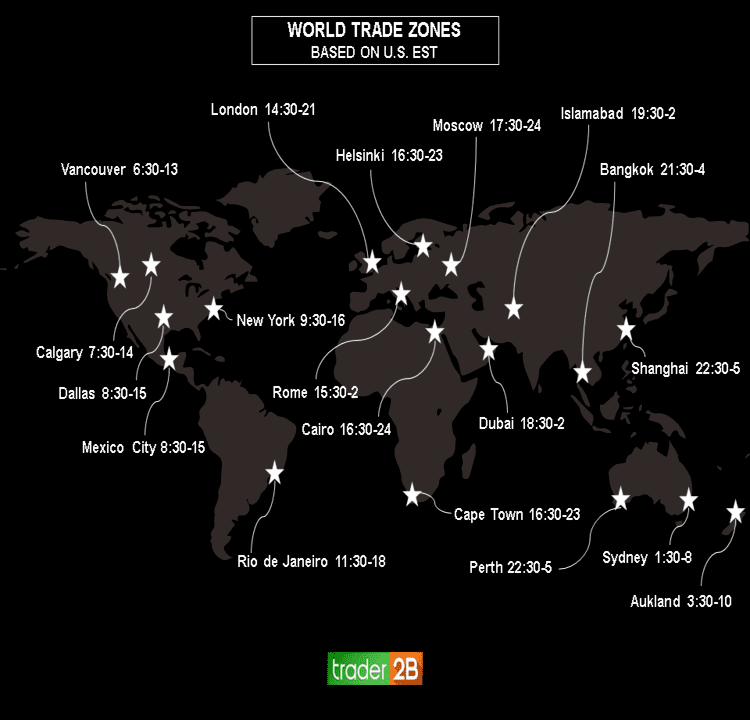
The US stock market does not operate in a vacuum. Events in Asian markets (e.g., Nikkei, Shanghai Composite) and European markets (e.g., FTSE 100, DAX) can significantly influence US sentiment and stock prices. These international markets open and close at different times relative to US ET, often overlapping with US pre-market or after-hours sessions.
For example, European markets are typically open when US pre-market trading is underway. Strong or weak performance in London or Frankfurt can set a precedent for how US stocks might open. Similarly, Asian markets are often active while US markets are closed, leading to “gap” openings in the US based on overnight news or Asian performance. An investor with a global portfolio or interest in companies with significant international exposure must consider these time zone differences and their potential impact on US-listed securities. Monitoring global indices and economic calendars becomes an extension of understanding US market hours.
Tools and Strategies for Managing Market Hours
In today’s interconnected financial world, navigating market hours effectively requires more than just knowing the clock. It involves leveraging technology and adopting disciplined strategies to maximize opportunities and mitigate risks.
Leveraging Technology for Alerts and Analysis
Modern trading platforms and financial news services offer a suite of tools designed to help investors manage market hours. Many platforms provide real-time data feeds, allowing investors to monitor price movements during pre-market and after-hours sessions. Setting up price alerts can notify an investor when a stock reaches a certain threshold, regardless of the time of day, allowing for timely decision-making. News aggregators and financial calendars can provide advance notice of earnings reports, economic data releases, and other market-moving events, enabling investors to anticipate volatility and plan their trades accordingly. Automated trading systems can even execute orders based on predefined rules, ensuring that opportunities are not missed due even when an investor is not actively monitoring the market. Furthermore, many brokerage accounts allow for “good-til-canceled” (GTC) orders, which remain active for a specified period (days, weeks, or even longer) or until executed, meaning you don’t have to be online at the exact moment the market opens to place your trade.
The Importance of a Trading Plan
Regardless of experience level, a well-defined trading plan is paramount when dealing with market hours. This plan should outline:
- Your investment goals: Are you a long-term investor, a swing trader, or a day trader?
- Your risk tolerance: How much volatility are you comfortable with?
- Your preferred trading hours: Do you primarily trade during standard hours, or do you strategically engage in extended sessions?
- Your entry and exit criteria: Under what conditions will you buy or sell a security?
- Your use of order types: When will you use market orders versus limit orders?
A robust plan helps to remove emotion from trading decisions, especially during volatile periods like market open or close, or during extended hours when liquidity is thin. It provides a framework for consistent decision-making and helps investors stick to their strategy rather than reacting impulsively to every market movement.
Adapting to Market Dynamics
The financial markets are constantly evolving. While core trading hours remain relatively stable, the dynamics within those hours, and especially in extended sessions, can shift. Regulatory changes, technological advancements, and macroeconomic events can all influence how and when trading occurs. Successful investors are those who adapt. This might mean adjusting strategies based on new data, learning to utilize new trading tools, or recognizing when market conditions (e.g., extremely low pre-market liquidity) make certain types of trading too risky. Staying informed about market news, understanding economic indicators, and continuously educating oneself are key components of adapting to and thriving within the dynamic world of financial markets.
In conclusion, understanding what time the stock market opens in the US is far more than knowing a simple clock time. It is about comprehending the intricate web of standard trading hours, the unique characteristics of pre-market and after-hours sessions, the diverse schedules of various exchanges, and the profound implications these timings have on investment strategy, risk management, and overall financial success. By mastering these elements within the Money niche, investors can position themselves for more informed decisions and greater potential for achieving their financial objectives.
aViewFromTheCave is a participant in the Amazon Services LLC Associates Program, an affiliate advertising program designed to provide a means for sites to earn advertising fees by advertising and linking to Amazon.com. Amazon, the Amazon logo, AmazonSupply, and the AmazonSupply logo are trademarks of Amazon.com, Inc. or its affiliates. As an Amazon Associate we earn affiliate commissions from qualifying purchases.