
For investors and traders situated on the West Coast of the United States, understanding the exact operating hours of the major stock exchanges is not merely a matter of trivia; it’s a fundamental component of effective financial strategy. While the New York Stock Exchange (NYSE) and NASDAQ, the two primary U.S. exchanges, operate on Eastern Time (ET), the geographical spread of investors means that a significant portion of the trading community experiences these hours through the lens of their local time zones. For those in the Pacific Time (PT) zone, translating the standard market schedule into their daily routine requires precision, impacting everything from trade execution to news consumption and overall investment planning. This article delves into the specifics of when the stock market closes for Pacific Time investors, explores the implications of this time difference, and offers strategic insights for maximizing your trading day on the West Coast.
The Standard Trading Day: A National Overview
Before converting to Pacific Time, it’s crucial to grasp the standard operating hours of the U.S. stock market in its native time zone. This foundational understanding allows for a more accurate and nuanced appreciation of how different time zones interact with the financial world.
Core Hours of Major US Exchanges
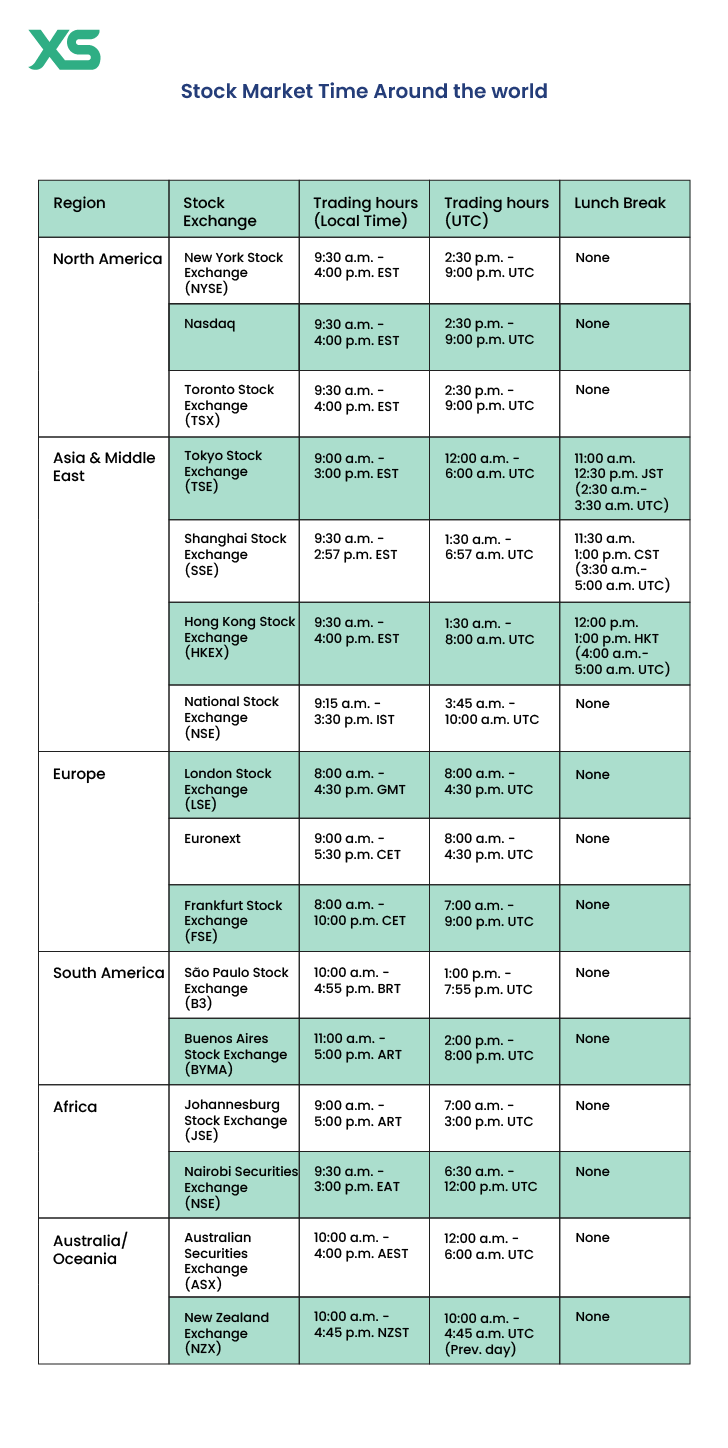
The New York Stock Exchange (NYSE) and the NASDAQ Stock Market, which together account for the vast majority of U.S. equity trading, adhere to a consistent schedule. The core trading session, often referred to as “regular market hours,” runs from 9:30 AM Eastern Time (ET) to 4:00 PM Eastern Time (ET), Monday through Friday. During these hours, the market experiences its highest liquidity and the vast majority of trading volume. This is when most individual investors and institutional traders execute their buy and sell orders, respond to breaking news, and participate in the daily ebb and flow of stock prices. The opening bell ceremony at 9:30 AM ET and the closing bell at 4:00 PM ET are iconic symbols of this daily financial cycle, marking the official start and end of the most active trading period.
Why Eastern Time Dominates
The dominance of Eastern Time as the benchmark for U.S. financial markets is rooted in history and geography. New York City, being the nation’s financial capital, houses the physical locations of the NYSE and NASDAQ, as well as countless brokerages, investment banks, and financial institutions. This centralization naturally led to the adoption of the local time zone as the standard for market operations. Furthermore, aligning with ET facilitates easier communication and coordination with European markets, which are several hours ahead, allowing for some overlap in trading sessions. While it might seem inconvenient for those outside ET, this singular standard provides a clear, unambiguous reference point for all participants, irrespective of their physical location.
Pre-Market and After-Hours Trading
Beyond the core 9:30 AM to 4:00 PM ET window, opportunities exist for trading during “extended hours.” These include pre-market trading and after-hours trading sessions. Pre-market trading typically begins as early as 4:00 AM ET and extends up to the regular market opening at 9:30 AM ET. After-hours trading, conversely, commences immediately after the 4:00 PM ET closing bell and can continue until 8:00 PM ET. These extended sessions are crucial for investors who need to react to news released outside of regular hours, such as earnings reports, economic data, or breaking geopolitical events. However, it’s important to note that extended-hours trading often involves lower liquidity and higher volatility compared to regular market hours, presenting both opportunities and increased risks.
Decoding Pacific Time: When the Bell Rings for West Coast Investors
For anyone living in California, Oregon, Washington, or other regions observing Pacific Time, directly translating the Eastern Time market hours into their local schedule is the first step towards informed trading. This conversion dictates the rhythm of their investment day.
The Simple Conversion
Given the three-hour time difference between Eastern Time and Pacific Time (PT is three hours behind ET), the calculation for market closing is straightforward. If the stock market closes at 4:00 PM ET, then for an investor on the West Coast, the market’s closing bell rings at 1:00 PM Pacific Time (PT). Similarly, the market opens at 6:30 AM PT (9:30 AM ET). This concise window means that a significant portion of the trading day for West Coast individuals concludes around their lunchtime, demanding efficient planning and execution.
Practical Implications for West Coast Traders
The 6:30 AM to 1:00 PM PT trading window carries several practical implications. For one, it means early mornings for active traders. To catch the market open at 6:30 AM PT, West Coast investors must be ready to monitor news and positions well before most other professions begin their workday. This early start can be an advantage for those who are early risers, offering a quiet period for analysis before daily distractions set in.
Conversely, the 1:00 PM PT close means that the entire regular trading day is concluded relatively early in the afternoon. This can be beneficial for those who prefer to have their evenings free from market-related stress. However, it also means that any significant news or economic reports released in the late afternoon or evening ET will directly impact their portfolio when the market reopens the following morning, without an immediate opportunity to react during regular trading hours. West Coast traders might find themselves making critical decisions during what would otherwise be a lunch break, or needing to structure their day around market activity rather than a standard 9-to-5 work schedule.
Geographical Considerations
While Pacific Time is the focus, it’s worth noting the other U.S. time zones: Central Time (CT) and Mountain Time (MT). The market closes at 3:00 PM CT (two hours behind ET) and 2:00 PM MT (one hour behind ET). Understanding these differences is particularly relevant for businesses or individuals with operations spanning multiple time zones, as well as for those traveling. The consistent three-hour lag for PT means that for a West Coast investor, the trading day is indeed a condensed morning affair, requiring discipline and a well-defined strategy to navigate effectively.
Beyond the Bell: Extended Trading Sessions and Their Significance
The 1:00 PM PT closing bell for regular trading doesn’t necessarily signify the end of all market activity. Extended trading sessions offer opportunities, albeit with different dynamics, for Pacific Time investors.
Navigating Pre-Market Hours (PT)
For West Coast investors, the pre-market session runs from 1:00 AM PT to 6:30 AM PT. This early window is primarily driven by institutional investors and professional traders reacting to overnight news, global market movements, and corporate earnings announcements released before the market opens. Participating in pre-market can allow an investor to get ahead of potential price swings, but it comes with caveats. Due to lower trading volume, liquidity is often sparse, leading to wider bid-ask spreads and potentially more volatile price movements. A small trade can have a disproportionately large impact on a stock’s price, making it a riskier environment for less experienced traders.

Understanding After-Hours Trading (PT)
Following the 1:00 PM PT regular market close, after-hours trading extends from 1:00 PM PT to 5:00 PM PT. Similar to pre-market, this session is characterized by reduced liquidity and increased volatility. Major corporate announcements, especially earnings reports, are frequently released after the 4:00 PM ET (1:00 PM PT) closing bell, prompting significant price movements in after-hours trading. For a West Coast investor, this means being prepared to monitor news and execute trades in the early afternoon, effectively extending their market day beyond the traditional close. While it offers flexibility, the same risks of lower liquidity and wider spreads apply, making careful execution paramount.
Pros and Cons of Extended Hours Trading
The allure of extended hours lies in the ability to react quickly to news and potential price changes. For a Pacific Time investor, this might mean having an early opportunity to adjust positions based on an overnight announcement, or to respond to an earnings call held after the market close. However, the drawbacks are substantial. The thinner trading volumes mean that orders may not be filled as quickly or at the desired price. Price discovery can be less efficient, and significant price swings can occur on relatively low volume. Furthermore, not all brokers offer robust extended-hours trading capabilities, and some might charge higher commissions or impose different rules. Investors engaging in these sessions must be fully aware of the heightened risks and have a clear strategy.
Key Events and Exceptions to Standard Trading Hours
While the 6:30 AM to 1:00 PM PT window holds for most weekdays, the stock market is not immune to holidays or unforeseen circumstances, which can alter its schedule.
Market Holidays and Early Closures
The U.S. stock market observes several federal holidays, during which it remains completely closed. These typically include New Year’s Day, Martin Luther King, Jr. Day, Presidents’ Day, Good Friday, Memorial Day, Juneteenth National Independence Day, Independence Day, Labor Day, Thanksgiving Day, and Christmas Day. For Pacific Time investors, this means no trading activity on these days.
Additionally, there are instances of early market closures. For example, the market typically closes early (e.g., at 1:00 PM ET or 10:00 AM PT) on the day before Thanksgiving (Wednesday) and on Christmas Eve, if it falls on a weekday. These partial holidays require West Coast investors to be even more vigilant about checking the exchange’s official calendar to avoid missed opportunities or unexpected market shutdowns. These exceptions underscore the importance of proactively consulting exchange calendars, especially around major holidays.
Impact of Geopolitical and Economic News
Major geopolitical events, significant economic data releases (like inflation reports or interest rate decisions), or even natural disasters can have a profound impact on market sentiment and prices. Often, these events occur outside of regular trading hours, particularly for West Coast investors. An economic report released at 8:30 AM ET will already be factored into the market’s opening at 6:30 AM PT. Conversely, a major international news event unfolding in the late afternoon ET might not be fully reflected until the next day’s PT market open. This asynchronous information flow necessitates that Pacific Time investors stay abreast of global news cycles even when the local market is closed, understanding that their opening prices will frequently reflect a reaction to prior events.
Volatility and Circuit Breakers
In rare circumstances, extreme market volatility can trigger circuit breakers, which temporarily halt trading across exchanges. These mechanisms are designed to prevent panic selling or buying and allow market participants to reassess rapidly changing conditions. While not tied to a specific time zone, the implementation of circuit breakers could occur during the 6:30 AM to 1:00 PM PT trading window, temporarily pausing all activity for Pacific Time investors. While infrequent, understanding these protective measures is part of being a well-informed investor, as they represent a complete cessation of trading activity, irrespective of the clock.
Strategic Trading for Pacific Time Investors
Operating on Pacific Time presents unique challenges and opportunities for investors. A well-thought-out strategy can help West Coast investors not just cope with the time difference but potentially leverage it.
Maximizing the Trading Day
For those on the West Coast, the market’s relatively early close at 1:00 PM PT means that much of the active trading must occur during the morning. This requires discipline in preparing for the day’s market open. Setting alarms for early news updates, having a watchlist prepared, and pre-market analysis are critical. The opening hours (6:30 AM – 8:00 AM PT) are often the most volatile and offer significant opportunities for active traders. Conversely, the market often slows down towards its 1:00 PM PT close, but the final hour can still see increased activity as institutions adjust positions. West Coast investors should plan their workflow to be most engaged during these key periods, perhaps reserving administrative tasks or research for the afternoon once the market has closed.
Leveraging Technology and Automation
Modern financial technology offers powerful tools that can mitigate some of the challenges posed by time zone differences. Automated trading systems, for example, can execute trades based on pre-defined rules, allowing investors to participate in the market even when they are not actively monitoring it. Advanced order types, such as “good till canceled” or “stop-limit” orders, enable investors to set price targets or risk thresholds that persist across market sessions without requiring constant manual oversight. Real-time news feeds, mobile trading apps, and customizable alerts can keep West Coast investors informed and responsive, even when away from their primary trading desk. Utilizing these tools effectively can transform the geographical challenge into a seamless part of one’s investment routine.
Importance of Staying Informed
Perhaps the most critical aspect for Pacific Time investors is the unwavering commitment to staying informed. Given that key economic data, corporate earnings, and major news often break outside of the PT trading window, a proactive approach to information gathering is essential. Subscribing to reliable financial news services, setting up news alerts, and regularly checking economic calendars are vital. Understanding global market movements, particularly those in Asia and Europe that conclude before the U.S. market opens, can provide valuable context and insight into potential trends. For a Pacific Time investor, the investment day begins long before 6:30 AM PT with the consumption and analysis of information that has accumulated overnight.

Conclusion
Understanding “what time does the stock market close Pacific Time” is more than just knowing a numerical conversion; it’s about comprehending the rhythm of the financial world as it impacts your local schedule. For West Coast investors, the U.S. stock market’s 1:00 PM PT closing bell marks the end of regular trading, condensing the active investment day into a focused morning window. While this early conclusion requires disciplined planning and an early start, it also offers a distinct structure to the investment routine. By recognizing the implications of extended trading hours, anticipating market holidays, and strategically leveraging technology and information, Pacific Time investors can effectively navigate the complexities of time zone differences. Ultimately, successful investing, regardless of location, hinges on preparedness, informed decision-making, and a deep understanding of the market’s operating parameters.
aViewFromTheCave is a participant in the Amazon Services LLC Associates Program, an affiliate advertising program designed to provide a means for sites to earn advertising fees by advertising and linking to Amazon.com. Amazon, the Amazon logo, AmazonSupply, and the AmazonSupply logo are trademarks of Amazon.com, Inc. or its affiliates. As an Amazon Associate we earn affiliate commissions from qualifying purchases.