
In the dynamic world of finance, few concepts are as fundamental yet as misunderstood as common stock. For many, it represents a ticker symbol flashing across a screen, a number that fluctuates daily, or perhaps a conversation topic at family gatherings. Yet, at its core, common stock is far more profound: it is a testament to ownership, a slice of a company, and a cornerstone of personal wealth creation. Understanding common stock is not merely about deciphering financial jargon; it’s about grasping the mechanism through which individuals participate in the growth and profitability of businesses, transforming their savings into productive capital. This article delves into the essence of common stock, exploring its nature, the rights it confers, how it’s traded, and the opportunities and risks it presents to investors.
The Foundation of Equity Ownership
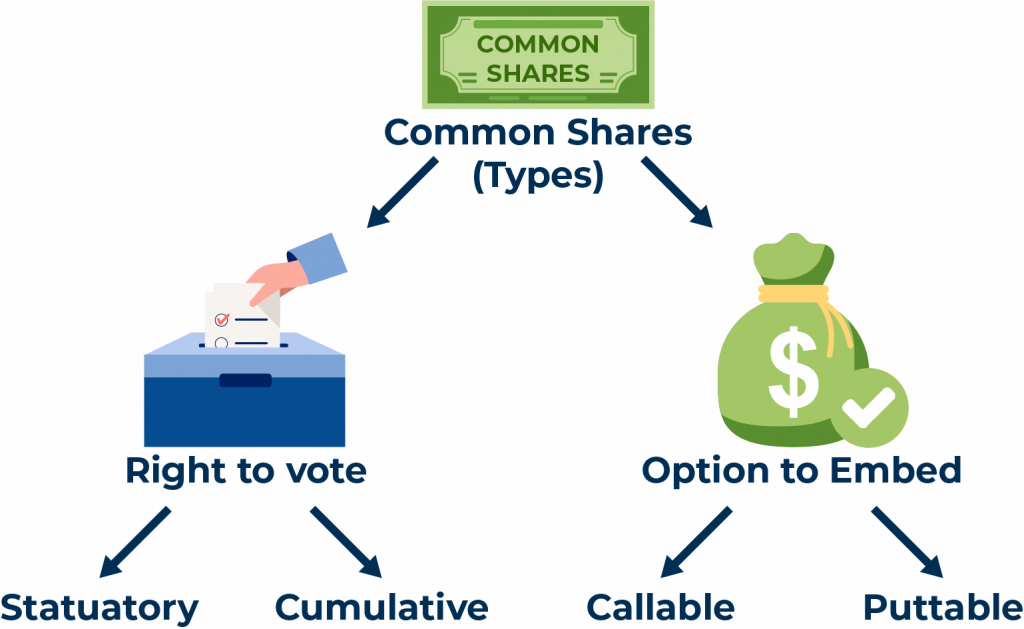
Common stock stands as the most basic form of equity ownership in a corporation. When you purchase a share of common stock, you are quite literally buying a small piece of that company. This seemingly simple act opens up a world of possibilities, connecting you directly to the fortunes and future of the enterprise.
Defining Common Stock
At its heart, common stock represents proportional ownership in a company. If a company issues 1 million shares of common stock, and you own 1,000 shares, you own 0.1% of that company. This ownership stake, however small, grants you specific rights and a claim on the company’s assets and earnings. Unlike other forms of investment, such as bonds (which represent a loan to a company), common stock places you directly in the role of an owner, albeit a fractional one. It carries the most significant potential for long-term growth but also the highest degree of risk among a company’s securities because common stockholders are typically the last in line to be paid if a company faces liquidation.
Contrasting with Preferred Stock
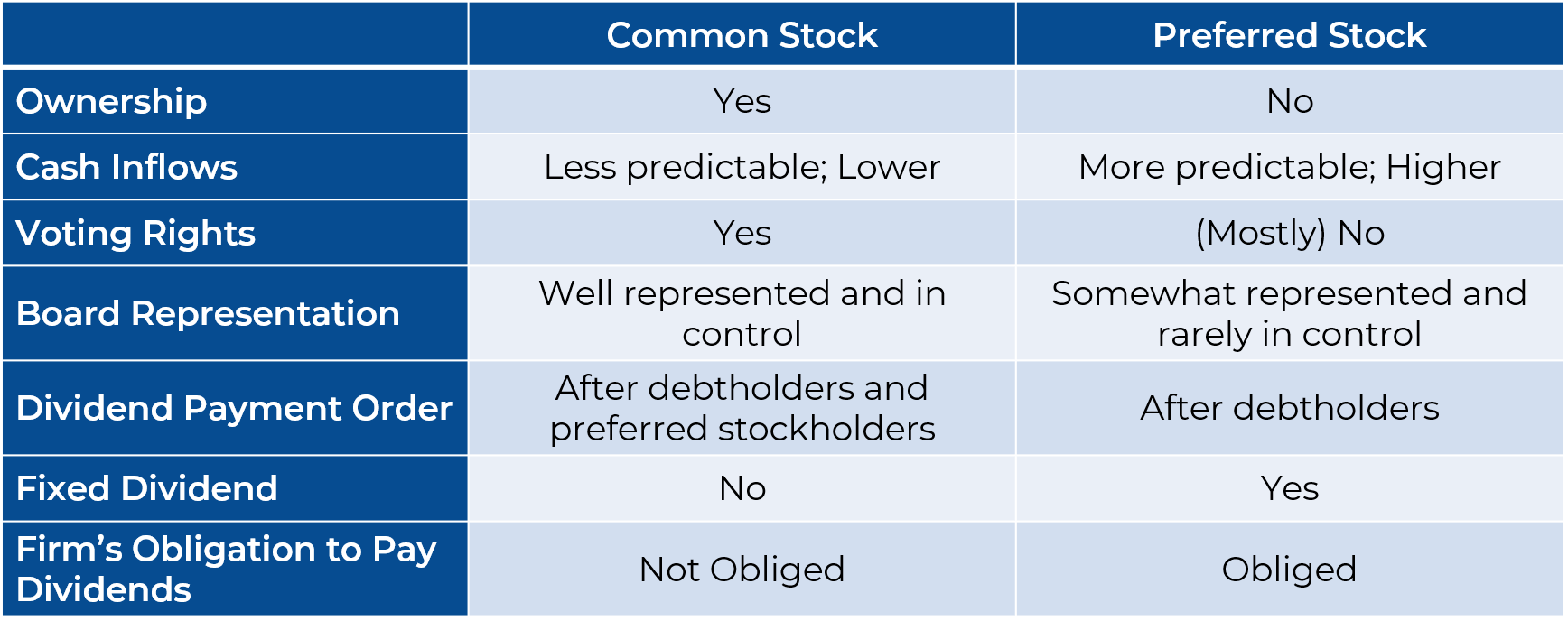
To fully appreciate common stock, it’s helpful to understand how it differs from preferred stock, another form of equity. While both represent ownership, preferred stock often comes with fixed dividend payments that must be paid before common stock dividends. Preferred stockholders usually do not have voting rights, a key privilege held by common stockholders. Furthermore, in the event of liquidation, preferred stockholders have a higher claim on the company’s assets than common stockholders. This means common stock carries more risk but also offers potentially unlimited upside, as there’s no cap on capital appreciation or dividend growth. Preferred stock, by contrast, behaves more like a hybrid security, blending characteristics of both bonds (fixed payments) and stocks (ownership).
The Dual Role: Ownership and Investment
Common stock serves a dual purpose. Firstly, it signifies ownership, bestowing upon its holder certain governance rights. Secondly, and perhaps more commonly perceived by the average investor, it functions as an investment vehicle. As an investment, common stock offers two primary avenues for potential return: capital appreciation and dividends. Capital appreciation occurs when the market value of your shares increases, allowing you to sell them for more than you paid. Dividends represent a distribution of a portion of the company’s earnings to its shareholders. Together, these two components make common stock a powerful tool for building wealth over time, allowing investors to participate directly in the economic engine of publicly traded companies.
Rights and Responsibilities of Common Stockholders
The purchase of common stock is more than just a transaction; it’s an assumption of certain rights and, implicitly, certain responsibilities that come with being a co-owner of a business. These rights are what empower shareholders and define their relationship with the company.
Voting Rights and Corporate Governance
One of the most distinguishing features of common stock is the right to vote on significant corporate matters. Common shareholders typically have one vote per share owned, allowing them to influence the company’s direction by electing the board of directors, approving mergers and acquisitions, and voting on major policy changes. This democratic aspect is crucial, as the board of directors, in turn, hires and oversees the company’s management team. While individual retail investors often hold too few shares to sway a vote on their own, institutional investors and activist shareholders can exert significant influence, holding management accountable and ensuring that the company operates in the best interests of its owners. This collective power forms the bedrock of corporate governance and investor protection.
Claim on Assets and Earnings
Common stockholders hold a residual claim on the company’s assets and earnings. This means that if a company were to be liquidated, common shareholders would only receive a payout after all creditors (bondholders, suppliers, employees, etc.) and preferred shareholders have been paid in full. This “last in line” position highlights the inherent risk of common stock but also underscores its potential reward: if the company thrives and grows, common shareholders are the primary beneficiaries of that success, with no upper limit to their potential returns. This residual claim also applies to earnings; after all expenses and preferred dividends are paid, the remaining profits (retained earnings) belong to the common shareholders, either reinvested in the business or distributed as dividends.
Dividend Participation
Many companies distribute a portion of their profits to common shareholders in the form of dividends. Dividends can be paid out regularly (quarterly is common) and are typically a cash payment per share. While not all companies pay dividends (especially growth-oriented firms that prefer to reinvest earnings), for income-focused investors, dividends can be a significant component of their overall return. The decision to pay dividends, and how much, rests with the company’s board of directors. A consistent history of dividend payments can signal a stable and profitable company, attracting a specific class of investors.
Preemptive Rights (If Applicable)
In some jurisdictions or for specific companies, common stockholders may also possess preemptive rights. These rights allow existing shareholders to purchase newly issued shares to maintain their proportional ownership in the company. For example, if a company decides to issue 1 million new shares, an investor who owns 1% of the company would have the right to purchase 1% of those new shares. This protects existing shareholders from dilution of their ownership stake and voting power, although not all companies grant this right.
The Mechanics of Buying and Selling Common Stock
Investing in common stock today is remarkably accessible, thanks to technological advancements and the democratization of financial markets. Understanding the practical aspects of how stocks are bought and sold is crucial for any aspiring investor.
Stock Exchanges and Brokerage Accounts
The primary venues for trading common stock are stock exchanges, such as the New York Stock Exchange (NYSE) or NASDAQ. These regulated markets provide a centralized platform where buyers and sellers can meet. To access these exchanges, individual investors typically open a brokerage account with a financial institution. Brokerage firms act as intermediaries, executing buy and sell orders on behalf of their clients. The advent of online discount brokers has made investing significantly cheaper and easier, often offering commission-free trading and intuitive platforms for self-directed investors.
Understanding Stock Prices
The price of a common stock is determined by the fundamental economic principles of supply and demand. If more investors want to buy a particular stock than sell it, its price tends to rise. Conversely, if more investors want to sell than buy, the price tends to fall. Beyond this basic mechanism, stock prices are influenced by a myriad of factors: the company’s financial performance (earnings, revenue, profit margins), industry trends, management quality, economic outlook, investor sentiment, geopolitical events, and even interest rate changes. Savvy investors analyze these factors to make informed decisions about whether a stock is undervalued or overvalued.

Market Orders vs. Limit Orders
When placing an order to buy or sell stock, investors typically choose between a market order and a limit order. A market order instructs the broker to buy or sell shares immediately at the best available price. While it guarantees execution, the exact price may vary slightly in volatile markets. A limit order, conversely, specifies the maximum price an investor is willing to pay to buy or the minimum price they are willing to accept to sell. This provides price control but does not guarantee execution if the market price never reaches the specified limit. Understanding these order types is fundamental to managing execution risk.
IPOs and Secondary Markets
New common stock is introduced to the market through an Initial Public Offering (IPO), where a privately held company sells its shares to the public for the first time. After the IPO, these shares are traded on what is known as the secondary market – the stock exchanges. The vast majority of stock trading occurs in the secondary market, where existing shares change hands between investors. The prices in the secondary market do not directly benefit the issuing company (unless they conduct a secondary offering), but they provide liquidity for shareholders and serve as a continuous valuation mechanism for the company.
Why Invest in Common Stock? Understanding the Opportunities
Investing in common stock is not without risk, but it also offers compelling opportunities that have historically made it one of the most powerful engines for long-term wealth creation.
Capital Appreciation
Perhaps the most enticing aspect of common stock investing is the potential for capital appreciation. As a company grows, becomes more profitable, and expands its market share, its intrinsic value increases. This increased value is often reflected in a higher stock price, allowing investors to sell their shares for a profit. Historically, well-managed companies in growing sectors have delivered significant capital gains over extended periods, turning modest initial investments into substantial fortunes. This growth potential is uncapped, making common stock appealing to investors seeking aggressive returns.
Dividend Income
For investors focused on generating regular income, common stock that pays dividends can be highly attractive. Dividends provide a consistent cash flow, which can be reinvested to buy more shares (compounding returns) or used to supplement income. Companies with a long history of paying and increasing dividends are often referred to as “dividend aristocrats” or “dividend kings,” signaling financial strength and a commitment to returning value to shareholders. This income stream can be particularly valuable during retirement or periods of market volatility when capital appreciation might be muted.
Long-Term Wealth Creation
Over the long term, common stocks have historically outperformed most other asset classes, including bonds, real estate, and commodities. While stocks are subject to short-term volatility, the power of compounding returns – where earnings on your investment also earn returns – can lead to substantial wealth accumulation over decades. By investing in common stock, individuals can participate in the broader economic growth of nations and industries, effectively putting their money to work in productive enterprises. Patience, discipline, and a long-term perspective are key to harnessing this wealth-building potential.
Diversification Benefits
While an individual stock carries specific risks, common stocks as an asset class play a vital role in a diversified investment portfolio. By combining stocks from different industries, geographies, and company sizes, investors can mitigate company-specific risks. Furthermore, including stocks alongside other asset classes like bonds and real estate can help reduce overall portfolio volatility, as different assets often perform well under different economic conditions. Stocks offer growth potential that complements the stability offered by bonds, creating a balanced approach to investment management.
Risks Associated with Common Stock Investing
While the allure of high returns is strong, common stock investing is not without its perils. Understanding and acknowledging these risks is paramount for making informed investment decisions and building a resilient portfolio.
Market Volatility
Common stocks are inherently subject to market volatility, meaning their prices can fluctuate significantly in the short term. Economic news, geopolitical events, changes in investor sentiment, or even a single company’s earnings report can trigger sharp movements up or down. While experienced investors often view volatility as an opportunity, it can be unnerving for new investors and lead to emotional decision-making, such as selling at a loss during a market downturn. Accepting and preparing for this inherent fluctuation is crucial.
Company-Specific Risks
Beyond broader market movements, individual common stocks carry company-specific risks. A company’s fortunes can decline due to poor management decisions, increased competition, technological obsolescence, regulatory changes, product recalls, or simply a failure to innovate. These factors can severely impact a company’s profitability and, consequently, its stock price, potentially leading to substantial losses for shareholders. This underscores the importance of thoroughly researching individual companies before investing.
Liquidity Risk (for some stocks)
While most large-cap stocks traded on major exchanges are highly liquid (meaning they can be bought or sold quickly without significantly affecting their price), some common stocks, particularly those of smaller companies or those traded on less active markets, may suffer from liquidity risk. This means it might be difficult to sell shares quickly without having to accept a lower price, especially if there are few buyers. Investors need to be aware of the trading volume and market capitalization of a stock to assess its liquidity.
Inflation and Interest Rate Risks
Broader economic factors like inflation and interest rates can also impact common stock investments. High inflation can erode the purchasing power of future earnings and dividends, reducing real returns. Rising interest rates can make borrowing more expensive for companies, affecting their growth prospects, and can also make fixed-income investments (like bonds) more attractive, drawing money away from stocks. Investors must consider the macroeconomic environment when making investment decisions.
The Importance of Research and Due Diligence
Given these risks, successful common stock investing hinges on rigorous research and due diligence. This involves analyzing a company’s financial statements, understanding its business model, assessing its competitive landscape, evaluating its management team, and staying abreast of industry trends. Diversification across multiple stocks and sectors is also a critical strategy to mitigate company-specific risks. While common stock offers unparalleled opportunities for growth and wealth creation, it demands an informed, patient, and disciplined approach from every investor.
aViewFromTheCave is a participant in the Amazon Services LLC Associates Program, an affiliate advertising program designed to provide a means for sites to earn advertising fees by advertising and linking to Amazon.com. Amazon, the Amazon logo, AmazonSupply, and the AmazonSupply logo are trademarks of Amazon.com, Inc. or its affiliates. As an Amazon Associate we earn affiliate commissions from qualifying purchases.