
The mere mention of a “stock market crash” can send shivers down the spine of even the most seasoned investor. It conjures images of panicked traders, plummeting portfolios, and widespread economic turmoil. While crashes are historically significant and often painful events, they are also a cyclical, albeit disruptive, part of financial market evolution. Understanding how a stock market crash unfolds, the underlying catalysts, and the mechanisms that amplify its impact is crucial for investors, policymakers, and anyone looking to navigate the complex world of finance. Far from being random occurrences, crashes are often the culmination of various economic, psychological, and systemic pressures building over time, ultimately reaching a tipping point that triggers a cascade of selling.
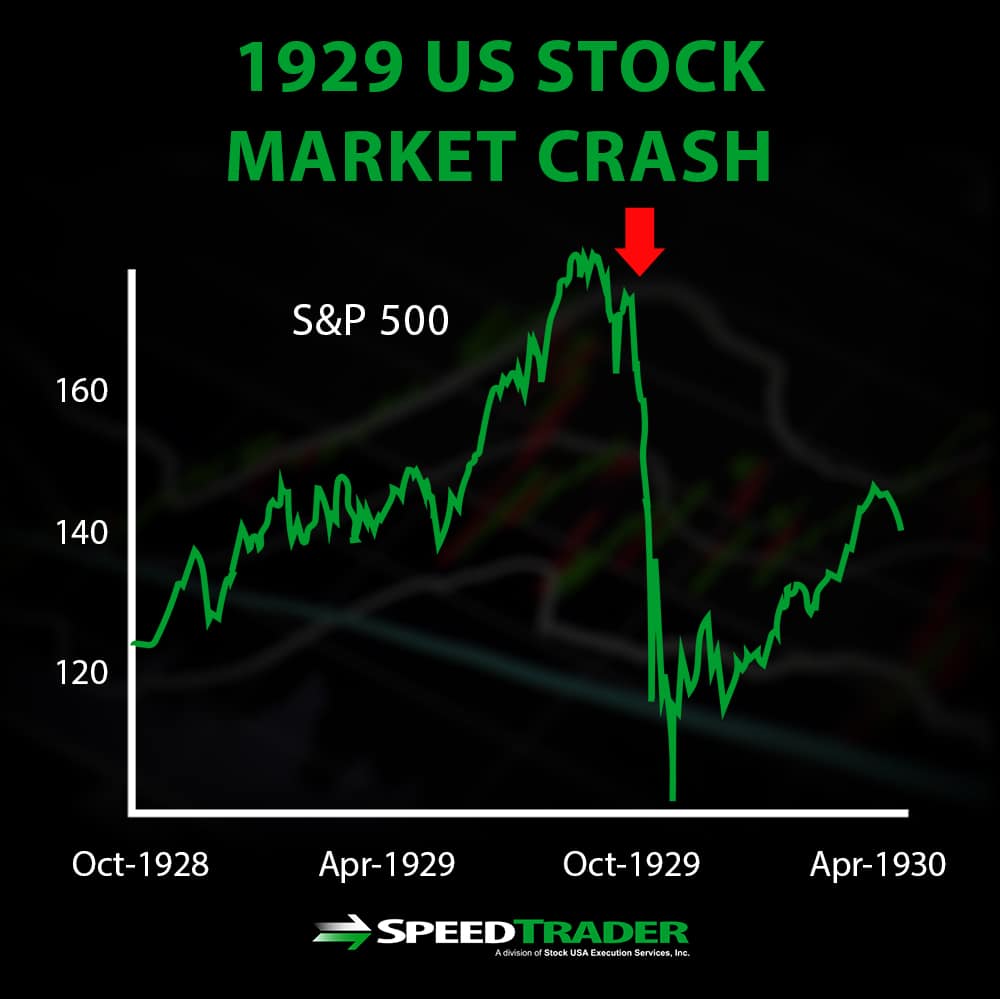
Understanding the Anatomy of a Market Crash
To truly grasp how a stock market crashes, we must first define what it is and distinguish it from other market downturns. This foundational understanding allows us to identify the subtle, and not-so-subtle, indicators that often precede such events.
Defining a Stock Market Crash vs. Correction
While often used interchangeably in casual conversation, a “stock market crash” and a “market correction” are distinct phenomena with different implications. A market correction is typically defined as a decline of 10% to 20% from a recent peak in a broad market index, such as the S&P 500. Corrections are relatively common, occurring on average once every two years, and are often seen as a healthy and necessary reset for an overextended market, allowing it to shed excess speculation and return to a more sustainable growth path. They tend to be shorter in duration and less severe in their economic impact.
In contrast, a stock market crash signifies a much more rapid, significant, and often unexpected decline, typically involving a drop of 20% or more within a very short period—sometimes even in a single day or week. Crashes are characterized by extreme volatility, widespread panic selling, and often trigger broader economic distress, potentially leading to recessions. Famous examples include Black Monday in 1987 (a 22.6% drop in a single day), the Dot-com Bubble burst (2000-2002), the 2008 financial crisis, and the COVID-19 related crash in March 2020. The speed and severity are key distinguishing factors.
Key Indicators Preceding a Crash
Stock market crashes rarely occur without some preceding signs, though these are often clearer in hindsight. Identifying these indicators requires a keen eye on economic fundamentals, market sentiment, and systemic risk.
One primary indicator is overvaluation, often seen as asset bubbles forming. This occurs when stock prices rise significantly beyond their historical average valuations, decoupled from underlying corporate earnings or economic growth. High price-to-earnings (P/E) ratios, elevated price-to-sales ratios, and speculative frenzies in particular sectors or assets can signal that the market is running on irrational exuberance rather than sound fundamentals.
Another significant warning sign is excessive speculation and irrational exuberance. When ordinary investors start pouring into the market, often driven by fear of missing out (FOMO) and the belief that “this time it’s different,” it can create an unsustainable upward trend. This is often accompanied by aggressive risk-taking, such as borrowing heavily to invest (margin investing), and a proliferation of complex, sometimes opaque, financial instruments.
Loose monetary policy from central banks, characterized by low interest rates and abundant liquidity, can also contribute to the conditions for a crash. While designed to stimulate economic growth, prolonged periods of easy money can inflate asset prices, encourage excessive borrowing, and foster a “reach for yield” where investors take on greater risk to achieve returns. This creates an environment where capital is cheap and readily available, potentially fueling speculative bubbles.
Finally, an increase in leverage within the financial system is a critical, albeit often hidden, precursor. When financial institutions, corporations, and individuals take on substantial debt, it makes the entire system more fragile. Should asset prices decline, highly leveraged entities face margin calls or insolvency, which can quickly turn a downturn into a full-blown crisis, as witnessed during the 2008 global financial crisis.
Catalysts and Triggers: What Ignites the Downturn?
While underlying conditions set the stage, a specific event or series of events often acts as the spark that ignites a full-blown market crash. These catalysts can be economic, financial, psychological, or even technological in nature.
Economic Shocks
Major economic disruptions frequently serve as direct triggers for market downturns. A sudden and severe recession, marked by declining GDP, rising unemployment, and reduced consumer spending, can rapidly erode corporate profits and investor confidence. Inflation spikes can force central banks to raise interest rates aggressively, making borrowing more expensive, slowing economic activity, and reducing the present value of future earnings, thus hurting stock valuations.
Commodity price shocks, such as a sudden surge or collapse in oil prices, can have far-reaching effects across industries, impacting production costs, consumer purchasing power, and corporate profitability. Furthermore, the sudden collapse of a major industry or company, especially one deeply integrated into the global supply chain or financial system, can send ripple effects throughout the market, triggering fears of broader systemic instability. The dot-com bust, for example, saw the rapid unraveling of numerous overvalued technology companies.
Financial System Fragilities
Cracks within the financial system itself can also initiate crashes. Credit crises arise when lenders become unwilling to lend, or borrowers unable to repay, freezing the flow of capital essential for economic activity. This often leads to liquidity squeezes, where even solvent institutions struggle to access short-term funding.
Bank failures, especially those of major institutions, can trigger widespread panic and undermine confidence in the entire financial system. The interconnectedness of modern finance means that the failure of one institution can cascade, leading to a domino effect of defaults and solvency issues across the board. The 2008 crisis illustrated how the collapse of subprime mortgage-backed securities and the ensuing credit crunch brought the global financial system to its knees.
Psychological Factors and Herd Mentality
Beyond economic and financial fundamentals, human psychology plays an enormous role in accelerating market crashes. When negative news or a catalyst emerges, initial selling can quickly morph into widespread loss of confidence. This loss of confidence fosters panic selling, where investors, driven by fear rather than rational analysis, rush to liquidate their holdings, often at any price, to avoid further losses.
This behavior is amplified by herd mentality, where individuals follow the actions of the larger group, even if those actions are irrational. As prices fall, more investors become fearful, leading to more selling, creating a self-reinforcing downward spiral. This collective emotional response can push market valuations far below what underlying fundamentals would suggest, demonstrating how quickly sentiment can override reason in volatile times.
Technological & Algorithmic Trading
In the modern era, technology and algorithmic trading have introduced new dynamics to market crashes. High-frequency trading (HFT) and complex algorithms, which execute millions of trades per second, can exacerbate market volatility. While typically providing liquidity, during periods of stress, these algorithms can rapidly pull back bids, contributing to sudden, steep price drops known as flash crashes.
Algorithmic feedback loops can also play a role. When algorithms are programmed to sell once a certain price threshold is breached, or upon detecting certain market conditions, a large number of these automated systems selling simultaneously can overwhelm buying demand and accelerate price declines at an unprecedented speed, making recovery more challenging in the short term.
The Mechanics of a Downward Spiral
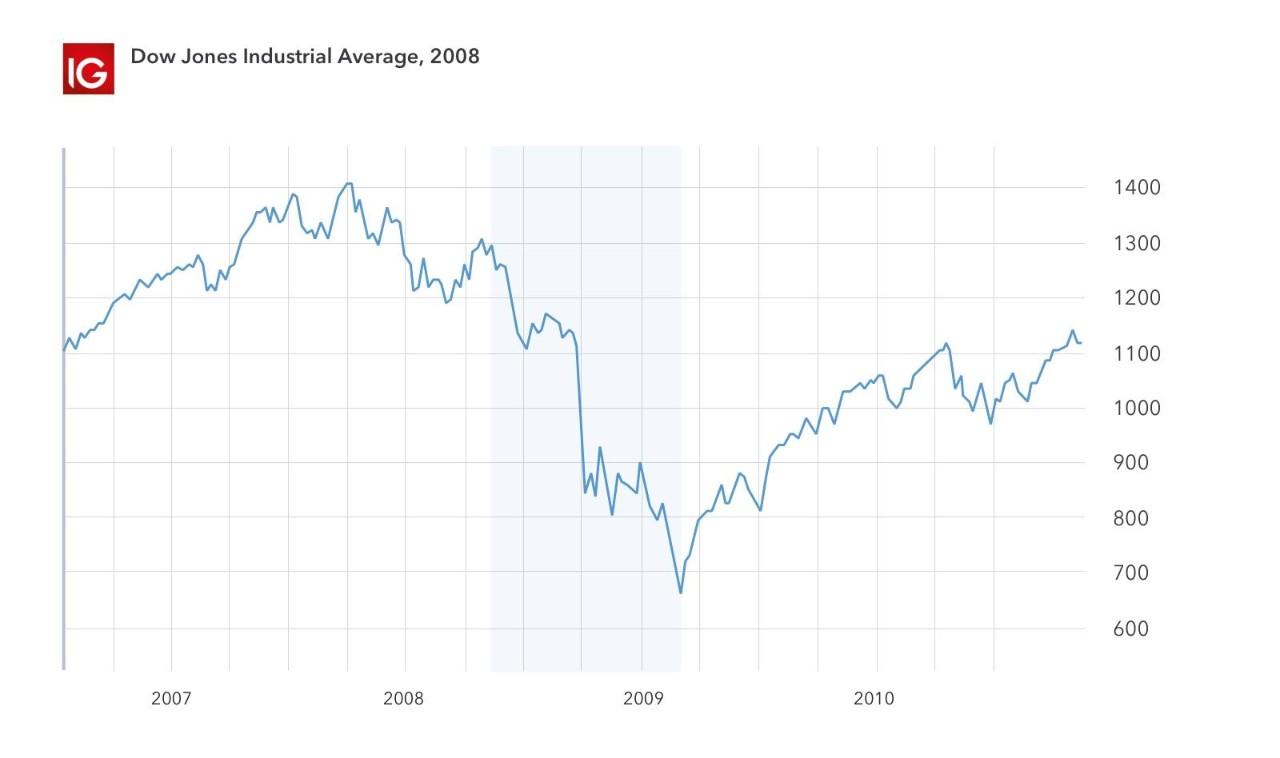
Once a catalyst triggers a significant market downturn, specific mechanisms come into play that amplify the selling pressure and convert a mere correction into a full-blown crash.
Initial Sell-Off and Momentum
The process typically begins with an initial sell-off in response to the triggering event. As prices start to fall, this often triggers automated stop-loss orders placed by investors to limit potential losses. These orders, once activated, automatically sell shares, further increasing the supply in the market and pushing prices down even faster. This creates a downward momentum where falling prices beget more selling, and fear feeds on itself. The market enters a negative feedback loop where buyers become scarce, and sellers become desperate.
Margin Calls and Forced Selling
A critical accelerator in many crashes is the phenomenon of margin calls. Many investors use borrowed money (margin) from their brokers to buy stocks. When the value of these stocks falls significantly, the broker issues a “margin call,” requiring the investor to deposit more funds to cover their loan. If the investor cannot meet the margin call, the broker is legally entitled to force liquidations of the investor’s holdings to cover the debt. This forced selling, irrespective of the investor’s long-term conviction, adds immense selling pressure to an already falling market, creating a vicious cycle that can decimate entire portfolios and further depress prices.
Contagion and Systemic Risk
The interconnectedness of the global financial system means that a downturn in one market or asset class can quickly lead to contagion. The impact spreads across different geographies, financial instruments, and economic sectors. For example, a crisis in the housing market can impact banks, which in turn impacts lending, affecting businesses and consumers globally. This creates systemic risk, where the failure of one major institution or market segment threatens the stability of the entire system. Investors, seeing problems spread, pull capital out of various assets, intensifying the selling pressure across the board.
Liquidity Crisis
A severe stock market crash can rapidly evolve into a liquidity crisis. In normal market conditions, there are ample buyers and sellers, making it easy to trade assets without significantly impacting their prices. However, during a crash, buyers disappear, and sellers flood the market. This makes it difficult for even large institutions to sell their assets without driving prices even lower. The credit markets can also seize up, meaning banks become hesitant to lend to each other or to businesses and consumers, further stifling economic activity and compounding the crisis.
Government and Central Bank Interventions
When a stock market crash threatens the broader economy, governments and central banks often step in with various measures to restore confidence, stabilize markets, and mitigate the economic fallout.
Monetary Policy Tools
Central banks, such as the U.S. Federal Reserve, primarily use monetary policy tools. The most common response is to cut interest rates dramatically to near zero, making borrowing cheaper and encouraging banks to lend, thus stimulating investment and consumption. They may also engage in quantitative easing (QE), which involves buying large quantities of government bonds and other financial assets from banks. This injects massive amounts of liquidity into the financial system, lowering long-term interest rates and aiming to encourage lending and investment. Additionally, central banks can establish emergency lending facilities to provide direct liquidity to financial institutions facing solvency issues.
Fiscal Policy Measures
Governments, on the other hand, implement fiscal policy measures. This often includes large-scale government spending packages (stimulus) aimed at boosting demand, creating jobs, and investing in infrastructure. Examples include direct payments to citizens, unemployment benefits, and aid to distressed industries. Tax cuts can also be implemented to put more money into the hands of consumers and businesses, encouraging spending and investment. In severe cases, governments may resort to bailouts for critical industries or financial institutions deemed “too big to fail” to prevent a complete collapse of the financial system.
Regulatory Responses
Beyond immediate interventions, crashes often lead to long-term regulatory responses designed to prevent future crises. These might include implementing circuit breakers in stock exchanges, which temporarily halt trading when prices fall by a certain percentage, giving investors time to cool off and preventing flash crashes. New regulations, such as the Dodd-Frank Act after the 2008 crisis, aim to increase oversight of financial institutions, reduce excessive risk-taking, and improve transparency in the financial markets, strengthening the overall resilience of the system.
Investing Strategies Amidst and After a Crash
For investors, understanding how crashes occur is only half the battle; knowing how to navigate them is equally crucial for financial survival and success.
Defensive Investing Before a Crash
Prudent investors often adopt defensive investing strategies during bull markets to prepare for eventual downturns. This includes maintaining diversification across various asset classes (stocks, bonds, real estate, commodities), industries, and geographies to reduce portfolio concentration risk. Holding cash reserves provides both a safety net and dry powder to seize opportunities during a downturn. Investing in defensive sectors such as utilities, consumer staples, and healthcare, which tend to be less sensitive to economic cycles, can also provide some stability. Regularly rebalancing portfolios to maintain target asset allocations helps trim overperforming assets and reinvest in underperforming ones, ensuring risks don’t become disproportionately high.
Navigating a Crash
During a crash, the most critical advice is to avoid panic selling. While emotions run high, selling into a falling market locks in losses. Instead, investors should focus on long-term goals and remember that market downturns are temporary, even if painful. Dollar-cost averaging, which involves investing a fixed amount of money at regular intervals regardless of market fluctuations, can be particularly effective during crashes. By continuously investing, one buys more shares when prices are low, lowering the average cost per share. This period also presents unique opportunities to buy quality assets at discounted prices, allowing long-term investors to significantly boost their potential returns once the market recovers.
Post-Crash Recovery and Lessons Learned
History consistently shows that market bottoms are often followed by strong recoveries. While the timing is unpredictable, equity markets eventually rebound as economic conditions improve and confidence returns. The key for investors is patience and resilience. Understanding market cycles—the natural ebb and flow of expansions, peaks, contractions, and troughs—is vital. Each crash, while devastating, offers invaluable lessons learned about risk management, the importance of a well-diversified portfolio, and the dangers of excessive speculation. It reinforces the idea that successful investing is a marathon, not a sprint, and that market volatility is an inherent part of the journey.

Conclusion
The stock market crash is a complex phenomenon, born from a confluence of economic imbalances, systemic vulnerabilities, psychological biases, and specific triggering events. It is not a random act but rather the dramatic culmination of pressures building beneath the surface of seemingly robust markets. From overvalued assets and excessive speculation to financial fragilities and human panic, each element plays a role in transforming a healthy correction into a devastating downturn.
However, understanding “how does the stock market crash” is more than just an academic exercise; it is an essential component of informed financial decision-making. While the short-term pain can be immense, crashes are also an integral part of market evolution, cleansing excesses and paving the way for future growth. For investors, preparation through diversification, prudent risk management, and a long-term perspective is paramount. For policymakers, lessons learned from past crashes inform strategies to stabilize economies and build more resilient financial systems. Ultimately, by comprehending the intricate mechanics of a crash, we can better equip ourselves to navigate the unpredictable, yet cyclical, tides of the financial markets.
aViewFromTheCave is a participant in the Amazon Services LLC Associates Program, an affiliate advertising program designed to provide a means for sites to earn advertising fees by advertising and linking to Amazon.com. Amazon, the Amazon logo, AmazonSupply, and the AmazonSupply logo are trademarks of Amazon.com, Inc. or its affiliates. As an Amazon Associate we earn affiliate commissions from qualifying purchases.