
For anyone navigating the complex world of investing, understanding the operating hours of stock exchanges is more than just a trivial detail—it’s a fundamental piece of information that influences strategy, risk management, and overall market awareness. The seemingly simple question of “what time does the stock exchange close?” unlocks a deeper discussion about market dynamics, extended trading sessions, and the global interconnectedness of financial markets. Whether you’re a seasoned day trader, a long-term investor, or simply curious about the mechanics of the financial world, knowing when the bell rings for closing can significantly impact your financial decisions and peace of mind.
This article delves into the standard closing times of major stock exchanges, explores the often-overlooked world of pre-market and after-hours trading, and highlights why these hours matter for different types of investors. We’ll examine the impact of news and earnings announcements around these times, discuss the importance of market holidays, and point to practical tools for staying informed, all within the comprehensive realm of personal finance, investing, and business finance.
Understanding Standard Market Hours
The heart of equity trading beats loudest during its standard operating hours. These hours dictate when the vast majority of transactions occur, when bid and ask prices are most active, and when market depth is at its greatest. While specific times vary by region, the principles remain consistent: a designated opening and closing bell marks the official trading day.
The New York Stock Exchange (NYSE) and NASDAQ
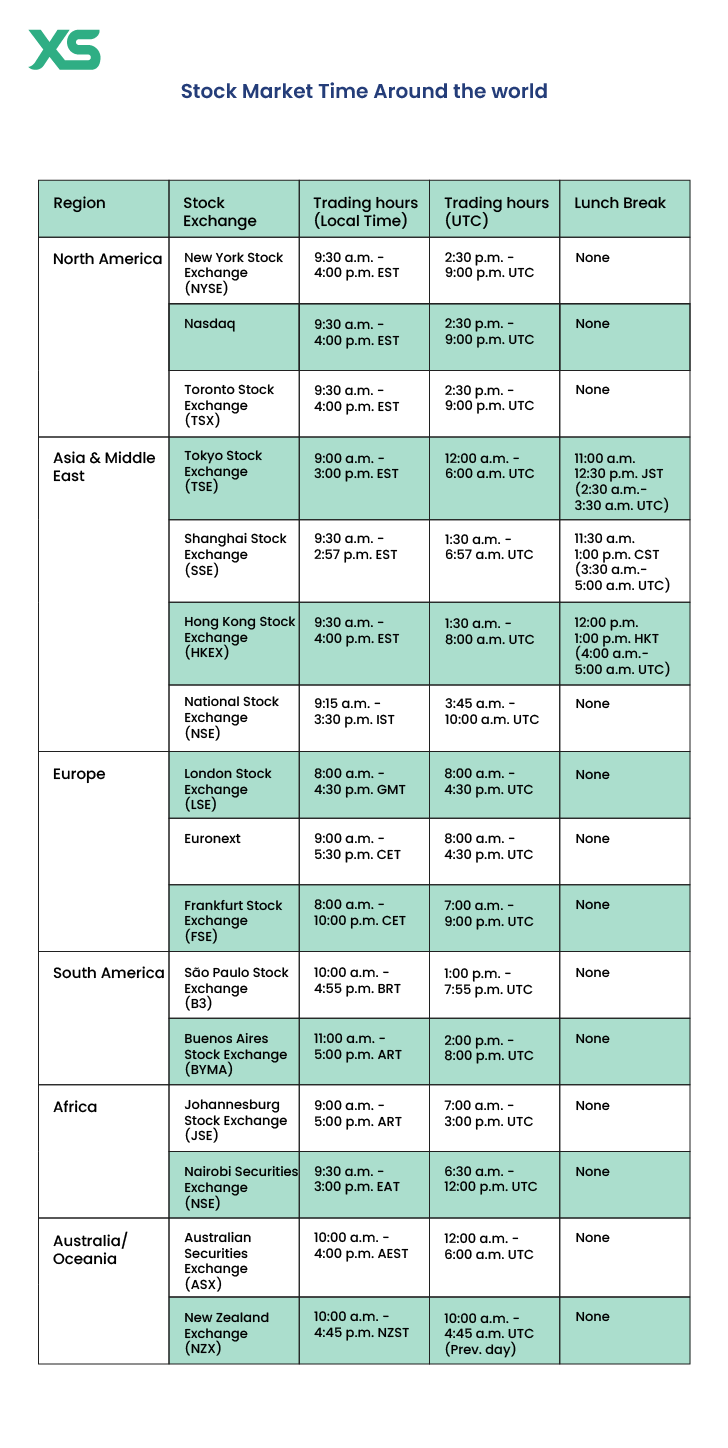
In the United States, the two most prominent stock exchanges—the New York Stock Exchange (NYSE) and the NASDAQ—share identical standard trading hours. They operate from 9:30 AM Eastern Standard Time (EST) to 4:00 PM EST, Monday through Friday. This 6.5-hour window is often referred to as “regular trading hours” or “cash hours” and represents the core period for market activity.
It’s crucial for investors to remember that these exchanges, like most financial institutions, observe national holidays. Days such as New Year’s Day, Martin Luther King Jr. Day, Presidents’ Day, Good Friday, Memorial Day, Juneteenth National Independence Day, Independence Day, Labor Day, Thanksgiving Day, and Christmas Day typically see the markets closed entirely. Additionally, there are sometimes early closures, such as on the day before Thanksgiving or Christmas Eve, where trading might conclude at 1:00 PM EST. Always consulting an official market holiday calendar is advisable for precise planning.
Global Perspectives: A Glimpse at International Markets
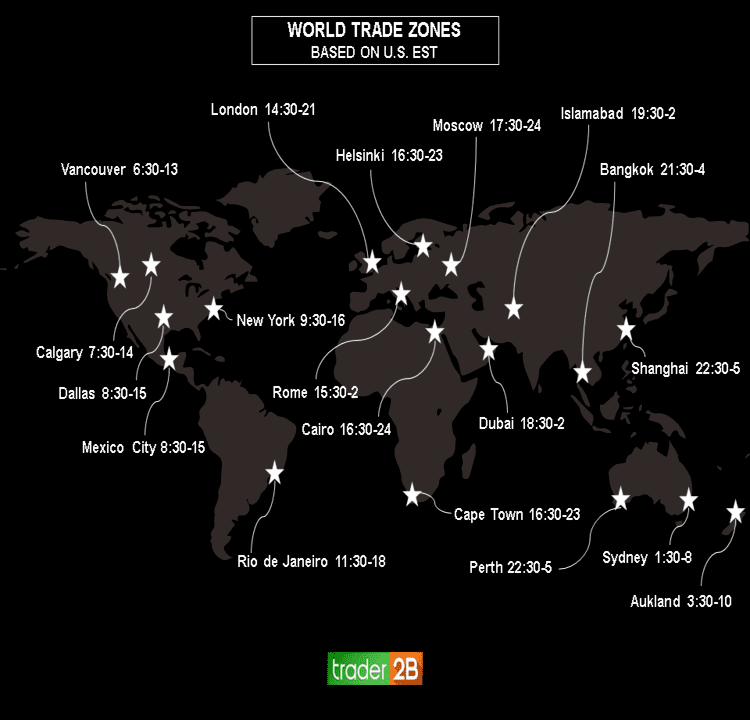
The world’s financial markets are a 24-hour cycle, albeit with individual exchanges operating within their local time zones. Understanding global closing times is particularly relevant for investors with international portfolios or those trading global exchange-traded funds (ETFs) and American Depositary Receipts (ADRs).
- London Stock Exchange (LSE): Operates from 8:00 AM to 4:30 PM Greenwich Mean Time (GMT).
- Tokyo Stock Exchange (TSE): Has a morning session from 9:00 AM to 11:30 AM Japan Standard Time (JST) and an afternoon session from 12:30 PM to 3:00 PM JST.
- Shanghai Stock Exchange (SSE): Similar to Tokyo, it has a morning session (9:30 AM – 11:30 AM China Standard Time, CST) and an afternoon session (1:00 PM – 3:00 PM CST).
- Euronext (Paris, Amsterdam, Brussels, Lisbon): Typically runs from 9:00 AM to 5:30 PM Central European Time (CET).
These examples highlight the diversity in market hours and underscore the importance of being aware of time zone differences. What might be an early morning opening in Tokyo could be late afternoon in New York, influencing news flow and market sentiment across different trading sessions.
Beyond Regular Hours: Extended Trading Sessions
The idea that the stock market simply closes at 4:00 PM EST is a simplification. Modern electronic trading systems allow for significant activity outside of standard market hours, providing both opportunities and unique challenges for investors. These “extended trading sessions” often involve less liquidity and higher volatility but can be critical for reacting to breaking news.
Pre-Market Trading
Pre-market trading refers to the period before the official market opening. For the NYSE and NASDAQ, this typically begins as early as 4:00 AM EST and runs until 9:30 AM EST. During this time, investors can place buy and sell orders, often in anticipation of, or in response to, news that breaks overnight or early in the morning.
Key drivers for pre-market activity include:
- Earnings Reports: Many companies release their quarterly earnings results before the market opens. Traders react to these announcements, causing significant price movements.
- Major News Events: Geopolitical developments, economic data releases, or company-specific news (e.g., mergers, drug trial results) can trigger pre-market trading.
- Analyst Upgrades/Downgrades: Investment bank analysts often publish their updated ratings before the market opens, influencing pre-market sentiment.
While pre-market trading offers the advantage of early reaction, it comes with risks. Lower trading volumes can lead to wider bid-ask spreads, making it harder to get desirable prices, and increased volatility can result in rapid, unpredictable price swings.
After-Hours Trading
Conversely, after-hours trading takes place after the regular market closes, typically from 4:00 PM EST until 8:00 PM EST. This session serves a similar purpose to pre-market trading, allowing investors to react to information that becomes available after the closing bell.
Common triggers for after-hours activity include:
- Late-Day Earnings Reports: Many companies opt to release their earnings after market close, providing analysts and investors time to digest the information before the next trading day.
- CEO/CFO Conference Calls: Following earnings releases, companies often host calls with analysts and investors, which can generate further price action.
- Breaking News: Any significant company or market-related news that emerges in the late afternoon or early evening can spur after-hours trading.
Like pre-market, after-hours trading is characterized by reduced liquidity and increased volatility. Investors participating in these sessions must be prepared for potentially larger price movements and the challenge of executing trades at desired prices due to fewer participants.
The Impact of Market Closing Times on Investors

The timing of market closures and extended sessions is not merely a logistical detail; it has profound implications for how investors manage their portfolios, assess risk, and execute their strategies. Different investor profiles will experience these dynamics in varying ways.
Strategic Implications for Day Traders and Swing Traders
For day traders, whose strategy involves opening and closing positions within a single trading day, the 4:00 PM EST closing bell is an absolute deadline. They must typically liquidate all their positions before the market closes to avoid carrying overnight risk, which can be substantial given the potential for significant price gaps the next morning due to after-hours news. Swing traders, who hold positions for several days or weeks, must carefully consider the potential impact of overnight news, earnings reports, and extended trading on their open positions. They often use after-hours trading to react to major developments, but also understand the heightened risk involved.
Long-Term Investors and Portfolio Management
Long-term investors, focusing on capital appreciation over years rather than days, are less concerned with the minute-by-minute fluctuations of extended trading sessions. However, understanding closing times and market holidays is still crucial for planning. For instance, they need to know when they can place orders or if a specific dividend payout might be delayed due to a market holiday. Major company news, such as a CEO resignation or a new product launch, released after hours, can still significantly impact their long-term holdings when the market reopens, requiring them to stay informed even outside of regular hours.
The Role of News and Earnings Announcements
Companies strategically time their news and earnings announcements. Releasing them after market close or before market open allows the market participants time to digest the information without immediate, chaotic trading during regular hours. This timing aims to create a more orderly reaction once the regular session begins or during extended hours. Investors must remain vigilant around these times, as major price movements often occur based on these releases. Missing a key announcement because one isn’t monitoring market news after the bell can lead to being caught off guard when the market reopens.
Navigating Market Holidays and Interruptions
Beyond the daily rhythm of opening and closing, stock exchanges observe various holidays and, on rare occasions, can face unexpected interruptions. Being aware of these exceptions is vital for managing expectations and planning trading activity.
Major Stock Market Holidays
As mentioned, stock exchanges in the U.S. and globally adhere to national holidays. Missing these dates can lead to missed opportunities or, more likely, frustration when attempting to execute a trade on a closed market. Most brokerage platforms and financial news websites provide readily accessible calendars of market holidays well in advance. These holidays are not just days off; they are periods when no official trading occurs, meaning no price movements, no order executions, and no liquidity until the next trading day.
Early Closures and Unexpected Halts
In addition to full-day holidays, markets occasionally have early closures. These are often observed the day before major holidays, such as Christmas Eve or the day after Thanksgiving, where trading might conclude at 1:00 PM EST. While less common, unexpected market halts can also occur. These can be due to:
- Circuit Breakers: Designed to curb panic selling, these mechanisms temporarily halt trading across the entire market if a major index (like the S&P 500) falls by a certain percentage.
- Technical Glitches: System failures at the exchange or major brokerages can necessitate temporary halts.
- Extreme Events: In very rare circumstances, such as national emergencies or periods of profound instability, markets may be closed for extended periods by government or regulatory bodies.
These interruptions, though infrequent, underscore the dynamic and sometimes unpredictable nature of financial markets, reminding investors to stay updated through official channels.
Practical Tools and Resources for Tracking Market Hours
In today’s digital age, staying informed about market hours and related news is easier than ever. A wealth of tools and resources are available to help investors navigate the complexities of trading schedules.
Financial News Websites and Platforms
Major financial news outlets are indispensable for tracking market hours, holidays, and extended trading sessions. Websites like Bloomberg, Reuters, The Wall Street Journal, Yahoo Finance, and Google Finance all provide real-time market data, often including clearly marked opening and closing times, countdowns to the next session, and detailed market holiday calendars. These platforms also offer news feeds that are crucial for understanding events that might impact pre-market or after-hours trading.
Brokerage Platforms
Virtually all online brokerage platforms integrate market hours information directly into their interfaces. When you log in to your trading account, you’ll typically see indicators for whether the market is open, closed, or in an extended session. Many platforms also offer alerts for market openings and closings, and some even have built-in holiday calendars, making it convenient to plan your trades. For traders using advanced order types, understanding the ‘good until cancelled’ (GTC) vs. ‘day order’ distinction is often tied to market closing times.
Smartphone Apps and Widgets
For investors on the go, a plethora of smartphone apps and widgets provide instant access to market information. Apps from financial news providers or standalone market tracking apps often include customizable alerts for market open/close times, notifications for earnings releases, and holiday schedules. These tools offer unparalleled convenience, ensuring that you can stay connected to the markets regardless of your location.
Conclusion
The question “what time does the stock exchange close?” serves as a gateway to understanding the intricate rhythm of global financial markets. From the standard 9:30 AM to 4:00 PM EST operating hours of major U.S. exchanges like the NYSE and NASDAQ, to the extended realms of pre-market and after-hours trading, and the critical awareness of market holidays, every aspect of market timing plays a role in effective investing.
For day traders, market closing is a hard stop; for long-term investors, it’s a marker for absorbing significant news. Understanding these nuances empowers investors to make informed decisions, manage risk proactively, and leverage opportunities that arise during extended sessions. By utilizing the readily available financial tools and resources, investors can confidently navigate the market’s schedule, ensuring they are always in sync with its pulse, and ultimately, better positioned to achieve their financial goals.
aViewFromTheCave is a participant in the Amazon Services LLC Associates Program, an affiliate advertising program designed to provide a means for sites to earn advertising fees by advertising and linking to Amazon.com. Amazon, the Amazon logo, AmazonSupply, and the AmazonSupply logo are trademarks of Amazon.com, Inc. or its affiliates. As an Amazon Associate we earn affiliate commissions from qualifying purchases.