
Halloween, a spectral symphony of spooky delight and creative expression, has evolved into a significant annual event, both culturally and economically. From elaborate decorations to themed parties and, most importantly, the perfect costume, the financial implications of celebrating this holiday can quickly add up. For many, the thrill of transforming into a fantastical creature or a pop culture icon is tempered by the often-looming question: “Where can I find an amazing costume without breaking the bank?” This article transcends a simple list of retailers, delving instead into the strategic financial considerations and astute shopping techniques required to navigate the Halloween costume market efficiently. We will explore how smart personal finance principles can ensure you achieve your desired look without experiencing a financial fright.

Deconstructing the Retail Landscape: Cost-Benefit Analysis for Your Halloween Haul
Understanding the various avenues available for costume acquisition is the first step toward making financially sound decisions. Each retail channel presents its own set of advantages and potential monetary pitfalls that consumers must carefully weigh.
The Digital Bazaar: E-commerce Platforms and Their Monetary Nuances
The internet has revolutionized shopping, offering unparalleled convenience and an seemingly infinite selection. For Halloween costumes, online marketplaces are a double-edged sword from a financial perspective. Platforms like Amazon, eBay, Etsy, and dedicated online costume stores (e.g., Spirit Halloween’s online portal, HalloweenCostumes.com) boast competitive pricing and often feature extensive size ranges and unique designs not found in physical stores. The ability to compare prices across multiple vendors with a few clicks can lead to significant savings. Moreover, digital coupon codes and flash sales are frequently available, providing opportunities for discounts.
However, the digital realm comes with its own set of hidden costs. Shipping fees, especially for expedited delivery as Halloween approaches, can quickly inflate the final price. The inability to try on costumes before purchase introduces the risk of ill-fitting items, potentially necessitating costly returns or, worse, a last-minute re-purchase. Sizing charts can be notoriously unreliable, and photographic representations might not always accurately depict material quality or color. Shoppers must factor in potential return shipping costs, the time investment in processing returns, and the possibility of having to buy another costume, effectively doubling their expenditure. Strategic buyers should always check return policies, read reviews regarding sizing, and consider the total cost including shipping, not just the initial price tag.
The Tangible Realm: Brick-and-Mortar Stores and Their Financial Footprint
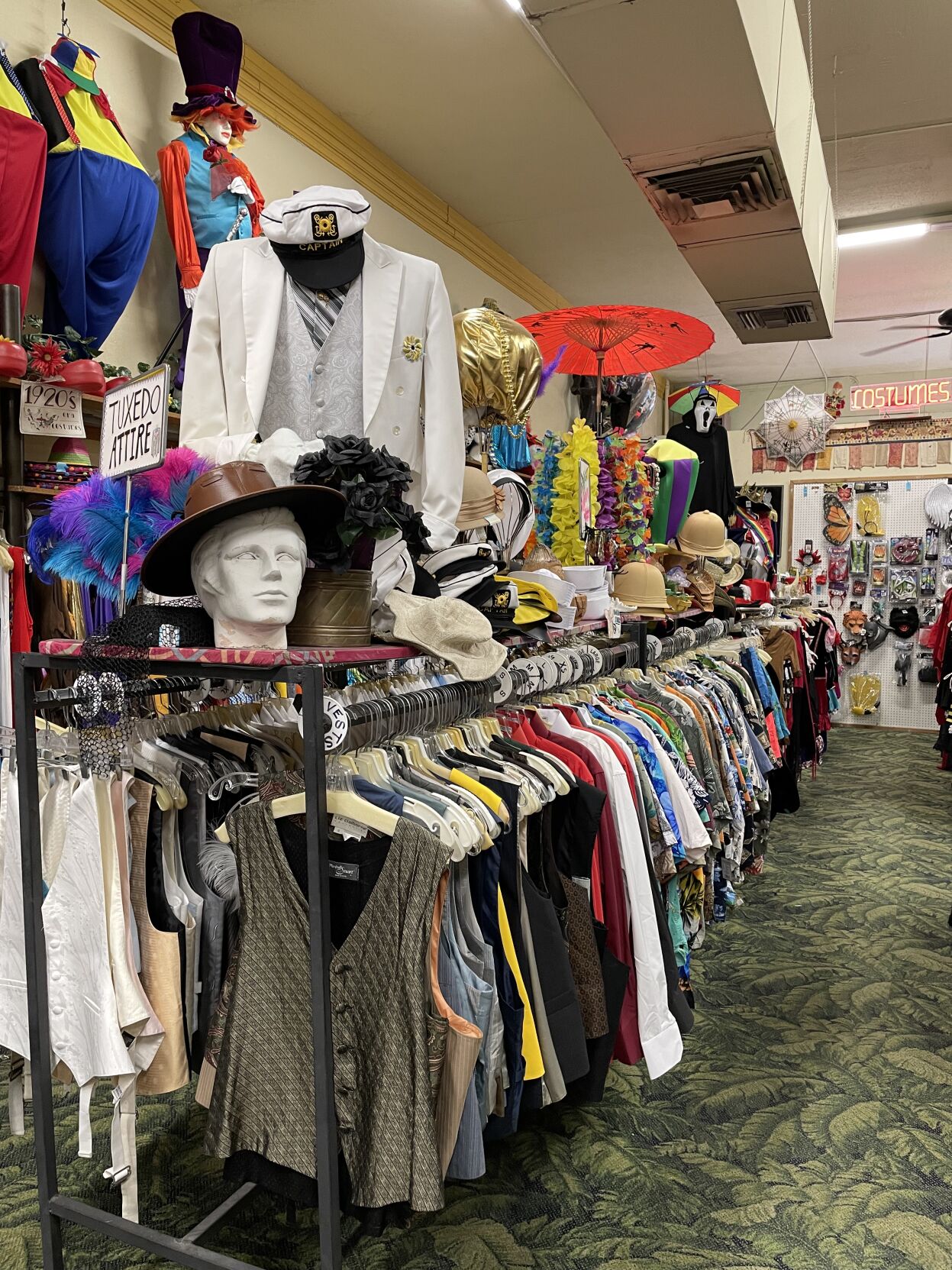
For those who prefer a hands-on approach, brick-and-mortar stores offer immediate gratification and the crucial ability to try on costumes before buying. Major retailers like Spirit Halloween, Party City, Walmart, and Target set up seasonal sections or pop-up stores dedicated to Halloween, providing a vibrant, immersive shopping experience. The advantages are clear: no shipping fees, instant acquisition, and the certainty of knowing how a costume looks and fits. This can eliminate the financial risk associated with online returns and ensure satisfaction.
However, the convenience often comes at a premium. Physical stores incur higher overheads (rent, staff, utilities), which are typically reflected in their pricing. Stock can be limited, especially for popular items or less common sizes, leading to disappointment and potentially forcing shoppers to settle for less ideal (or more expensive) alternatives. Furthermore, the time and transportation costs associated with visiting multiple stores can add up. The allure of the festive atmosphere can also encourage impulse purchases, leading to overspending on items that weren’t initially on the budget. Savvy shoppers will compare prices with online options while in-store (using their smartphone) to ensure they’re not paying an unnecessary premium.
Discount Dynamos and Specialty Shops: Weighing Value Against Price Tag
Beyond the mainstream, a spectrum of other retail options exists, each with a unique financial proposition. Thrift stores (Goodwill, Salvation Army) and consignment shops are treasure troves for budget-conscious individuals. Here, one can find entire costumes or individual components at a fraction of their original price, perfect for building unique, DIY ensembles. The environmental benefit of repurposing is an added bonus, though the trade-off is often a smaller selection and the need for more time and creativity.
Conversely, specialty costume shops or custom creators offer high-quality, often bespoke, costumes. While these represent a significant upfront investment, the quality, uniqueness, and durability can be exceptional. For those seeking a truly show-stopping or professional-grade costume, the higher price tag might be justifiable, especially if the costume can be reused for multiple events or has resale potential (which we will discuss later). The key is to differentiate between “cheap” (low price, low quality) and “cost-effective” (good value for money, possibly higher initial price but greater longevity or satisfaction).
Mastering Your Money for Monstrous Savings: Budgeting and Resourcefulness
Effective financial planning is paramount for a stress-free Halloween. Approaching costume shopping with a clear budget and a resourceful mindset can lead to both savings and creative satisfaction.
Crafting a Cunning Costume Budget: The Foundation of Frugality
Before even browsing, the single most impactful financial strategy is to establish a clear budget. This involves deciding on a maximum spending limit for your entire Halloween ensemble, including the main costume, accessories, makeup, and any props. Breaking down this budget into categories (e.g., 60% for the main costume, 20% for accessories, 10% for makeup, 10% for props) helps to allocate funds strategically and prevent overspending in one area at the expense of another. Differentiating between “needs” (essential components for the costume concept) and “wants” (optional embellishments) further refines your spending discipline. A well-defined budget acts as a financial guardian, guiding your choices and resisting impulse purchases.
The DIY vs. Pre-Made Equation: Calculating True Value
The age-old debate between creating your own costume and buying one off the shelf often boils down to perceived cost. While DIY might seem inherently cheaper, a true financial analysis requires a deeper dive. The cost of materials (fabric, paint, glue, specific components), tools (sewing machine, hot glue gun), and the value of your time must be factored in. Sometimes, purchasing all the necessary components for a DIY costume can surprisingly exceed the price of a mass-produced item, especially for complex designs.
However, DIY offers immense potential for unique, custom-fit, and budget-friendly options, especially when utilizing existing wardrobe items or thrift store finds as a base. It’s crucial to research material costs thoroughly before committing to a DIY project. For instance, creating a elaborate superhero costume from scratch might be more expensive than buying a licensed one, whereas a simple ghost or zombie outfit can be made very cheaply with old clothes and makeup. The decision should be based on a realistic assessment of both financial cost and time investment.
The Thrill of the Thrift: Unearthing Bargains and Upcycling Treasures
Thrift stores are an invaluable resource for the financially astute Halloween enthusiast. They offer an unparalleled opportunity to find unique, vintage clothing items that can serve as the foundation or key components for a wide array of costumes. Think old suits for a gangster, vintage dresses for a flapper, or oversized shirts for a pirate. Beyond complete outfits, thrift stores are excellent for acquiring cheap accessories, hats, jewelry, and even props that can be repurposed.
Shopping at second-hand stores not only saves money but also promotes sustainability by giving items a second life. The “hunt” itself can be part of the fun, transforming costume shopping into a creative scavenger mission. This strategy requires patience and an open mind, as you might not find exactly what you’re looking for immediately, but the financial rewards and unique results are often well worth the effort.
Strategic Spending: Optimizing Your Purchase for Maximum Impact and Minimal Outlay
Beyond choosing where to shop, when and how you shop can significantly impact your overall expenditure. Implementing smart purchasing strategies can lead to substantial savings without compromising on your Halloween vision.
Timing is Everything: Capitalizing on Early Bird and Post-Season Deals

The timing of your costume purchase is a critical financial lever. Waiting until the week before Halloween invariably leads to inflated prices, limited stock, and the disappearance of discounts as retailers capitalize on last-minute demand. The “early bird” strategy is almost always the most financially prudent. Beginning your costume hunt in late September or early October allows you to take advantage of initial sales and ensures you have a wider selection before popular items sell out.
Even more strategically, consider buying components or entire costumes during post-Halloween sales. Many retailers drastically reduce prices on remaining stock immediately after October 31st. While this won’t help for the current year, it’s an excellent opportunity to stock up on generic items (wigs, makeup kits, basic costume components) or even entire costumes for the following year, often at rock-bottom prices. This proactive approach requires foresight but yields significant long-term savings.
Leveraging Loyalty Programs and Coupon Codes: The Digital Dime-Savers
In the digital age, a wealth of financial tools and strategies can be deployed. Before making an online purchase, always search for coupon codes. Websites like RetailMeNot or browser extensions like Honey automatically find and apply available discounts. Signing up for newsletters from your favorite costume retailers can also unlock exclusive subscriber-only discounts and early access to sales.
For frequent shoppers at particular stores, leveraging loyalty programs can provide cumulative savings through points, exclusive discounts, or even free shipping. If using a credit card, consider one that offers cash back or rewards points on shopping categories that include seasonal purchases. These small, often overlooked, digital strategies can collectively shave a significant percentage off your total costume expenditure.
Group Economics: Collaborative Shopping and Costume Swaps
For group costumes or families, adopting a collaborative approach can unlock shared savings. Splitting the cost of bulk materials for a DIY group theme, or pooling resources to buy a more expensive, reusable prop, reduces the individual financial burden.
Furthermore, organizing a costume swap within your social circle, family, or community is an excellent way to save money and promote sustainability. Many individuals have perfectly good costumes from previous years gathering dust in their closets. A swap allows everyone to refresh their Halloween look for free, giving old costumes new life and preventing unnecessary new purchases. This fosters community spirit while being financially and environmentally responsible.
Beyond the One-Night Wear: The Investment Perspective of Your Costume
While Halloween is often a fleeting celebration, viewing your costume from an investment perspective can unlock further financial benefits, extending its value beyond a single night of fun.
Quality Over Quantity: Investing in Reusability and Durability
The cheapest costume often proves to be the most expensive in the long run if it’s poorly made, falls apart after one wear, or looks subpar. Investing a little more upfront in a higher-quality costume can be a financially astute decision. A well-made costume can be worn for multiple Halloweens, repurposed for other themed events, or even serve as imaginative dress-up attire for children. Look for durable fabrics, sturdy construction, and classic designs that won’t quickly go out of style. This approach maximizes the cost-per-wear value of your purchase, turning a one-time expense into a multi-use asset.
The Resale Revenue Stream: Monetizing Your Worn Wonders
Don’t let your fantastic costume gather dust after Halloween. Consider it a temporary asset that can be monetized. Platforms like eBay, Poshmark, Facebook Marketplace, or local consignment shops offer avenues to sell your gently used costumes. This not only recoups a portion of your initial investment but also provides funds for next year’s costume or other financial goals.
To maximize resale value, maintain the costume’s condition during wear and storage. Clean it thoroughly, repair any minor damage, and store it properly in a garment bag or sealed container to prevent deterioration. High-quality, popular, or unique costumes tend to fetch better resale prices, further incentivizing an initial investment in durability and appeal.
Storage and Maintenance: Protecting Your Costume Investment
Proper storage and maintenance are crucial for extending the life and preserving the value of your costume, whether for future personal use or resale. After Halloween, clean the costume according to its care instructions. Store delicate items in garment bags, and organize accessories in labeled containers to prevent damage or loss. Keep costumes in a cool, dry place away from direct sunlight, which can fade colors and degrade fabrics. This simple act of care ensures your costume remains in excellent condition, ready for its next appearance or to attract a buyer, thereby safeguarding your initial financial outlay.
Avoiding Financial Frights: Common Money Traps in Costume Shopping
Even with the best intentions, several common pitfalls can lead to overspending and financial regret during the Halloween costume hunt. Being aware of these “financial frights” can help you navigate the season with greater fiscal discipline.
The Impulse Buy Monster: Resisting Unplanned Expenditure
The festive atmosphere of Halloween retail, coupled with clever marketing, can often lead to impulse buys. That dazzling accessory you didn’t plan for, the “must-have” prop, or an entirely different costume that catches your eye at the last minute can quickly derail your budget. The key to resisting the impulse buy monster is to stick strictly to your pre-defined budget and shopping list. Ask yourself if the item is truly essential for your costume concept or if it’s simply a momentary whim. If it’s not on your list, consider walking away for a few minutes to evaluate if it’s a necessary purchase.
The Hidden Costs Ghoul: Accessories, Makeup, and Shipping Surprises
Often, the advertised price of a costume only includes the main garment, leaving out crucial components that complete the look. Wigs, specific shoes, jewelry, professional-grade makeup, and specialized props are frequently sold separately and can add a significant chunk to your total expenditure. When budgeting, always factor in these complementary items. Similarly, for online purchases, be vigilant about shipping costs, especially if opting for expedited delivery close to the holiday. These “hidden costs” can sneak up on you, transforming an initially affordable costume into an unexpectedly expensive ensemble. Always read product descriptions carefully and add all necessary components to your cart to see the true total before committing.
The True Cost of “Cheap”: Differentiating Value from Low Price
While hunting for bargains is a cornerstone of savvy financial management, it’s crucial to distinguish between a genuinely good deal and simply buying a “cheap” item. Extremely low-priced costumes might be made from flimsy, uncomfortable materials that tear easily, look unappealing, or even pose safety risks. A costume that falls apart halfway through the night, or looks so poor that you’re dissatisfied, represents wasted money, regardless of its low initial price. Sometimes, spending a little more upfront for a higher-quality item that lasts longer, looks better, and brings more satisfaction can be the more financially prudent choice in the long run. Evaluate the value you’re receiving for the price, not just the price itself.
Conclusion
Halloween costume shopping doesn’t have to be a financially draining experience. By adopting a strategic, money-conscious approach, you can secure the perfect look without sacrificing your financial well-being. From intelligently navigating the diverse retail landscape and meticulously budgeting, to implementing smart shopping tactics and considering the long-term investment potential of your costume, every decision can be optimized for both fun and fiscal prudence. Avoiding common money traps and embracing resourcefulness will not only save you money but also enhance the satisfaction of your Halloween celebration. This year, dress up without financial stress, and enjoy a spooktacular, savvy Halloween.
aViewFromTheCave is a participant in the Amazon Services LLC Associates Program, an affiliate advertising program designed to provide a means for sites to earn advertising fees by advertising and linking to Amazon.com. Amazon, the Amazon logo, AmazonSupply, and the AmazonSupply logo are trademarks of Amazon.com, Inc. or its affiliates. As an Amazon Associate we earn affiliate commissions from qualifying purchases.