
Embarking on the journey of stock market investing can seem daunting, a complex world filled with jargon, charts, and seemingly unpredictable movements. Yet, for those willing to learn the ropes, the stock market offers an unparalleled opportunity to grow wealth, combat inflation, and achieve significant financial milestones. This guide is crafted specifically for beginners, demystifying the process and providing a clear, actionable roadmap to start investing with confidence.
Understanding the Fundamentals of Stock Market Investing
Before you commit your hard-earned money, it’s crucial to grasp the basic concepts that underpin the stock market. Think of it as learning the rules of a game before you start playing.
What is the Stock Market?
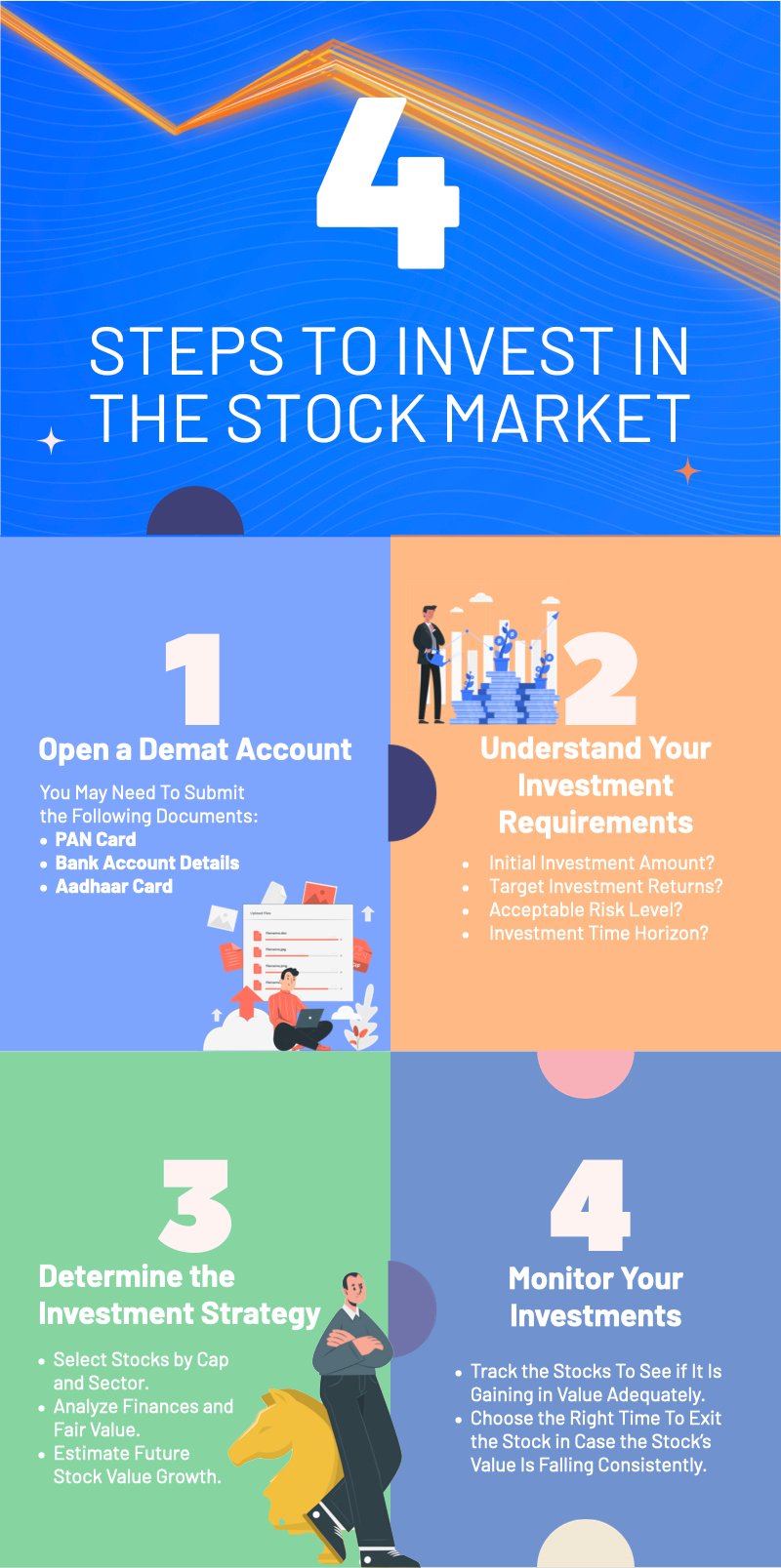
At its core, the stock market is simply a collection of markets and exchanges where the buying, selling, and issuance of shares of publicly-held companies take place. When you buy a stock, you’re purchasing a tiny piece of ownership in a company. Companies issue stocks to raise capital, which they then use to fund operations, expand, or develop new products. As an owner, albeit a small one, you have a claim on the company’s assets and earnings, and you can potentially profit as the company grows and its value increases. The price of a stock fluctuates based on supply and demand, company performance, economic news, and investor sentiment.
Why Invest in Stocks?
The primary reason individuals invest in stocks is for the potential for capital appreciation—your investment grows in value over time. Historically, the stock market has offered higher returns than most other asset classes, such as bonds or savings accounts, over the long term. This growth is essential for outpacing inflation, which erodes the purchasing power of your money over time. While past performance is no guarantee of future results, the compounding effect of returns over decades can transform modest initial investments into substantial wealth. Additionally, some stocks pay dividends, which are regular cash payments to shareholders, providing an additional income stream.
Key Terminology for Beginners
Navigating the stock market requires familiarity with some fundamental terms:
- Stocks/Shares: Units of ownership in a company.
- Dividends: A portion of a company’s profits paid out to shareholders.
- Volatility: The degree of variation of a trading price over time. High volatility means prices fluctuate wildly.
- Bull Market: A market condition where prices are rising or are expected to rise.
- Bear Market: A market condition where prices are falling or are expected to fall.
- Brokerage Account: An investment account with a brokerage firm that allows you to buy and sell investments.
- Diversification: Spreading your investments across various assets to reduce risk.
- Asset Allocation: The strategy of balancing risk and reward by adjusting the percentage of each asset in an investment portfolio according to the investor’s risk tolerance, goals, and investment timeline.
Preparing for Your Investment Journey
Investing successfully isn’t just about picking the right stocks; it’s about preparing yourself financially and psychologically. A solid foundation prevents common pitfalls and sets you up for long-term success.
Assess Your Financial Readiness
Before allocating funds to the stock market, ensure your personal finances are in order. This means:
- Emergency Fund: Have at least 3-6 months’ worth of living expenses saved in an easily accessible, liquid account (like a high-yield savings account). This fund acts as a buffer, preventing you from having to sell investments at a loss if an unexpected expense arises.
- High-Interest Debt: Prioritize paying off high-interest debt, such as credit card balances or personal loans. The guaranteed return from eliminating a 20% interest debt far outweighs the potential, but uncertain, returns from stock market investing.
Define Your Investment Goals
What do you hope to achieve by investing? Your goals will dictate your investment strategy, risk tolerance, and time horizon.
- Short-term vs. Long-term: Are you saving for a down payment in five years (short-term) or retirement in 30 years (long-term)? Short-term goals typically call for lower-risk investments, while long-term goals can accommodate higher-growth, higher-risk assets like stocks.
- Specific Objectives: Whether it’s retirement, a child’s education, or buying a home, clear goals help you stay focused and motivated during market fluctuations.
Determine Your Risk Tolerance
Risk tolerance is your psychological comfort level with the potential for your investments to lose value. It’s a crucial factor in determining your asset allocation.
- Aggressive: Comfortable with significant fluctuations for the potential of higher returns.
- Moderate: Seeks a balance between growth and capital preservation.
- Conservative: Prioritizes capital preservation, even if it means lower returns.
Understand that stocks are inherently more volatile than bonds or cash. Your age, income stability, and financial dependents also play a role in defining your acceptable risk level.
Start Small and Learn Continuously
You don’t need a massive sum to start investing. Many brokerage firms allow you to open accounts with modest deposits, and some even offer fractional shares, letting you buy small pieces of expensive stocks. Begin with an amount you’re comfortable losing, and gradually increase your contributions as your knowledge and confidence grow. The stock market is dynamic; commit to lifelong learning through reputable financial news, books, and educational resources.
Choosing the Right Investment Vehicles for Beginners
The stock market offers various ways to invest. For beginners, certain vehicles provide a balance of diversification and simplicity, making them ideal starting points.
Individual Stocks
Buying individual stocks means directly owning shares of a specific company. This approach offers the highest potential for gain if you pick a winner, but also carries the highest risk. If that company performs poorly, your investment suffers. For beginners, researching and selecting individual stocks to create a truly diversified portfolio can be time-consuming and challenging. It requires a deep understanding of financial statements, industry trends, and competitive landscapes. While exciting, it’s often recommended to start with broader, more diversified options before diving into individual stock picking.
Exchange-Traded Funds (ETFs)
ETFs are an excellent choice for beginners. An ETF is a basket of securities—like stocks, bonds, or commodities—that trades on an exchange, much like a single stock. When you buy an ETF, you’re instantly diversified across potentially hundreds or thousands of underlying assets. For instance, an S&P 500 ETF holds stocks of the 500 largest U.S. companies, giving you broad market exposure with a single purchase.
- Benefits: Instant diversification, lower expense ratios (fees) compared to actively managed mutual funds, flexibility (can be bought and sold throughout the day), and transparency (you know exactly what assets it holds).
- Examples: ETFs tracking major indices (e.g., VOO for S&P 500, QQQ for Nasdaq 100), sector-specific ETFs (e.g., technology, healthcare), or bond ETFs.
Mutual Funds
Mutual funds are professionally managed portfolios of stocks, bonds, or other investments. Investors buy shares in the fund, and the fund manager makes investment decisions to meet the fund’s objectives. Mutual funds offer diversification and professional management, which can be appealing to those who prefer a hands-off approach.
- Considerations: Often have higher expense ratios than ETFs, and some may charge sales loads (commissions). They are typically priced once per day after the market closes.
Index Funds
Index funds are a type of mutual fund or ETF designed to replicate the performance of a specific market index, such as the S&P 500. They are passively managed, meaning they simply aim to match the index, rather than trying to beat it.
- Benefits: Very low expense ratios, broad diversification, and historically, most actively managed funds struggle to consistently outperform their benchmark index over the long term. This makes them a strong contender for core long-term holdings for beginners.
Steps to Start Investing
With your foundation set and your preferred investment vehicles identified, it’s time to take action.
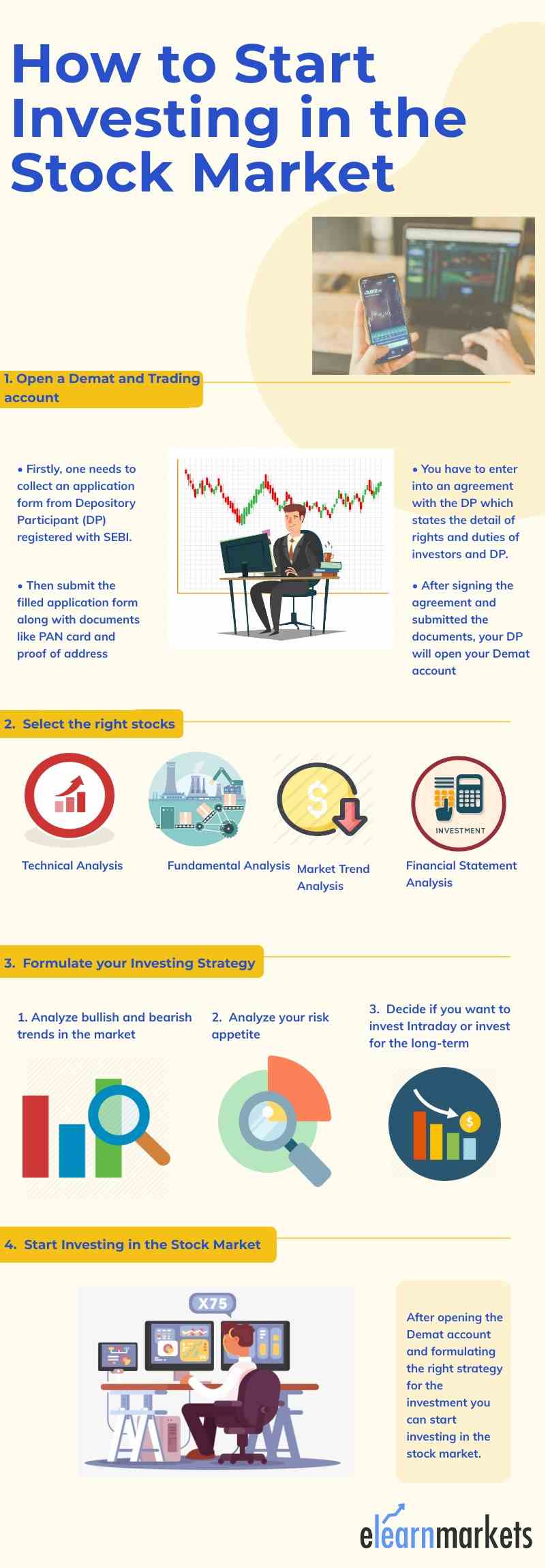
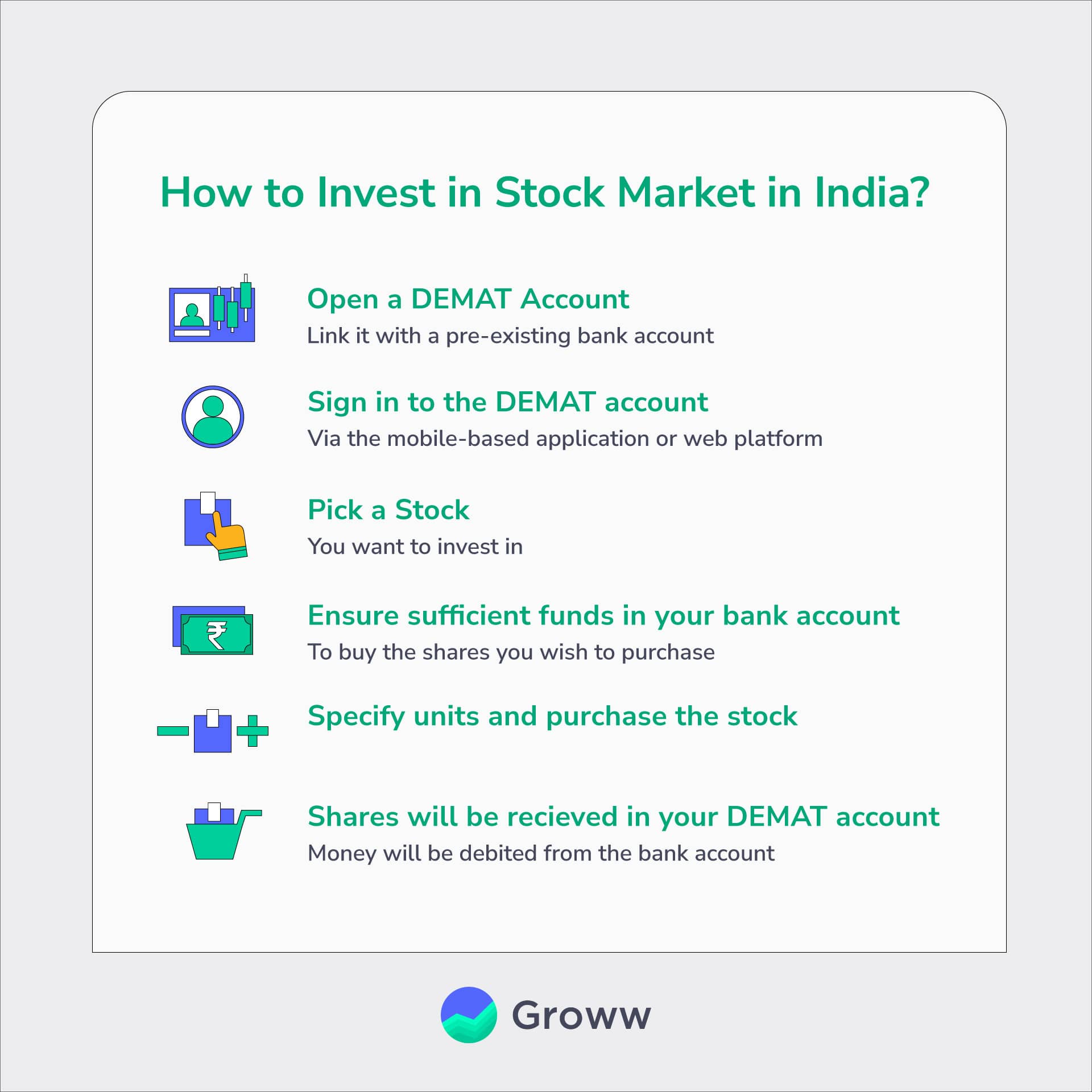
Open a Brokerage Account
This is your gateway to the stock market. You’ll need to choose an online brokerage firm. Look for firms with:
- Low or Zero Commissions: Many popular brokers now offer commission-free trading for stocks and ETFs.
- User-Friendly Platform: Especially important for beginners.
- Educational Resources: Good brokers offer tutorials, articles, and webinars.
- Customer Support: Accessible and responsive help when you need it.
- Account Types: Consider a Roth IRA or Traditional IRA for retirement savings, which offer tax advantages. A taxable brokerage account offers more flexibility but no specific tax benefits for contributions.
Fund Your Account
Once your account is open, you’ll need to transfer money into it. This can typically be done via:
- Electronic Fund Transfer (EFT): Linking your bank account for easy transfers.
- Wire Transfer: For larger sums, often with a fee.
- Check Deposit: A traditional method, but slower.
- Automate Deposits: Set up automatic monthly or bi-weekly contributions. This is a powerful strategy, known as dollar-cost averaging, where you invest a fixed amount regularly, buying more shares when prices are low and fewer when prices are high. This helps reduce the impact of market volatility.
Research and Select Investments
Based on your goals and risk tolerance, research the ETFs, index funds, or individual stocks you plan to buy. For broad market exposure, an S&P 500 ETF or total stock market index fund is an excellent starting point for beginners. Read the fund’s prospectus or summary to understand its holdings, fees, and objectives.
Place Your First Order
Log into your brokerage account and initiate a buy order.
- Market Order: Buys or sells at the best available current price. It’s executed immediately but the price might fluctuate slightly.
- Limit Order: Buys or sells at a specific price or better. Your order will only execute if the stock reaches your specified price. For beginners, a market order for an ETF or index fund is usually sufficient, especially for dollar-cost averaging.
Monitor and Rebalance Your Portfolio
Investing is not a “set it and forget it” task, but it also doesn’t require daily checking.
- Monitor: Periodically review your portfolio’s performance (quarterly or semi-annually). Don’t panic during downturns; remember your long-term goals.
- Rebalance: Over time, some assets in your portfolio may grow more than others, altering your desired asset allocation. Rebalancing means selling some of your winners and buying more of your underperforming assets to bring your portfolio back to your target allocation. This helps maintain your desired risk level and can be done annually.
Common Pitfalls and Best Practices for New Investors
The path to successful investing is paved with good intentions, but also riddled with common mistakes. Being aware of these can save you significant heartache and capital.
Avoiding Emotional Decisions
The stock market can be a rollercoaster of emotions. Fear and greed are powerful drivers that can lead to poor decisions.
- Fear of Missing Out (FOMO): Chasing after hot stocks or trends that have already peaked.
- Panic Selling: Selling all your investments during a market downturn out of fear, often locking in losses.
- Best Practice: Stick to your investment plan. Understand that market corrections are normal and temporary. Focus on the long term and maintain a rational perspective.
The Importance of Diversification
Putting all your eggs in one basket is a recipe for disaster. If that one investment fails, you lose everything.
- Best Practice: Diversify across different companies, industries, and asset classes (stocks, bonds, real estate). ETFs and index funds are excellent tools for achieving instant, broad diversification.
Understanding Fees and Their Impact
Even small fees can significantly erode your returns over decades due to the power of compounding.
- Best Practice: Pay close attention to expense ratios for mutual funds and ETFs. Opt for low-cost index funds or ETFs whenever possible. Avoid excessive trading that racks up commission fees (though many brokers now offer commission-free trading).
Long-Term Mindset: Compounding and Patience
The true magic of investing happens over long periods, thanks to compounding returns—earning returns on your initial investment and on the accumulated returns from previous periods.
- Best Practice: Adopt a long-term perspective. Resist the urge to constantly check your portfolio or make drastic changes based on short-term market noise. Patience is a virtue in investing. “Time in the market beats timing the market.”
Continuous Learning and Adapting
The financial world is constantly evolving. What works today might not work tomorrow, and new opportunities emerge regularly.
- Best Practice: Stay informed, but don’t obsess. Read reputable financial news, books, and blogs. Understand macroeconomic trends and how they might impact your investments. Be open to adapting your strategy as your life circumstances change or as you gain more knowledge and experience.
Investing in the stock market is a powerful tool for building wealth, but it requires education, discipline, and a long-term perspective. By understanding the fundamentals, preparing financially, choosing appropriate investment vehicles, and avoiding common pitfalls, beginners can confidently take their first steps and embark on a rewarding financial journey. Start small, stay consistent, and let time and compounding work their magic.
aViewFromTheCave is a participant in the Amazon Services LLC Associates Program, an affiliate advertising program designed to provide a means for sites to earn advertising fees by advertising and linking to Amazon.com. Amazon, the Amazon logo, AmazonSupply, and the AmazonSupply logo are trademarks of Amazon.com, Inc. or its affiliates. As an Amazon Associate we earn affiliate commissions from qualifying purchases.