
In the dynamic world of business, a well-crafted proposal is often the gateway to unlocking critical financial resources, securing valuable partnerships, or winning lucrative contracts. It’s more than just a document; it’s a strategic financial instrument designed to articulate value, demonstrate viability, and persuade stakeholders to invest their capital, time, or trust in your vision. For entrepreneurs seeking startup capital, established businesses aiming for expansion, or service providers bidding for a major project, understanding how to structure and present a compelling business proposal can be the difference between stagnating and soaring. This guide delves into the essence of what makes a business proposal effective, specifically through the lens of its financial impact and strategic monetary considerations.

Understanding the Financial Core of Your Business Proposal
Before penning a single word, it’s crucial to grasp the fundamental financial objective your business proposal aims to achieve. Is it to secure a loan, attract equity investment, win a sales contract, or form a financially beneficial strategic alliance? Each objective dictates a slightly different emphasis and structure, but all revolve around demonstrating financial prudence, potential returns, and risk mitigation.
Identifying Your Audience’s Financial Interests
The primary determinant of your proposal’s success lies in its ability to resonate with its intended audience. Investors, lenders, or potential clients each have distinct financial drivers. An investor is looking for a strong return on investment (ROI), an attractive exit strategy, and a high-growth potential. A lender is primarily concerned with your ability to repay the loan, assessing your creditworthiness and the collateral available. A client, on the other hand, is evaluating how your proposal solves their problem, saves them money, or generates new revenue for them. Tailoring your financial arguments to these specific interests is paramount. Ignoring this step is akin to speaking a different financial language, leading to miscommunication and likely rejection.
Defining Clear Financial Objectives and Scope
Every business proposal must articulate clear, measurable financial objectives. Vague statements about “making money” are insufficient. Instead, specify revenue targets, profit margins, cost savings, or ROI projections within defined timeframes. For instance, a proposal might aim to “secure $500,000 in seed funding to achieve $1.5 million in revenue within the first 18 months, leading to a projected EBITDA of 20% by year three.” This level of specificity demonstrates financial foresight and a clear understanding of your venture’s economic trajectory. Furthermore, clearly define the scope of the proposal—what exactly are you offering or requesting, and what are the financial boundaries?
Key Components of a Financially Sound Business Proposal
A comprehensive business proposal acts as a blueprint, detailing every aspect of your venture or project, with a strong emphasis on its financial implications. While the exact sections may vary, the core elements are designed to systematically build a case for financial viability and attractiveness.
Executive Summary: The Financial Hook
The executive summary is arguably the most critical part of your proposal. It’s a concise, compelling overview that encapsulates the entire document, designed to hook the reader immediately. For financial stakeholders, this means highlighting the core opportunity, your unique value proposition, the size of the market opportunity, your funding request (if applicable), and crucially, the projected financial returns or benefits. Think of it as your elevator pitch, but with key financial metrics embedded. It should compel the reader to delve deeper into the detailed financial projections and strategic plans.
Problem, Solution, and Market Analysis: Uncovering Financial Opportunity
This section sets the stage by identifying a clear problem in the market and presenting your unique solution. From a financial perspective, the problem often represents an unmet need or inefficiency that your solution can capitalize on, leading to revenue generation or cost savings. Your market analysis must go beyond demographics, detailing the total addressable market (TAM), serviceable available market (SAM), and serviceable obtainable market (SOM), all quantified in monetary terms. How large is the market opportunity? Who are the key financial players? What is your pricing strategy, and how does it compare to competitors? This section demonstrates that there’s a substantial financial pie to be claimed.
Products/Services and Management Team: Value Creators
Detailing your products or services should focus on how they generate revenue, provide cost savings, or enhance value for the end-user, thereby justifying their price point. Explain the revenue model: subscription, one-time sale, freemium, licensing, etc. For the management team section, beyond showcasing experience and skills, highlight their financial acumen, past successes in managing budgets, achieving growth, or securing funding. Investors aren’t just backing an idea; they’re backing the people who will execute the financial plan. A strong team with a track record of financial responsibility adds significant credibility.
The Financial Section: Projections, Funding, and Returns
This is the heart of any money-focused business proposal. It must include detailed, well-researched financial projections, a clear funding request, and a robust explanation of potential returns.
Detailed Financial Projections
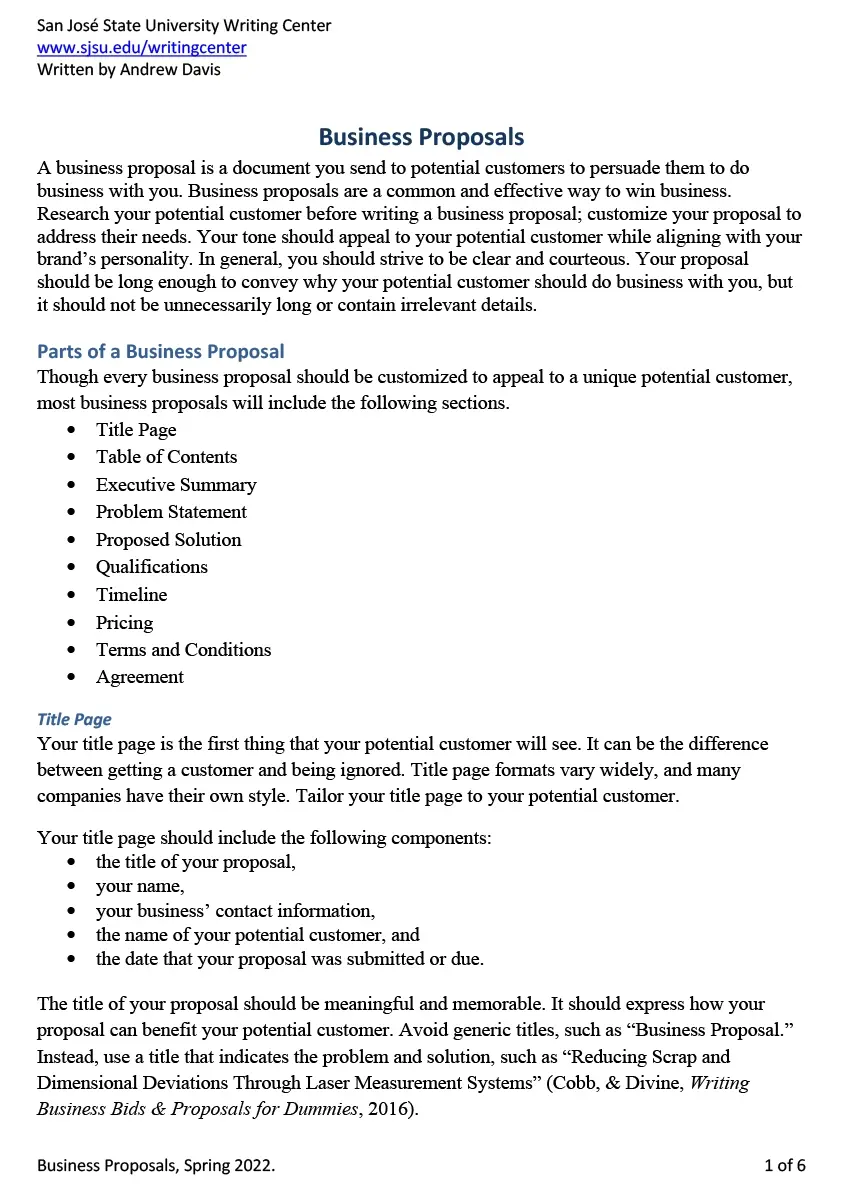
Provide realistic and well-supported financial forecasts for at least three to five years. This typically includes:
- Income Statement (P&L): Revenue, cost of goods sold (COGS), operating expenses, net profit. Show how you expect to generate revenue and manage costs to achieve profitability.
- Cash Flow Statement: Inflows and outflows of cash. This is crucial for demonstrating liquidity and your ability to manage working capital, especially important for lenders.
- Balance Sheet: Assets, liabilities, and equity. This provides a snapshot of your financial health at a specific point in time.
- Key Metrics: Break-even analysis, customer acquisition cost (CAC), customer lifetime value (CLTV), gross margin, EBITDA, and burn rate (for startups).
All projections should be based on credible assumptions, clearly stated and justified. Sensitivity analyses, showing how results change under different assumptions (e.g., lower sales, higher costs), can also add significant weight, demonstrating you’ve considered potential financial risks.
Funding Request and Utilization Plan
Clearly state the exact amount of funding you are seeking and precisely how these funds will be used. Break down the expenditure into categories: product development, marketing, hiring, operational costs, etc. This demonstrates responsible financial planning and transparency. For investors, explain what percentage of equity you are offering in exchange for the funding. For lenders, detail the repayment schedule and collateral.
ROI and Exit Strategy
For investors, articulating the potential return on investment (ROI) is paramount. This can be through future dividends, an acquisition, or an IPO. Present a clear, compelling exit strategy that shows how and when investors can expect to realize their financial gains. This demonstrates that you’ve thought beyond just launching the business and have a clear financial endpoint in mind for their capital.
Crafting a Compelling Financial Narrative
Beyond the numbers, your proposal needs a narrative that ties everything together, making the financial data not just digestible but persuasive. This narrative transforms raw data into a compelling story of financial opportunity.
Storytelling with Numbers
Don’t just present spreadsheets; interpret them. Explain why your revenues are projected to grow, how you plan to manage costs, and what makes your ROI attractive. Use charts, graphs, and infographics to visualize key financial trends and make complex data accessible. For example, instead of just stating “revenue will grow by 30%,” illustrate the factors driving this growth—new product launches, market penetration strategies, or increased customer retention—and show the financial impact of each.
Highlighting Value Proposition and Mitigating Financial Risks
Constantly link your solution back to its financial value: How does it save money, generate revenue, improve efficiency, or mitigate financial risk for your target audience? Address potential financial risks head-on. Acknowledge challenges like market volatility, competitive pressures, or operational costs, and outline your strategies for mitigating them. This builds trust and demonstrates a realistic understanding of the business landscape and its financial intricacies. Discuss contingency plans for unexpected financial setbacks.
Presenting Your Proposal for Maximum Financial Impact
The delivery of your proposal is almost as important as its content. A brilliantly written proposal can fall flat if not presented effectively.
Tailoring to Specific Financial Stakeholders
Remember your audience. A proposal for a venture capitalist will focus heavily on scalability, market disruption, and exponential returns, whereas a proposal for a bank loan will emphasize collateral, consistent cash flow, and repayment capacity. The language, emphasis, and even the format should be adapted to the financial lexicon and priorities of each stakeholder.
The Art of the Financial Pitch and Follow-Up
Often, the written proposal is followed by a live pitch. This is your chance to personally articulate your financial vision, demonstrate passion, and answer tough questions about your projections and assumptions. Be prepared to defend every financial figure. Following the pitch, proactive and professional follow-up is crucial. This might involve providing additional financial data, clarifying projections, or addressing any outstanding financial concerns raised during the meeting. Demonstrate persistence and a continued commitment to securing the financial backing.
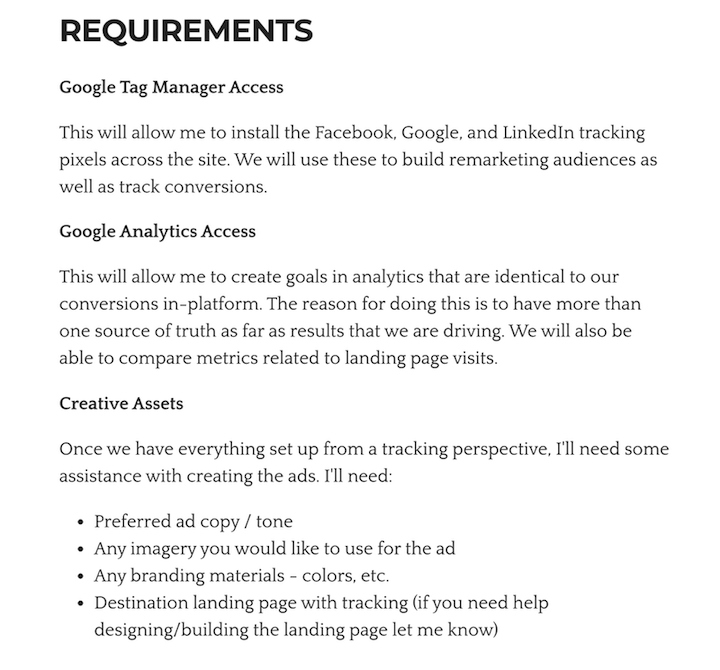
Conclusion
Writing a business proposal is a strategic exercise in financial communication. It requires meticulous research, a deep understanding of your market, and the ability to articulate a clear, compelling financial vision. By focusing on the core financial objectives, developing robust financial projections, crafting a persuasive narrative, and tailoring your message to your audience’s financial interests, you can create a powerful document that not only outlines your business but also unlocks the capital and partnerships necessary for its success. In the realm of money and business finance, a well-executed proposal is your most potent advocate.
aViewFromTheCave is a participant in the Amazon Services LLC Associates Program, an affiliate advertising program designed to provide a means for sites to earn advertising fees by advertising and linking to Amazon.com. Amazon, the Amazon logo, AmazonSupply, and the AmazonSupply logo are trademarks of Amazon.com, Inc. or its affiliates. As an Amazon Associate we earn affiliate commissions from qualifying purchases.