
Embarking on the journey of starting a company is an exhilarating prospect, brimming with potential and the promise of turning innovative ideas into tangible success. While passion and vision are critical drivers, the bedrock of any sustainable enterprise is sound financial planning and astute money management. This guide delves into the essential financial considerations for launching and growing a company, providing a comprehensive blueprint for aspiring entrepreneurs. From securing initial capital to navigating operational expenses and planning for long-term growth, understanding the monetary mechanics is paramount to transforming a nascent idea into a thriving business. Without a robust financial strategy, even the most brilliant concepts can falter. Therefore, let’s explore the financial landscape every founder must master to lay a solid foundation for their venture.

Laying the Financial Foundation: Pre-Launch Essentials
Before any product is sold or service rendered, the financial groundwork must be meticulously laid. This initial phase is about understanding the monetary implications of your business idea, assessing its viability, and planning for the resources it will require. Skipping these crucial steps can lead to significant financial hurdles down the line.
Defining Your Business Model and Financial Goals
The very first financial step is to clearly define your business model. What product or service will you offer? Who is your target customer? How will you generate revenue (e.g., direct sales, subscriptions, advertising, commissions)? Each revenue stream has different financial implications regarding setup costs, pricing strategies, and profit margins. Alongside this, establish clear, measurable financial goals. Are you aiming for profitability within the first year? Do you need to hit a certain revenue target to attract investors? What is your desired return on investment (ROI)? Setting these goals early provides a financial compass for all subsequent decisions. Understand your cost structure: what are your fixed costs (rent, salaries) versus variable costs (materials, transaction fees)? This distinction is vital for accurate financial forecasting.
Market Research and Competitive Analysis from a Financial Standpoint
While market research often focuses on demand and customer needs, it’s equally critical to conduct it through a financial lens. How much are customers willing to pay for your product or service? What are the pricing strategies of your competitors, and how will your pricing position you in the market? Analyze competitor financial models: are they profitable? What are their dominant revenue streams? Can you identify any underserved financial niches or opportunities for cost efficiencies in your own model? Understanding the market’s financial dynamics will help you set realistic pricing, project revenue more accurately, and identify potential financial pitfalls or opportunities. This research will inform your projections for sales volume, customer acquisition costs, and the overall market size you can financially tap into.
Crafting a Robust Business Plan: The Financial Section
A comprehensive business plan is more than just a roadmap; it’s a critical financial document. The financial section of your business plan will be the most scrutinized by potential investors, lenders, and even your own team. It should include detailed projections for revenue, expenses, profit and loss statements, cash flow statements, and a balance sheet for at least the first three to five years. Don’t underestimate the importance of realistic assumptions. Overly optimistic projections can undermine your credibility. Include a break-even analysis, clearly showing when your revenue will cover all your costs. This section must also outline your funding requirements and how the capital will be utilized. A well-articulated financial plan demonstrates your understanding of the economic realities of your business and your preparedness for the challenges ahead. It forces you to quantify your assumptions and stress-test your business model before you commit significant capital.
Funding Your Venture: Securing Capital
Once your financial plan is in place, the next critical step is to secure the necessary capital to bring your vision to life. Funding can come from various sources, each with its own advantages, disadvantages, and implications for your company’s ownership and future.
Self-Funding and Bootstrapping Strategies
Many entrepreneurs begin by self-funding their ventures, often referred to as bootstrapping. This involves using personal savings, credit cards, or generating initial revenue from early sales to finance operations. The primary advantage of bootstrapping is retaining full ownership and control of your company, avoiding dilution of equity. It also fosters financial discipline, forcing founders to be extremely resourceful and cost-conscious. Strategies include minimizing overhead, negotiating favorable payment terms with suppliers, offering pre-orders, and seeking early revenue generation opportunities. While it can be slower, bootstrapping ensures that the business model is inherently lean and resilient, as every dollar invested must directly contribute to growth or stability.
Exploring Debt Financing: Loans and Lines of Credit
Debt financing involves borrowing money that must be repaid, typically with interest, within a specified timeframe. Common sources include bank loans, Small Business Administration (SBA) loans (in the US), and lines of credit. Debt financing allows you to retain full ownership, but it introduces a fixed financial obligation. Lenders will thoroughly review your business plan, credit history, and collateral before approving a loan. A line of credit offers flexibility, allowing you to borrow and repay funds as needed, up to a certain limit. It’s crucial to understand the terms, interest rates, and repayment schedules to ensure your cash flow can support the debt service without jeopardizing operations. Debt financing is often preferred for established businesses with predictable revenue, but can also be viable for startups with strong collateral or a compelling business model.
Navigating Equity Financing: Investors and Venture Capital
Equity financing involves selling a portion of your company’s ownership (shares) to investors in exchange for capital. This typically comes from angel investors (high-net-worth individuals), venture capitalists (VC firms), or strategic corporate investors. The advantage is that you don’t incur debt repayments, and investors often bring valuable expertise, networks, and credibility. However, it means giving up a share of future profits and decision-making power. Each funding round (seed, Series A, B, etc.) involves diluting your ownership further. Founders must be prepared for rigorous due diligence, complex negotiations, and a long-term relationship with their investors. It’s vital to value your company accurately and negotiate terms that protect your interests while attracting the necessary capital for accelerated growth.
Alternative Funding Sources: Grants and Crowdfunding
Beyond traditional debt and equity, alternative funding sources can also play a significant role. Government grants, often non-dilutive, are available for specific industries, research, or social impact ventures. They typically have strict application processes and reporting requirements. Crowdfunding platforms (e.g., Kickstarter, Indiegogo for rewards-based; SeedInvest, Republic for equity-based) allow you to raise small amounts of capital from a large number of individuals. Rewards-based crowdfunding can validate market demand and generate initial sales without giving up equity, while equity crowdfunding offers a path to early-stage investment from the public. Each alternative method presents unique opportunities and challenges, requiring careful consideration of your company’s specific needs and objectives.
Managing Your Startup’s Finances: Operational Excellence
Securing capital is just the beginning. Effective day-to-day financial management is crucial for a startup’s survival and growth. Without diligent oversight, even well-funded companies can run into cash flow problems.
Setting Up Your Financial Systems: Banking and Accounting
Establishing robust financial systems from day one is non-negotiable. Open separate business bank accounts to keep personal and business finances distinct, which is vital for legal, tax, and accounting purposes. Choose a bank that understands the needs of small businesses and offers appropriate services. Simultaneously, implement an accounting system (e.g., QuickBooks, Xero, Wave) to track all income and expenses. This system will categorize transactions, generate financial reports, and simplify tax preparation. Consider hiring a bookkeeper or accountant, even on a part-time basis, to ensure accuracy and compliance, allowing you to focus on core business activities. Proper record-keeping is not just about compliance; it provides real-time insights into your financial health.
Budgeting and Cash Flow Management
Budgeting is your financial roadmap for operations. Create a detailed operating budget that forecasts all expected income and expenses over a specific period (e.g., monthly, quarterly). Regularly compare actual results against your budget to identify variances and take corrective action. Even more critical for startups is rigorous cash flow management. Cash flow is the movement of money into and out of your business. A company can be profitable on paper but still fail due to a lack of available cash to pay bills. Monitor your cash inflows (sales, investments) and outflows (salaries, rent, supplier payments) constantly. Develop cash flow projections and maintain a cash reserve for emergencies. Strategies include managing accounts receivable aggressively (collecting payments promptly) and optimizing accounts payable (negotiating payment terms with suppliers).
Understanding Profitability and Break-Even Analysis
While cash flow keeps the lights on, profitability ensures long-term viability. Profitability is the ability of your business to generate a profit, where revenue exceeds expenses. Understand your gross profit margin (revenue minus cost of goods sold) and net profit margin (revenue minus all expenses, including operating costs and taxes). Regularly analyze these metrics to identify areas for improvement. Crucially, conduct a break-even analysis to determine the point at which your total revenue equals your total costs, meaning you are neither making nor losing money. This calculation helps in setting sales targets and pricing strategies. Knowing your break-even point is fundamental for setting realistic sales goals and understanding the volume of business required to become financially self-sufficient.
Legal and Tax Compliance for Startups
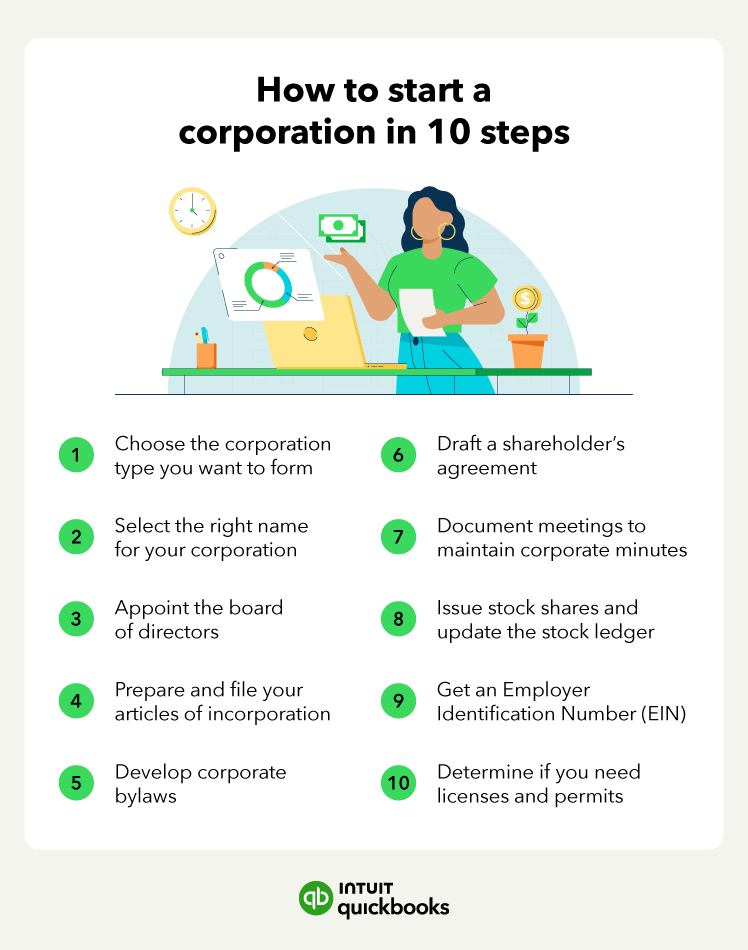
Navigating the legal and tax landscape is a complex but essential part of financial management. Choose the appropriate legal structure for your company (e.g., sole proprietorship, partnership, LLC, S-Corp, C-Corp), as this has significant implications for liability and taxation. Register your business with the relevant state and federal authorities. Understand your tax obligations, including income tax, sales tax, payroll taxes, and any industry-specific levies. Failing to comply with tax laws can result in severe penalties. Consider consulting with a legal professional and a tax accountant to ensure all filings are accurate and timely. Proactive compliance protects your company from legal challenges and financial penalties, ensuring a stable foundation for growth.
Scaling and Sustaining Growth: Financial Strategies for the Future
As your company matures and finds its footing, the financial focus shifts from survival to sustainable growth and long-term value creation. This requires strategic financial planning and prudent decision-making.
Reinvesting Profits for Expansion
When your company starts generating profits, a critical decision arises: how to allocate these funds. While some might be distributed to owners or shareholders, a significant portion should ideally be reinvested back into the business for strategic expansion. This could mean funding research and development for new products, expanding into new markets, upgrading technology, increasing marketing efforts, or hiring additional talent. Reinvestment is a powerful engine for compounding growth, allowing the company to build on its successes. Develop a clear policy for profit allocation that balances immediate returns with long-term growth objectives, ensuring that reinvestments are aligned with your overall strategic vision.
Financial Forecasting and Strategic Planning
Beyond short-term budgeting, financial forecasting becomes crucial for strategic planning. This involves making informed predictions about future revenue, expenses, and cash flow based on historical data, market trends, and business objectives. Accurate forecasts help in making critical decisions about product development, market entry, capital expenditure, and hiring. Strategic financial planning looks several years ahead, outlining how the company will achieve its long-term financial goals, including target market share, profitability milestones, and valuation objectives. Regularly review and adjust your forecasts and plans to adapt to changing market conditions and internal performance, ensuring your company remains agile and responsive.
Managing Debt and Equity Dilution
As your company grows, you might need additional funding. Strategic management of debt and equity becomes paramount. If opting for more debt, ensure the company’s financial health can support increased leverage without becoming over-indebted. Analyze debt-to-equity ratios and debt service coverage ratios carefully. If raising more equity, understand the implications of further dilution of ownership. While necessary for growth, excessive dilution can reduce founders’ control and future financial upside. Seek to raise capital at favorable valuations and from strategic partners who bring more than just money. Balance the need for capital with the desire to maintain a reasonable ownership stake and control.
Exit Strategies and Valuation
Even if an exit is years away, understanding potential exit strategies and how to maximize your company’s valuation is a crucial financial consideration from the outset. Common exit strategies include selling the company to a larger corporation (acquisition), going public through an Initial Public Offering (IPO), or a management buyout. Each strategy has different financial implications and requires distinct preparations. Building a company with a clear path to profitability, strong market position, recurring revenue, and robust intellectual property will naturally enhance its valuation. Consistently focus on creating long-term shareholder value through sound financial management, strategic growth, and operational efficiency, setting the stage for a successful and financially rewarding exit when the time is right.
Starting a company is a multifaceted endeavor, and while passion fuels the journey, financial acumen guides it. By meticulously planning your financial foundation, strategically securing capital, diligently managing your operational finances, and thoughtfully planning for future growth, entrepreneurs can significantly increase their chances of building a resilient, profitable, and impactful company. The financial blueprint outlined above is not merely a checklist but a dynamic framework for continuous learning, adaptation, and sustained success in the competitive business landscape.
aViewFromTheCave is a participant in the Amazon Services LLC Associates Program, an affiliate advertising program designed to provide a means for sites to earn advertising fees by advertising and linking to Amazon.com. Amazon, the Amazon logo, AmazonSupply, and the AmazonSupply logo are trademarks of Amazon.com, Inc. or its affiliates. As an Amazon Associate we earn affiliate commissions from qualifying purchases.