
In the dynamic world of entrepreneurship, securing adequate funding is often the bedrock of success, innovation, and expansion. While traditional avenues like bank loans and venture capital are well-trodden paths, business grants offer a unique and highly attractive alternative: non-dilutive capital that doesn’t require equity surrender or repayment. For countless businesses, from nascent startups to established enterprises looking to pivot or expand, grants can provide the crucial financial injection needed to bring ambitious projects to life, foster community impact, or drive technological advancement. However, the path to receiving a business grant is rarely straightforward. It demands meticulous preparation, strategic research, and a profound understanding of the application process. This article delves deep into the mechanisms of securing business grants, offering insights and actionable strategies to significantly enhance your chances of success in this competitive landscape.

Understanding the Landscape of Business Grants
Before embarking on the grant-seeking journey, it’s essential to grasp what business grants entail, their unique benefits, and to dispel common myths that often deter or misguide potential applicants.
What is a Business Grant?
At its core, a business grant is a sum of money awarded to an individual or organization for a specific purpose, project, or mission, with no expectation of repayment. Unlike loans, grants are not debt. Unlike equity investments, they do not require you to give up ownership in your company. Grants are typically provided by government agencies, foundations, or corporations looking to support initiatives that align with their philanthropic goals, public service mandates, or strategic interests. These funds are often targeted towards specific sectors, demographics, or types of projects, such as scientific research, community development, environmental sustainability, small business growth, or support for minority-owned businesses.
Why Pursue Grant Funding?
The primary allure of grant funding lies in its non-dilutive nature. This means you retain full ownership and control of your business while gaining access to capital that can fuel growth, innovation, or operational stability. Grants can significantly de-risk new ventures or experimental projects that might be too speculative for traditional lenders. They can also enhance a company’s credibility and public image, demonstrating external validation of its mission and potential impact. For businesses with social enterprises or community-driven missions, grants can provide the financial means to prioritize impact over purely commercial returns, aligning financial success with societal benefit.
Common Misconceptions About Grants
Many entrepreneurs harbor misconceptions about business grants. One prevalent myth is that grants are “free money” and easy to acquire. In reality, the grant application process is notoriously competitive, time-consuming, and demanding, often requiring extensive documentation and compelling proposals. Another misconception is that grants are universally available for any business idea; most grants are highly specific in their focus and eligibility criteria. Furthermore, some believe grants are only for non-profits, but a significant number of grants are specifically designed for for-profit businesses, particularly small and medium-sized enterprises (SMEs) and those innovating in key industries. Understanding these realities is the first step toward a pragmatic and ultimately successful grant-seeking strategy.
Preparing Your Business for Grant Opportunities
Success in grant acquisition hinges significantly on internal preparation. A well-prepared business not only identifies suitable grants more effectively but also presents a more compelling case to potential funders.
Defining Your Business Needs and Impact
Before you even begin searching for grants, articulate precisely why you need funding and how it will be used. What problem does your business solve? What impact will the grant project have on your target market, community, or industry? Grantors are looking to invest in projects that align with their mission and demonstrate clear, measurable outcomes. Develop a clear project plan that outlines objectives, activities, timelines, and expected results. The more specific and impactful your proposed use of funds, the stronger your application will be.
Crafting a Compelling Business Plan
A robust and well-articulated business plan is the cornerstone of any funding pursuit, grants included. This document should comprehensively detail your company’s mission, vision, products/services, market analysis, management team, operational strategy, and financial projections. Grant committees use your business plan to assess your organization’s overall viability, sustainability, and capacity to successfully execute the proposed grant project. Ensure it’s current, realistic, and highlights your unique selling propositions and growth potential.
Demonstrating Financial Prudence
While grants provide financial assistance, grantors want to see that your business is managed responsibly and has a solid financial foundation or a clear path to sustainability. This includes providing accurate financial statements (profit & loss, balance sheet, cash flow projections), demonstrating efficient use of existing resources, and showcasing a clear understanding of your current financial position. Some grants might even require matching funds, proving your commitment and leveraging other financial resources.
Building a Strong Online Presence and Community Engagement
In today’s digital age, your online presence acts as a living portfolio. A professional website, active social media channels, and positive public relations can significantly enhance your credibility. For grants focused on community impact or specific demographics, demonstrating genuine community engagement through partnerships, testimonials, or past initiatives can be a powerful asset, signaling your commitment and reach beyond just your business operations.
Identifying and Researching Suitable Grants
The grant landscape is vast and diverse. Pinpointing the grants that are the perfect fit for your business requires diligent research and strategic alignment.
Types of Grant Providers
Grants typically originate from three main categories:
- Government Agencies: Federal, state, and local governments offer grants to stimulate economic growth, support specific industries (e.g., technology, agriculture), or address societal challenges. Examples include Small Business Innovation Research (SBIR) and Small Business Technology Transfer (STTR) grants in the U.S.
- Foundations: Philanthropic organizations, often established by wealthy individuals or families, provide grants to support a wide range of causes aligned with their charitable missions. These can range from local community foundations to large international ones.
- Corporations: Many large corporations offer grants as part of their corporate social responsibility (CSR) initiatives, often supporting causes related to their industry, employee interests, or local communities where they operate.
Utilizing Grant Databases and Resources
Navigating the grant universe can be daunting without the right tools. Numerous online databases and resources exist to help businesses find relevant opportunities:
- Grants.gov (U.S.): The definitive source for federal grants.
- Foundation Directory Online: A comprehensive database of U.S. foundations.
- State and Local Government Websites: Many states and cities have dedicated portals for business support and grants.
- Industry-Specific Associations: Often have information on grants tailored to particular sectors.
- Grant Writing Consultants: Can offer expertise in identifying and matching businesses with grants.
Aligning Your Business with Grantor Missions
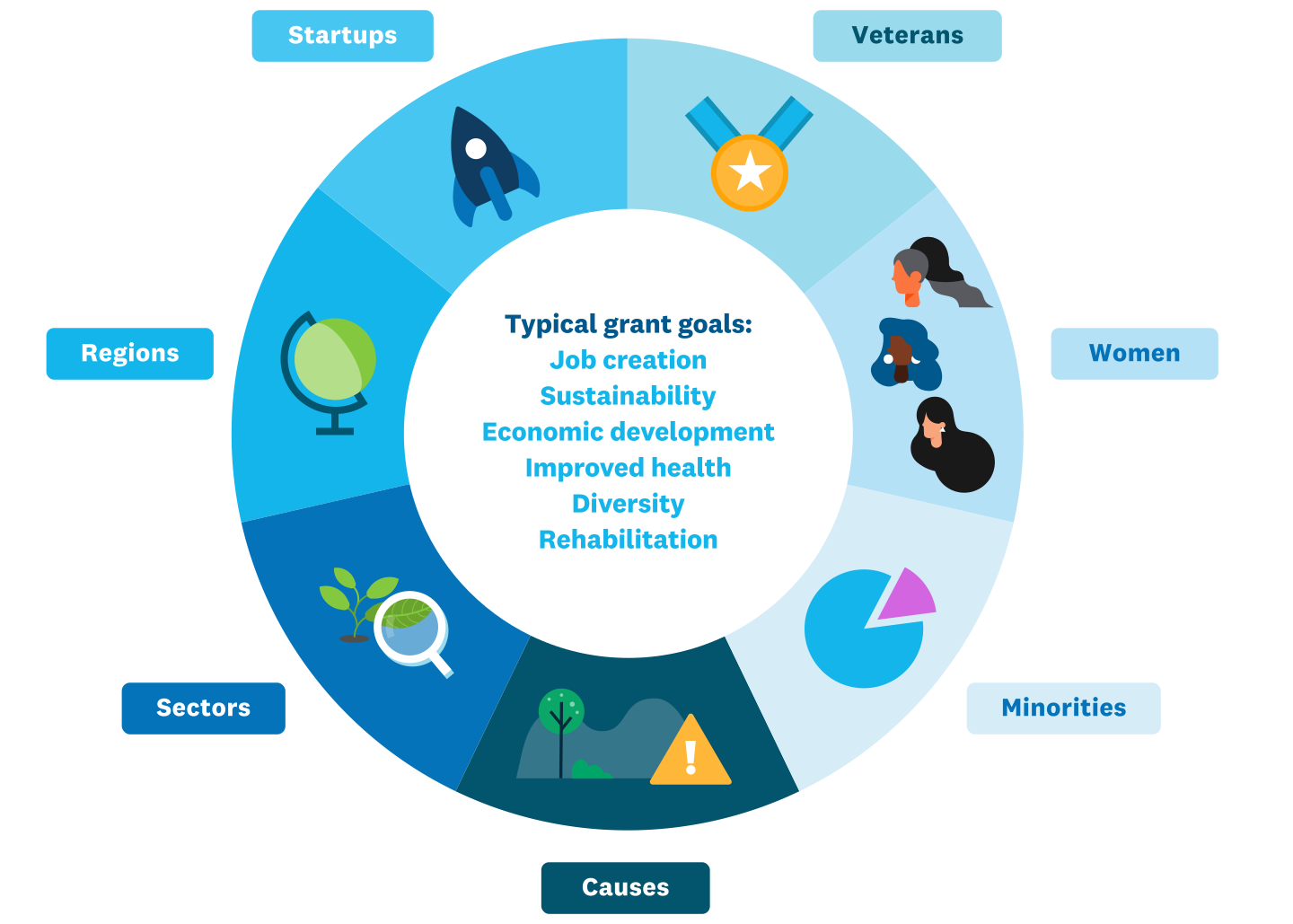
This is perhaps the most critical step. A grant application is not just about your needs; it’s about how your project helps the grantor achieve their goals. Thoroughly research the grantor’s mission, values, past funding priorities, and target impact areas. If your project doesn’t directly align with their stated objectives, even the most brilliantly written proposal is unlikely to succeed. Customizing your narrative to explicitly demonstrate this alignment is key.
Understanding Eligibility Criteria and Requirements
Before investing time in an application, meticulously review the eligibility criteria. These can include factors like business size, revenue, location, industry, ownership demographics (e.g., minority-owned, women-owned), or the specific technology or impact area. Missing even one eligibility requirement can lead to an automatic disqualification. Pay close attention to deadlines, required documents, and any specific formatting guidelines.
Mastering the Grant Application Process
Once you’ve identified a suitable grant, the application itself becomes your primary tool for convincing the grantor of your project’s merit. This stage demands precision, clarity, and persuasive writing.
Deconstructing the Application
Every grant application is a unique puzzle. Resist the urge to rush. Read through the entire application packet multiple times, highlighting key questions, required sections, and submission instructions. Create a checklist of all necessary components and deadlines. Understanding the scoring rubric, if provided, can also offer invaluable insight into what evaluators prioritize.
Writing a Persuasive Grant Proposal
Your grant proposal is your opportunity to tell a compelling story. It should clearly articulate:
- Executive Summary: A concise overview of your project, its impact, and funding request.
- Problem Statement: What specific issue does your project address?
- Project Description: Detailed plan of activities, goals, and methodologies.
- Organizational Capacity: Why your team is uniquely qualified to execute the project.
- Evaluation Plan: How you will measure success and impact.
- Sustainability Plan: How the project’s benefits will continue after grant funds are expended.
- Budget Narrative: Justification for every expense.
Focus on clear, concise language. Avoid jargon where possible, and ensure your passion and belief in the project shine through. Use data and evidence to support your claims of need and potential impact.
Developing a Detailed and Realistic Budget
The budget is more than just a list of numbers; it’s a financial reflection of your project plan. Every line item should be justifiable and directly relate to project activities. Be realistic in your projections, neither under-estimating nor over-inflating costs. Include details on how existing resources will be leveraged and, if applicable, any in-kind contributions or matching funds. A transparent and well-justified budget instills confidence in your financial management capabilities.
Gathering Supporting Documentation
Most grant applications require a suite of supporting documents, which can include:
- Letters of recommendation or support from community partners.
- Resumes of key personnel involved in the project.
- Legal documents such as business registration, tax-exempt status (if applicable), or permits.
- Financial statements (audited preferred).
- Any relevant data, research, or previous project reports.
Start gathering these early, as some may take time to acquire. Ensure all documents are current and accurately reflect your business.
The Importance of Proofreading and Professionalism
A sloppy application riddled with typos, grammatical errors, or formatting inconsistencies can immediately undermine your credibility. Proofread meticulously, and ideally, have multiple individuals review the entire application for clarity, coherence, and accuracy. Ensure all instructions are followed precisely, including page limits, font sizes, and submission methods. Professionalism in every detail demonstrates respect for the grantor’s time and confidence in your business.
Post-Application Strategies and Grant Management
The journey doesn’t end with submission. Strategic follow-up and responsible grant management are crucial, whether you receive the funding or not.
What to Do After Submitting
Patience is a virtue in the grant world. Review processes can take weeks or even months. While you should avoid incessant inquiries, a polite follow-up email to confirm receipt of your application after a reasonable period is acceptable. Use this waiting period to continue refining your project plan, exploring other funding opportunities, and strengthening your business operations.
Managing Your Grant Responsibilities
If successful, receiving a grant comes with significant responsibilities. Grant agreements typically outline strict compliance requirements, including regular reporting on project progress, financial expenditures, and measurable outcomes. Accurate record-keeping, adherence to timelines, and transparent communication with the grantor are paramount. Failure to meet these obligations can jeopardize future funding opportunities and damage your reputation. Consider designating a specific individual or team to oversee grant administration.
Building Relationships with Grantors
Whether your application is successful or not, endeavor to build and maintain positive relationships with grantors. If awarded, regular, open communication and demonstrating impact can pave the way for future funding cycles. If rejected, request feedback if possible. Understanding areas for improvement can be invaluable for refining future proposals and identifying potential mentorship opportunities or alternative resources.

Learning from Rejection
Rejection is a common part of the grant-seeking process. It is rarely a reflection of your business’s inherent worth but rather a sign of intense competition or a misalignment between your proposal and the grantor’s priorities. Treat rejections as learning opportunities. Analyze the feedback, refine your proposal, and persistently search for other grants that might be a better fit. Many successful businesses secure grants only after multiple attempts and iterations.
Receiving a business grant can be a transformative event for any enterprise, providing the financial impetus to innovate, grow, and make a significant impact without incurring debt or surrendering equity. While the process is demanding, a methodical approach rooted in thorough preparation, strategic research, persuasive writing, and diligent management significantly elevates your chances of success. By understanding the grant landscape, meticulously preparing your business, aligning with grantor missions, and mastering the application process, you can unlock a powerful source of funding that fuels your entrepreneurial vision and contributes to long-term prosperity.
aViewFromTheCave is a participant in the Amazon Services LLC Associates Program, an affiliate advertising program designed to provide a means for sites to earn advertising fees by advertising and linking to Amazon.com. Amazon, the Amazon logo, AmazonSupply, and the AmazonSupply logo are trademarks of Amazon.com, Inc. or its affiliates. As an Amazon Associate we earn affiliate commissions from qualifying purchases.