
Securing capital is often the most significant hurdle for small businesses, whether they are just starting out, expanding operations, or navigating unforeseen challenges. The Small Business Administration (SBA) loan program, backed by the U.S. government, offers a vital lifeline, providing access to funding with more favorable terms than conventional loans. However, the process can appear daunting. This comprehensive guide demystifies the SBA loan application process, providing a clear roadmap for entrepreneurs to successfully secure the funding they need to thrive. From understanding the various loan programs to meticulously preparing your application and navigating the approval phases, we’ll equip you with the knowledge to approach this critical financial endeavor with confidence.
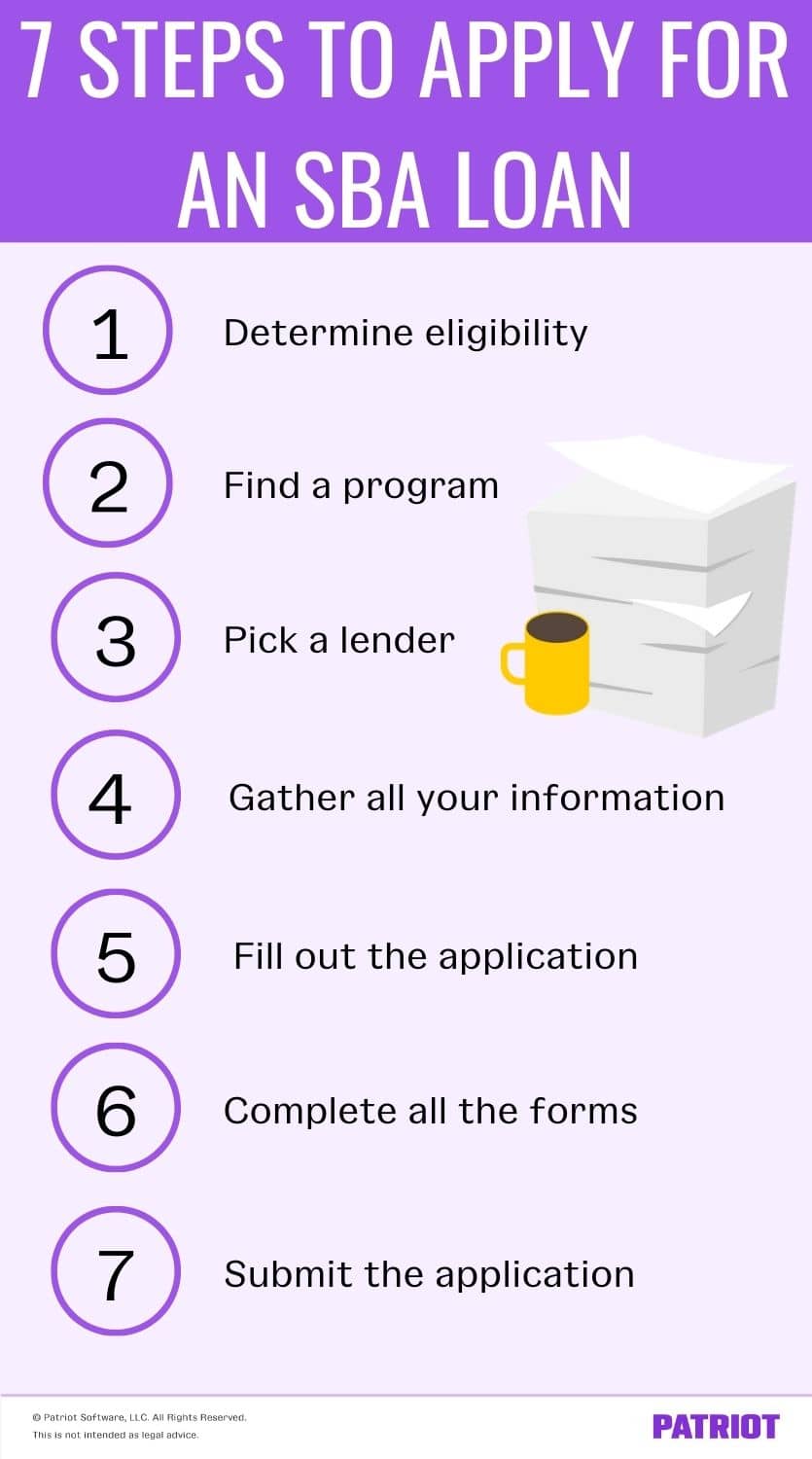
Understanding SBA Loans: More Than Just Funding
At its core, an SBA loan is not a direct loan from the government, but rather a loan issued by a bank or other financial institution and guaranteed by the Small Business Administration. This government guarantee reduces the risk for lenders, making them more willing to provide financing to small businesses that might not otherwise qualify for traditional loans. The benefits extend beyond mere access to capital, offering terms designed to support long-term business growth and stability.
What is an SBA Loan?
The Small Business Administration acts as a guarantor for a portion of the loan amount (typically 50-85%), significantly mitigating the lender’s risk. This crucial role allows banks to offer more attractive financing options, including lower down payments, longer repayment periods (often up to 10 years for working capital and 25 years for real estate), and competitive interest rates. These advantageous terms can dramatically improve a small business’s cash flow and financial viability, making significant investments more manageable. Without the SBA guarantee, many small businesses, especially startups or those in niche industries, would find it exceedingly difficult to secure the necessary funding.
Key SBA Loan Programs
The SBA offers a portfolio of loan programs tailored to different business needs and sizes. Understanding these options is the first step in identifying the best fit for your specific situation.
- 7(a) Loan Program: This is the most common and flexible SBA loan program. It can be used for a wide range of purposes, including working capital, purchasing inventory or equipment, refinancing existing debt, and even buying real estate. Loan amounts can go up to $5 million, making it suitable for a broad spectrum of small businesses. Its flexibility in use and repayment terms makes it a cornerstone of SBA financing.
- SBA Express: A streamlined version of the 7(a) program, designed for faster processing for smaller loan amounts (up to $500,000). Lenders can use their own forms and procedures, and the SBA provides an expedited review, often resulting in a decision within 36 hours. This program is ideal for businesses needing quick access to smaller sums.
- CDC/504 Loan Program: This program is specifically designed for businesses looking to acquire major fixed assets, such as real estate or heavy machinery. It involves a partnership between the borrower, a conventional lender, and a Certified Development Company (CDC) – a non-profit corporation promoting economic development. The loan is typically structured with the bank funding 50%, the CDC funding 40% (backed by an SBA guarantee), and the borrower providing a 10% down payment. This structure facilitates large capital investments with lower equity requirements.
- Microloan Program: Geared towards very small businesses, startups, and underserved communities, microloans provide up to $50,000. These loans are administered through non-profit community-based organizations that also offer business training and technical assistance. They are crucial for entrepreneurs who might struggle to secure even small amounts of conventional funding.
- SBA Disaster Loans: While distinct from other programs, it’s important to note that the SBA also provides low-interest disaster loans to businesses, homeowners, renters, and non-profits to recover from declared disasters. These loans are directly from the SBA, not guaranteed by them.
Eligibility Requirements: Who Qualifies?
While specific requirements vary by program, several general criteria apply to most SBA loans. Businesses must:
- Operate for profit: Non-profit organizations are generally not eligible (except for certain disaster relief situations).
- Be officially registered and operate in the U.S. or its territories: The business must have a physical presence and generate revenue domestically.
- Demonstrate a need for the loan: Funds cannot be used to simply move money or pay off personal debt not related to the business.
- Have owner’s equity invested: Owners must have put some of their own capital into the business.
- Be unable to obtain credit elsewhere on reasonable terms: This is a critical criterion; the SBA program is intended for businesses that cannot access conventional financing without the government guarantee.
- Not be involved in certain prohibited activities: This includes businesses involved in gambling, lending, speculation, or pyramid schemes.
- Meet the SBA’s definition of a small business: This is typically based on revenue or number of employees, varying significantly by industry.
Understanding these foundational aspects of SBA loans is paramount before embarking on the application journey, ensuring you select the right program and meet the basic qualifications.
Preparing Your Application: The Documentation Gauntlet
The application for an SBA loan is a meticulous process, requiring extensive documentation that paints a comprehensive picture of your business, its financial health, and future prospects. Thorough preparation is key to a smooth and successful application. Lenders will scrutinize every detail, so presenting a well-organized, accurate, and compelling case is essential.
The Critical Role of Your Business Plan
More than just a formality, your business plan is the narrative and strategic blueprint of your company. It demonstrates your vision, operational strategy, and financial viability to potential lenders. A robust business plan typically includes:
- Executive Summary: A concise overview of your business, its mission, products/services, target market, and financial highlights.
- Company Description: Details about your business structure, legal status, history, and goals.
- Market Analysis: A thorough examination of your industry, target market, competition, and how your business differentiates itself.
- Organization and Management: An outline of your management team, their experience, and legal structure.
- Service or Product Line: A detailed description of what you offer, including intellectual property and future developments.
- Marketing and Sales Strategy: How you plan to reach customers, sell your products/services, and grow your market share.
- Funding Request: A clear statement of how much money you need and exactly how you intend to use it.
- Financial Projections: Realistic forecasts for revenue, expenses, and profitability, typically for 3-5 years.
Your business plan should not only be a roadmap for your business but also a persuasive argument for why your business is a sound investment. Lenders look for clarity, feasibility, and a clear path to profitability that ensures loan repayment.
Essential Financial Statements
Financial documents are the backbone of your application, providing objective evidence of your business’s and your personal financial standing. Expect to provide:
- Personal Financial Statements: For all owners with 20% or more equity in the business. This includes assets (cash, investments, real estate), liabilities (mortgages, personal loans, credit card debt), and net worth.
- Business Financial Statements:
- Profit & Loss Statements: For the last three fiscal years and year-to-date.
- Balance Sheets: For the last three fiscal years and year-to-date.
- Cash Flow Statements: For the last three fiscal years and year-to-date.
- Projected Financial Statements: A 1- to 3-year projection of income and cash flow, demonstrating your ability to repay the loan. These should be well-researched and justifiable.
- Federal Tax Returns: Both personal (for all owners) and business tax returns for the past three years.
Accuracy and consistency across these documents are paramount. Any discrepancies or signs of poor record-keeping can raise red flags with lenders.
Legal and Business Documents
Beyond financial data, a suite of legal and operational documents is required to verify your business’s legitimacy and compliance. This typically includes:
- Business Licenses and Registrations: Proof that your business is legally authorized to operate.
- Articles of Incorporation or Organization: Depending on your business structure (e.g., corporation, LLC).
- EIN (Employer Identification Number): Your business’s federal tax ID.
- Leases or Deeds: For your business premises.
- Contracts: Any significant contracts with customers, suppliers, or partners.
- Resumes: For all key management personnel, highlighting their experience and qualifications.
- Franchise Agreement: If applicable.
- Copies of permits and certifications: Industry-specific requirements.
Gathering these documents in advance can significantly streamline the application process and prevent delays.
Collateral and Personal Guarantees
SBA loans often require collateral to secure the loan, typically business assets such as real estate, equipment, inventory, or accounts receivable. While the SBA guarantee reduces risk, lenders still seek to minimize their exposure. Additionally, for most SBA loans, all owners with 20% or more equity in the business will be required to provide a personal guarantee. This means they are personally liable for the loan if the business defaults. Understanding this commitment is crucial before proceeding, as it ties personal assets to the business’s financial performance.
Navigating the Application Process: From Lender to Approval
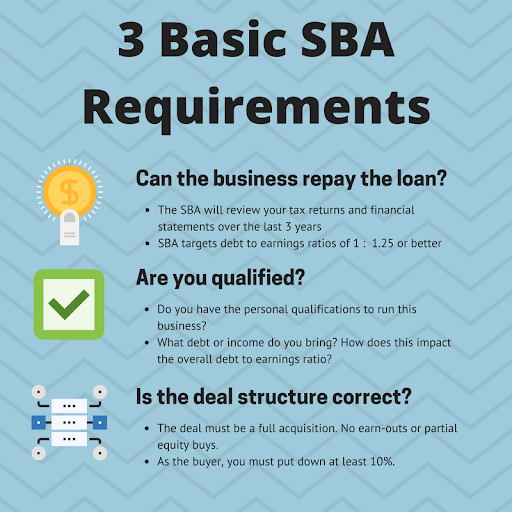
With your documentation meticulously prepared, the next phase involves engaging with lenders and moving through the formal application, underwriting, and approval stages. This can be a rigorous, but ultimately rewarding, journey.
Finding the Right Lender
Not all banks are equally experienced or enthusiastic about SBA loans. It’s crucial to find a lender that is active in SBA lending and understands the nuances of the programs.
- SBA Lender Match Tool: The SBA offers an online tool to connect businesses with participating lenders.
- Local Banks and Credit Unions: Often have a vested interest in supporting local businesses and may have dedicated SBA loan officers.
- Non-Bank Lenders: Some specialized financial institutions focus heavily on SBA loans.
- Ask for Recommendations: Network with other small business owners about their experiences.
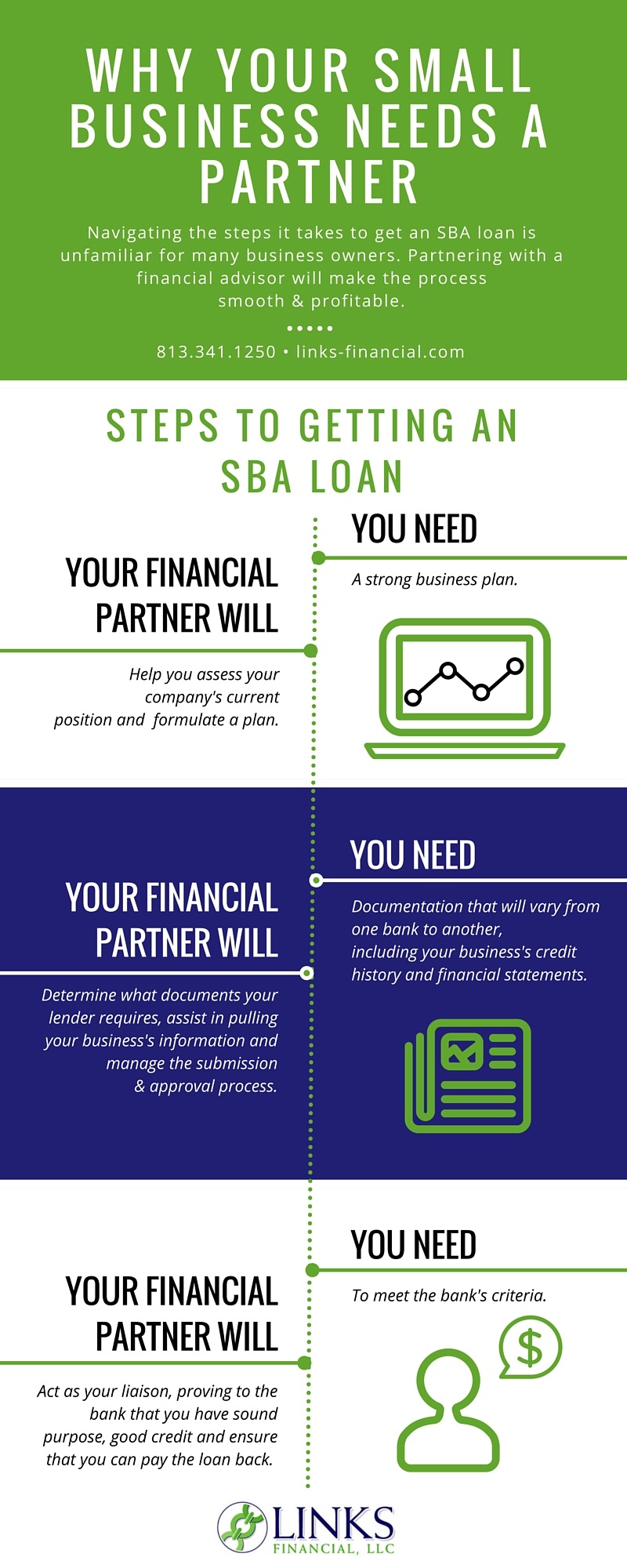
When selecting a lender, inquire about their experience with the specific SBA program you’re applying for, their typical processing times, and their fees. A good lender will act as a partner, guiding you through the complex paperwork and requirements.
Submitting Your Application
Once you’ve chosen a lender, you’ll submit your complete application package. The lender will then perform their own due diligence, review all your submitted documents, and likely request additional information or clarifications. This is an iterative process, so be prepared to respond promptly and thoroughly to any queries. The lender is responsible for packaging your loan request and submitting it to the SBA for their guarantee.
The Underwriting and Approval Phases
This is often the longest part of the process. The lender will conduct a comprehensive underwriting process, evaluating your creditworthiness, business viability, and repayment capacity. They will assess:
- Credit History: Both personal and business credit scores. A strong credit history is vital.
- Cash Flow: Your business’s ability to generate enough cash to cover loan payments and operational expenses.
- Industry Risk: The overall health and trends of your industry.
- Management Experience: The competence and experience of your leadership team.
- Collateral Coverage: The value and liquidity of assets pledged as collateral.
Once the lender is satisfied, they will submit the application to the SBA for approval of the guarantee. The SBA conducts its own review, ensuring all program requirements are met. The timeline for approval can vary significantly, ranging from a few weeks for simpler loans (like SBA Express) to several months for larger, more complex applications. Patience and proactive follow-up are key during this stage.
Closing and Disbursement
Upon receiving final approval from both the lender and the SBA, you’ll move to the closing phase. This involves signing a multitude of legal documents, including the promissory note, security agreements, and personal guarantees. It’s advisable to review all terms and conditions carefully, ideally with legal counsel, before signing. After closing, the funds will be disbursed according to the agreed-upon schedule, which might be a lump sum or in stages, depending on the loan’s purpose.
Common Pitfalls and Best Practices for Success
The journey to securing an SBA loan is fraught with potential missteps. Being aware of these common pitfalls and adopting best practices can significantly increase your chances of approval.
Avoiding Common Mistakes
- Incomplete or Inaccurate Applications: The most frequent cause of delays or rejections. Double-check everything.
- Poor Credit History: A low personal FICO score or a history of business defaults can be a major hurdle. Address credit issues proactively.
- Lack of a Solid Business Plan: A weak or poorly researched plan fails to convince lenders of your business’s potential.
- Underestimating Preparation Time: Gathering all required documents takes time. Start early.
- Applying for the Wrong Loan Program: Misaligning your needs with the program’s purpose can lead to an immediate rejection.
- Unrealistic Financial Projections: Overly optimistic forecasts can undermine your credibility. Be grounded in market realities.
- Poor Communication with the Lender: Being unresponsive or unclear can slow down the process.
Tips for a Strong Application
- Know Your Credit Score: Understand both your personal and business credit scores and take steps to improve them if necessary.
- Be Realistic with Projections: Base your financial forecasts on solid market research and conservative estimates.
- Seek Professional Help: Consult with an accountant for financial statements and projections, and a business advisor for your business plan. SBA Resource Partners (SCORE, Small Business Development Centers) offer free or low-cost assistance.
- Build Strong Banking Relationships: Develop a relationship with a bank before you need a loan. This can provide a competitive edge.
- Be Persistent and Proactive: Follow up regularly with your lender, respond quickly to requests, and don’t get discouraged by initial setbacks.
- Demonstrate Your Commitment: Show that you have significant personal investment in the business, both financially and through your dedication.
Post-Approval: Managing Your SBA Loan Responsibly
Securing the SBA loan is a significant achievement, but it’s just the beginning. Responsible management of the funds and adherence to the loan terms are crucial for your business’s long-term success and financial integrity.
Adhering to Loan Covenants
SBA loans often come with specific covenants – conditions that the borrower must meet throughout the life of the loan. These can include:
- Financial Reporting Requirements: Regularly providing updated financial statements (P&L, balance sheet, cash flow) to the lender.
- Maintaining Certain Financial Ratios: Such as debt-to-equity or debt service coverage ratios.
- Restrictions on Additional Debt: Limiting your ability to take on new loans without the lender’s approval.
- Restrictions on Owner Distributions: Capping how much profit owners can take out of the business.
- Insurance Requirements: Maintaining adequate insurance coverage for business assets.
Understanding and meticulously fulfilling these covenants is paramount. Breaching a covenant can lead to default, even if you are making your payments on time, potentially jeopardizing your business.
Utilizing Funds Strategically
The loan agreement will specify the approved uses for the funds. It is critical to stick to these agreed-upon purposes. Diverting funds for unauthorized uses can trigger a default and severe penalties. Use the capital strategically to achieve the objectives outlined in your business plan, whether it’s expanding operations, purchasing critical equipment, or boosting working capital. Every dollar should contribute to growth and profitability, strengthening your ability to repay the loan.
Monitoring and Reporting
Ongoing monitoring of your business’s financial performance is essential. Regularly compare actual performance against your projected financials. This allows you to identify potential issues early and take corrective action. Be prepared for periodic reviews or even audits by your lender or the SBA to ensure compliance. Maintaining clear, organized financial records is vital for seamless reporting and demonstrating responsible stewardship of the loan.
Conclusion
The SBA loan program stands as a powerful tool for small businesses seeking to grow, innovate, and create jobs. While the application process demands diligence, patience, and meticulous preparation, the benefits—including lower interest rates, longer repayment terms, and manageable down payments—make it an invaluable resource. By understanding the various loan programs, preparing a robust application, engaging with the right lender, and committing to responsible financial management post-approval, entrepreneurs can navigate the complexities of securing an SBA loan. It’s a strategic financial decision that, when executed thoughtfully, can provide the essential capital needed to transform business aspirations into tangible success.
aViewFromTheCave is a participant in the Amazon Services LLC Associates Program, an affiliate advertising program designed to provide a means for sites to earn advertising fees by advertising and linking to Amazon.com. Amazon, the Amazon logo, AmazonSupply, and the AmazonSupply logo are trademarks of Amazon.com, Inc. or its affiliates. As an Amazon Associate we earn affiliate commissions from qualifying purchases.