
The dream of building a successful enterprise from the comfort of one’s own home has never been more attainable. The digital age has democratized entrepreneurship, offering an unprecedented array of opportunities for individuals to launch and scale businesses without the traditional overheads of brick-and-mortar establishments. However, the path to sustained success in a home-based venture is paved with diligent financial planning, shrewd money management, and a keen understanding of economic principles. This guide delves into the essential financial strategies and considerations for doing business at home, ensuring your entrepreneurial journey is not just fulfilling, but also financially robust and rewarding.
Laying the Financial Foundation for Your Home Business
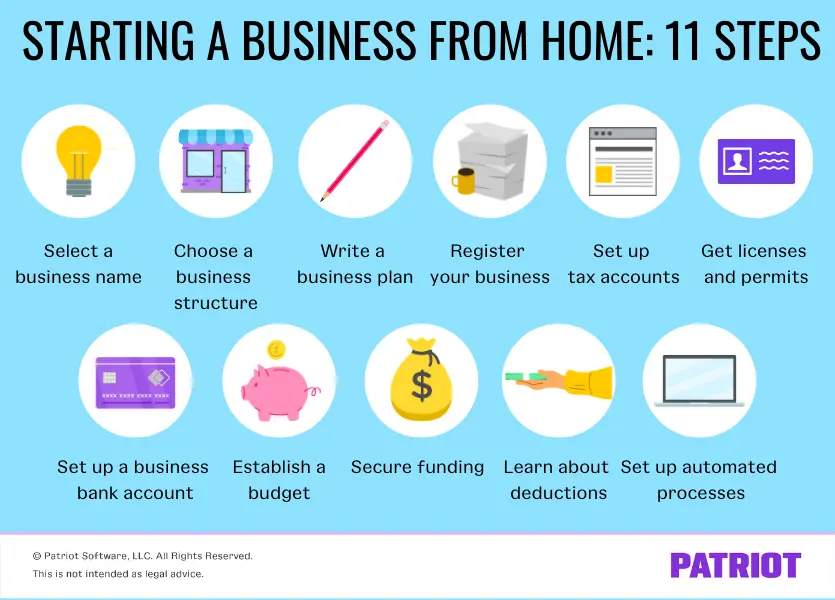
Embarking on a home-based business venture requires more than just a brilliant idea; it demands a solid financial groundwork. Before you even open your digital doors, establishing a clear financial roadmap is paramount. This involves understanding your capital needs, meticulously budgeting, and drawing a clear line between your personal and business finances.
Initial Capital and Funding Strategies
Every business, no matter how small or home-based, requires some form of initial capital to get off the ground. This seed money covers everything from essential equipment and software subscriptions to initial marketing efforts and legal registrations. For home businesses, initial capital needs can be significantly lower than traditional ventures, but they are rarely zero.
Consider various funding strategies tailored for home businesses:
- Self-Funding (Bootstrapping): This is often the most common approach, utilizing personal savings or income from a primary job to finance the business. Bootstrapping instills financial discipline and forces you to be resourceful, minimizing unnecessary expenditures. It’s an excellent way to maintain full ownership and control without incurring debt.
- Friends and Family: A common first port of call for early-stage funding, often involving more flexible terms than traditional lenders. However, it’s crucial to formalize any agreements with clear terms, interest rates (if applicable), and repayment schedules to avoid personal strain.
- Microloans and Small Business Grants: Several organizations and government programs offer microloans or grants specifically designed for small businesses, including home-based ones, often with favorable terms. Research local, regional, and national initiatives that support entrepreneurship.
- Crowdfunding: Platforms like Kickstarter or Indiegogo can be effective for businesses with innovative products or services that resonate with a broad audience. It not only raises capital but also acts as an early market validation tool.
- Business Credit Cards or Lines of Credit: While these can offer quick access to funds, they should be used judiciously due to potentially high-interest rates. They are best for managing cash flow or bridging short-term gaps, not for large, long-term investments.
The key is to accurately assess your initial financial requirements and choose a funding method that aligns with your risk tolerance and long-term business goals.
Budgeting for Startup Costs and Operational Expenses
A detailed budget is your financial compass. It helps you anticipate costs, allocate resources wisely, and avoid unexpected financial pitfalls. For a home business, costs can broadly be categorized into startup and operational expenses.
Startup Costs: These are one-time expenses incurred before your business generates revenue.
- Legal & Administrative: Business registration fees, permits, licenses, legal consultation.
- Equipment & Software: Computer, printer, specialized tools, industry-specific software, website hosting, domain name, email service.
- Initial Inventory/Supplies: If you’re selling physical products.
- Initial Marketing: Website design, logo creation, first ad campaigns.
- Training/Education: Courses or workshops relevant to your business.
Operational Expenses: These are recurring costs necessary to keep your business running.
- Utilities & Internet: A portion of your home utilities (electricity, internet) attributable to business use.
- Software Subscriptions: CRM, accounting software, project management tools, email marketing platforms.
- Marketing & Advertising: Ongoing campaigns, social media tools.
- Supplies: Office supplies, packaging materials, shipping costs.
- Professional Services: Accountant, legal advisor, virtual assistant.
- Insurance: General liability, professional indemnity.
- Taxes: Estimated quarterly taxes, payroll taxes (if you hire).
Create a realistic budget, estimating both minimum and maximum costs for each category. Review and adjust this budget regularly, especially in the early months, as you gain a clearer understanding of your actual spending patterns.
Separating Personal and Business Finances
One of the most critical financial rules for any home-based entrepreneur is to maintain strict separation between personal and business finances. This isn’t merely a suggestion; it’s a foundational practice for financial clarity, legal protection, and tax compliance.
- Open a Dedicated Business Bank Account: As soon as your business is legally registered, open a separate checking account solely for business transactions. All business income should flow into this account, and all business expenses should be paid from it. This prevents commingling of funds, which can make financial tracking a nightmare and complicate tax preparation.
- Apply for a Business Credit Card: Similar to a bank account, a business credit card helps track business expenses separately. It can also help build a business credit history, which can be vital if you seek financing in the future.
- Formalize Owner’s Pay: Rather than just pulling money from the business account whenever needed, establish a formal method for paying yourself, whether it’s a regular salary, owner’s draw, or dividends. This reinforces the separation and makes personal budgeting easier.
- Utilize Accounting Software: Tools like QuickBooks, FreshBooks, or Xero can automate expense tracking, categorize transactions, and generate financial reports, making the separation even clearer and easier to manage.
This financial discipline not only simplifies accounting and tax preparation but also protects your personal assets in case of business liabilities (especially if your business is structured as an LLC or corporation).
Generating and Diversifying Online Income Streams
The heart of any business is its ability to generate income. For a home-based venture, understanding how to identify profitable models, price strategically, and cultivate multiple revenue streams is key to long-term financial stability and growth.
Identifying Profitable Home-Based Business Models
The landscape of home-based businesses is vast and varied. Identifying a profitable model often hinges on leveraging your skills, interests, and market demand.
- Service-Based Businesses: Offering professional services like freelance writing, graphic design, web development, virtual assistance, consulting, coaching, or online tutoring requires minimal startup costs and leverages existing expertise.
- Product-Based Businesses: This includes e-commerce ventures selling physical goods (e.g., handmade crafts, dropshipped items, print-on-demand products) or digital products (e.g., e-books, online courses, templates, software).
- Affiliate Marketing: Promoting other companies’ products or services and earning a commission on sales generated through your unique referral link. This can be highly profitable with the right audience and content strategy.
- Content Creation & Monetization: Building an audience through blogging, podcasting, or video creation (YouTube) and monetizing through advertising, sponsorships, premium content, or merchandise.
- Online Courses/Workshops: Packaging your expertise into educational content that can be sold repeatedly.
- Subscription Boxes: Curated physical or digital products delivered regularly, building recurring revenue.
The most profitable models are often those that solve a specific problem for a defined target audience, leverage your unique selling proposition, and have scalable potential. Conduct thorough market research to assess demand, competition, and potential revenue.
Pricing Strategies for Profitability
Pricing is a delicate balance. Price too low, and you undervalue your work and struggle to cover costs; price too high, and you risk alienating potential customers. Strategic pricing is crucial for profitability.
- Cost-Plus Pricing: Calculate your total costs (materials, labor, overhead) for a product or service, then add a desired profit margin. Simple, but might not reflect market value.
- Value-Based Pricing: Price your offerings based on the perceived value they provide to the customer, rather than just your costs. This is often effective for services or unique products that solve significant problems.
- Competitor-Based Pricing: Research what competitors are charging for similar offerings and position your prices accordingly. You might price slightly lower to gain market share or higher to signal premium quality.
- Hourly vs. Project-Based (for services): Hourly rates ensure you’re compensated for your time, but project-based fees can be more appealing to clients as they offer a fixed cost and can allow you to earn more if you work efficiently.
- Tiered Pricing: Offer different packages (e.g., basic, standard, premium) with varying features and price points to cater to different customer segments and needs.
Always factor in your time, expertise, overheads, and desired profit margin. Don’t be afraid to test different pricing models and adjust as you gather customer feedback and market data. Remember, your prices reflect your perceived value.

Exploring Multiple Revenue Avenues
Relying on a single income stream can be risky. Diversifying your revenue avenues creates financial resilience and opens up new growth opportunities.
- Product Extensions: If you offer a service, consider creating a digital product (e-book, template, course) that complements it. If you sell products, add related accessories or premium versions.
- Subscription Models: Convert one-time purchases into recurring revenue by offering subscriptions for access to exclusive content, ongoing services, or regular product deliveries.
- Affiliate Programs: Integrate relevant affiliate links into your website, blog, or social media content, earning commissions on sales of products or services you genuinely recommend.
- Sponsorships/Advertisements: If you build an audience through content (blog, podcast, YouTube), explore opportunities for sponsored content or ad placements.
- Consulting/Coaching: Leverage your expertise to offer one-on-one or group coaching sessions, even if your primary business is product-focused.
- Partnerships: Collaborate with complementary businesses to offer bundled services or cross-promotion, expanding your reach and revenue potential.
The goal is to create a robust financial ecosystem where multiple streams contribute to your overall income, cushioning you against fluctuations in any single area and accelerating your growth.
Mastering Business Finance and Financial Management
Beyond generating income, effectively managing your business’s finances is paramount. This involves leveraging the right tools, meticulously tracking every dollar, and understanding the core financial metrics that drive your success.
Essential Financial Tools and Software
In the digital age, a plethora of financial tools can automate and simplify your business’s money management.
- Accounting Software (e.g., QuickBooks Online, FreshBooks, Xero): These platforms are indispensable for tracking income and expenses, invoicing clients, managing bills, reconciling bank accounts, and generating financial reports. They significantly reduce manual effort and improve accuracy.
- Payment Processors (e.g., Stripe, PayPal, Square): Essential for accepting online payments, whether for products, services, or subscriptions. Choose one that integrates well with your website or e-commerce platform and offers competitive fees.
- Budgeting Tools: While accounting software often includes budgeting features, dedicated tools can help visualize and manage your budget more effectively.
- Time Tracking Software (for service-based businesses): Tools like Toggl or Clockify help accurately bill clients for hourly work and understand how your time translates into revenue.
- Spreadsheets (Google Sheets, Excel): For simpler businesses, well-organized spreadsheets can be powerful tools for tracking specific aspects of your finances, especially in the early stages before investing in comprehensive software.
Invest time in setting up these tools correctly from the outset. They will save you countless hours, prevent errors, and provide invaluable insights into your financial health.
Tracking Income and Expenses for Tax Efficiency
Meticulous record-keeping is not just good practice; it’s a legal requirement and a cornerstone of financial management and tax efficiency.
- Categorize Every Transaction: Whether you use accounting software or a spreadsheet, categorize every income and expense item. This helps you understand where your money is coming from and going, and is crucial for tax deductions.
- Keep Digital Records: Scan and save all receipts, invoices, and financial statements digitally. Cloud storage ensures they are secure and accessible from anywhere, and it eliminates physical clutter.
- Reconcile Accounts Regularly: Compare your business bank and credit card statements with your accounting records each month. This helps catch discrepancies, identify fraudulent activity, and ensure accuracy.
- Understand Tax Deductions: As a home-based business owner, you’re eligible for numerous deductions that can significantly reduce your taxable income. These often include a portion of home office expenses (utilities, mortgage interest/rent, insurance), business-related travel, software, equipment, professional development, and health insurance premiums. Consult with a tax professional to maximize your legitimate deductions.
- Set Aside for Taxes: Since taxes aren’t usually withheld from your self-employment income, you must proactively set aside a portion of your earnings for federal, state, and local income taxes, as well as self-employment taxes (Social Security and Medicare). Making estimated quarterly tax payments is often required to avoid penalties.
Neglecting accurate record-keeping can lead to missed deductions, audit risks, and financial stress. Treat your financial records with the utmost care and attention.
Understanding Cash Flow and Profit Margins
Beyond simply making sales, understanding your cash flow and profit margins provides a deeper insight into your business’s financial viability.
- Cash Flow: This refers to the movement of money in and out of your business. Positive cash flow means more money is coming in than going out, indicating liquidity. Negative cash flow, even if your business is profitable on paper, can lead to financial strain if you can’t cover immediate expenses. Monitor your cash flow closely to ensure you always have enough funds to meet your obligations.
- Profit Margins: This metric indicates how much profit your business makes from each sale after accounting for costs.
- Gross Profit Margin: (Revenue – Cost of Goods Sold) / Revenue. This tells you how much profit you make from each sale before operating expenses.
- Net Profit Margin: (Net Income / Revenue). This shows the percentage of revenue left after all expenses (including operating, interest, and taxes) have been deducted. A healthy net profit margin indicates efficiency and strong financial management.
Regularly analyze these metrics to identify trends, pinpoint areas for cost reduction, and make informed decisions about pricing, product development, and operational efficiency. Healthy cash flow and strong profit margins are indicators of a financially robust and sustainable home business.
Strategic Growth and Future Financial Planning
A successful home business isn’t just about day-to-day operations; it’s about looking ahead. Strategic financial planning ensures your business can not only survive but thrive and provide long-term financial security for you and your family.
Reinvesting Profits for Scalability
Once your home business starts generating consistent profits, the strategic decision of how to use those profits becomes crucial. While it’s tempting to immediately draw all earnings, smart reinvestment is often the key to scalability and exponential growth.
- Invest in Marketing and Sales: Allocate funds to more robust marketing campaigns, improved SEO, or hiring a specialist to expand your reach.
- Technology Upgrades: Invest in better software, more efficient equipment, or automation tools to streamline operations and improve productivity.
- Product/Service Development: Use profits to research and develop new products, expand service offerings, or enhance existing ones to meet evolving customer needs.
- Professional Development/Training: Invest in courses or coaching for yourself or any future team members to acquire new skills that drive business growth.
- Hiring Help: When workload becomes overwhelming, reinvesting in virtual assistants, freelancers, or part-time employees can free up your time for higher-value activities.
- Building Inventory (if applicable): If you sell physical products, reinvesting in inventory can allow you to meet increased demand and potentially secure better bulk pricing.
The goal of reinvestment is to create a compounding effect, where today’s profits fuel tomorrow’s larger revenues. Balance reinvestment with taking a reasonable owner’s draw to ensure personal financial stability.
Building an Emergency Fund for Your Business
Just as you maintain a personal emergency fund, your business also needs one. Unexpected expenses, a sudden drop in sales, or economic downturns can severely impact a home business.
- Aim for 3-6 Months of Operating Expenses: A good rule of thumb is to save enough to cover 3 to 6 months of your essential business operational expenses. This provides a crucial buffer during lean times.
- Dedicated Savings Account: Keep this fund in a separate, easily accessible, high-yield savings account so it’s readily available but not easily co-mingled with daily operating funds.
- Prioritize Saving: Make building this fund a priority alongside profit-taking and other investments, especially in the early stages when your business is more vulnerable.
A robust business emergency fund provides peace of mind, allowing you to navigate financial turbulence without compromising your personal finances or resorting to high-interest debt.

Planning for Retirement and Long-Term Wealth
As a self-employed individual running a home business, you are solely responsible for your retirement planning and long-term wealth accumulation. This requires proactive and intentional financial strategies.
- Explore Self-Employed Retirement Accounts:
- SEP IRA (Simplified Employee Pension Individual Retirement Account): Easy to set up and allows for high contribution limits, based on a percentage of your net earnings.
- Solo 401(k): Offers even higher contribution limits than a SEP IRA, as you can contribute as both the “employee” and “employer.”
- SIMPLE IRA: Another option for small businesses, though with lower contribution limits than SEP IRA or Solo 401(k).
- Consider a Roth IRA: If you meet income eligibility, a Roth IRA offers tax-free withdrawals in retirement, funded with after-tax dollars.
- Consult a Financial Advisor: Work with a financial planner who specializes in self-employed individuals. They can help you determine the best retirement vehicles for your specific situation, optimize your savings, and integrate your business finances into your overall personal financial plan.
- Diversify Personal Investments: Beyond retirement accounts, ensure you’re also building wealth through diversified personal investment portfolios (stocks, bonds, real estate) to supplement your business income and secure your financial future.
Your home business is not just a source of current income; it’s a powerful vehicle for building long-term wealth. By integrating retirement and wealth planning into your business financial strategy from the outset, you ensure that your entrepreneurial efforts contribute to a secure and prosperous future.
Building and sustaining a successful home business is an enriching endeavor that offers unparalleled flexibility and personal fulfillment. However, its longevity and profitability are inextricably linked to sound financial management. By meticulously laying your financial foundation, strategically generating and diversifying income, mastering your business finances, and planning for long-term growth and wealth, you can transform your home-based dream into a thriving, financially secure reality. Embrace financial literacy as a core competency, and your journey as a home-based entrepreneur will be all the more rewarding.
aViewFromTheCave is a participant in the Amazon Services LLC Associates Program, an affiliate advertising program designed to provide a means for sites to earn advertising fees by advertising and linking to Amazon.com. Amazon, the Amazon logo, AmazonSupply, and the AmazonSupply logo are trademarks of Amazon.com, Inc. or its affiliates. As an Amazon Associate we earn affiliate commissions from qualifying purchases.