
Securing funding is a critical hurdle for any aspiring or growing business. While loans and equity investments are common pathways, business grants offer a particularly attractive proposition: non-repayable funds. The idea of receiving money that doesn’t need to be paid back, nor does it require relinquishing equity, makes grants highly sought after. However, the process of acquiring a business grant is often shrouded in mystery and misconception. It’s not simply a matter of asking; it’s a strategic endeavor that requires meticulous research, careful planning, and a compelling narrative. This comprehensive guide will demystify the world of business grants, outlining the steps, strategies, and resources you need to successfully navigate the application process and increase your chances of securing this invaluable form of financial support.
Understanding Business Grants: A Foundation for Funding
Before diving into the intricate details of application, it’s crucial to establish a clear understanding of what business grants are, how they differ from other funding mechanisms, and what expectations to set.
What Exactly is a Business Grant?
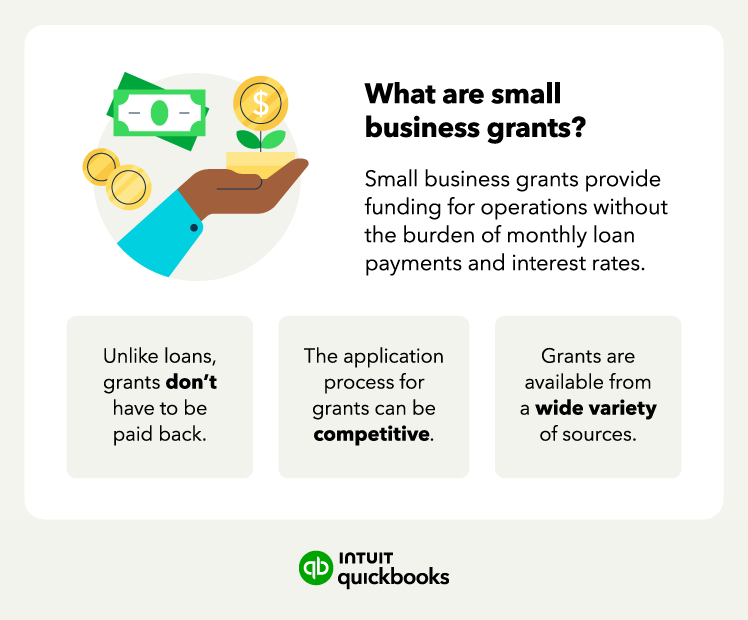
A business grant is a sum of money awarded to an individual or organization to achieve a specific purpose or project, without the expectation of repayment. These funds are typically provided by government agencies, non-profit organizations, corporations, or foundations. Unlike loans, grants are not debt; unlike equity investments, they do not require you to give up ownership in your company. Grants are often tied to specific criteria, such as promoting economic development, supporting innovation, addressing social issues, or fostering growth in particular industries or demographics (e.g., women-owned, minority-owned, veteran-owned businesses). The grantor’s primary goal is to achieve a public or philanthropic objective through your business’s activities.
Grants vs. Loans: Key Distinctions
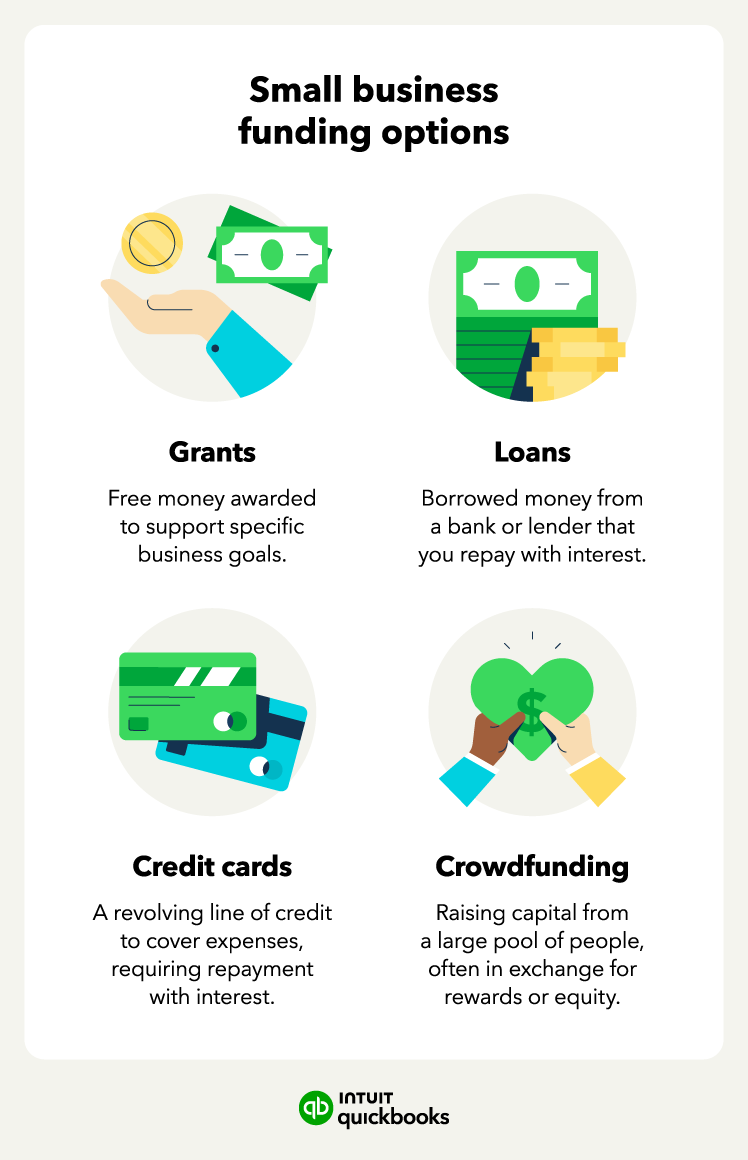
The fundamental difference between a grant and a loan lies in the repayment obligation. A loan is borrowed money that must be repaid, usually with interest, over a specified period. Loans are often secured by collateral or guaranteed by the borrower’s creditworthiness. They are a form of debt financing that creates a financial obligation for the business.
A grant, on the other hand, is a gift. It does not need to be repaid. This non-repayable nature is its most significant advantage. However, grants typically come with stringent reporting requirements and often dictate how the funds must be used. Grantees are accountable for demonstrating that the funds were utilized according to the approved proposal and that the stated objectives were met. While a loan is based on your ability to repay, a grant is based on your ability to fulfill a mission or achieve a specific impact aligned with the grantor’s goals.
The Myth of “Free Money”
While grants are indeed non-repayable, labeling them as “free money” can be misleading. The process of identifying, applying for, and managing a grant requires significant investment of time, effort, and resources. There’s fierce competition for grants, and the application process can be lengthy and demanding. Furthermore, grants often come with strict compliance and reporting requirements. Mismanagement of grant funds or failure to meet reporting obligations can lead to severe consequences, including demands for repayment (in rare cases) or exclusion from future grant opportunities. Therefore, while the money itself is non-repayable, it is far from “free” in terms of the effort required to secure and manage it responsibly.
Navigating the Grant Landscape: Where to Look
The universe of business grants is vast and fragmented. Knowing where to begin your search is paramount to success. Grant opportunities exist at various levels and from diverse sources, each with its own focus and eligibility criteria.
Government Grants: Federal, State, and Local Opportunities
Government agencies are significant sources of grant funding, typically aimed at stimulating economic growth, fostering innovation, or addressing specific societal needs.
- Federal Grants: In the United States, the primary portal for federal grants is Grants.gov. This website lists thousands of competitive grant opportunities across numerous federal agencies, including the Small Business Administration (SBA), Department of Energy, Department of Health and Human Services, and National Institutes of Health. Federal grants often target research and development (e.g., SBIR/STTR programs), projects with national impact, or specific industries.
- State Grants: Each state often has its own economic development agencies, departments of commerce, or specialized offices that offer grants. These might focus on job creation, local business expansion, specific industries important to the state economy (e.g., agriculture, manufacturing, technology), or support for underserved communities. State business development centers or websites are good starting points.
- Local Grants: City and county governments, economic development corporations, and regional planning councils may offer grants designed to support local businesses, revitalize downtown areas, promote tourism, or encourage specific types of development within their jurisdiction. Local chambers of commerce are excellent resources for identifying these opportunities.
Corporate and Foundation Grants: Tapping into Private Philanthropy
Beyond government sources, a substantial amount of grant funding comes from the private sector—namely, corporations and philanthropic foundations.
- Corporate Grants: Many large corporations have philanthropic arms or foundations that award grants as part of their corporate social responsibility initiatives. These grants often align with the company’s values, industry, or customer base. For example, a tech company might offer grants to startups developing innovative solutions in its sector, while a retail giant might support community development projects.
- Foundation Grants: Private foundations, established by individuals, families, or groups, exist solely to provide funding for charitable and philanthropic purposes. There are hundreds of thousands of foundations worldwide, each with unique missions, focus areas, and geographic preferences. Resources like the Foundation Directory Online (Candid) are invaluable for researching these opportunities, although access may require a subscription or visiting a library with access.
Niche and Industry-Specific Grants
Many grants are highly specialized, targeting specific industries, demographics, or types of projects.
- Industry-Specific Grants: Associations and organizations within particular industries (e.g., manufacturing, arts, healthcare, sustainable energy) often provide grants to businesses operating in their sector. These grants typically aim to foster innovation, research, or best practices within that field.
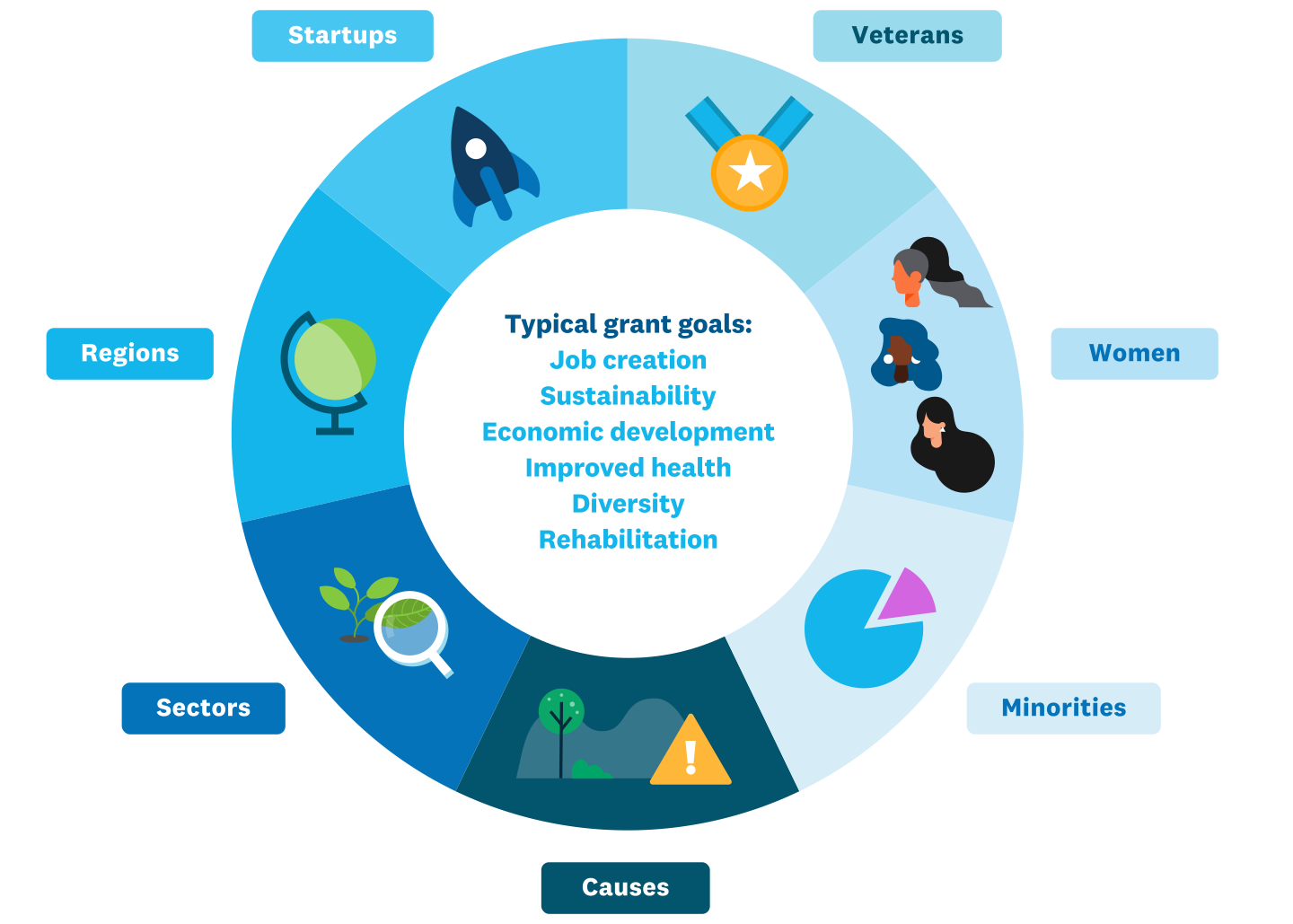
- Demographic-Specific Grants: There are numerous grants specifically designated for businesses owned by women, minorities, veterans, LGBTQ+ individuals, or people with disabilities. These grants aim to promote diversity, equity, and inclusion in entrepreneurship and address historical disparities.
- Research & Development (R&D) Grants: These grants are crucial for businesses engaged in cutting-edge innovation, often requiring significant scientific or technological advancement. They typically come from federal agencies or specialized foundations.
- Environmental & Social Impact Grants: For businesses focused on sustainability, renewable energy, social justice, or community development, specific grants are available to support projects with clear positive environmental or social impacts.
Crafting a Winning Grant Application: Strategies for Success
Identifying potential grants is only the first step; the real challenge lies in submitting a compelling application that stands out from the competition. Grant writing is a specialized skill that combines persuasive communication with meticulous attention to detail.
Eligibility First: Do You Fit the Criteria?
Before investing time in an application, thoroughly review the grantor’s eligibility requirements. This is the most crucial filter. Check your business type, size, location, industry, revenue, and proposed project’s alignment with the grant’s objectives. Many otherwise strong applications are rejected simply because they don’t meet basic eligibility. Don’t waste your time applying for grants you’re not qualified for.
The Power of a Compelling Business Plan
A well-structured, detailed, and persuasive business plan is the backbone of almost any significant grant application. It demonstrates that your business is viable, well-conceived, and capable of executing the proposed project. Your business plan should clearly articulate:
- Executive Summary: A concise overview of your business, its mission, and what you aim to achieve with the grant.
- Company Description: What your business does, its legal structure, history, and unique selling proposition.
- Market Analysis: Understanding your industry, target market, competitors, and market opportunity.
- Organization & Management: Your team’s experience, expertise, and organizational structure.
- Service or Product Line: Detailed description of what you offer.
- Marketing & Sales Strategy: How you plan to reach customers and generate revenue.
- Financial Projections: Realistic forecasts of revenue, expenses, and profitability, demonstrating financial prudence.
Articulating Your Impact: Why Your Business Deserves Funding
Grantors are not just funding businesses; they are funding solutions to problems or the creation of positive impacts. Clearly articulate the problem you’re addressing, your unique solution, and the specific outcomes or impacts your business will achieve with the grant funds. This could include job creation, economic stimulus, technological advancement, community improvement, environmental sustainability, or improved public health. Quantify these impacts whenever possible (e.g., “create 10 new jobs,” “reduce carbon emissions by X%,” “serve Y underserved individuals”). Connect your business’s mission directly to the grantor’s objectives.
Budgeting and Financial Projections: Show Me the Money (and How You’ll Use It)
A detailed and realistic budget is critical. You must clearly itemize how every dollar of the grant money will be spent. Grantors want to see responsible financial stewardship. Your budget should align perfectly with your proposed project activities and demonstrate that you have thought through the financial implications. Include justification for each line item and ensure it’s plausible. Provide comprehensive financial projections (income statements, cash flow statements, balance sheets) that show the viability and sustainability of your business beyond the grant period. This proves that the grant is an investment in long-term success, not a lifeline for a struggling enterprise.
The Art of the Pitch: Crafting a Strong Narrative
Beyond facts and figures, a compelling narrative can set your application apart. Tell your business’s story, highlight your passion, and convey why you are the right person or team to execute this project. Use clear, concise language, avoiding jargon where possible. Ensure your application flows logically and addresses all prompts directly. If there’s an opportunity to include a personal statement or executive summary, use it to make a powerful, memorable impression.
Attention to Detail: Proofreading and Submission
A sloppy application reflects poorly on your professionalism and attention to detail. Before submission, meticulously proofread for grammar, spelling, punctuation, and clarity. Ensure all required documents are included, properly formatted, and submitted by the deadline. Double-check that all questions are answered completely and accurately. Many grant programs use online portals for submission, so familiarize yourself with the platform well in advance to avoid last-minute technical glitches. Consider having another pair of eyes review your entire application before you hit submit.
Common Pitfalls and Best Practices in Grant Seeking
While the pursuit of grants can be highly rewarding, it’s also fraught with potential missteps. Understanding common pitfalls and adhering to best practices can significantly enhance your chances of success.
Avoiding Grant Scams and Red Flags
Unfortunately, the appeal of “free money” makes the grant world a target for scammers. Be wary of unsolicited offers of grants, especially those that require an upfront fee for application, processing, or a “guaranteed” award. Reputable grantors do not charge application fees. Always verify the legitimacy of a grant opportunity through official channels (e.g., government websites, reputable foundation directories) before sharing personal or business information. If it sounds too good to be true, it likely is.
Patience and Persistence: The Long Game of Grant Funding
Securing a grant is rarely a quick process. From identifying opportunities to receiving funds, the timeline can stretch for several months, or even a year. Many grants have annual cycles, requiring applicants to plan well in advance. Don’t be discouraged by initial rejections; view them as learning opportunities. Request feedback if available, refine your approach, and continue applying. Persistence is a key trait of successful grant seekers.
Building Relationships: Networking for Opportunities
While most grant processes are highly structured, building relationships can still be beneficial. Attend grant workshops, networking events, or informational sessions hosted by potential grantors. Connect with local small business development centers (SBDCs), SCORE mentors, or economic development agencies. These organizations often have insights into local opportunities, can provide guidance on specific applications, and sometimes even connect you directly with program officers. A strong network can provide valuable intelligence and support throughout your grant-seeking journey.
Post-Award Responsibilities: Compliance and Reporting
The grant journey doesn’t end with receiving the funds. Grantors have a vested interest in ensuring their money is used effectively and for the intended purpose. This means you will likely have significant post-award responsibilities, including:
- Financial Tracking: Maintaining detailed records of all expenditures to demonstrate compliance with the approved budget.
- Progress Reports: Submitting regular reports on the project’s activities, milestones achieved, and challenges encountered.
- Outcome Measurement: Providing data on the impact and outcomes of the project as outlined in your proposal.
- Audits: Being prepared for potential audits of your financial records and program activities.
Failing to meet these responsibilities can jeopardize current and future funding. Treat grant reporting with the same rigor and professionalism as the initial application.
Alternative Funding Avenues to Consider
While grants are an excellent non-dilutive funding source, they are not suitable for every business or every situation. It’s wise to consider a diversified funding strategy, exploring other avenues that might complement or serve as alternatives to grants.
Small Business Loans and Lines of Credit
For many businesses, traditional debt financing remains a primary source of capital. Small business loans (term loans, equipment loans, real estate loans) and lines of credit provide flexible funding for operational expenses, expansion, or asset acquisition. The Small Business Administration (SBA) guarantees a significant portion of loans made by commercial lenders, making it easier for small businesses to qualify for favorable terms. These are repayable, but often more accessible and quicker to obtain than grants for general business needs.
Equity Financing: Angels and Venture Capital
If your business has high growth potential and you’re willing to give up a portion of ownership, equity financing can provide substantial capital. Angel investors are high-net-worth individuals who invest in early-stage companies, often offering mentorship alongside capital. Venture capitalists (VCs) invest larger sums in rapidly scaling companies, typically expecting significant returns and often taking a more active role in governance. This route is often chosen by tech startups or businesses with disruptive innovation, as it provides growth capital without debt burden, but at the cost of ownership and control.
Crowdfunding Platforms
Crowdfunding has emerged as a popular alternative, allowing businesses to raise capital from a large number of individuals, often via online platforms.
- Reward-based crowdfunding (e.g., Kickstarter, Indiegogo) allows businesses to offer products or experiences in exchange for financial pledges, effectively pre-selling goods or services.
- Equity crowdfunding allows businesses to sell small equity stakes to a broad base of investors, often with lower investment minimums than traditional angel or VC rounds.
- Debt crowdfunding involves lending money to businesses in exchange for interest payments.
Each type offers unique benefits and challenges, but all provide a way to engage with a community of supporters and validate market interest.
In conclusion, securing a business grant is a challenging but highly rewarding endeavor that requires dedication, strategic planning, and meticulous execution. By understanding the grant landscape, crafting a compelling application, and committing to post-award compliance, you can significantly increase your chances of obtaining this invaluable, non-repayable funding to fuel your business’s growth and impact.
aViewFromTheCave is a participant in the Amazon Services LLC Associates Program, an affiliate advertising program designed to provide a means for sites to earn advertising fees by advertising and linking to Amazon.com. Amazon, the Amazon logo, AmazonSupply, and the AmazonSupply logo are trademarks of Amazon.com, Inc. or its affiliates. As an Amazon Associate we earn affiliate commissions from qualifying purchases.