
The dream of entrepreneurship is a powerful one, beckoning with the promise of independence, innovation, and impact. However, the path from idea to established enterprise is often fraught with challenges, not least of which is the critical need for sound financial planning and management. While passion and vision ignite the journey, it is financial acumen that provides the fuel and the compass. For anyone asking “how can I open a business,” the answer must invariably begin with a robust understanding of the money aspects – from initial funding to sustainable growth. This article will serve as your financial roadmap, guiding you through the essential monetary considerations and strategies required to transform your entrepreneurial vision into a thriving reality.

Laying the Financial Foundation: Pre-Launch Essentials
Before you even think about opening your doors, a meticulous financial groundwork is indispensable. This initial phase involves comprehensive planning and a candid assessment of what it will truly cost to get your business off the ground. Skipping these steps is akin to building a house without a blueprint – a recipe for instability.
Understanding Your Startup Costs
One of the most common pitfalls for new entrepreneurs is underestimating the financial requirements to launch and sustain operations until profitability. Startup costs are typically categorized into one-time expenses and recurring operational costs.
- One-time Expenses: These are the initial investments that get your business ready. They might include legal fees for business registration and permits, acquiring initial equipment (computers, machinery, specialized tools), security deposits for rented premises, initial inventory purchases, website development and branding assets, professional services (accountants, lawyers), and any necessary renovations or build-outs. Even a home-based business will incur costs for a dedicated workspace setup or initial marketing materials.
- Recurring Operational Costs: Once you’re open, you’ll face ongoing expenses. These include rent, utilities, salaries (even if it’s just yours initially), insurance premiums, marketing and advertising spend, raw materials or ongoing inventory, software subscriptions, maintenance, and loan repayments. It’s crucial to project these costs for at least the first 6-12 months, as many businesses do not become profitable immediately. A buffer for unexpected expenses is also a wise inclusion.
Crafting a Realistic Business Plan
While often seen as a document for investors, a well-structured business plan, particularly its financial section, is primarily a vital internal tool. It forces you to critically evaluate your business model from a monetary perspective, serving as your financial blueprint.
The financial section of your business plan should include:
- Startup Cost Breakdown: As detailed above.
- Revenue Projections: Realistic forecasts of sales based on market research, pricing strategies, and anticipated customer volume. Be conservative here.
- Operating Expense Projections: A detailed look at your recurring costs.
- Break-Even Analysis: Determining the point at which your total revenues equal your total costs, signifying when your business starts to make a profit. This is a crucial metric for understanding viability.
- Cash Flow Projections: A monthly estimate of the money flowing into and out of your business. Positive cash flow is essential for survival, even if your business is technically profitable on paper.
- Funding Request (if applicable): If you’re seeking external funding, clearly outline how much you need and precisely how it will be used.
Personal Financial Health Check
Before you dive headfirst into business ownership, it’s paramount to assess your personal financial stability. Your personal finances and your business finances, while separate legally (especially with certain business structures), are inextricably linked in the early stages.
- Emergency Fund: Ensure you have a personal emergency fund that can cover 3-6 months of living expenses. This provides a safety net, allowing you to focus on your business without immediate financial distress if revenue is slow to materialize.
- Debt Management: High personal debt (credit cards, personal loans) can significantly impact your ability to take on business debt or even withstand periods of low income. Aim to reduce or consolidate high-interest personal debt before committing to a new venture.
- Income Replacement Strategy: Understand how you will support yourself and your family until your business generates a sustainable income. This might involve working part-time, drawing from savings, or having a spouse’s income. Clarity on this reduces financial pressure and allows you to make more strategic business decisions.
Securing Capital: Funding Your Vision
Once you have a clear understanding of your financial needs, the next critical step is to secure the capital required to bring your business to life. There are various avenues for funding, each with its own advantages, disadvantages, and suitability depending on your business type and growth aspirations.
Self-Funding (Bootstrapping)
Bootstrapping means funding your business primarily from personal savings, early sales, or by minimizing expenses as much as possible. This is a common and often recommended approach for lean startups.
- Advantages: You maintain complete ownership and control, avoid debt, and are forced to be extremely resourceful and efficient with resources. It proves market validation if you can generate revenue quickly.
- Disadvantages: Growth can be slower, and personal financial risk is higher. It may limit the scale of initial operations or marketing efforts.
- Suitability: Excellent for service-based businesses, online ventures with low overheads, or products that can be launched as a Minimum Viable Product (MVP).
Debt Financing Options
Debt financing involves borrowing money that you commit to repay with interest. This is a traditional and widely used method for businesses of all sizes.
- Small Business Loans:
- SBA Loans (U.S.): Loans guaranteed by the Small Business Administration, offered through partner banks. They often have more favorable terms, lower down payments, and longer repayment periods than conventional loans.
- Bank Loans: Traditional loans from commercial banks. These often require a solid business plan, collateral, and a good credit history (personal and business).
- Microlenders: Non-profit organizations offering smaller loans (microloans) to startups and small businesses, often those that may not qualify for traditional bank loans.
- Lines of Credit: Provides access to a flexible amount of capital up to a certain limit, which you can draw upon as needed and repay. Ideal for managing short-term cash flow gaps or unexpected expenses.
- Personal Loans/Credit Cards: While accessible, these carry higher interest rates and should generally be considered a last resort for business funding due to the increased personal financial risk. If used, they should be for very small, short-term needs that can be repaid quickly.
Equity Financing
Equity financing involves selling a portion of your company’s ownership in exchange for capital. This approach is typically pursued by businesses with high growth potential, often technology or scalable product companies.
- Angel Investors: High-net-worth individuals who invest their own money in early-stage startups, often providing mentorship alongside capital. They usually seek significant returns for their risk.
- Venture Capital (VC) Firms: Companies that invest in high-growth potential businesses in exchange for equity. VCs typically invest larger sums than angels and often take a more active role in guiding the company. They expect substantial returns and a clear exit strategy (e.g., acquisition, IPO).
- Crowdfunding (Equity-Based): Platforms allow a large number of individuals to invest small amounts in exchange for equity in your company. This can also serve as a powerful marketing and market validation tool.
Managing Your Money: Operational Financial Strategies
Securing funds is just the beginning. Effective day-to-day financial management is crucial for the survival and growth of your business. This involves meticulous tracking, strategic planning, and continuous monitoring.
Setting Up Business Banking & Accounting Systems
From day one, establish a clear separation between your personal and business finances. This is not only essential for legal and tax purposes but also for gaining a clear picture of your business’s financial health.
- Business Bank Account: Open a dedicated bank account for your business. All income should flow into it, and all expenses should be paid from it.
- Accounting Software: Implement accounting software (e.g., QuickBooks, Xero, FreshBooks) from the outset. This simplifies tracking income and expenses, categorizing transactions, generating invoices, and preparing financial reports. It’s a foundational tool for informed decision-making.
Developing a Budget and Cash Flow Projections
Your financial plan shouldn’t be a static document. It needs to be a living, breathing guide that you regularly review and adjust.
- Operating Budget: Create a detailed budget that outlines your anticipated revenues and expenses for a specific period (e.g., quarterly or annually). Regularly compare actual results against your budget to identify variances and adjust spending or revenue strategies.
- Cash Flow Management: Monitor your cash flow religiously. Even profitable businesses can fail due to insufficient cash on hand to cover immediate expenses. Understand your cash conversion cycle – how quickly receivables turn into cash and how quickly payables need to be settled. Implement strategies to accelerate receivables and optimize inventory.
Pricing Strategies for Profitability
Pricing your products or services correctly is fundamental to profitability. It’s a delicate balance between covering costs, achieving desired profit margins, and remaining competitive.
- Cost-Plus Pricing: Calculate all your costs (direct and indirect) and add a desired profit margin. Simple, but might not reflect market value.
- Value-Based Pricing: Price based on the perceived value your product or service delivers to the customer, rather than just its cost.
- Competitive Pricing: Set prices based on what competitors charge. Be wary of price wars that erode margins.
- Understanding Margins: Always know your gross profit margin (revenue minus cost of goods sold) and net profit margin (revenue minus all expenses). These metrics are vital for assessing the efficiency and profitability of your operations.
Tax Planning and Compliance
Ignoring tax obligations can lead to significant penalties and even legal trouble. Engage with a qualified accountant or tax professional early on.
- Business Structure: Your chosen business structure (sole proprietorship, partnership, LLC, S-Corp, C-Corp) has significant implications for how your business is taxed. Understand these differences.
- Federal, State, and Local Taxes: Be aware of all applicable taxes, which may include income tax, sales tax, payroll tax (if you have employees), and property tax.
- Estimated Taxes: Many small businesses are required to pay estimated taxes quarterly. Failure to do so can result in penalties.
- Record Keeping: Maintain meticulous financial records for easy tax filing and in case of an audit.
Scaling and Sustaining: Long-Term Financial Growth
Once your business is established and generating revenue, the focus shifts to sustained growth and financial optimization. This involves strategic reinvestment, vigilant monitoring, and proactive risk management.
Reinvesting Profits Strategically
Not all profits should be immediately distributed. Strategic reinvestment is key to long-term growth.
- Growth Opportunities: Use profits to fund expansion into new markets, develop new products or services, upgrade technology, or increase marketing efforts.
- Research & Development (R&D): Allocate funds for innovation to stay competitive and relevant.
- Building Reserves: Maintain a healthy cash reserve to weather economic downturns or seize unexpected opportunities.
Monitoring Key Financial Metrics
Beyond basic profit and loss, tracking specific Key Performance Indicators (KPIs) provides deeper insights into your business’s health and potential.
- Customer Acquisition Cost (CAC): How much it costs to acquire a new customer.
- Customer Lifetime Value (LTV): The total revenue a customer is expected to generate over their relationship with your business. (Ideally, LTV > CAC).
- Churn Rate: The rate at which customers discontinue using your service or product.
- Gross Profit Margin: Measures how much profit you make from each sale after deducting direct costs.
- Net Profit Margin: The ultimate measure of profitability after all expenses are accounted for.
- Operating Cash Flow: The cash generated from your regular business operations.
Financial Risk Management
Protecting your business from unforeseen financial threats is as crucial as growing it.
- Business Insurance: Invest in appropriate insurance policies (general liability, property, professional indemnity, workers’ compensation) to protect against various risks and liabilities.
- Emergency Fund: Just as you need a personal emergency fund, your business needs one too – enough to cover several months of operating expenses.
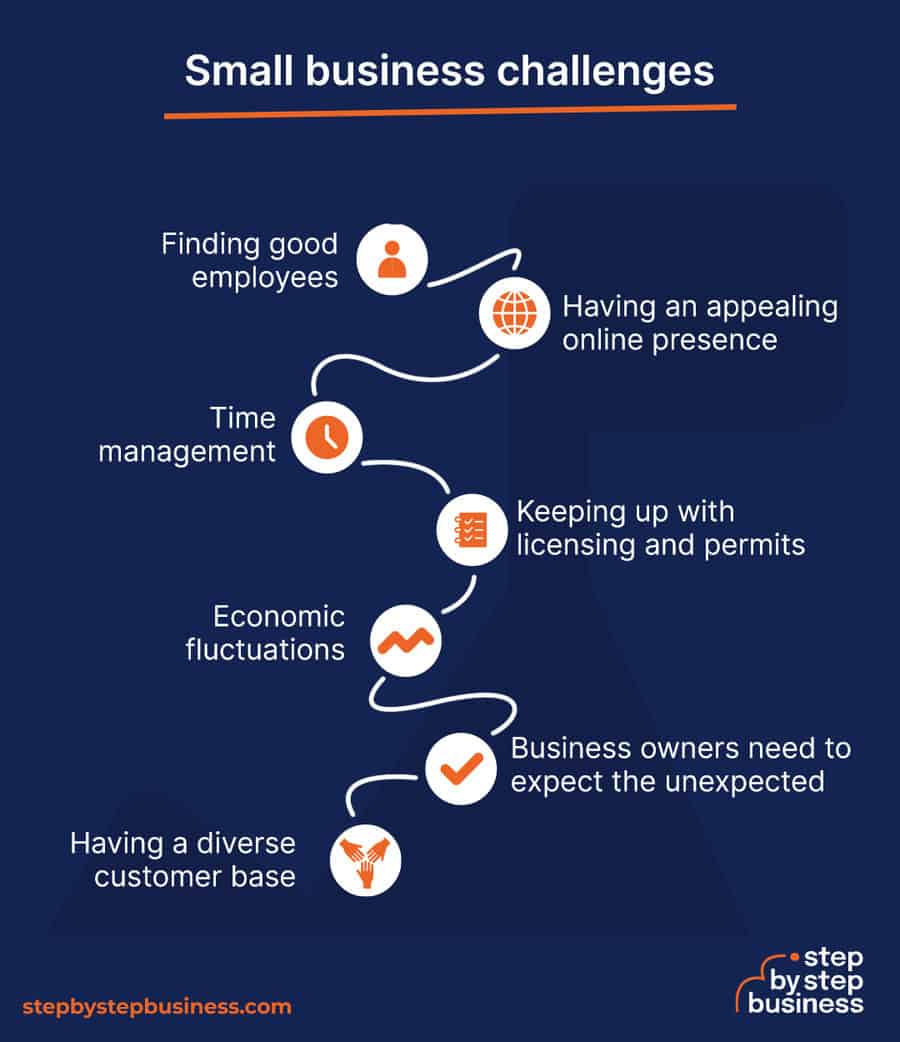
- Diversification: If possible, diversify your customer base, product lines, or revenue streams to reduce reliance on a single source, mitigating risk if one area experiences a downturn.
- Contingency Planning: Develop plans for potential financial crises, such as a sudden drop in sales, a major supply chain disruption, or an unexpected expense.
Opening a business is a monumental undertaking, and while passion, a great idea, and hard work are vital, they are insufficient without a strong financial backbone. By diligently planning your startup costs, strategically securing funding, meticulously managing your daily finances, and consistently monitoring your performance, you lay a solid foundation for sustainable growth. The question “how can I open a business” is best answered with a commitment to financial prudence, turning your entrepreneurial dream into a tangible and profitable reality.
aViewFromTheCave is a participant in the Amazon Services LLC Associates Program, an affiliate advertising program designed to provide a means for sites to earn advertising fees by advertising and linking to Amazon.com. Amazon, the Amazon logo, AmazonSupply, and the AmazonSupply logo are trademarks of Amazon.com, Inc. or its affiliates. As an Amazon Associate we earn affiliate commissions from qualifying purchases.