
Embarking on the entrepreneurial journey is often romanticized, envisioned as a thrilling leap into innovation and independence. While passion, vision, and a robust idea are undeniably crucial, the stark reality is that the foundation of any successful business is built on a comprehensive understanding and meticulous management of its finances. Without a solid financial strategy, even the most brilliant concepts can falter. This article delves exclusively into the financial imperatives for starting a business, dissecting the capital, planning, systems, compliance, and growth strategies essential for sustainable success.
Laying the Financial Groundwork: Capital Acquisition and Funding Sources
The very first question any aspiring business owner must answer is: where will the money come from? Capital is the lifeblood of a startup, funding everything from initial setup costs to operational expenses until the business achieves profitability. Understanding the various funding avenues and choosing the right mix is paramount.
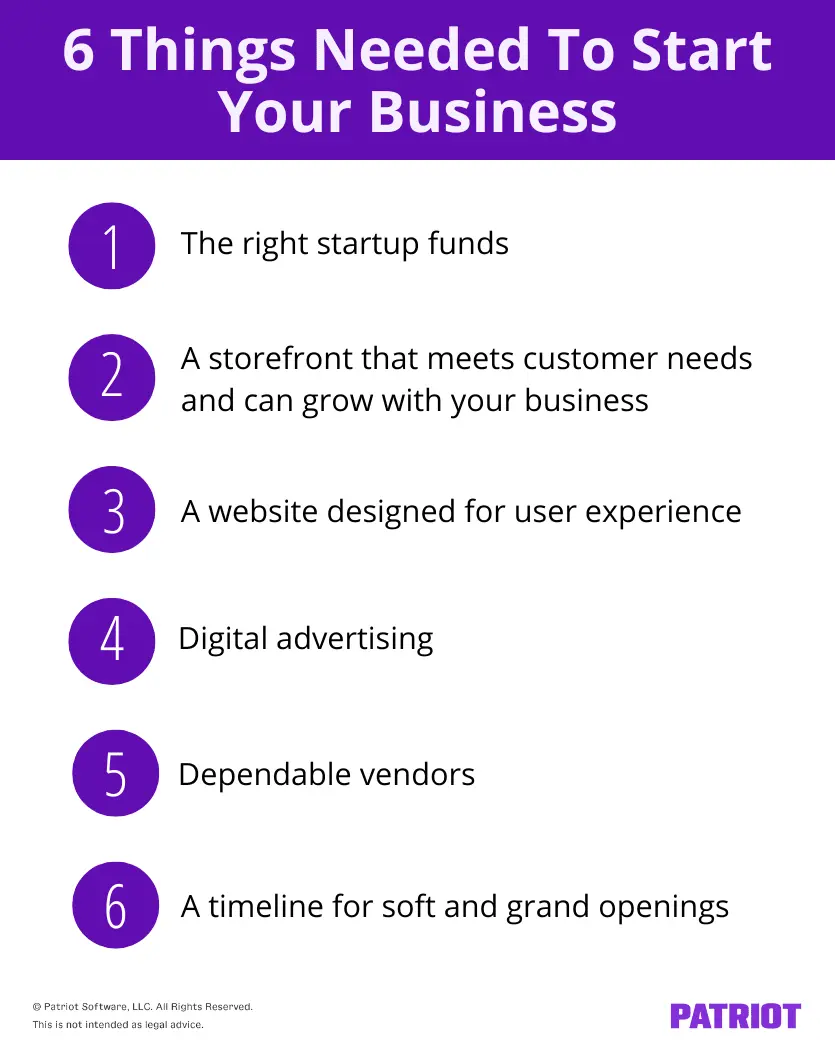
Self-Funding and Bootstrapping: Leveraging Personal Capital
Many entrepreneurs begin by self-funding, or “bootstrapping,” using personal savings, credit cards, or even loans from friends and family. This approach offers maximum control, as you retain full ownership without diluting equity. Bootstrapping forces fiscal discipline and lean operations, often leading to more resilient business models. However, it also places personal assets at risk and can limit the speed and scale of growth if capital is severely constrained. It’s a testament to belief in one’s venture, but it requires a realistic assessment of personal financial capacity and risk tolerance.
Debt Financing: Loans, Lines of Credit, and Microloans
Debt financing involves borrowing money that must be repaid, typically with interest, over a specified period. This category includes traditional bank loans, Small Business Administration (SBA) loans (in the U.S.), business lines of credit, and microloans.
- Bank Loans: Often require a solid business plan, collateral, and a strong credit history. They come with fixed repayment schedules and interest rates, offering predictability.
- Lines of Credit: Provide flexible access to funds up to a certain limit, allowing businesses to draw and repay as needed, ideal for managing short-term cash flow fluctuations.
- Microloans: Smaller loans, often from non-profit organizations, designed for startups and small businesses that may not qualify for traditional bank loans, frequently accompanied by mentorship and support.
The primary advantage of debt financing is that it doesn’t require giving up ownership equity. However, it adds a fixed financial obligation, regardless of the business’s profitability, which can be a significant burden if revenue is slow to materialize.
Equity Financing: Attracting Investors and Venture Capital
Equity financing involves selling a portion of your company’s ownership in exchange for capital. This can come from angel investors, venture capitalists (VCs), or crowdfunding platforms.
- Angel Investors: High-net-worth individuals who invest their own money, often taking an active mentoring role. They typically invest earlier in a company’s lifecycle.
- Venture Capitalists: Firms that invest pooled money from various sources (e.g., pension funds, endowments) into high-growth potential startups in exchange for significant equity stakes. VCs usually invest larger sums and expect a substantial return.
- Crowdfunding: Platforms like Kickstarter or SeedInvest allow businesses to raise small amounts of capital from a large number of individuals, either through donations, rewards, or equity stakes.
The advantage of equity financing is that it provides significant capital without the burden of repayment, and investors often bring valuable expertise and networks. The trade-off is dilution of ownership and control, as you cede a portion of your company to external parties who will have a say in its direction.
Grant Funding and Alternative Sources: Exploring Non-Dilutive Capital
Beyond traditional loans and equity, certain businesses may qualify for grant funding. These are non-repayable funds typically awarded by government agencies, foundations, or corporations to support specific research, social initiatives, or innovative projects. While highly competitive, grants offer invaluable non-dilutive capital. Other alternative sources might include revenue-based financing or factoring, which involve selling future receivables for immediate cash. Exploring all available options is crucial for securing the best financial start.
Strategic Financial Planning: Budgeting, Projections, and Cost Management
Once potential funding sources are identified, the next critical step is to meticulously plan how that capital will be allocated and managed. A robust financial plan is not just a document for investors; it’s a roadmap for the business itself, guiding decisions and setting expectations.
Estimating Startup Costs: The Initial Investment Blueprint
Before even opening doors, businesses incur significant one-time startup costs. These can include legal fees for business registration, permits and licenses, intellectual property registration, equipment purchases, initial inventory, leasehold improvements, website development (the financial cost of it), initial marketing campaigns, and security deposits. A comprehensive list and accurate estimates for these expenses are vital to determine the initial capital required and avoid being undercapitalized from the outset. Overlooking critical startup costs is a common pitfall that can derail a new venture before it even begins.
Operational Budgeting: Foreseeing Day-to-Day Expenditures
Beyond startup costs, a business needs to fund its ongoing operations. An operational budget forecasts recurring expenses such as rent, utilities, salaries and wages, raw materials, marketing and advertising, software subscriptions, insurance premiums, and professional services (e.g., accounting, legal). Creating a detailed monthly or quarterly operational budget for at least the first 12-24 months helps ensure that the business has enough working capital to cover its ongoing obligations, even during periods of slow revenue growth. This budget should be dynamic, allowing for adjustments as the business evolves.
Revenue Projections and Break-Even Analysis: Charting Your Path to Profitability
On the income side, realistic revenue projections are essential. This involves forecasting sales volume and pricing strategies, considering market demand, competition, and your unique value proposition. Paired with cost estimates, revenue projections enable a break-even analysis – the point at which total revenues equal total costs, meaning the business is neither making a profit nor incurring a loss. Understanding your break-even point is crucial for setting financial goals, pricing products or services, and knowing how much you need to sell to sustain operations and eventually become profitable.
Contingency Planning: Preparing for the Unexpected
No business plan is immune to unforeseen challenges. Economic downturns, supply chain disruptions, unexpected repairs, or slower-than-anticipated sales can all impact a new venture. Therefore, including a contingency fund or buffer in your financial plan is a non-negotiable step. This extra capital, typically 3-6 months of operating expenses, acts as a safety net, providing financial flexibility to weather storms without immediately jeopardizing the business’s survival. Neglecting contingency planning is a significant financial risk.
Essential Financial Systems and Tools for New Ventures
With capital secured and a financial plan in place, the next step is to establish the infrastructure to manage money effectively day-to-day. Setting up proper financial systems from the outset simplifies compliance, improves decision-making, and protects the business’s financial health.
Setting Up Banking and Payment Systems: The Financial Infrastructure
One of the first financial tasks is to open a dedicated business bank account. This separation of personal and business finances is not just good practice; it’s often a legal requirement and simplifies accounting, tax preparation, and auditing. Alongside a business bank account, establishing robust payment processing systems is crucial. This includes options for accepting credit/debit cards (online and/or in-person), mobile payments, bank transfers, and potentially recurring billing. Choosing reliable, secure, and cost-effective payment gateways is vital for facilitating customer transactions and managing cash flow.

Choosing Accounting Software: Streamlining Financial Records
Modern accounting software is indispensable for any business, regardless of size. Tools like QuickBooks, Xero, or FreshBooks automate many financial tasks, including invoicing, expense tracking, payroll processing, bank reconciliation, and generating financial reports (profit & loss statements, balance sheets, cash flow statements). Investing in the right software from the beginning ensures accurate record-keeping, provides real-time insights into financial performance, and significantly simplifies tax preparation. The choice of software should align with the business’s complexity, budget, and specific needs.
Payroll Management: Compensating Your Team
If your business will have employees, setting up an efficient and compliant payroll system is critical. This involves calculating wages, withholding appropriate taxes (federal, state, and local), deducting benefits, and remitting these funds to the relevant authorities. Payroll can be complex due to varying tax laws and regulations. Many businesses opt to use integrated payroll features within their accounting software or outsource payroll to specialized services like ADP or Gusto to ensure accuracy and compliance, avoiding costly penalties.
Expense Tracking and Receipt Management: Maintaining Fiscal Discipline
Diligent expense tracking is fundamental for managing cash flow, optimizing deductions for tax purposes, and understanding where money is being spent. Implementing a system for categorizing and recording every business expense, along with retaining digital or physical receipts, is paramount. Many accounting software solutions integrate with bank accounts and credit cards to automate much of this process. Consistent expense management ensures financial transparency and helps identify areas for cost reduction.
Navigating the Financial and Legal Landscape: Compliance and Risk Management
Beyond internal financial management, businesses operate within a framework of legal and regulatory obligations that invariably have financial implications. Understanding and budgeting for these external requirements is crucial to avoid penalties and safeguard the business’s future.
Understanding Business Structures and Their Financial Implications
The choice of business structure (e.g., sole proprietorship, partnership, LLC, S-Corp, C-Corp) has significant financial, legal, and tax implications. It affects personal liability, how profits are taxed, the ease of raising capital, and the administrative burden. For example, an LLC or corporation offers personal liability protection, separating business debts from personal assets, but typically incurs higher formation and ongoing compliance costs than a sole proprietorship. Consulting with a legal and financial advisor is essential to select the structure that best aligns with your financial goals and risk tolerance.
Tax Obligations and Planning: Staying Compliant from Day One
Taxes are an unavoidable financial reality for any business. These can include federal income tax, state income tax, sales tax, payroll taxes, property taxes, and excise taxes. Businesses must understand their tax obligations from the outset, obtain necessary tax IDs (e.g., EIN in the U.S.), and budget for these payments. Proactive tax planning, often with the help of a qualified accountant or tax advisor, can identify legitimate deductions, credits, and strategies to minimize tax liabilities while ensuring full compliance, thereby protecting the business’s financial health.
Business Insurance: Protecting Your Financial Assets
Insurance is a critical financial safeguard against unforeseen events that could otherwise devastate a business. Depending on the industry and structure, necessary insurance policies might include general liability insurance, property insurance, professional liability (E&O) insurance, workers’ compensation insurance (if you have employees), and cyber liability insurance. These policies protect the business’s financial assets from lawsuits, natural disasters, theft, and other risks, preventing potentially ruinous financial losses. The cost of premiums must be factored into the operational budget.
Legal Fees and Regulatory Compliance Costs
Setting up and running a business involves a host of legal and regulatory requirements. These can include registering the business name, obtaining licenses and permits (federal, state, and local), drafting contracts (customer agreements, vendor contracts, employee agreements), and ensuring compliance with industry-specific regulations. These activities often incur legal fees and filing costs. Budgeting for these expenses, and understanding the ongoing costs of compliance, is vital to avoid legal challenges and financial penalties down the line.
Sustaining Growth: Financial Strategies for Long-Term Success
Starting a business is just the beginning. The real challenge, and the ultimate financial goal, is to sustain growth and achieve long-term profitability. This requires ongoing financial discipline and strategic decision-making.
Pricing Strategies: Maximizing Revenue and Value
Effective pricing is a critical lever for financial success. It’s not just about covering costs; it’s about capturing value, attracting the right customers, and positioning your product or service in the market. Strategies can range from cost-plus pricing to value-based pricing, competitive pricing, or penetration pricing. Regular review and adjustment of pricing based on market feedback, cost changes, and competitive landscape are essential to maximize revenue and profit margins. Mispricing can either leave money on the table or deter potential customers, both of which have severe financial consequences.
Cash Flow Management: The Lifeblood of Your Business
While profitability indicates whether a business makes money, cash flow determines its ability to pay bills. A profitable business can still fail if it runs out of cash. Effective cash flow management involves monitoring money coming in (receivables) and money going out (payables) to ensure there’s always enough liquidity. Strategies include managing credit terms with customers and vendors, optimizing inventory levels, and establishing a cash reserve. Regularly reviewing cash flow statements is paramount for detecting and addressing potential shortages before they become crises.
Reinvesting Profits: Fueling Expansion and Innovation
Once a business achieves profitability, a crucial financial decision is how to allocate those profits. While some owners may take distributions, reinvesting a portion of profits back into the business is often a powerful strategy for sustainable growth. This could mean funding research and development for new products, expanding into new markets, upgrading equipment, investing in marketing campaigns, or hiring additional talent. Strategic reinvestment fuels innovation and expansion, providing the capital needed to scale operations and maintain a competitive edge, thereby generating even greater financial returns in the future.

Financial Metrics and Performance Analysis: Measuring What Matters
To truly understand the financial health and trajectory of a business, continuous monitoring of key financial metrics is essential. This includes analyzing profit margins, return on investment (ROI), customer acquisition cost (CAC), customer lifetime value (CLTV), burn rate, and various liquidity ratios. Regular financial performance analysis allows business owners to identify trends, pinpoint areas of strength and weakness, make data-driven decisions, and adjust their financial strategies proactively. Financial dashboards and regular review meetings with financial advisors can transform raw data into actionable insights, ensuring the business stays on its path to financial prosperity.
In conclusion, starting a business is an intricate dance of vision and execution, but at its heart lies a profound financial journey. From securing initial capital and meticulous planning to establishing robust financial systems, navigating compliance, and strategically managing growth, every step requires a keen financial mind. By prioritizing these money-centric aspects, entrepreneurs can build not just a business, but a financially resilient and successful enterprise ready to thrive in the long run.
aViewFromTheCave is a participant in the Amazon Services LLC Associates Program, an affiliate advertising program designed to provide a means for sites to earn advertising fees by advertising and linking to Amazon.com. Amazon, the Amazon logo, AmazonSupply, and the AmazonSupply logo are trademarks of Amazon.com, Inc. or its affiliates. As an Amazon Associate we earn affiliate commissions from qualifying purchases.