
The dream of financial independence, flexibility, and building something of your own has never been more attainable than in the era of the home-based business. Starting a company from the comfort of your home is not just about convenience; it’s a profound strategic financial move that minimizes overhead, maximizes control, and opens up a world of online income possibilities. This comprehensive guide will navigate the crucial financial considerations, from initial setup to long-term wealth creation, ensuring your home-based venture is not just a passion project, but a robust engine for financial success within the Money category.
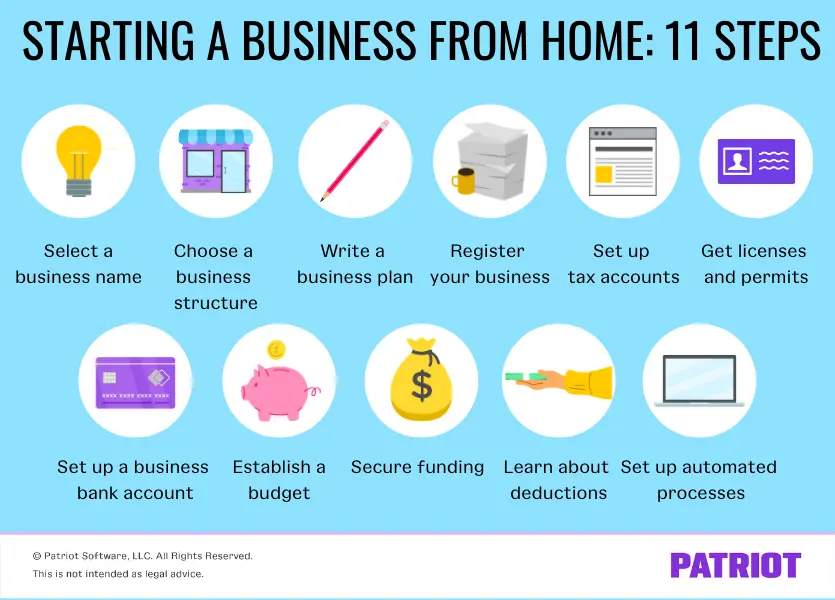
Laying the Financial Foundation for Your Home Business
Before you can even think about product launches or client acquisition, establishing a solid financial bedrock is paramount. This initial phase dictates your business’s viability, legal standing, and future financial health. Overlooking these steps is a common pitfall that can lead to unnecessary financial strain and legal complications down the line.
Budgeting and Capital Allocation
One of the most attractive aspects of a home-based business is the significantly lower startup cost compared to a traditional brick-and-mortar operation. However, “lower” does not mean “zero.” You’ll still need to budget for essential tools, software subscriptions, initial marketing, and potentially legal fees.
Start by creating a detailed list of every anticipated expense. Categorize them into “essential” (e.g., domain name, website hosting, basic software, necessary licenses/permits) and “desirable” (e.g., advanced marketing tools, professional branding, specialized equipment). Prioritize the essentials to conserve capital.
Determine your initial funding source. Many home-based entrepreneurs start with personal savings, which eliminates debt and interest payments. If personal funds are insufficient, explore low-interest small business loans, microloans, or even government grants designed for startups or specific demographics. Carefully evaluate the terms and repayment schedules, ensuring they align with your projected cash flow. The goal is to allocate capital strategically to get your business operational without overextending your personal finances.
Understanding Business Structures and Their Financial Impact
The legal structure you choose for your home-based company has profound financial implications, affecting your personal liability, tax obligations, and administrative burden.
- Sole Proprietorship: The simplest and most common structure for home businesses. It’s inexpensive to set up, but offers no legal separation between you and your business. Your personal assets are exposed to business debts and liabilities. Taxes are paid via your personal income tax return (Schedule C).
- Limited Liability Company (LLC): Offers personal asset protection, separating your personal finances from business debts. While slightly more complex and costly to set up than a sole proprietorship, the liability protection can be invaluable. For tax purposes, an LLC can be treated as a sole proprietorship, partnership, or even an S-corporation, offering flexibility to optimize your tax strategy.
- S-Corporation/C-Corporation: More complex and generally suited for businesses with higher revenue or those seeking outside investment. C-corps face “double taxation” (corporate profit tax and personal income tax on dividends), while S-corps can avoid this by “passing through” income directly to owners’ personal returns, potentially saving on self-employment taxes if structured correctly.
Consulting with a legal or financial professional is highly recommended to select the structure that best balances liability protection, tax efficiency, and administrative simplicity for your specific business goals and financial situation.
Separating Personal and Business Finances
This cannot be stressed enough: from day one, maintain a strict separation between your personal and business finances. This is fundamental for accurate financial tracking, tax compliance, and demonstrating professionalism.
- Dedicated Bank Accounts: Open a separate business checking account and, if necessary, a savings account. All business income should flow into this account, and all business expenses should be paid from it.
- Business Credit Card: Obtain a business credit card to manage expenses, build business credit, and track expenditures easily. Avoid using personal credit cards for business purchases, as this blurs financial lines and complicates accounting.
- Accounting Software: Implement basic accounting software (e.g., QuickBooks Self-Employed, FreshBooks, Wave Accounting) early on. These tools help track income, categorize expenses, generate financial reports, and even assist with invoicing and tax preparation. This meticulous record-keeping is crucial for understanding your business’s financial health, making informed decisions, and simplifying tax season.
Generating and Managing Online Income Streams
The digital landscape offers an unprecedented array of opportunities for generating income directly from your home. The key is to identify profitable models and implement smart strategies for pricing and diversification.
Identifying Profitable Home-Based Business Models
The spectrum of home-based income generation is vast, catering to diverse skill sets and market demands.
- E-commerce (Online Stores): Selling physical products through platforms like Shopify, Etsy, or even your own website. This includes dropshipping (where you don’t hold inventory) or selling handmade goods. Profitability depends on product sourcing, marketing, and efficient logistics.
- Freelancing and Consulting: Leveraging your expertise (e.g., writing, graphic design, web development, marketing, virtual assistance, coaching) to offer services to clients globally. Platforms like Upwork, Fiverr, or LinkedIn can help you find clients, but direct outreach and networking are often more lucrative.
- Digital Products: Creating and selling intellectual property such as e-books, online courses, templates, stock photos, or software. These often have high-profit margins after the initial development cost, as they can be sold repeatedly without additional inventory.
- Affiliate Marketing: Promoting other companies’ products or services and earning a commission on sales made through your unique referral link. This requires building an audience through a blog, social media, or YouTube channel.
- Online Tutoring/Teaching: Sharing your knowledge in academic subjects, languages, or specialized skills via video conferencing platforms.
When choosing a model, consider market demand, your existing skills, startup costs, and potential for scalability. Research competitors and identify your unique selling proposition to carve out a profitable niche.
Pricing Strategies for Profitability
Setting the right price for your products or services is a delicate balance between covering your costs, generating a healthy profit margin, and remaining competitive in the market.
- Cost-Plus Pricing: Calculate all direct and indirect costs associated with your product/service, then add a desired profit margin. This ensures you cover expenses, but might not reflect perceived value.
- Value-Based Pricing: Price your offerings based on the perceived value they provide to the customer, rather than just your costs. If your service solves a significant problem or provides substantial benefits, you can command a premium. This is common in consulting or high-end digital products.
- Competitor-Based Pricing: Research what competitors are charging for similar offerings. You can choose to price slightly below, at par, or above, depending on your differentiation and value proposition.
- Tiered Pricing: Offer different packages or levels of service at varying price points to cater to different customer segments and budget levels.
Understand your target market’s willingness to pay and continually assess your pricing strategy as your business evolves and market conditions change. Don’t be afraid to adjust prices as you gain experience and client testimonials.
Diversifying Income for Financial Stability
Relying on a single income stream, especially in the volatile online world, can be precarious. Diversifying your income sources provides a crucial financial safety net and accelerates growth.
This could mean offering complementary services (e.g., a web designer also offers SEO consulting), developing multiple digital products (e.g., an e-book and an online course), or combining different business models (e.g., running an e-commerce store while also engaging in affiliate marketing related to your products).
Additionally, explore different payment models, such as recurring revenue through subscriptions (e.g., membership sites, SaaS products), retainer agreements for ongoing services, or project-based work. The more diverse your income portfolio, the more resilient your business will be to market fluctuations, seasonal dips, or changes in customer demand.
Strategic Financial Management for Growth
As your home-based company begins to generate revenue, strategic financial management shifts from mere tracking to active planning for sustainable growth. This involves leveraging tools, understanding cash flow, and making informed decisions about reinvestment.
Essential Financial Tools and Software
Beyond basic accounting software, a suite of financial tools can streamline operations and provide valuable insights:
- Payment Processors: Services like Stripe, PayPal, Square, or various e-commerce platform integrations are essential for accepting online payments securely. Understand their fee structures and integrate them smoothly into your sales process.
- Expense Tracking Apps: Tools like Expensify or dedicated features within your accounting software help you easily capture receipts and categorize expenses, which is critical for tax deductions and accurate financial reporting.
- Invoicing Software: If you provide services, professional invoicing software (often integrated with accounting platforms) ensures timely billing and payment tracking.
- Budgeting and Forecasting Tools: Spreadsheets or specialized software can help you project future income and expenses, allowing you to anticipate cash flow gaps or surpluses and plan for investments or hiring.
Investing in the right tools reduces administrative burden, minimizes errors, and empowers you with real-time financial data to make smarter business decisions.

Cash Flow Management and Forecasting
Cash flow is the lifeblood of any business, especially a home-based one where personal and business finances can sometimes intertwine. Positive cash flow means more money is coming in than going out, indicating financial health.
- Monitor Inflows and Outflows: Regularly review your bank statements and accounting reports to understand where money is coming from and going. Identify patterns, such as slow payment cycles from clients or recurring large expenses.
- Create a Cash Flow Forecast: Project your expected income and expenses for the next 3, 6, or 12 months. This helps you anticipate potential shortfalls and take proactive measures, like adjusting spending, chasing overdue invoices, or seeking short-term financing.
- Build a Cash Reserve: Aim to have at least 3-6 months of operating expenses in a separate business savings account. This “business emergency fund” is crucial for weathering unexpected downturns, covering lean periods, or seizing sudden opportunities without disrupting your personal finances.
Reinvesting Profits Wisely
Once your home business is profitable, a critical decision arises: how to allocate those earnings. Smart reinvestment is key to sustainable growth, while excessive owner draws can starve the business.
- Growth Investments: Consider reinvesting in areas that will directly generate more income or improve efficiency. This might include:
- Marketing and Advertising: Expanding your reach to new customers.
- Skill Development/Training: Investing in courses or certifications to enhance your expertise or expand your service offerings.
- Technology Upgrades: Purchasing new software, equipment, or better hardware to boost productivity.
- Hiring: Bringing on virtual assistants, freelancers, or employees to scale operations and free up your time for strategic tasks.
- Debt Reduction: If you have business loans or credit card debt, using profits to pay these down can significantly improve your financial stability and reduce interest expenses.
- Owner’s Draw/Salary: While it’s tempting to take out all profits, especially when you’re working from home, ensure you leave enough capital in the business for operational needs and future growth. Establish a consistent “salary” or owner’s draw that is sustainable and allows the business to thrive. Balance your personal financial needs with the growth potential of your company.
Navigating Taxes and Financial Compliance from Home
Taxes and regulatory compliance can feel daunting for home-based entrepreneurs, but understanding your obligations and maintaining meticulous records will save you significant headaches and potential penalties. This is a critical area where financial savvy translates directly into legal and financial security.
Understanding Home Business Tax Obligations
As a self-employed individual running a home-based company, your tax responsibilities extend beyond typical employee payroll deductions.
- Self-Employment Tax: You are responsible for both the employer and employee portions of Social Security and Medicare taxes, totaling 15.3% on your net earnings.
- Estimated Taxes: Since taxes aren’t withheld from your income, you’ll generally need to pay estimated quarterly taxes to the IRS (and state if applicable) to cover your income tax and self-employment tax obligations. Failing to do so can result in penalties.
- Deductible Expenses: One of the significant advantages of a home business is the ability to deduct legitimate business expenses, which reduces your taxable income. Common deductions include:
- Home Office Deduction: If your home office is used exclusively and regularly for business, you can deduct a portion of your rent/mortgage interest, utilities, property taxes, and home insurance. (Simplified option also available).
- Business Equipment & Software: Computers, printers, specialized tools, and software subscriptions.
- Internet and Phone: A portion of your home internet and phone bill if used for business.
- Professional Development: Courses, conferences, and books related to your business.
- Marketing & Advertising: Website costs, online ads, business cards.
- Travel and Vehicle Expenses: Business-related travel, mileage for business errands.
Keep meticulous records of all expenses and consult with a tax professional to ensure you’re claiming all eligible deductions and complying with tax laws.
Record-Keeping for Audits and Financial Health
Robust record-keeping is not just for tax time; it’s essential for understanding your business’s financial performance throughout the year and protecting you in case of an audit.
- Maintain Digital and Physical Records: Keep copies of all invoices, receipts, bank statements, credit card statements, and contracts. Cloud-based accounting software or dedicated expense tracking apps can store digital copies, while a well-organized physical filing system serves as a backup.
- Categorize Expenses Accurately: Consistently categorize your expenses according to IRS guidelines to simplify tax preparation and identify areas where you might be overspending.
- Track All Income Sources: Document every payment received, noting the client, service provided, and date.
- Retain Records for Years: The IRS generally recommends keeping tax records for at least three years from the date you filed your original return, but some records (like asset purchases) should be kept longer.
Diligent record-keeping provides a clear financial picture, facilitates budgeting, and ensures you have all necessary documentation if your business is ever selected for an audit.
Seeking Professional Financial Advice
While you might be a master of your craft, financial and tax laws can be complex and ever-changing. Don’t hesitate to seek professional guidance.
- Accountants/CPAs: A certified public accountant (CPA) can help with tax preparation, financial planning, business structure advice, and ensuring compliance. They can often identify deductions you might miss and help optimize your tax strategy.
- Financial Advisors: For broader financial planning, including retirement and investment strategies tailored for self-employed individuals, a financial advisor can be invaluable.
- Business Lawyers: For complex legal structures, contracts, intellectual property, or regulatory compliance, a business lawyer ensures your business operates within legal bounds and protects your assets.
The cost of professional advice is often an investment that pays for itself many times over in saved taxes, avoided penalties, and sound financial decision-making, allowing you to focus on growing your business with confidence.
Planning for Long-Term Financial Success and Security
Starting a home-based company is not just about immediate income; it’s about building long-term financial stability and wealth. Strategic planning for the future is just as important as managing daily operations.
Building an Emergency Fund (Business & Personal)
Just as you need a personal emergency fund, your home-based business needs its own financial buffer. Economic downturns, unexpected operational costs, or a sudden dip in client work can quickly derail an undercapitalized venture.
Aim to build a business emergency fund equivalent to 3-6 months of your operating expenses. This fund provides peace of mind and allows your business to survive lean periods without having to dip into personal savings or accrue debt. Simultaneously, ensure your personal emergency fund remains robust, providing a safety net for your household regardless of business performance. Separating these two funds is crucial for clear financial boundaries and resilience.
Retirement Planning for the Self-Employed
As a business owner, you don’t have access to employer-sponsored 401(k) plans. This means you are solely responsible for your retirement savings, making proactive planning essential. Fortunately, there are excellent options available:
- SEP IRA (Simplified Employee Pension IRA): Easy to set up and administer, allowing you to contribute a significant portion of your self-employment income (up to 25% of compensation, or $69,000 for 2024, whichever is less).
- Solo 401(k): Ideal for self-employed individuals without employees (other than a spouse). It allows for both “employee” and “employer” contributions, potentially enabling you to save even more than a SEP IRA.
- SIMPLE IRA (Savings Incentive Match Plan for Employees): A good option if you plan to have a few employees, but less flexible than a SEP or Solo 401(k) for single-person businesses.
- Traditional/Roth IRA: Basic IRA options that are universally available, but with lower contribution limits than the self-employment specific plans.
Consult with a financial advisor to determine which retirement vehicle best suits your income level, financial goals, and desired contribution amounts, helping you build substantial wealth for your future.
Scaling Your Business Financially
Scaling a home-based business means expanding its capacity to generate revenue without disproportionately increasing costs. This requires careful financial planning and strategic decision-making.
- Smart Hiring: When growth demands more hands-on deck, hire strategically. Start with freelancers or virtual assistants for specific tasks (e.g., social media management, administrative support) before committing to full-time employees. Ensure the revenue generated by the hire justifies their cost.
- Investing in Automation: Utilize software and tools to automate repetitive tasks, freeing up your time and resources for higher-value activities. This is a crucial aspect of scaling efficiency.
- Market Expansion: Explore new markets or customer segments. This might involve additional marketing spend but can unlock significant revenue potential.
- Product/Service Diversification: As your business matures, consider adding new products or services that align with your existing offerings, creating additional revenue streams without starting from scratch.
- Debt for Growth: While generally advisable to minimize debt, strategic borrowing (e.g., a low-interest business loan for a significant, high-ROI investment) can be a powerful tool for scaling. Always conduct a thorough cost-benefit analysis before taking on debt.
The journey to scale is incremental and requires a keen eye on your financial metrics, ensuring that every expansion decision contributes positively to your bottom line and long-term financial health.
Conclusion
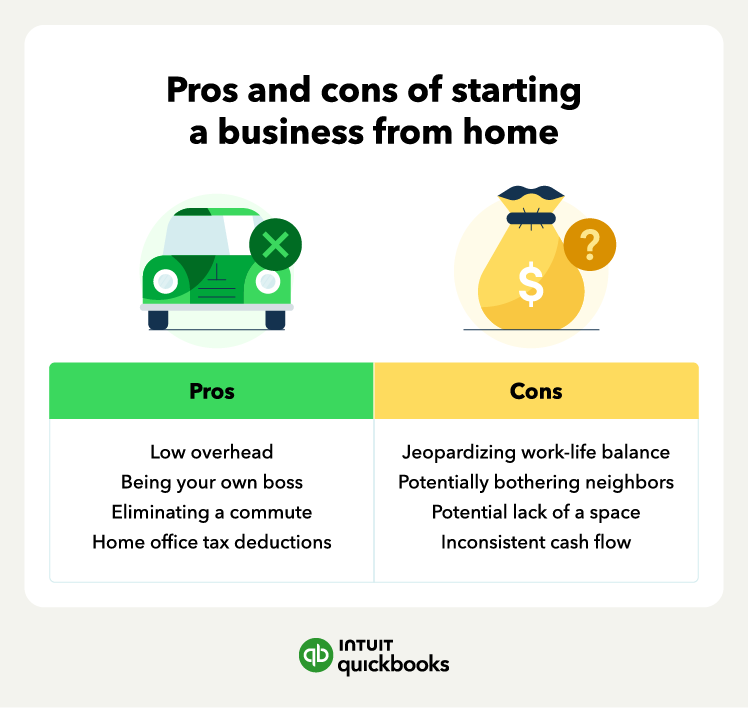
Starting a company from home is a journey filled with incredible potential for personal and financial fulfillment. By diligently establishing a robust financial foundation, intelligently generating and managing online income, applying strategic financial management for growth, and meticulously navigating tax and compliance obligations, you lay the groundwork for a truly prosperous venture. The home-based business model, when approached with financial acumen and foresight, is not merely a convenient way to work, but a powerful pathway to sustainable wealth creation, profound financial independence, and the realization of your entrepreneurial dreams. Embrace the financial strategies outlined here, and watch your home-based company flourish into a beacon of financial success.
aViewFromTheCave is a participant in the Amazon Services LLC Associates Program, an affiliate advertising program designed to provide a means for sites to earn advertising fees by advertising and linking to Amazon.com. Amazon, the Amazon logo, AmazonSupply, and the AmazonSupply logo are trademarks of Amazon.com, Inc. or its affiliates. As an Amazon Associate we earn affiliate commissions from qualifying purchases.