
Starting and running a small business is a journey fraught with both immense potential and significant challenges. While passion and innovation often fuel the initial spark, it is astute financial management that truly transforms a promising idea into a sustainable, thriving enterprise. For any small business owner, understanding the intricate dance of income, expenditure, assets, and liabilities isn’t merely a necessity; it’s the very bedrock of success. This guide delves into the essential financial principles and practices required to not only launch but also meticulously manage and grow a small business, ensuring its long-term viability and profitability.
Laying the Financial Foundation: Planning for Profitability
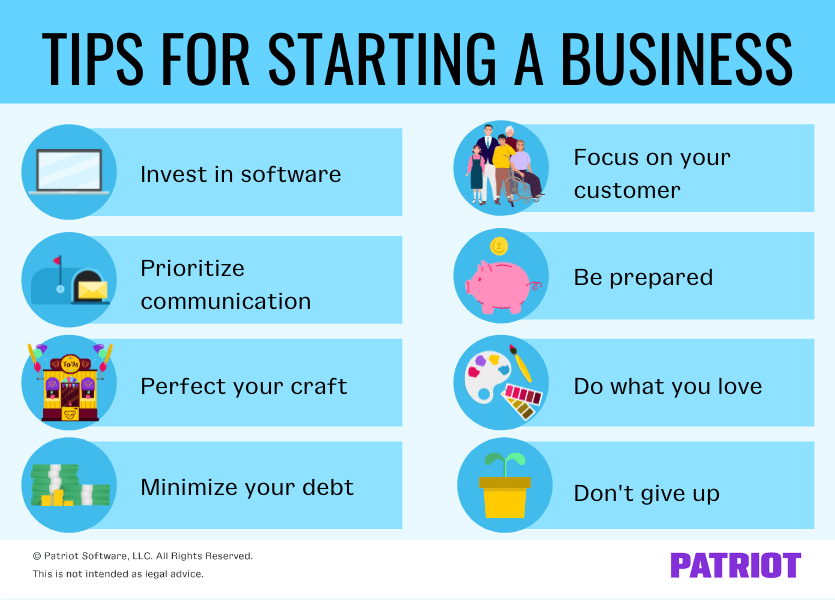
Before a single product is sold or a service rendered, the financial framework of your small business must be meticulously constructed. This initial phase is critical for setting realistic expectations, securing necessary capital, and charting a clear path toward profitability. Without a solid financial plan, even the most brilliant business idea is likely to falter.
Crafting a Robust Business Plan and Budget
A comprehensive business plan is more than just a document for investors; it’s your operational roadmap, and its financial section is the compass. This part of the plan details your projected income statement, balance sheet, and cash flow statement for at least the first three to five years. It forces you to scrutinize every aspect of your business from a monetary perspective. Alongside this, a detailed budget is indispensable. It translates your strategic goals into actionable financial targets, allocating funds for every operational expense, marketing initiative, and growth opportunity. A well-crafted budget serves as a control mechanism, allowing you to track actual performance against planned expenses and revenues, identifying deviations early and enabling timely adjustments. It’s not a one-time exercise but an ongoing process, requiring regular review and revision as your business evolves.
Understanding Startup Costs and Funding Sources
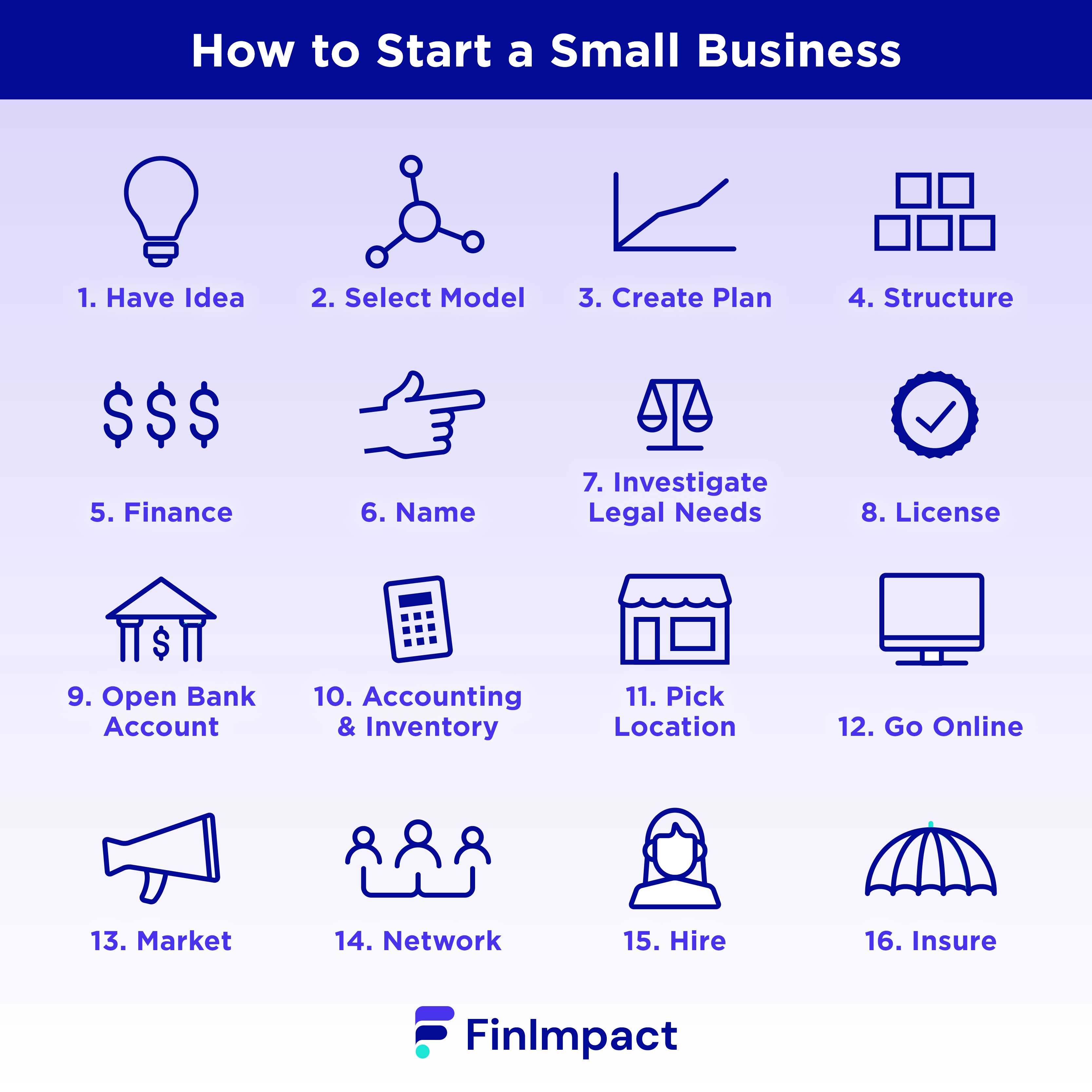
The initial investment required to get your small business off the ground, known as startup costs, can be substantial. These include everything from legal fees and permits to equipment purchases, initial inventory, rent deposits, website development, and marketing campaigns. Meticulously listing and estimating these costs is paramount. Underestimating can lead to critical funding shortfalls, jeopardizing your venture before it even begins. Once these costs are quantified, the next step is to identify appropriate funding sources. Options range widely, from self-funding (bootstrapping) through personal savings, which offers maximum control but also maximum risk, to seeking capital from friends and family. More formal avenues include small business loans from banks or credit unions, lines of credit, grants (often sector-specific), crowdfunding platforms, and angel investors or venture capitalists for high-growth potential businesses. Each option comes with its own set of requirements, interest rates, repayment terms, and potential dilution of ownership, necessitating careful evaluation to find the best fit for your business’s financial health and long-term vision.
Setting Pricing Strategies and Revenue Projections
One of the most critical financial decisions a small business owner makes is how to price their products or services. Pricing isn’t just about covering costs; it’s a strategic tool that influences customer perception, market positioning, and ultimately, your profitability. Common strategies include cost-plus pricing (adding a markup to your total costs), value-based pricing (charging what customers are willing to pay based on perceived value), competitive pricing (matching or beating competitors’ prices), and premium pricing (charging higher prices for exclusive or high-quality offerings). The chosen strategy must align with your brand, target market, and financial objectives. Simultaneously, developing realistic revenue projections is vital. This involves forecasting sales volumes based on market research, anticipated customer demand, and marketing efforts, then applying your chosen pricing structure. Overly optimistic projections can lead to poor financial decisions and cash flow problems, while overly conservative ones might stifle growth opportunities. Regular reassessment of these projections against actual sales data allows for agile adjustments to both pricing and sales strategies.
Mastering Business Operations: Financial Management Essentials
With a solid financial foundation in place, the daily operational phase demands meticulous attention to financial details. This involves the ongoing processes of recording transactions, managing cash flow, and controlling expenses to ensure the business remains solvent and on track towards its financial goals.
Efficient Bookkeeping and Accounting Practices
Accurate and consistent bookkeeping is the backbone of sound financial management. It involves systematically recording all financial transactions—sales, purchases, payments, receipts—in an organized manner. This provides a clear, real-time picture of your business’s financial state. While manual ledgers can work for very small operations, accounting software (like QuickBooks, Xero, or Wave) is highly recommended for efficiency, accuracy, and ease of reporting. These tools automate many tasks, categorize transactions, and generate essential financial statements with minimal effort. Beyond daily bookkeeping, proper accounting practices involve understanding and interpreting these financial statements: the income statement (profit & loss), balance sheet, and cash flow statement. These reports are not just for tax purposes; they are powerful analytical tools that reveal your business’s profitability, financial health, and liquidity, guiding strategic decision-making. If accounting isn’t your forte, consider outsourcing this function to a professional bookkeeper or accountant, which can save time, reduce errors, and ensure compliance.
Cash Flow Management and Forecasting
“Cash is king” is a common adage in business, and for good reason. A business can be profitable on paper but still fail due to insufficient cash flow. Cash flow management is the process of tracking the money coming into and going out of your business. Positive cash flow means you have enough liquid assets to cover your operating expenses, while negative cash flow can quickly lead to insolvency. Effective cash flow forecasting involves projecting future inflows (from sales, investments, etc.) and outflows (for rent, salaries, inventory, loan repayments) over specific periods, typically weekly or monthly. This helps anticipate potential shortfalls and allows you to take proactive measures, such as adjusting payment terms with suppliers, accelerating collections from customers, or seeking a short-term line of credit. Strategies to improve cash flow include offering early payment discounts, implementing stricter credit policies, managing inventory levels efficiently to avoid tying up capital, and carefully timing large purchases or investments.
Managing Expenses and Cost Control
Profitability is not solely about increasing revenue; it’s equally about managing expenses. Every dollar saved on costs directly contributes to your bottom line. Effective cost control requires a systematic approach to analyzing all business expenditures. Start by categorizing expenses (fixed vs. variable, essential vs. discretionary) and regularly reviewing them. Identify areas where costs can be reduced without compromising quality or operational efficiency. This might involve negotiating better deals with suppliers, optimizing utility consumption, reviewing software subscriptions, or finding more cost-effective marketing channels. However, beware of cutting costs too aggressively, as this can negatively impact product quality, customer service, or employee morale. The goal is smart spending: ensuring every expenditure provides value and supports your business objectives. Regular expense tracking, leveraging accounting software, and fostering a cost-conscious culture within your team are all vital components of successful expense management.
Strategic Growth and Financial Sustainability
Once your small business is financially stable, the focus shifts to strategic growth and ensuring long-term sustainability. This involves leveraging financial data for informed decision-making, navigating regulatory complexities, and planning for future expansion or divestment.
Understanding Key Financial Metrics and KPIs
To steer your business toward growth, you must understand its performance through key financial metrics and Key Performance Indicators (KPIs). These are quantifiable measures that reflect how well your business is achieving its financial goals. Essential KPIs include gross profit margin (revenue minus cost of goods sold, divided by revenue), net profit margin (net income divided by revenue), operating cash flow (cash generated from normal business operations), customer acquisition cost (CAC), customer lifetime value (CLTV), break-even point, and inventory turnover. Regularly monitoring these metrics allows you to identify trends, pinpoint areas of strength and weakness, and make data-driven decisions regarding pricing, marketing, product development, and operational efficiencies. For instance, a low gross profit margin might indicate pricing issues or high production costs, while a high CAC relative to CLTV suggests an unsustainable marketing strategy.
Navigating Taxes, Compliance, and Legal Obligations
The financial landscape for small businesses is heavily regulated, and understanding your tax and legal obligations is non-negotiable. Compliance failure can lead to severe penalties, fines, and even business closure. This includes understanding federal, state, and local income taxes, sales taxes, payroll taxes (if you have employees), and potentially industry-specific taxes. Proper record-keeping is crucial for tax preparation and audits. Beyond taxes, legal obligations encompass business registration, obtaining necessary licenses and permits, adhering to employment laws (minimum wage, workplace safety), consumer protection regulations, and data privacy laws. It is highly advisable to consult with a qualified accountant and a business attorney to ensure full compliance with all applicable financial and legal requirements. Proactive planning and staying updated on changing regulations can prevent costly mistakes and safeguard your business’s financial integrity.
Reinvesting Profits and Planning for Expansion
Once your business consistently generates profits, a critical decision arises: how to best utilize these earnings. While some owners might take out distributions, strategically reinvesting profits is often the most effective path to sustainable growth. Reinvestment can take many forms: expanding product lines, investing in new technology or equipment, increasing marketing spend, hiring more talent, or improving existing infrastructure. The goal is to allocate capital in ways that generate future returns and enhance the business’s competitive advantage. However, reinvestment must be balanced with maintaining a healthy cash reserve and managing debt levels. Planning for expansion requires careful financial modeling, assessing the potential return on investment (ROI) of each growth initiative, and ensuring the business has the capacity—both operational and financial—to handle increased demand. This strategic allocation of capital is what differentiates a stagnant business from a thriving one.
Protecting Your Financial Future
Beyond the day-to-day and growth strategies, securing the long-term financial health and resilience of your small business requires foresight and proactive measures to mitigate risks and plan for unforeseen circumstances or eventual transitions.
Risk Management and Insurance Considerations
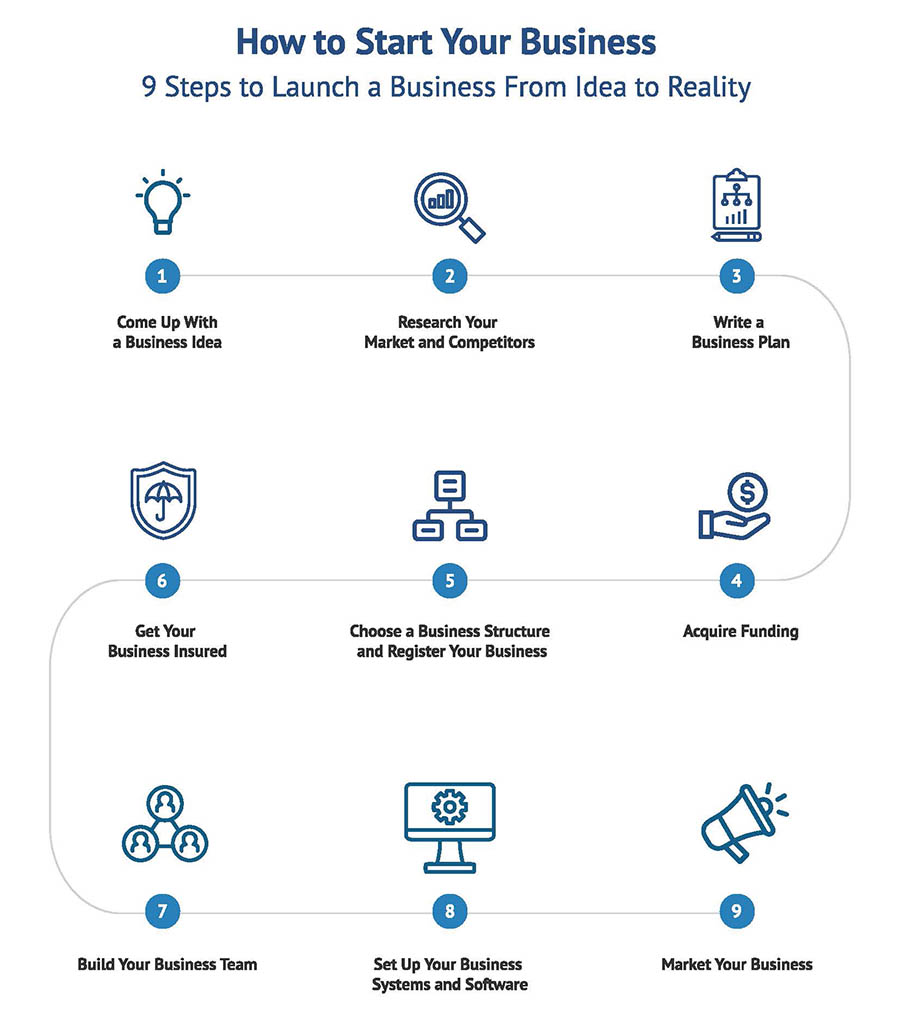
Every small business faces a myriad of risks, from natural disasters and economic downturns to cyberattacks, lawsuits, and employee-related issues. Effective financial risk management involves identifying these potential threats, assessing their likelihood and potential impact, and developing strategies to mitigate them. A key component of this is adequate business insurance. Depending on your industry and operations, this could include general liability insurance, property insurance, business interruption insurance, professional liability (errors and omissions) insurance, cyber liability insurance, and workers’ compensation insurance. Each type of insurance protects your financial assets by transferring specific risks to an insurer, preventing a single unforeseen event from bankrupting your business. Regularly review your insurance policies to ensure they align with your current business operations and asset values. Beyond insurance, other risk mitigation strategies include diversifying your customer base, maintaining strong cybersecurity protocols, and establishing robust disaster recovery plans.
Building a Financial Safety Net
Just as individuals need an emergency fund, small businesses benefit immensely from a financial safety net. This typically comes in the form of cash reserves that can cover several months of operating expenses. A robust safety net provides critical liquidity during unexpected downturns, seasonal fluctuations, or slow payment cycles. It allows the business to weather storms without having to resort to high-interest loans, lay off employees, or make rushed, detrimental decisions. Building this reserve requires discipline: allocating a portion of profits regularly rather than immediately reinvesting or distributing them. This financial cushion offers peace of mind and the flexibility to seize opportunities that might arise, reinforcing the business’s resilience and long-term financial stability.
Exit Strategies and Succession Planning
While it might seem premature when just starting, thinking about an exit strategy is a crucial financial consideration for any small business owner. An exit strategy outlines how you plan to eventually leave your business, whether through sale, transfer to family, management buyout, or even liquidation. Planning this in advance can significantly impact the financial value you ultimately realize from your years of hard work and investment. It involves preparing your business for sale by ensuring clean financial records, demonstrating consistent profitability, and identifying potential buyers or successors. For those looking to pass the business on, succession planning ensures a smooth transition of leadership and ownership, preserving the business’s value and legacy. Financially, this means valuing the business accurately, understanding tax implications of various exit methods, and ensuring proper legal structures are in place. A well-executed exit strategy maximizes financial return and provides a clear path for the future of your enterprise.
Running a small business is a continuous exercise in financial stewardship. From the initial meticulous planning and funding to the daily grind of managing cash flow and expenses, and finally to strategic growth and long-term protection, every decision has financial implications. By embracing sound financial principles, leveraging appropriate tools, and seeking expert advice when needed, small business owners can navigate the complexities of the market, build resilient operations, and ultimately achieve lasting profitability and success. It is the disciplined focus on the numbers that transforms an entrepreneurial dream into a tangible, financially robust reality.
aViewFromTheCave is a participant in the Amazon Services LLC Associates Program, an affiliate advertising program designed to provide a means for sites to earn advertising fees by advertising and linking to Amazon.com. Amazon, the Amazon logo, AmazonSupply, and the AmazonSupply logo are trademarks of Amazon.com, Inc. or its affiliates. As an Amazon Associate we earn affiliate commissions from qualifying purchases.