
Starting a small business is a quintessential pursuit of financial independence and wealth creation. It’s an ambitious leap, often fueled by a desire for autonomy, a passion for a particular service or product, and the promise of a more flexible and rewarding professional life. However, the sheer volume of options can be overwhelming, leading many aspiring entrepreneurs to ponder: “What is a good small business to start?” The answer isn’t universal; it’s deeply personal, yet firmly rooted in sound financial principles, market understanding, and strategic execution. This article will delve into identifying profitable small business ventures, focusing on their financial implications, sustainable income generation, and strategies for long-term financial health.
Understanding the Landscape of Small Business Opportunities
Before committing resources, time, and capital, a thorough understanding of the current small business landscape is paramount. The goal is not just to start any business, but to start a good business – one that is viable, profitable, and aligned with market demand and personal capabilities. This initial exploration phase is crucial for laying a solid financial foundation.
Identifying Market Gaps and Untapped Niches
A “good” small business often emerges from an identified market gap or an underserved niche. Instead of competing head-on with established giants, savvy entrepreneurs look for specific problems they can solve or unique desires they can fulfill for a particular segment of the population. This could mean offering a specialized service that mainstream providers overlook, catering to a niche hobby, or delivering a product with a unique value proposition. Identifying these gaps requires keen observation, market research, and sometimes, simply listening to the complaints or unmet needs of your community. For instance, while coffee shops are ubiquitous, a mobile coffee cart specializing in artisanal, ethically sourced beans for corporate events might tap into a distinct, high-margin niche. The financial advantage here is reduced competition, allowing for more flexible pricing and a stronger connection with a dedicated customer base, which can translate into higher customer lifetime value.
Assessing Your Skills, Passions, and Resources
The most successful small businesses often leverage the founder’s existing skills, passions, and available resources. While market opportunity is vital, sustained effort and genuine enjoyment are equally important for navigating the inevitable challenges of entrepreneurship. A business built around something you genuinely enjoy and are proficient at not only makes the journey more fulfilling but also enhances your ability to innovate and persevere. From a financial perspective, leveraging existing skills reduces the need for expensive training or outsourcing, thereby lowering initial startup costs and accelerating the path to profitability. Similarly, assessing your financial resources – how much capital you can realistically invest without undue risk – will dictate the scope and scale of your initial venture. Bootstrapping, or self-funding, is a common strategy for small businesses, minimizing debt and allowing for organic growth driven by revenue.
The Importance of Market Research and Feasibility Studies
Once potential ideas emerge, rigorous market research and a feasibility study become indispensable. This isn’t just about identifying potential customers; it’s about understanding their willingness to pay, the competitive landscape, pricing strategies, and the overall economic viability of your idea. A feasibility study evaluates the practical aspects of your business concept from a financial, operational, and market perspective. It helps answer critical questions like: Is there a sufficient market demand? What are the startup costs? What are the projected revenues and expenses? What is the break-even point? Performing a comprehensive feasibility study minimizes financial risk by identifying potential pitfalls and validating assumptions before significant capital is committed. Tools like SWOT analysis (Strengths, Weaknesses, Opportunities, Threats) and competitive analysis are invaluable here, providing a realistic financial outlook and a roadmap for strategic positioning.
Low-Cost, High-Potential Ventures for Financial Success
Many aspiring entrepreneurs are deterred by the perception of high startup costs. However, a “good” small business doesn’t necessarily demand substantial upfront investment. In fact, some of the most financially rewarding ventures are those with minimal overheads, allowing for quicker profitability and greater financial flexibility.
Service-Based Businesses with Minimal Overhead
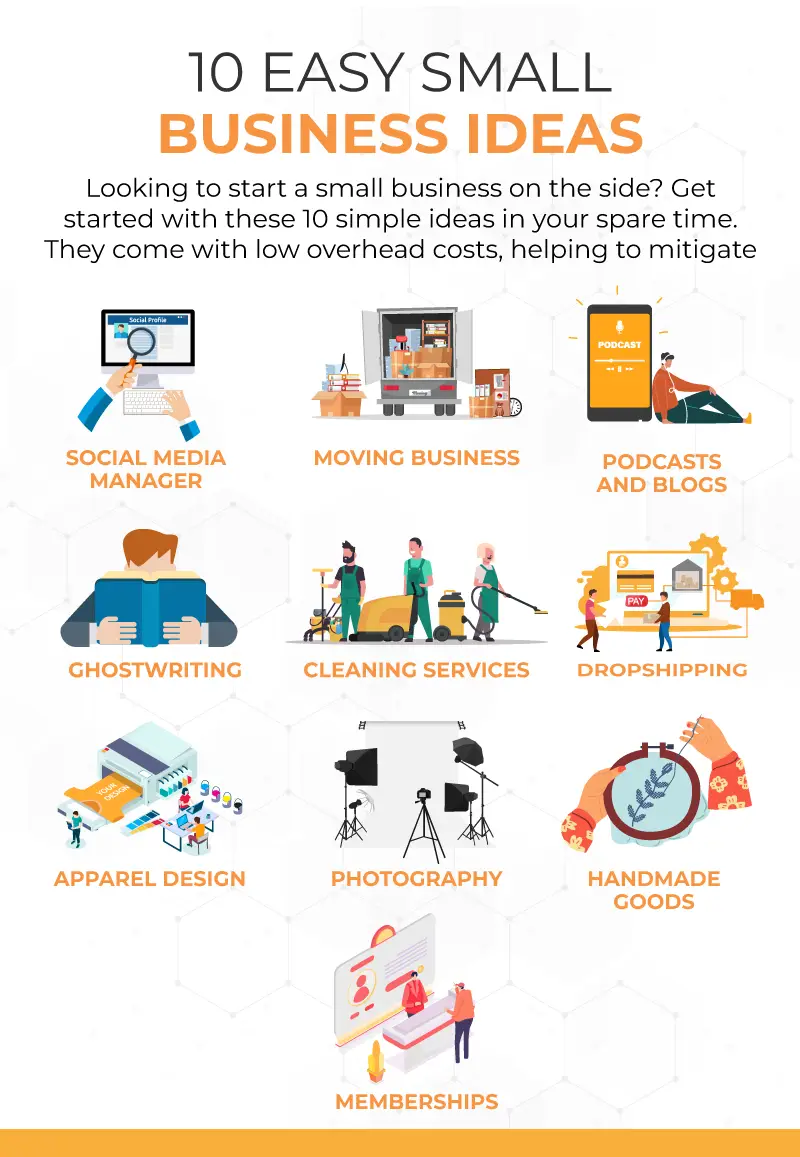
Service-based businesses are often an excellent entry point into entrepreneurship due to their typically low startup costs. If you possess a valuable skill – be it writing, graphic design, consulting, coaching, bookkeeping, personal training, or cleaning – you can often start with little more than a computer, a phone, and your expertise. The primary investment is your time and skill, which translates directly into billable hours or project fees. This model allows for high-profit margins once a client base is established. For example, a virtual assistant service requires only a laptop and internet connection, with revenue directly proportional to client acquisition and service delivery. These businesses excel at leveraging personal expertise to generate direct income, making them attractive for individuals seeking immediate financial returns and scalability without significant capital outlay.
E-commerce and Dropshipping: Leveraging Online Marketplaces
The digital age has democratized retail, making e-commerce a highly accessible and potentially lucrative small business avenue. Selling products online, whether through your own website, Etsy, eBay, or Amazon, reduces the need for a physical storefront, drastically cutting down on rental costs, utilities, and extensive inventory management. Dropshipping, a specific e-commerce model, further minimizes financial risk by eliminating the need to hold inventory. When a customer places an order, the product is shipped directly from a third-party supplier to the customer. This model has exceptionally low startup costs, requiring primarily marketing efforts and platform fees. While profit margins per item might be lower than traditional retail, the ability to offer a vast array of products without inventory risk makes it a scalable model for generating significant online income. Success hinges on effective digital marketing and identifying trending products with strong demand.
Digital Products and Content Creation: Scalable Income Streams
For individuals with expertise or creative talent, developing and selling digital products or engaging in content creation offers remarkably scalable income streams with near-zero variable costs. This category includes e-books, online courses, stock photos, software templates, music, podcasts, YouTube channels, and even membership sites. Once a digital product is created, it can be sold an infinite number of times without incurring additional manufacturing or shipping costs. This leads to very high-profit margins. Content creation, while sometimes generating income through advertising or sponsorships, can also serve as a powerful marketing tool for selling digital products or services. The initial investment is primarily time and expertise to create high-quality content or products. The long-term financial benefits are substantial, as these assets can generate passive income for years, contributing significantly to one’s personal finance portfolio and providing a strong foundation for financial freedom.
Maximizing Profitability and Financial Sustainability
Starting a business is one thing; making it consistently profitable and financially sustainable is another. This requires a sharp focus on financial management, strategic pricing, and efficient operations.
Smart Pricing Strategies and Value Proposition
Pricing is not just about covering costs; it’s a strategic decision that reflects your value proposition and impacts your perceived quality, market positioning, and ultimately, your profitability. A “good” small business understands the art and science of pricing. This involves market-based pricing (what competitors charge), cost-plus pricing (adding a markup to your costs), and value-based pricing (what customers are willing to pay for the perceived value). Undercutting competitors can sometimes attract customers, but it can also erode profit margins and devalue your offering. Instead, focus on clearly articulating your unique value proposition – what makes your product or service better, faster, or more specialized. Premium pricing can be justified if you offer superior quality, unparalleled service, or a highly niche solution. Regular review of your pricing strategy is essential to ensure it remains competitive and profitable as market conditions evolve.
Efficient Operations and Cost Management
Profitability isn’t solely about revenue; it’s equally about managing expenses efficiently. Every dollar saved on operational costs directly contributes to the bottom line. This means constantly scrutinizing expenditures, seeking cost-effective solutions, and streamlining processes. For a small business, this could involve negotiating better deals with suppliers, optimizing inventory to reduce holding costs, leveraging free or low-cost digital tools for marketing and administration, and minimizing unnecessary overheads. For service businesses, time management and efficient project delivery directly impact profitability, as time is often the primary billable resource. Implementing lean methodologies, automating repetitive tasks, and outsourcing non-core functions can significantly improve operational efficiency and boost financial performance.
Building a Strong Customer Base for Recurring Revenue
One of the hallmarks of a financially robust small business is a loyal customer base that generates recurring revenue. Acquiring new customers is generally more expensive than retaining existing ones. Therefore, strategies focused on customer satisfaction, loyalty programs, and subscription models are crucial for long-term financial health. Recurring revenue provides predictable cash flow, which is vital for planning, investment, and mitigating financial volatility. Whether it’s through a monthly membership for a service, repeat purchases of a consumable product, or ongoing service contracts, fostering customer loyalty reduces customer acquisition costs over time and builds a stable foundation for revenue growth. This stability allows for better financial forecasting and more confident business decisions.
Funding Your Venture: Smart Financial Decisions
The question of “how to fund” is central to “what is a good small business to start.” Making smart financial decisions about funding can determine the longevity and success of your venture, influencing everything from growth potential to personal financial risk.
Bootstrapping and Self-Funding Strategies
Bootstrapping refers to building a company’s growth from existing cash flow and personal finances, without external capital or outside debt. This is often the preferred route for many small business owners, as it maintains full ownership and control, avoids interest payments, and forces a disciplined approach to spending. Bootstrapping might involve starting with minimal inventory, working from a home office, leveraging personal skills, and reinvesting every dollar earned back into the business. While slower initially, it builds a financially resilient business with a strong foundation of positive cash flow. Personal savings, a side hustle that funds the main business, or even selling personal assets can be part of a bootstrapping strategy. This approach is highly relevant to the “Money” niche, emphasizing personal finance management and self-sufficiency in business funding.
Exploring Small Business Loans and Grants
When bootstrapping isn’t sufficient or growth opportunities require more capital, small business loans and grants become viable options. Small business loans from banks, credit unions, or government-backed programs (like those from the Small Business Administration in the U.S.) can provide the necessary capital for equipment, inventory, marketing, or expansion. It’s crucial to understand the terms, interest rates, and repayment schedules to ensure the loan is financially sustainable for your business. Grants, while less common and often highly competitive, offer non-repayable funds, typically targeting businesses in specific industries, underserved communities, or those focused on innovation. Thorough research and a well-crafted business plan are essential for securing either type of funding, demonstrating financial acumen and a clear path to profitability to potential lenders or grant providers.
Managing Cash Flow and Financial Projections
Regardless of the funding source, meticulous cash flow management is the lifeblood of any small business. Cash flow forecasting involves predicting the money coming into and going out of your business over a specific period. Positive cash flow ensures you can meet operational expenses, pay suppliers, and invest in growth. Without it, even a profitable business can fail due to liquidity issues. Developing accurate financial projections – including income statements, balance sheets, and cash flow statements – is not just for securing funding; it’s a vital tool for day-to-day decision-making, budgeting, and identifying potential financial bottlenecks. Regular review of financial statements allows you to monitor performance against projections, make timely adjustments, and ensure the business remains on a financially healthy trajectory.
Embracing Growth and Long-Term Financial Health
A “good” small business is one that doesn’t just survive but thrives and grows, continually contributing to the financial well-being of its owner and potentially its employees. Long-term financial health is achieved through strategic planning for growth and diversification.
Reinvesting Profits for Expansion
Once a business starts generating consistent profits, a critical financial decision is how to utilize those earnings. While some profit might be taken as personal income, reinvesting a portion back into the business is crucial for sustainable growth. Reinvestment can take many forms: upgrading equipment, hiring additional staff, expanding marketing efforts, developing new products or services, or entering new markets. This strategic allocation of funds allows the business to scale, increase its capacity, and enhance its competitive advantage, ultimately leading to higher future profits and greater financial valuation. It’s a delicate balance between drawing income and fueling growth, requiring careful financial planning to ensure optimal reinvestment without compromising personal financial needs.
Diversifying Revenue Streams
Relying on a single source of income or a single product line can be financially risky. A truly robust small business diversifies its revenue streams to mitigate risk and open up new avenues for growth. This could involve offering complementary services, developing related products, targeting new customer segments, or exploring different sales channels. For instance, a graphic designer might diversify by offering web design, selling digital templates, or teaching online courses. This not only creates multiple income sources but also makes the business more resilient to market fluctuations or changes in customer demand in any one area, contributing to greater financial stability and long-term security.

Planning for Exit Strategies and Wealth Creation
While often overlooked in the early stages, thinking about an exit strategy is a component of long-term financial planning for any entrepreneur. An exit strategy defines how an owner plans to leave the company, whether through selling it, passing it on to family, or dissolving it. Planning for this from the outset can influence business structure, financial management practices, and asset building. Building a business that is attractive to potential buyers, for instance, means focusing on strong financials, clear processes, and a solid customer base. Ultimately, a “good” small business is one that not only generates current income but also builds significant equity, becoming a valuable asset that contributes to the owner’s overall wealth creation and financial legacy. This forward-thinking approach ensures that the entrepreneurial journey culminates in a significant financial reward.
In conclusion, identifying “what is a good small business to start” is an endeavor that transcends mere passion or a catchy idea. It requires a pragmatic, financially driven approach – understanding market needs, leveraging personal strengths, managing costs meticulously, securing appropriate funding, and planning for sustainable growth and long-term wealth creation. By focusing on these financial pillars, aspiring entrepreneurs can transform a nascent idea into a thriving, financially sound venture that delivers both personal fulfillment and lasting economic value.
aViewFromTheCave is a participant in the Amazon Services LLC Associates Program, an affiliate advertising program designed to provide a means for sites to earn advertising fees by advertising and linking to Amazon.com. Amazon, the Amazon logo, AmazonSupply, and the AmazonSupply logo are trademarks of Amazon.com, Inc. or its affiliates. As an Amazon Associate we earn affiliate commissions from qualifying purchases.