
In the rapidly evolving landscape of digital commerce, payment solutions play a pivotal role, often acting as the linchpin between a browsing customer and a completed sale. Among these, Shop Pay has carved out a significant niche, recognized for its speed, security, and user-friendliness. But beyond its functionality, a fundamental question for merchants, investors, and industry observers alike is: “Who owns Shop Pay?” Understanding its ownership is not merely a matter of corporate trivia; it provides crucial insights into its financial backing, strategic direction, and integral role within the broader e-commerce ecosystem.
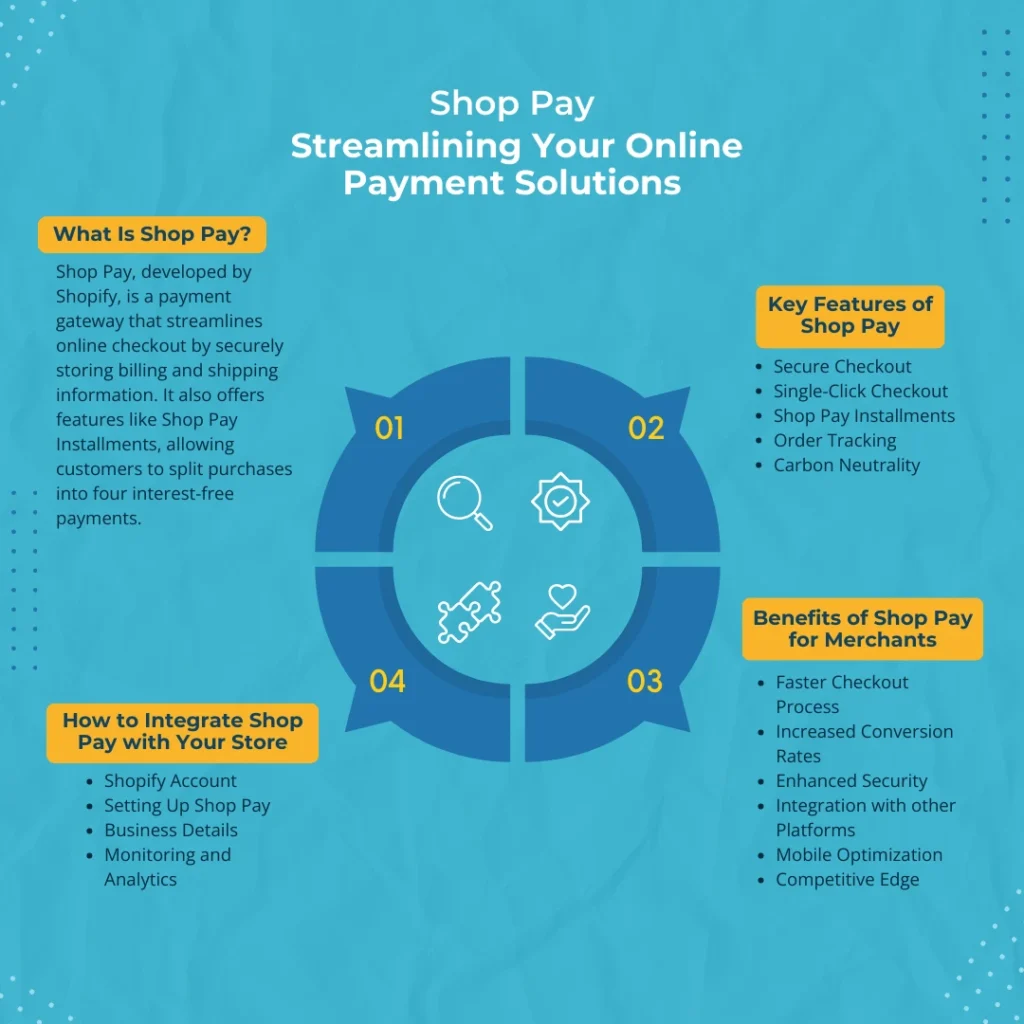
The answer, straightforward yet profoundly significant, is that Shop Pay is owned and operated by Shopify Inc. This direct lineage is fundamental to understanding Shop Pay’s design, integration, and overarching financial strategy. Shopify, a multinational e-commerce company headquartered in Ottawa, Canada, provides a comprehensive platform for businesses to set up and manage their online stores, retail point-of-sale systems, and various related services. Shop Pay is not an independent entity or a product of a third-party acquisition; rather, it is a proprietary payment accelerator built directly into Shopify’s ecosystem, designed to enhance the financial performance of its merchants.
This article will delve into the financial and strategic implications of Shop Pay’s ownership by Shopify, exploring how this relationship strengthens both entities, influences revenue streams, impacts investment decisions, and shapes the future of digital payments within the e-commerce sector.
Shop Pay’s Origins and Its Place in the E-commerce Financial Ecosystem
Shop Pay emerged from Shopify’s continuous drive to optimize the merchant and customer experience, particularly at the most critical juncture of the online shopping journey: checkout. The concept was simple yet powerful: eliminate friction and expedite transactions, thereby directly boosting conversion rates and, by extension, merchant revenue. Its ownership by Shopify ensures deep integration and alignment with the platform’s core financial objectives.
The Shopify Advantage: A Core Financial Offering
Shopify’s business model is built around empowering merchants of all sizes, from nascent startups to established enterprises. By offering a comprehensive suite of tools – from website builders and inventory management to marketing and analytics – Shopify aims to be the indispensable backbone of online retail. Shop Pay fits perfectly into this philosophy as a native solution. It leverages a customer’s saved payment and shipping information to offer a one-click checkout experience across any participating Shopify store. This not only benefits consumers with convenience but offers a clear financial advantage to merchants by reducing cart abandonment, a persistent challenge in e-commerce that directly impacts potential income.
The financial synergy is undeniable. For Shopify, Shop Pay reinforces its position as an all-in-one solution provider, making its platform more attractive to prospective merchants. For merchants, it translates directly into higher sales volumes and more efficient transaction processing, contributing positively to their bottom line. It’s a compelling value proposition that underscores the strength of integrated financial tools within a holistic e-commerce platform.
Streamlining the Customer Journey: Direct Financial Impact
The primary financial benefit of Shop Pay lies in its ability to dramatically simplify and speed up the checkout process. Traditional checkouts often involve multiple steps, requiring customers to input personal details, shipping addresses, and payment information. Each additional step introduces a potential point of friction, leading to a higher likelihood of abandonment. Shop Pay addresses this by allowing customers to save their details securely after their first use, enabling subsequent purchases to be completed with a single tap or click.
From a financial perspective, this streamlined journey has a measurable impact. Studies and internal data often show that payment accelerators like Shop Pay can increase conversion rates by a significant margin – sometimes up to 1.7 times faster than traditional checkouts. For businesses, higher conversion rates mean more completed sales from the same amount of traffic, effectively maximizing the return on marketing and operational investments. This direct link to increased revenue makes Shop Pay a critical financial tool for any Shopify merchant looking to optimize their online income.
Shopify’s Financial Powerhouse and Strategic Investments
Shopify Inc. is not just a technology company; it is a financial powerhouse whose market capitalization reflects its dominance in the e-commerce sector. Its ownership of Shop Pay is a strategic investment that reinforces its core business model and diversifies its revenue streams, all while strengthening its competitive moat.
A Pillar of Shopify’s Merchant Ecosystem
Shop Pay isn’t just a feature; it’s a strategic pillar within Shopify’s extensive merchant ecosystem. By providing a secure, fast, and familiar checkout experience, it reduces reliance on third-party payment gateways for basic transactions, though Shopify does integrate with many. This allows Shopify to maintain greater control over the end-to-end customer experience and, critically, the financial data flow. The more merchants use Shop Pay, the more valuable the Shopify ecosystem becomes, creating a powerful network effect that attracts more businesses and customers.
This integration provides Shopify with valuable insights into transaction patterns and consumer behavior, which can be leveraged for product development and strategic financial planning. For instance, understanding peak shopping times or common purchasing habits helps Shopify fine-tune its platform and offer more relevant financial services or marketing tools to its merchants. The tighter the integration, the more robust Shopify’s financial services offering becomes.
Valuation and Market Capitalization Implications
Shopify’s valuation in the global stock market is heavily influenced by the strength and breadth of its services, including payment solutions like Shop Pay. As a proprietary offering, Shop Pay contributes to Shopify’s overall value by enhancing its platform’s stickiness and its ability to generate revenue from transaction fees. Every successful transaction processed through Shop Pay contributes a small percentage to Shopify’s top line, thereby directly impacting its financial performance and, consequently, its market capitalization.
Furthermore, Shop Pay’s success underscores Shopify’s capacity for innovation in financial technology (fintech). This ability to develop and integrate effective financial tools strengthens investor confidence in Shopify’s long-term growth prospects, signaling that the company is not merely a platform provider but a comprehensive enabler of digital commerce, including its critical financial infrastructure. The development and continuous improvement of Shop Pay represent significant internal investments by Shopify, investments that are expected to yield substantial returns in terms of merchant acquisition, retention, and transaction-based revenue.
Leveraging Scale for Financial Innovation
Shopify’s enormous scale, with millions of merchants worldwide, provides a unique advantage in financial innovation. This vast network allows Shop Pay to achieve significant adoption and collect extensive data, which can then be used to refine its algorithms, enhance security features, and explore new financial services. The financial muscle of Shopify enables it to invest heavily in R&D for Shop Pay, ensuring it remains at the forefront of payment technology.

This scale also facilitates the introduction of new financial products, such as “Shop Pay Installments,” which allows customers to pay for their purchases in flexible installments. This Buy Now, Pay Later (BNPL) service is a direct extension of Shop Pay’s functionality, providing a new revenue stream for Shopify while offering merchants a powerful tool to increase average order value and attract budget-conscious customers. It’s a clear example of how Shopify leverages its ownership of Shop Pay to introduce cutting-edge financial solutions that benefit its entire ecosystem.
The Financial Mechanics of Shop Pay
Understanding Shop Pay also requires a look into its operational financial mechanics, both for the parent company, Shopify, and for the merchants utilizing the service. It’s a system designed to create value across the entire transaction chain.
Transaction Fees and Revenue Generation
For Shopify, Shop Pay is a direct revenue generator through transaction fees. When a merchant uses Shopify Payments (Shopify’s integrated payment processor), which often accompanies Shop Pay, Shopify earns a percentage of each transaction. While Shop Pay itself is a checkout accelerator rather than a standalone payment processor, its seamless integration with Shopify Payments means that its widespread adoption contributes directly to Shopify’s financial services revenue.
These transaction fees, collectively, form a significant part of Shopify’s overall financial services revenue, a segment that has been growing steadily. The more successful merchants are using Shop Pay to complete sales, the more transactions are processed through Shopify Payments, thereby bolstering Shopify’s financial performance. This model aligns Shopify’s financial success directly with that of its merchants: as merchants grow and sell more, Shopify’s revenue grows.
Shop Pay Installments: A BNPL Integration
One of the most significant financial extensions of Shop Pay is the introduction of Shop Pay Installments. This service allows eligible customers to divide their purchases into several interest-free payments over a period, typically with four payments every two weeks for smaller purchases, or monthly payments for larger purchases, facilitated by partners like Affirm. This “Buy Now, Pay Later” (BNPL) model has rapidly gained traction in e-commerce, offering flexibility to consumers and a powerful sales tool for merchants.
From a financial perspective, Shop Pay Installments offers multiple benefits. For merchants, it can significantly increase conversion rates and average order values, as customers are more willing to make larger purchases when payments are spread out. For Shopify, it provides an additional revenue stream (through fees charged to merchants for the service) and further solidifies Shop Pay’s position as a comprehensive financial solution. It also keeps customers within the Shopify ecosystem for their financing needs, reinforcing the platform’s stickiness.
Boosting Conversion Rates: A Direct Financial Benefit
As mentioned earlier, the primary purpose of Shop Pay is to enhance conversion rates. By reducing checkout friction and offering a familiar, secure experience, Shop Pay directly tackles one of the biggest challenges in online retail: cart abandonment. A higher conversion rate means that for every visitor a merchant brings to their store, a greater percentage will complete a purchase. This translates directly into increased revenue without needing to spend more on marketing or customer acquisition.
The financial benefit is profound. If a merchant converts 2% of their visitors to customers without Shop Pay and 3.4% with Shop Pay, they have effectively increased their sales by 70% from the same traffic. This improvement directly impacts their online income and profitability. Shopify, by providing such a powerful tool, creates immense value for its merchants, fostering loyalty and making its platform an indispensable financial asset for their businesses.
Shop Pay’s Broader Financial and Strategic Impact
Shop Pay’s role extends beyond individual transactions; it plays a crucial part in Shopify’s overall strategic direction, its competitive positioning, and its financial outlook within the dynamic e-commerce and fintech sectors.
Data-Driven Financial Insights
As a proprietary payment solution, Shop Pay enables Shopify to gather extensive data on purchasing behaviors, transaction patterns, and payment preferences across its vast network of stores. This aggregate, anonymized data is a goldmine for financial insights. It allows Shopify to identify emerging trends, understand the effectiveness of different payment methods, and continuously refine its financial tools and services.
These data-driven insights are invaluable for strategic financial planning. They can inform decisions about future product development, pricing strategies for financial services, and even potential acquisition targets in the fintech space. By understanding the financial pulse of its ecosystem, Shopify can make more informed investments and adjustments, ensuring that Shop Pay and its related services remain competitive and financially lucrative.
Competitive Landscape in Digital Payments
The digital payments landscape is intensely competitive, with giants like PayPal, Stripe, Apple Pay, and Google Pay vying for market share. Shop Pay, backed by Shopify, competes effectively by leveraging its deep integration within the Shopify platform. This direct ownership allows for a level of seamlessness and optimization that third-party solutions often struggle to match when operating within a specific platform.
Financially, this competition drives innovation and often puts pressure on transaction fees. Shopify’s ability to offer a compelling payment accelerator like Shop Pay, often bundled with Shopify Payments, helps it retain merchants and attract new ones, thereby securing its revenue streams in a highly contested market. The battle for market share in digital payments is a battle for transactional revenue, and Shop Pay is Shopify’s formidable weapon.
Future Growth and Financial Outlook
The future growth of Shop Pay is inextricably linked to the continued expansion of Shopify’s e-commerce empire. As more merchants join Shopify and as global e-commerce continues its upward trajectory, the adoption and usage of Shop Pay are expected to grow in tandem. This means a sustained and growing source of transaction-based revenue for Shopify.
Furthermore, Shopify’s continued investment in new features for Shop Pay, such as enhanced security, internationalization, and integration with emerging financial technologies, will ensure its relevance and continued financial contribution. The integration of services like Shop Pay Installments also indicates a strategic push into broader financial services, positioning Shopify not just as an e-commerce platform but as a comprehensive fintech provider for merchants. This long-term vision, underpinned by strong ownership and continuous innovation, paints a positive financial outlook for Shop Pay as a critical asset within Shopify’s expansive and financially robust ecosystem.
aViewFromTheCave is a participant in the Amazon Services LLC Associates Program, an affiliate advertising program designed to provide a means for sites to earn advertising fees by advertising and linking to Amazon.com. Amazon, the Amazon logo, AmazonSupply, and the AmazonSupply logo are trademarks of Amazon.com, Inc. or its affiliates. As an Amazon Associate we earn affiliate commissions from qualifying purchases.