
In an increasingly complex financial world, the concept of “savings” often gets muddled amidst a sea of investment jargon, digital currencies, and instant gratification culture. Yet, at its core, savings remains one of the most fundamental and vital components of personal finance, a bedrock upon which true financial security and future prosperity are built. It’s more than just putting money aside; it’s a deliberate act of deferring present consumption for future benefit, a strategic decision that empowers individuals to navigate life’s inevitable uncertainties and seize opportunities.
This article delves into the essence of savings, dissecting its definition, exploring its profound importance, outlining practical strategies for building a robust savings habit, and addressing common pitfalls that can derail even the best intentions. By understanding what savings truly is, individuals can harness its power to transform their financial landscape and achieve a lasting sense of peace and control.
The Fundamental Concept of Savings
To truly appreciate the value of savings, one must first grasp its foundational definition and distinguish it from related financial concepts. Savings isn’t merely about the quantity of money accumulated; it’s about the purpose and intent behind that accumulation.
Defining Savings Beyond a Simple Bank Balance
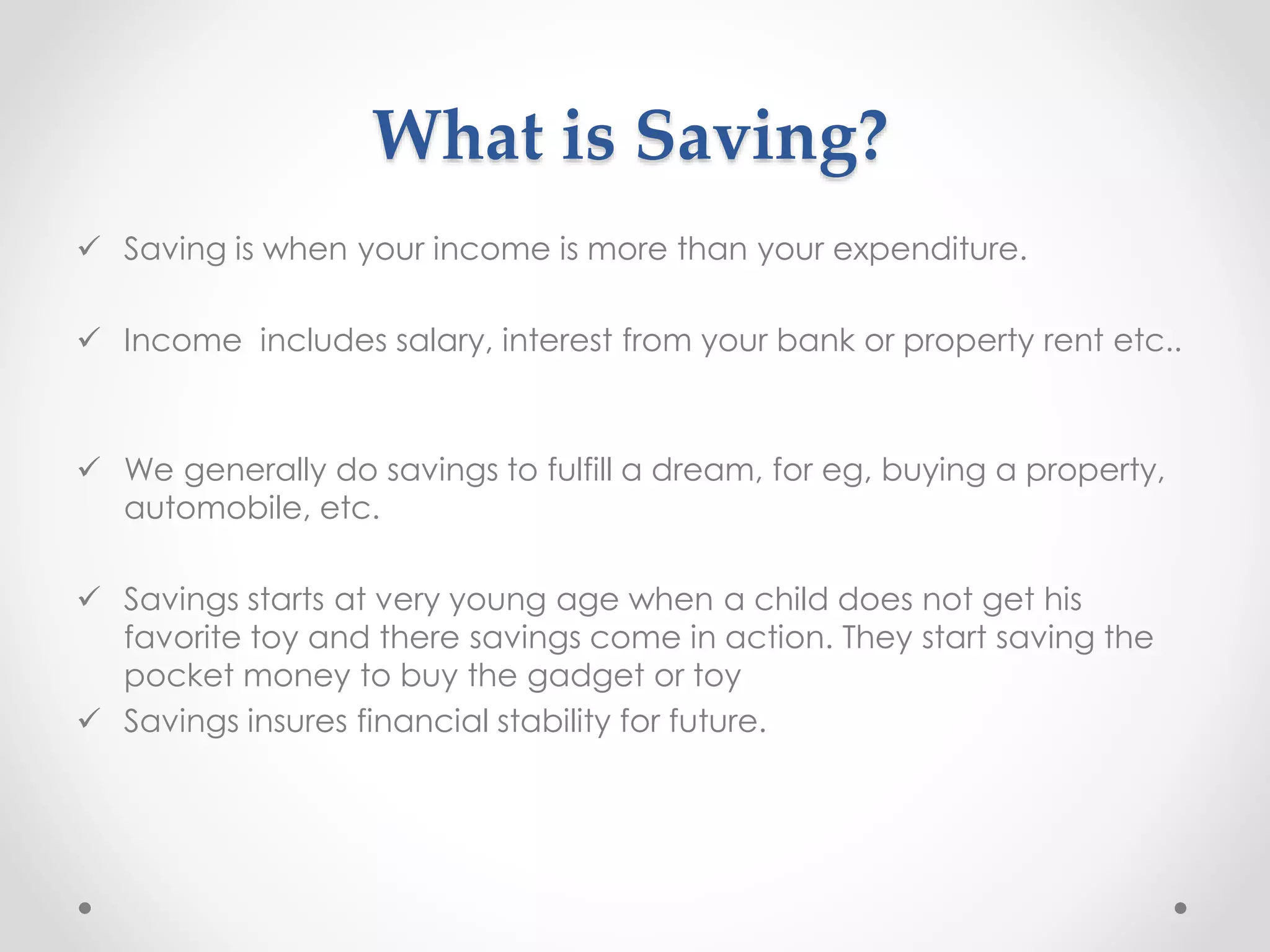
At its simplest, savings is the portion of one’s income that is not spent on current consumption. It’s money set aside for future use, rather than being immediately deployed for goods, services, or experiences. This deferred consumption is crucial because it creates a buffer, a reserve that can be tapped into when unexpected expenses arise, or when specific future goals demand financial resources.
However, savings goes beyond a mere numerical figure in a bank account. It embodies several key attributes:
- Security: Savings provides a safety net against unforeseen circumstances, acting as a financial shock absorber.
- Opportunity: It creates the capital needed to pursue future aspirations, whether that’s a down payment on a home, funding an education, or starting a business.
- Discipline: The act of saving requires consistent effort and a conscious choice to prioritize long-term goals over immediate desires.
- Empowerment: Having savings provides a sense of control and freedom, reducing financial stress and offering more choices in life.
It’s a proactive measure, a conscious decision to build a stronger financial future rather than passively reacting to financial pressures.
The Psychology Behind Saving
The human brain is often wired for immediate gratification, making saving a challenging endeavor for many. The allure of “buy now, pay later” or the latest consumer trend can easily overshadow the abstract benefits of a future financial cushion. Understanding this psychological battle is key to developing a sustainable savings habit.
- Overcoming Instant Gratification: Saving requires the ability to delay pleasure. It’s about envisioning a future self who benefits from today’s sacrifice. This mental shift is pivotal.
- Future Planning vs. Present Bias: People often exhibit a “present bias,” valuing immediate rewards more highly than future rewards, even if the future reward is objectively larger. Effective savers learn to project themselves into the future, empathizing with their future selves’ needs.
- Financial Security Mindset: Developing a mindset where financial security is a core value can reframe saving from a chore into a fulfilling act of self-care and responsibility. It shifts the perspective from “what I can’t have now” to “what I can build for later.”
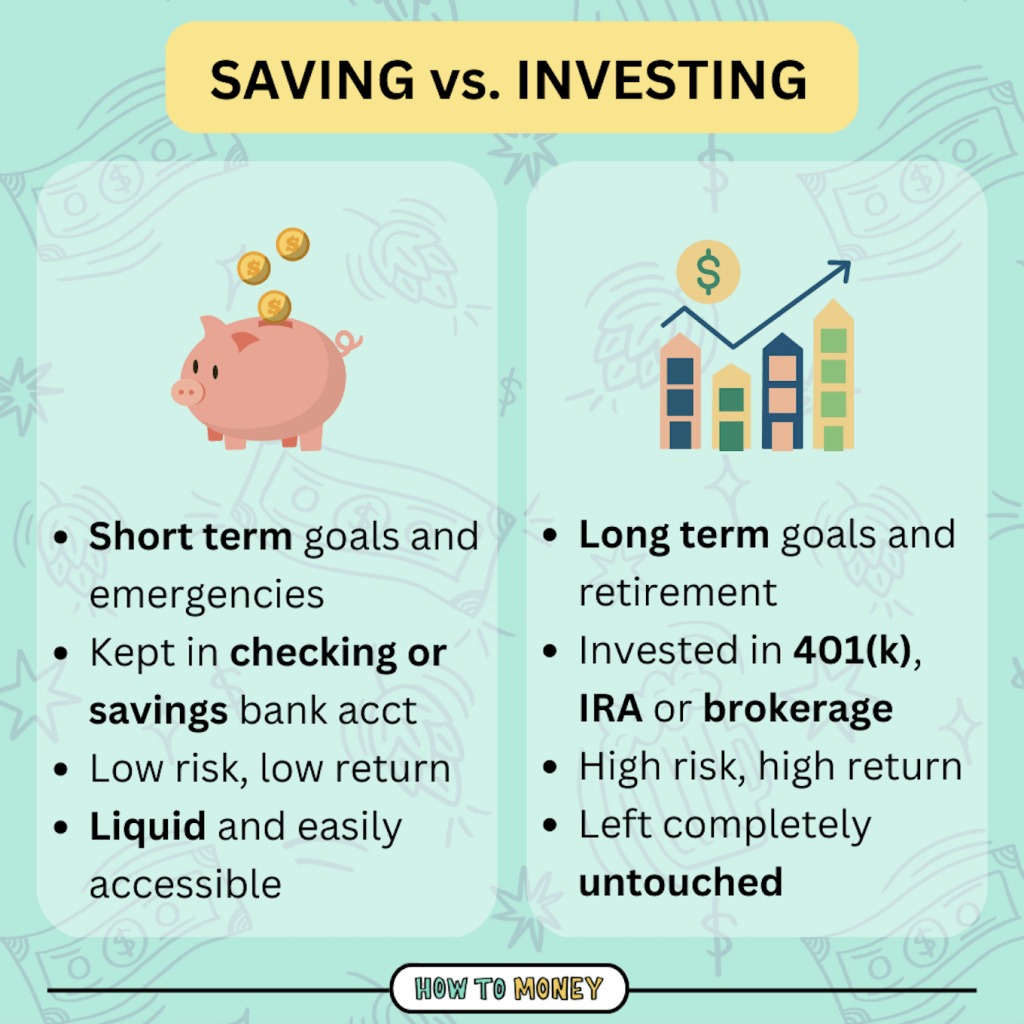
Savings vs. Investing: A Crucial Distinction
While often used interchangeably, savings and investing serve distinct, albeit complementary, purposes within a holistic financial plan.
- Savings: Typically focuses on liquidity and safety of principal. The primary goal is to preserve capital and ensure its availability for short-to-medium term needs (e.g., emergency fund, down payment in 1-3 years). Savings accounts, money market accounts, and certificates of deposit (CDs) are common vehicles. The returns are generally modest, often just outpacing inflation, if that.
- Investing: Aims for wealth accumulation and growth over the long term, usually for goals several years or decades away (e.g., retirement, college education). Investments involve a higher degree of risk, but also offer the potential for significantly higher returns. Examples include stocks, bonds, mutual funds, real estate, and exchange-traded funds (ETFs).
Think of it this way: savings is your financial bunker, designed to protect you from immediate threats. Investing is your growth engine, designed to propel you towards long-term prosperity. Both are essential, but they fulfill different roles in your financial ecosystem. A healthy financial plan typically dictates establishing a solid savings base (emergency fund) before aggressively pursuing investments.
Why Saving Matters: The Indispensable Benefits
The importance of saving cannot be overstated. It is a financial superpower that underpins resilience, fuels aspirations, and provides a pathway to genuine financial freedom. Neglecting savings leaves an individual vulnerable and perpetually reactive to life’s curveballs.
Building an Emergency Fund
Perhaps the single most critical reason to save is to create an emergency fund. Life is unpredictable; unexpected expenses are not a matter of “if,” but “when.” A robust emergency fund acts as a financial shield, protecting you from having to resort to high-interest debt (like credit cards or payday loans) or liquidate investments at an inopportune time when faced with:
- Job Loss or Reduced Income: Providing a buffer for living expenses during periods of unemployment or reduced working hours.
- Medical Emergencies: Covering unexpected hospital bills, prescription costs, or specialist visits not fully covered by insurance.
- Major Home or Auto Repairs: Addressing sudden issues like a broken furnace, roof leak, or car engine trouble.
- Other Unforeseen Events: Pet emergencies, unexpected travel, or even legal fees.
Financial experts typically recommend having 3 to 6 months’ worth of essential living expenses saved in an easily accessible, liquid account. For those with less stable incomes or dependents, even more might be advisable. This fund provides immense peace of mind, knowing that you can weather most financial storms without catastrophic consequences.
Achieving Short-Term Financial Goals
Beyond emergencies, savings is the primary vehicle for achieving specific short-to-medium term financial goals that enhance your quality of life. These might include:
- Down Payment for a Home or Vehicle: Accumulating the necessary upfront capital to make a significant purchase.
- Vacations or Travel: Funding desired experiences without incurring debt.
- Education or Skill Development: Saving for tuition fees, certifications, or professional development courses.
- Major Purchases: New appliances, furniture, or technology upgrades.
- Wedding or Other Life Events: Financing celebratory milestones without undue financial strain.
By earmarking savings for these goals, you create a tangible target that motivates consistent contributions and prevents impulsive spending from derailing your progress.
Laying the Groundwork for Long-Term Wealth
While direct investing is the primary engine for long-term wealth growth, savings plays a crucial foundational role.
- Seed Capital for Investments: Your initial savings can become the principal for your first investment, whether it’s opening a brokerage account, funding a retirement plan, or making a down payment on an investment property.
- Avoiding Investment Interruptions: A strong savings base ensures that you don’t have to withdraw from long-term investments prematurely during a crisis, allowing your investments the time needed to grow and compound effectively.
- Funding Retirement Contributions: Consistent savings habits translate directly into the ability to consistently contribute to retirement accounts like 401(k)s or IRAs, which are vital for a comfortable post-working life.
Savings builds the financial muscle necessary to engage in more advanced wealth-building strategies, ensuring that your journey towards long-term financial independence is stable and sustainable.
Reducing Financial Stress and Gaining Freedom
The psychological impact of having savings cannot be overstated. Financial stress is a pervasive issue that affects mental, physical, and emotional well-being. A healthy savings cushion significantly alleviates this burden.
- Peace of Mind: Knowing you have a safety net provides a profound sense of security and reduces anxiety about the future.
- Increased Options: Savings gives you the freedom to make choices that align with your values, rather than being forced into decisions by financial constraints. This could mean leaving a toxic job, pursuing a passion project, or taking time off to care for a family member.
- Empowerment and Control: Having money saved offers a tangible sense of control over your life and future, fostering a proactive rather than reactive stance towards financial challenges.
This sense of freedom and reduced stress is arguably one of the most valuable, albeit intangible, benefits of cultivating a robust savings habit.
Practical Strategies for Effective Saving
Knowing what savings is and why it matters is only half the battle. The other, equally important half, involves implementing practical strategies to build and maintain a consistent savings habit. Fortunately, there are several proven methods that can be tailored to individual circumstances.
The Power of Budgeting
Budgeting is the foundational tool for effective saving. It’s not about restriction, but about gaining clarity and control over your money. A budget helps you understand where your money is coming from and, crucially, where it’s going.
- Tracking Income and Expenses: The first step is to accurately record all income sources and categorize all expenditures for a month or two. This often reveals surprising insights into spending habits.
- Identifying Areas to Cut Back: Once you see your spending patterns, you can identify “money leaks” – subscriptions you don’t use, excessive dining out, or impulse purchases – and make informed decisions about where to reduce spending.
- Popular Budgeting Methods:
- 50/30/20 Rule: Allocate 50% of income to needs, 30% to wants, and 20% to savings and debt repayment.
- Zero-Based Budgeting: Assign every dollar of income a job (spending, saving, debt repayment) until your income minus expenses equals zero.
- Envelope System: Using physical cash in designated envelopes for different spending categories (though less common in a digital age, the principle can be applied digitally).
The key is to find a budgeting method that works for your lifestyle and stick with it consistently.
Automating Your Savings
One of the most effective strategies for consistent saving is to remove the element of human decision-making. Make saving automatic.
- “Pay Yourself First” Principle: Before you pay any bills or spend on wants, automatically transfer a predetermined amount from your checking account to your savings account immediately after you get paid. Treat it as a non-negotiable expense.
- Direct Deposit Split: Many employers offer the option to split your direct deposit, sending a portion directly to a savings account and the remainder to your checking account. This makes saving truly effortless.
- Automated Transfers: Set up recurring transfers from your checking to your savings account on specific dates (e.g., weekly, bi-weekly, monthly).
- Round-Up Programs: Many banks and financial apps offer features that round up your debit card purchases to the nearest dollar and transfer the difference to savings. While small, these add up over time.
Automation ensures consistency and builds your savings balance without requiring constant willpower.
Setting Clear, SMART Goals
Vague goals yield vague results. To effectively save, you need clear, compelling targets. The SMART goal framework is highly effective:
- Specific: Instead of “I want to save money,” try “I want to save for a 10% down payment on a $300,000 house.”
- Measurable: Define how you will track progress. “$30,000 for a down payment.”
- Achievable: Set a goal that is realistic given your income and expenses.
- Relevant: Ensure the goal aligns with your values and broader financial objectives.
- Time-bound: Set a deadline. “I want to save $30,000 in 3 years.”
Once you have a SMART goal, you can calculate how much you need to save each month or paycheck to reach it. This provides a clear roadmap and powerful motivation.
Reducing Debt to Accelerate Savings
High-interest debt, such as credit card balances or personal loans, acts as a significant drag on your ability to save. The interest payments consume a portion of your income that could otherwise be directed towards savings.
- Prioritize High-Interest Debt: Develop a strategy (like the debt snowball or debt avalanche method) to aggressively pay down high-interest debt.
- Free Up Cash Flow: As debt is paid off, the money previously allocated to debt payments can then be redirected to savings, dramatically accelerating your progress.
- Avoid New Debt: Make a conscious effort to avoid accumulating new debt, especially for depreciating assets or non-essential purchases.
A lower debt burden translates directly into greater financial flexibility and capacity for saving.
Exploring Different Savings Vehicles
Not all savings accounts are created equal. Choosing the right vehicle for your savings can impact how quickly your money grows and how accessible it is.
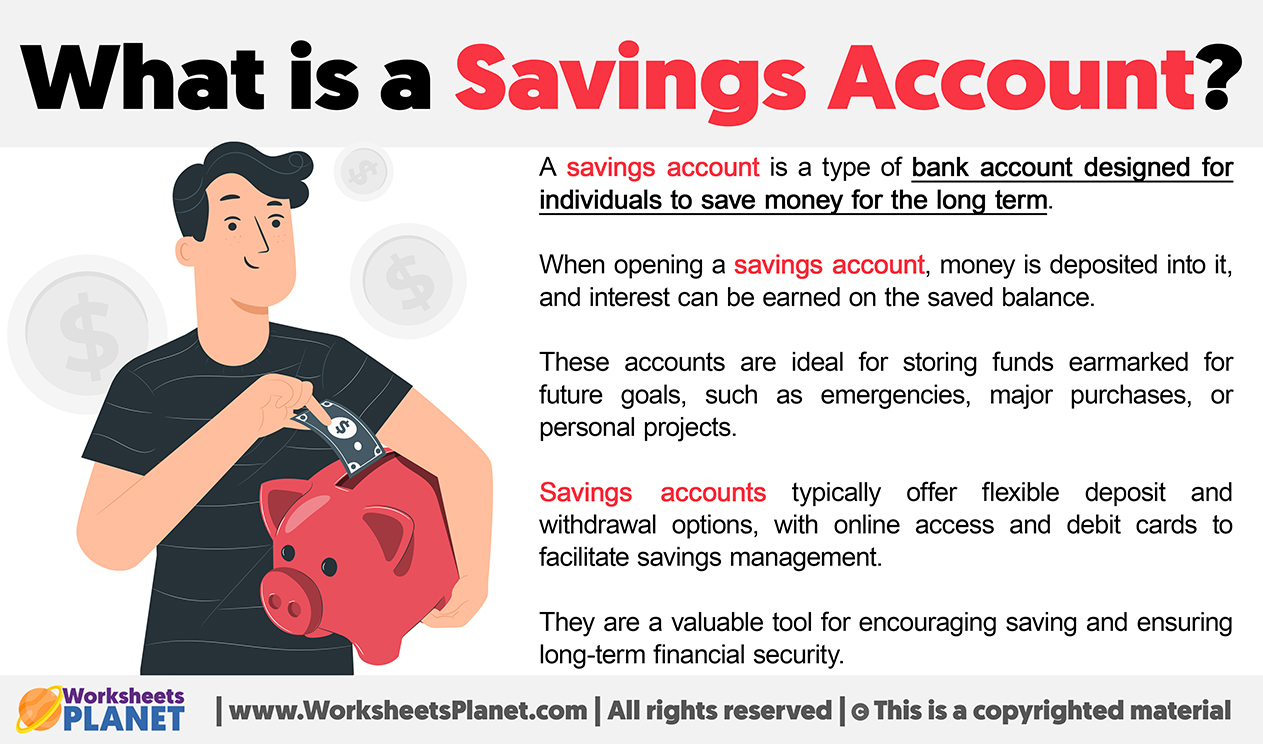
- High-Yield Savings Accounts (HYSAs): Offered by online banks, these accounts typically offer significantly higher interest rates than traditional brick-and-mortar bank accounts, allowing your savings to grow faster. They are liquid, meaning you can access your money easily.
- Money Market Accounts: Similar to HYSAs but may offer check-writing privileges and debit card access, often with slightly higher minimum balance requirements.
- Certificates of Deposit (CDs): These accounts offer a fixed interest rate for a specific term (e.g., 6 months, 1 year, 5 years). You agree to keep your money deposited for the entire term, and in return, you typically get a higher interest rate than a standard savings account. CDs are suitable for money you won’t need until a specific future date.
- Brokerage Accounts (for short-term investing/savings): While primarily for investing, some ultra-short-term bond funds or cash management accounts within brokerage firms can be used for slightly higher returns on money you might need in a year or two, though they carry slightly more risk than traditional savings.
The best savings vehicle depends on your specific goals, time horizon, and risk tolerance.
Common Pitfalls and How to Overcome Them
Despite the clear benefits and practical strategies, many individuals struggle with saving. Recognizing common obstacles is the first step toward overcoming them.
The Temptation of Lifestyle Creep
Lifestyle creep, also known as lifestyle inflation, occurs when an increase in income leads to a proportionate or even greater increase in spending. As you earn more, you might justify upgrading your car, moving to a larger home, or dining out more frequently.
- Combatting Lifestyle Creep: Consciously set aside a portion of every raise or bonus directly into savings or investments. Prioritize saving before allowing your lifestyle to expand to your new income level. Remind yourself that increased income is an opportunity to accelerate financial goals, not just to spend more.
Lack of Financial Education
Many people are never formally taught about personal finance, leading to a fundamental misunderstanding of concepts like budgeting, debt, interest, and the power of compounding.
- Empowering Through Education: Make financial literacy a lifelong pursuit. Read books, listen to podcasts, follow reputable financial blogs, and attend workshops. Understanding how money works demystifies the process and makes saving more intuitive and less daunting.
Impulsive Spending Habits
Emotional spending, boredom spending, or the pressure to keep up with peers can lead to impulsive purchases that derail savings efforts.
- Mindful Spending: Before making a non-essential purchase, implement a “24-hour rule” (or even longer for larger items) – wait a day before buying to allow emotions to subside and rational thought to kick in. Identify triggers for impulsive spending and develop healthier coping mechanisms. Differentiate between “needs” and “wants.”
Overcoming Analysis Paralysis
Sometimes, the sheer volume of financial advice and options can be overwhelming, leading to inaction. People get stuck trying to find the “perfect” savings strategy or the “best” account.
- Start Small, Start Now: Don’t let the perfect be the enemy of the good. The most important thing is to start. Even saving $10 or $20 a week is better than saving nothing. Consistency and habit formation are more crucial in the beginning than the exact amount. As you gain confidence and knowledge, you can optimize your strategy.
The Future of Your Finances: Sustaining a Savings Mindset
Saving isn’t a one-time event; it’s a continuous journey that evolves with your life. Cultivating a sustained savings mindset is key to achieving long-term financial success and resilience.
Regular Review and Adjustment
Life circumstances change – you might get a raise, have a child, buy a home, or experience a career transition. Your savings plan should be dynamic and adaptable.
- Annual Financial Check-ups: Schedule regular reviews (at least annually) of your budget, savings goals, and progress. Adjust your contribution amounts, reallocate funds, and reassess your priorities as needed.
- Celebrate Milestones: Acknowledge and celebrate your savings achievements along the way. This positive reinforcement reinforces the habit and motivates continued effort.
Financial Literacy as a Lifelong Journey
The financial world is constantly evolving. New products, regulations, and economic conditions emerge. A commitment to ongoing financial education ensures you remain informed and capable of making sound decisions. Stay curious, keep learning, and adapt your strategies as you grow.
The Ripple Effect of Saving
Saving not only benefits the individual but also has a ripple effect on their family, community, and even the broader economy. Financially stable individuals can better support their loved ones, contribute to charitable causes, and participate more robustly in their local economies. By building your own financial well-being, you contribute to a more secure and prosperous future for all.
Ultimately, “what is savings” transcends a simple definition; it is a powerful habit, a strategic imperative, and a pathway to a life of greater security, freedom, and opportunity. By understanding its essence and diligently applying proven strategies, anyone can transform their financial future and build a robust foundation for lasting well-being.
aViewFromTheCave is a participant in the Amazon Services LLC Associates Program, an affiliate advertising program designed to provide a means for sites to earn advertising fees by advertising and linking to Amazon.com. Amazon, the Amazon logo, AmazonSupply, and the AmazonSupply logo are trademarks of Amazon.com, Inc. or its affiliates. As an Amazon Associate we earn affiliate commissions from qualifying purchases.