
In an increasingly complex financial world, the ability to save money is not just a desirable skill—it’s a critical cornerstone of financial stability, freedom, and future prosperity. Whether you’re aiming to build an emergency fund, save for a down payment, plan for retirement, or simply achieve greater peace of mind, mastering the art of saving is an indispensable journey. This comprehensive guide will illuminate the path, offering actionable strategies and insights to help you transform your financial habits and cultivate a robust savings discipline.
Saving money isn’t merely about cutting back; it’s about conscious decision-making, strategic planning, and cultivating a mindset that prioritizes long-term goals over immediate gratification. It’s about empowering yourself to weather unexpected storms, seize opportunities, and ultimately, live a life with fewer financial constraints. Let’s delve into the core principles and practical steps that will enable you to take control of your finances and significantly enhance your savings capacity.
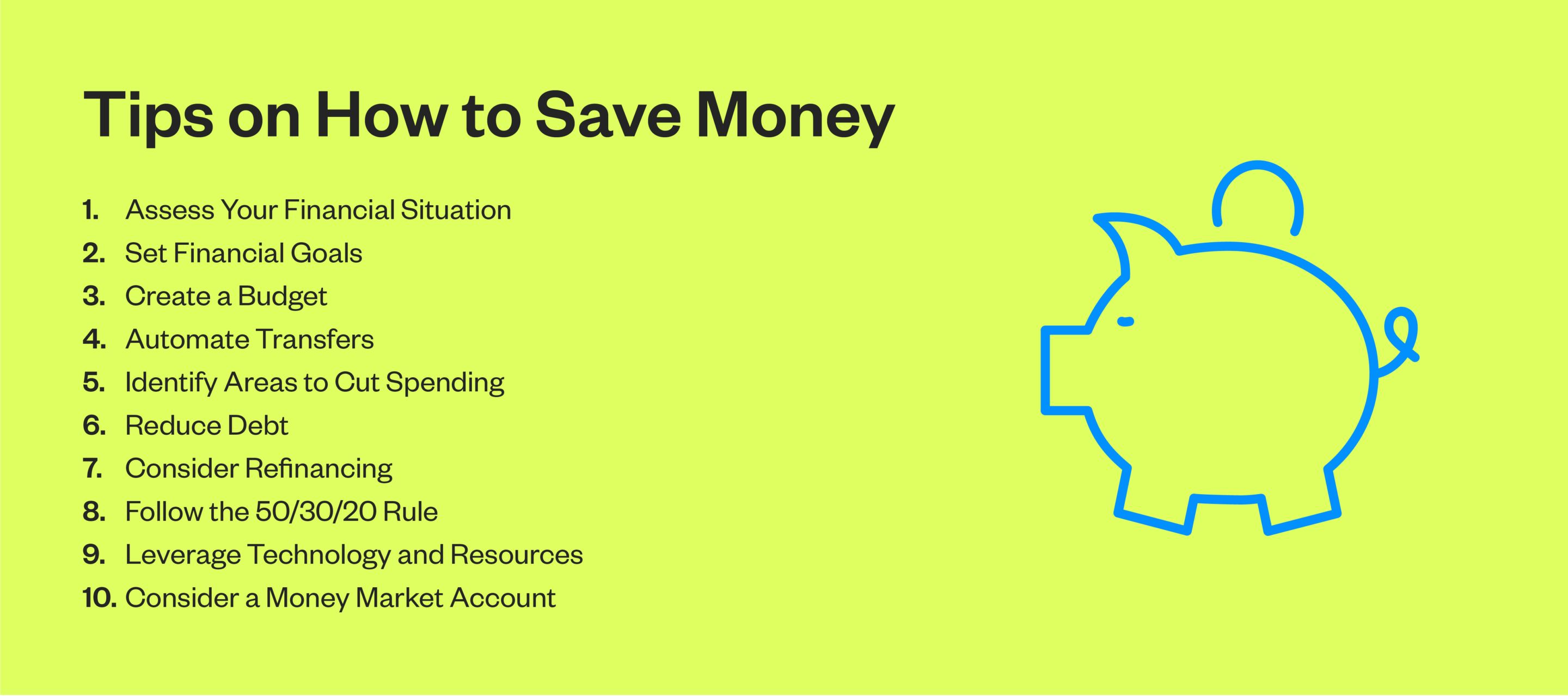
The Foundation: Understanding Your Financial Position
Before you can embark on an effective savings journey, you must first understand where you stand. This initial phase involves a thorough assessment of your current financial landscape, identifying both your resources and your liabilities. Without this clarity, any attempts to save will be akin to navigating without a compass.
Track Your Income and Expenses
The absolute first step in saving money is to gain a crystal-clear picture of your cash flow. This means meticulously tracking every dollar that comes in and every dollar that goes out. Many people are surprised to learn just how much they spend on non-essential items once they start tracking.
- Income: Document all sources of income, including your salary, freelance earnings, investment dividends, or any other regular influx of money.
- Expenses: Categorize your spending. Start with fixed expenses like rent/mortgage, loan payments, and insurance premiums. Then move to variable expenses such as groceries, utilities, transportation, dining out, entertainment, and subscriptions. Utilize budgeting apps, spreadsheets, or even a simple notebook to record every transaction for at least a month, ideally three months, to get an accurate average. This exercise will reveal your true spending habits and identify potential areas for reduction.
Evaluate Your Debt Landscape
Debt, especially high-interest debt like credit card balances or personal loans, can be a formidable obstacle to saving. The interest payments can significantly erode any progress you make in setting money aside.
- Identify Debts: List all your outstanding debts, including the lender, current balance, interest rate, and minimum monthly payment.
- Prioritize High-Interest Debt: Develop a strategy to tackle your highest-interest debts first. Methods like the “debt snowball” (paying off smallest debts first for motivational wins) or the “debt avalanche” (paying off highest-interest debts first to save most on interest) can be highly effective. Reducing debt frees up more of your income to be allocated directly to savings.
Set Clear Financial Goals
Saving without a purpose can feel aimless and make it harder to stay motivated. Defining what you’re saving for gives your efforts direction and urgency.
- Short-Term Goals (1-3 years): Emergency fund (3-6 months of living expenses), vacation, new gadget, car repair.
- Mid-Term Goals (3-10 years): Down payment for a home, significant education expenses, starting a business.
- Long-Term Goals (10+ years): Retirement, child’s college fund, early financial independence.
Quantify your goals (e.g., “$10,000 for a down payment”) and attach a realistic timeline. Breaking down large goals into smaller, manageable monthly savings targets makes them less daunting and more achievable.
Mastering the Art of Budgeting
Budgeting is not about deprivation; it’s about control and intentional allocation of your money. It’s the blueprint for your financial success, ensuring that your spending aligns with your values and your savings goals.
Choose the Right Budgeting Method
There isn’t a one-size-fits-all budget. Explore different methods to find one that resonates with your personality and lifestyle, making it easier to stick to.
- The 50/30/20 Rule: Allocate 50% of your after-tax income to Needs (housing, utilities, groceries, transportation), 30% to Wants (dining out, entertainment, hobbies), and 20% to Savings & Debt Repayment (emergency fund, investments, extra debt payments). This is a great starting point for many.
- Zero-Based Budgeting: Every dollar of your income is assigned a specific job (spending, saving, debt repayment). The goal is for your income minus your expenses to equal zero. This method offers maximum control and helps prevent aimless spending.
- Envelope System: A tactile approach where you allocate cash into physical envelopes for different spending categories (e.g., groceries, entertainment). Once an envelope is empty, spending in that category stops until the next income cycle.
- Digital Budgeting Apps: Tools like Mint, YNAB (You Need A Budget), or Personal Capital automate tracking, categorize expenses, and provide visual insights, simplifying the budgeting process significantly.
Differentiating Needs vs. Wants
A critical component of effective budgeting is learning to distinguish between what you truly need and what you want. This clarity empowers you to make conscious choices about your spending.
- Needs: Essentials for survival and basic living (shelter, food, utilities, essential transportation, healthcare).
- Wants: Discretionary spending that enhances your life but isn’t strictly necessary (dining out, new clothes, entertainment subscriptions, expensive coffee, vacations).
Once you identify your wants, you can strategically decide which ones to cut back on or eliminate to free up funds for savings. This doesn’t mean never enjoying wants, but rather allocating a specific, controlled amount to them.
Regular Budget Reviews and Adjustments
A budget is not a static document; it’s a living tool that needs regular attention. Life happens—income changes, expenses shift, and goals evolve.
- Monthly Reviews: Set aside time each month to review your budget. Compare your planned spending with your actual spending.
- Identify Discrepancies: Where did you overspend? Where did you underspend? What categories need adjustment for the upcoming month?
- Flexibility: Don’t be afraid to adjust your budget. If a category is consistently too restrictive or too loose, modify it. The goal is a budget that you can realistically stick to and that supports your financial goals.
Practical Strategies for Reducing Expenses
Once your budget is in place, the real work of finding money to save begins. This section focuses on actionable strategies to reduce your everyday expenses without feeling overly deprived.
Cutting Discretionary Spending
This is often the easiest place to start, as these are the expenses that aren’t essential for survival.
- Dining Out & Food Delivery: These can be major budgetbusters. Cook more meals at home, pack your lunch, and limit restaurant visits to special occasions.
- Entertainment & Subscriptions: Review all your streaming services, gym memberships, and other subscriptions. Cancel those you don’t frequently use. Explore free or low-cost entertainment options like libraries, parks, or community events.
- Impulse Buys: Implement a “24-hour rule” for non-essential purchases. If you still want it after 24 hours, consider it carefully within your budget. Unsubscribe from marketing emails that tempt you.

Optimizing Fixed Costs
While often harder to change, making adjustments to fixed costs can result in significant long-term savings.
- Insurance: Shop around for better rates on car, home, and health insurance annually. Bundle policies if possible.
- Utilities: Be mindful of energy consumption. Adjust thermostat settings, unplug unused electronics, switch to energy-efficient appliances, and consider LED lighting.
- Housing: If rent or mortgage is a major strain, explore options like refinancing (for homeowners), finding a roommate, or considering a move to a more affordable area when your lease/mortgage term ends.
- Transportation: Carpool, use public transport, bike, or walk more often. Consider if you truly need two cars if you have a multi-car household.
Smart Shopping and Negotiation
Everyday purchases offer opportunities for saving if you approach them strategically.
- Groceries: Plan meals, make a shopping list, stick to it, and avoid shopping when hungry. Buy generic brands, look for sales, and utilize coupons. Consider buying in bulk for non-perishables if it truly saves money.
- Services: Negotiate with your internet, cable, and cell phone providers for better plans or discounts. Don’t be afraid to switch providers if a better deal is available elsewhere.
- Large Purchases: Research thoroughly, compare prices from multiple retailers, and wait for sales events (e.g., Black Friday, seasonal clearances).
Embrace DIY and Frugal Living
Small changes in habits can add up to substantial savings over time.
- Home Repairs: Learn basic DIY skills for minor home repairs instead of hiring professionals for every small fix.
- Coffee & Beverages: Make your coffee at home. The daily $5 latte adds up to significant annual spending.
- Secondhand Shopping: Explore thrift stores, consignment shops, and online marketplaces for clothing, furniture, and other items.
- Repurpose & Reuse: Extend the life of items you already own.
Automating Your Savings and Growth
The most powerful way to ensure you save money is to make it automatic. This removes the need for conscious decision-making each month and leverages the power of compound interest.
Set Up Automatic Transfers: “Pay Yourself First”
This is arguably the most effective savings strategy. As soon as you get paid, a predetermined amount of money is automatically transferred from your checking account to your savings account or investment account.
- Regularity: Schedule these transfers to coincide with your payday.
- Amount: Start with a modest amount if necessary, and gradually increase it as your budget allows. Even $25 or $50 per pay period can make a difference.
- Separate Accounts: Keep your savings in a separate account from your checking account to reduce the temptation to spend it.
Explore High-Yield Savings Accounts
Don’t let your hard-earned savings sit idle in a low-interest checking account.
- Online Banks: Many online banks offer significantly higher interest rates on their savings accounts compared to traditional brick-and-mortar banks, as they have lower overhead costs.
- FDIC Insurance: Ensure any account you choose is FDIC-insured (up to $250,000 per depositor) for safety.
- Compare Rates: Periodically compare rates from different institutions to ensure your money is earning as much as possible.
Start Investing Early: The Power of Compound Interest
Once your emergency fund is sufficiently built, consider moving beyond basic savings accounts into investments. Investing allows your money to grow over time, potentially at a much faster rate than savings accounts, thanks to the magic of compound interest.
- Diversification: Invest across different asset classes (stocks, bonds, mutual funds, ETFs) to mitigate risk.
- Robo-Advisors: For beginners, robo-advisors like Betterment or Acorns offer automated, low-cost investment management tailored to your risk tolerance.
- Consistent Contributions: Just like with savings, consistent, automatic contributions to your investment accounts are key. Even small amounts invested regularly can grow substantially over decades.
Utilize Workplace Retirement Plans
If your employer offers a retirement plan like a 401(k) or 403(b), take full advantage of it.
- Employer Match: If your employer offers a matching contribution (e.g., they match 50% of what you contribute up to 6% of your salary), contribute at least enough to get the full match. This is essentially free money and an instant, guaranteed return on your investment.
- Tax Advantages: These plans often come with significant tax benefits, either tax-deferred growth (traditional 401(k)) or tax-free withdrawals in retirement (Roth 401(k)).
- Automatic Deductions: Contributions are typically deducted directly from your paycheck before you even see the money, making it effortless saving.
Cultivating a Mindset for Lasting Financial Success
Saving money is as much about psychology as it is about arithmetic. Developing the right mindset is crucial for long-term financial success and sustained savings habits.
Educate Yourself Continuously
Financial literacy is not taught enough in schools, making it your responsibility to seek knowledge.
- Books and Blogs: Read personal finance books, follow reputable financial blogs, and listen to podcasts.
- Workshops: Attend webinars or workshops on budgeting, investing, or debt management.
- Stay Informed: Keep abreast of economic news and how it might impact your finances. The more you understand, the more confident and effective you’ll be in managing your money.
Practice Delayed Gratification
In an instant-gratification society, cultivating patience and delaying non-essential purchases is a powerful saving tool.
- Identify Triggers: Understand what makes you want to spend impulsively.
- Visualize Goals: Regularly remind yourself of your financial goals and how delaying a small pleasure now can lead to a much larger, more meaningful reward later.
- Mindful Spending: Before every purchase, ask yourself: “Do I truly need this? Does this align with my financial goals?”
Build an Emergency Fund
An emergency fund is your financial safety net—a dedicated stash of money to cover unexpected expenses without going into debt.
- Target Amount: Aim for at least 3-6 months’ worth of essential living expenses. Some experts recommend even more.
- Liquidity: Keep it in an easily accessible, high-yield savings account, separate from your everyday spending money.
- Peace of Mind: Knowing you have this buffer provides immense peace of mind and prevents financial setbacks from derailing your savings efforts.

Seek Professional Financial Advice (When Needed)
While many aspects of saving can be managed independently, there are times when professional guidance can be invaluable.
- Complex Situations: If you have significant assets, multiple income streams, complex investment needs, or intricate tax situations, a financial advisor can provide tailored strategies.
- Retirement Planning: Advisors specialize in crafting comprehensive retirement plans that consider your unique circumstances and goals.
- Investment Guidance: They can help you build a diversified portfolio aligned with your risk tolerance and long-term objectives. Ensure you work with a fee-only fiduciary advisor who is legally bound to act in your best interest.
Saving money is a journey, not a destination. It requires consistent effort, discipline, and a willingness to adapt. By understanding your financial position, mastering budgeting, implementing practical expense-reduction strategies, automating your savings, and cultivating a forward-thinking mindset, you can build a strong financial foundation. Start small, stay consistent, and celebrate your progress along the way. Your future self will thank you for the financial freedom and peace of mind you create today.
aViewFromTheCave is a participant in the Amazon Services LLC Associates Program, an affiliate advertising program designed to provide a means for sites to earn advertising fees by advertising and linking to Amazon.com. Amazon, the Amazon logo, AmazonSupply, and the AmazonSupply logo are trademarks of Amazon.com, Inc. or its affiliates. As an Amazon Associate we earn affiliate commissions from qualifying purchases.