
For investors, traders, and anyone with a vested interest in the global economy, knowing when financial markets open and, crucially, when they close, is far more than a matter of simple curiosity. It’s a fundamental piece of information that dictates trading strategies, risk management, and the overall rhythm of financial activity. The question, “When do the markets close today?” might seem straightforward, but its answer varies widely depending on the specific market, its geographical location, and whether any special circumstances like holidays or unforeseen events are in play. Understanding these intricacies is paramount for making informed financial decisions, optimizing trade execution, and managing one’s portfolio effectively in an interconnected global marketplace.
The Rationale Behind Fixed Market Trading Hours
The concept of defined trading hours for financial markets might seem somewhat antiquated in an age of 24/7 digital connectivity. Yet, these fixed schedules serve several critical functions that underpin the stability and efficiency of global finance. Far from being arbitrary, market closing times are carefully established to facilitate orderly trading, ensure operational integrity, and provide necessary periods for administrative processes.
Ensuring Orderly Price Discovery
One of the primary reasons for structured trading hours is to concentrate liquidity. By confining trading activity to specific windows, buyers and sellers are brought together, leading to more robust trading volumes and, consequently, more accurate and efficient price discovery. When liquidity is pooled, bid-ask spreads tend to tighten, making it cheaper and easier to execute trades at fair prices. If markets were open 24/7 with sporadic trading, prices could become volatile and prone to manipulation due to thin liquidity, making it difficult to establish true market values. The closing bell provides a definitive end to the day’s price formation process, offering a clear benchmark for daily performance.
Facilitating Settlement and Clearing
Beyond price discovery, the operational backbone of financial markets relies heavily on fixed schedules. After a trade is executed, a complex series of steps known as “settlement and clearing” must occur. This involves verifying the trade details, exchanging securities for cash (or vice versa), and ensuring that all parties fulfill their obligations. Historically, and even with today’s advanced technology, these processes require time. Closing the markets allows exchanges, clearinghouses, and financial institutions to reconcile trades, update accounts, manage risk, and prepare for the next trading day without the pressure of live trading activity. While technology has significantly sped up these processes, particularly with moves towards T+1 (trade date plus one day) settlement, the need for an orderly end to the trading day remains crucial for operational integrity.
Balancing Accessibility and Operational Efficiency
Fixed trading hours strike a balance between providing sufficient access for participants and maintaining operational efficiency for the market infrastructure. While the internet theoretically allows for continuous trading, the human element—traders, analysts, support staff, and regulatory oversight personnel—still plays a vital role. Defined hours allow these professionals to manage their workflow, analyze market data, and prepare for the next day’s challenges without perpetual exhaustion. Furthermore, these windows provide critical downtime for system maintenance, software updates, and security checks, ensuring the robust and reliable operation of the underlying technological infrastructure that powers modern exchanges.
A Glimpse into Key Global Market Closing Times
The global financial landscape is a tapestry of diverse markets, each with its own operational calendar and trading schedule. Understanding these variations is essential for anyone trading across different time zones or managing a geographically diversified portfolio. While specific times can shift due to daylight saving adjustments, holidays, or unforeseen events, a standard pattern emerges for the world’s major exchanges.
North American Exchanges: NYSE and NASDAQ
The two titans of American equity trading, the New York Stock Exchange (NYSE) and the NASDAQ Stock Market, operate on a generally consistent schedule.
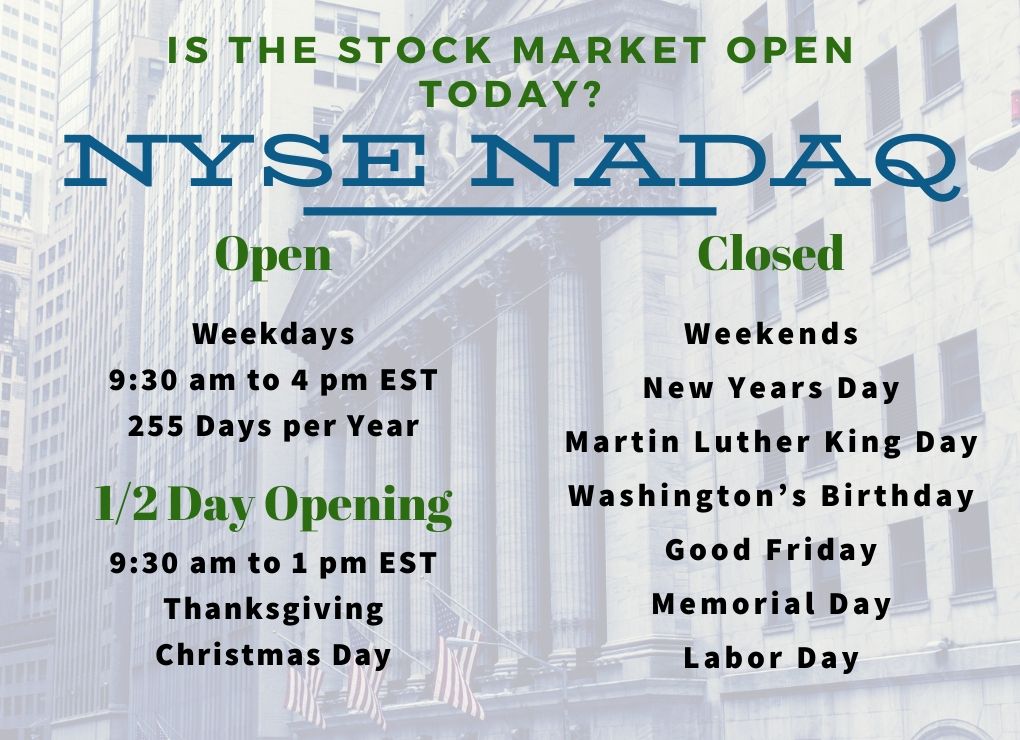
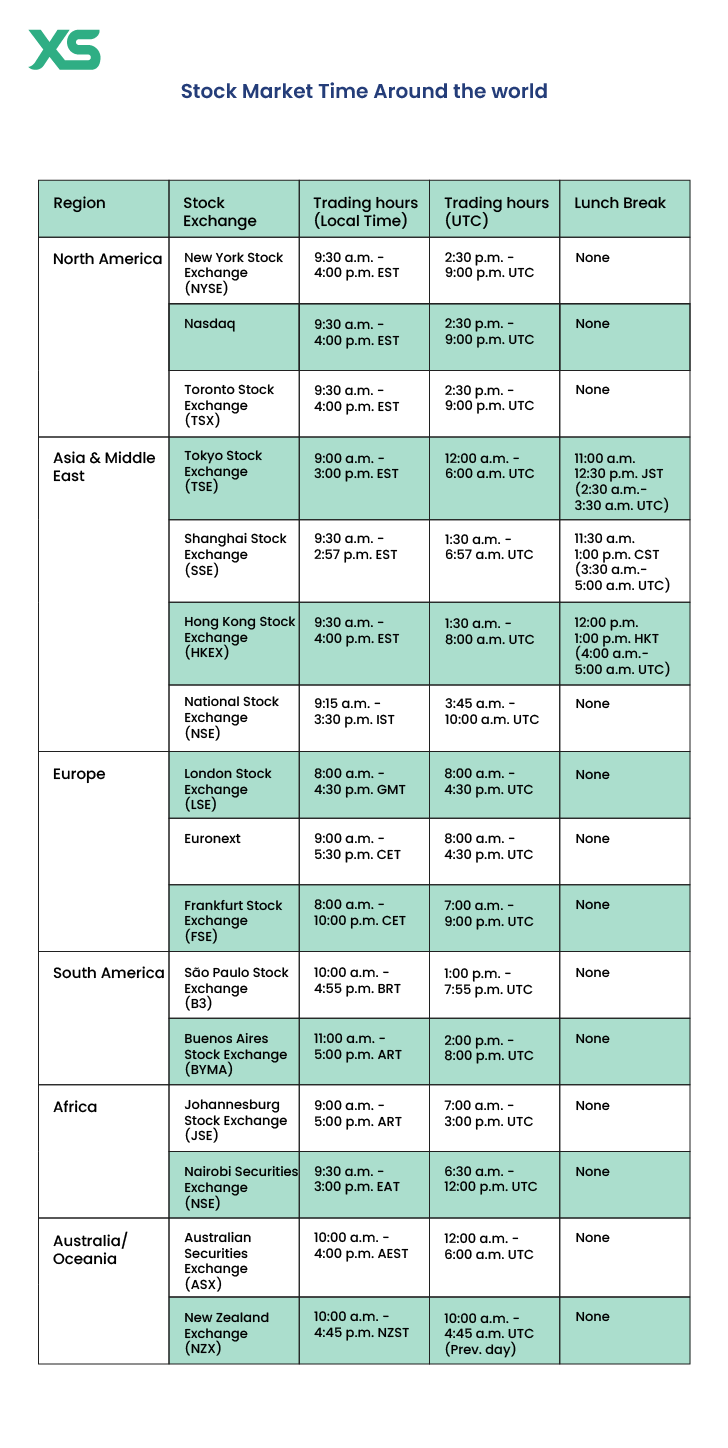
- Standard Trading Hours: Both the NYSE and NASDAQ typically open at 9:30 AM Eastern Time (ET) and close at 4:00 PM ET, Monday through Friday. This 6.5-hour window constitutes the “regular trading session.”
- Early Closures: On certain days, often preceding or following major holidays, these markets may have early closures, usually at 1:00 PM ET. Examples include the day before Christmas or the day after Thanksgiving (Black Friday). It’s crucial for investors to check the official exchange calendars for these adjusted hours.
European Markets: LSE, Euronext, and Deutsche Börse
Europe’s financial centers offer a range of trading schedules, often overlapping with the later hours of Asian markets and the early hours of North American trading.
- London Stock Exchange (LSE): The LSE, home to the FTSE 100, typically trades from 8:00 AM to 4:30 PM Greenwich Mean Time (GMT), or British Summer Time (BST) when applicable. This makes it one of the longest trading days in major equity markets.
- Euronext: Operating across multiple countries (Amsterdam, Brussels, Dublin, Lisbon, Oslo, Paris), Euronext exchanges generally open at 9:00 AM Central European Time (CET) and close at 5:30 PM CET.
- Deutsche Börse (Xetra in Frankfurt): Germany’s primary exchange usually operates from 9:00 AM to 5:30 PM CET.
European markets largely maintain similar patterns, with slight variations in open and close times, usually observing their respective national time zones.
Asian Powerhouses: Tokyo, Shanghai, and Hong Kong
Asian markets are often the first to open the global trading week and typically operate with a lunch break, a feature less common in Western equity markets.
- Tokyo Stock Exchange (TSE): The TSE, Japan’s largest exchange, generally has a morning session from 9:00 AM to 11:30 AM Japan Standard Time (JST) and an afternoon session from 12:30 PM to 3:00 PM JST. The one-hour lunch break is a distinctive feature.
- Shanghai Stock Exchange (SSE) and Shenzhen Stock Exchange (SZSE): Mainland China’s exchanges follow a similar split-session structure: 9:30 AM to 11:30 AM and 1:00 PM to 3:00 PM China Standard Time (CST).
- Hong Kong Stock Exchange (HKEX): The HKEX trades from 9:30 AM to 12:00 PM and 1:00 PM to 4:00 PM Hong Kong Time (HKT).
These markets provide crucial early indications for global sentiment and often react to news and economic data released overnight from North America and Europe.
Understanding Time Zones and Overlap
The staggered opening and closing times across the globe create “overlap” periods, which are often characterized by heightened liquidity and trading activity. For instance, the late afternoon for European markets coincides with the early morning for North American markets, allowing for significant cross-continental trading. Similarly, as North America nears its close, Asian markets are preparing to open, creating a continuous flow of capital across borders. Navigating these time zones efficiently is a core skill for international investors and those trading global instruments like forex or commodities, which often have longer trading hours.
Beyond Regular Hours: Extended Trading Sessions
While the regular trading session dominates daily market activity, a significant portion of trading also occurs outside these standard hours. Extended trading sessions—comprising pre-market and after-hours trading—offer investors additional opportunities to react to news, execute trades, and manage their positions. However, these sessions come with their own unique characteristics and risks.
Pre-Market Trading
Pre-market trading refers to the period before the official opening bell of the regular trading session.
- Duration: For U.S. markets, pre-market trading typically begins as early as 4:00 AM ET and continues until 9:30 AM ET.
- Purpose: Investors often use pre-market hours to react to company earnings reports released overnight, macroeconomic data, or breaking news that might impact stock prices. It allows for an immediate response to information that emerges before the regular session begins.
- Characteristics: Pre-market sessions are generally characterized by lower trading volumes and lower liquidity compared to regular hours. This can lead to wider bid-ask spreads and increased price volatility, making it more challenging to execute trades at desired prices.
After-Hours Trading
After-hours trading takes place after the official closing bell of the regular trading session.
- Duration: For U.S. markets, after-hours trading typically begins at 4:00 PM ET and can extend as late as 8:00 PM ET.
- Purpose: Similar to pre-market, after-hours trading allows investors to respond to news released after the market closes, such as quarterly earnings announcements or unexpected corporate developments. It provides a window for investors to adjust their portfolios without waiting for the next trading day.
- Characteristics: Like pre-market trading, after-hours sessions typically suffer from lower liquidity and increased volatility. Institutional investors and algorithmic traders often dominate these periods, which can present challenges for retail investors trying to get favorable fills. Prices in extended sessions may not accurately reflect the market consensus that will form during the regular session.
The Mechanics of Extended Trading
Extended trading is primarily facilitated by Electronic Communication Networks (ECNs) rather than the traditional exchange floor or direct market access systems used during regular hours. ECNs are automated systems that match buy and sell orders electronically. They play a crucial role in providing liquidity and price discovery during periods when major exchanges are officially closed for regular trading. While convenient, investors participating in extended hours trading need to be aware of the limited order types available (typically limit orders only) and the increased risk associated with thinner markets.
Market Holidays and Unexpected Closures
While standard trading hours provide a predictable rhythm, financial markets also observe a range of holidays and, on rare occasions, face unexpected closures. Being aware of these exceptions is crucial for planning trades, managing cash flow, and avoiding the frustration of being unable to access one’s investments.
Navigating Scheduled Holidays
Most major exchanges close on national public holidays. The specific holidays observed vary significantly from country to country, reflecting local cultural, historical, and religious traditions.
- United States: U.S. equity markets typically close for holidays such as New Year’s Day, Martin Luther King, Jr. Day, Presidents’ Day, Good Friday, Memorial Day, Juneteenth, Independence Day, Labor Day, Thanksgiving Day, and Christmas Day.
- United Kingdom: The LSE closes for UK public holidays, including New Year’s Day, Good Friday, Easter Monday, Early May Bank Holiday, Spring Bank Holiday, Summer Bank Holiday, Christmas Day, and Boxing Day.
- Asia: Asian markets observe a diverse set of holidays. For example, the Tokyo Stock Exchange closes for numerous Japanese national holidays (e.g., Emperor’s Birthday, Golden Week holidays), while Chinese markets observe holidays like Lunar New Year (which can lead to extended closures) and National Day.
It is imperative for investors, especially those with international portfolios, to consult the official holiday calendars published by each exchange at the beginning of the year.
Understanding Half-Day Trading Sessions
In addition to full-day closures, some markets may operate on a half-day schedule on certain dates. This is common in the U.S. on the day before Christmas or the day after Thanksgiving, where markets might close early (e.g., at 1:00 PM ET instead of 4:00 PM ET). These partial sessions are important to note, as they still represent a period of reduced liquidity and potential volatility compared to a full trading day.
Unforeseen Events: Emergency Closures
While less common, financial markets can also close unexpectedly due to unforeseen circumstances. These emergency closures are typically enacted to protect investors, maintain market integrity, or respond to severe disruptions.
- Natural Disasters: Extreme weather events (e.g., hurricanes, blizzards) that prevent staff from reaching exchanges or disrupt infrastructure.
- Technical Glitches: Major system failures, cybersecurity breaches, or other technological breakdowns that prevent orderly trading.
- Geopolitical Events/National Emergencies: Significant national or international crises that warrant a temporary suspension of trading to prevent panic selling or ensure stability. Examples include the closure of U.S. markets for several days after the September 11, 2001, terrorist attacks.
Such closures are rare but highlight the need for investors to stay informed about current events and market announcements, especially if they hold leveraged positions or require immediate liquidity.
The Strategic Importance of Knowing Market Close Times for Investors
For both active traders and long-term investors, understanding when markets close is not merely an administrative detail; it’s a critical component of effective financial strategy and risk management. This knowledge empowers individuals to make timely decisions, optimize their trading approach, and protect their investments.
Risk Management and Position Sizing
The closing bell signals the end of active trading for the day, meaning that any open positions will be held overnight. This exposes investors to “gap risk,” where significant news or events occurring outside trading hours can cause a stock or asset to open at a drastically different price the next day. Knowing the closing time allows investors to:
- Manage Overnight Exposure: Decide whether to close out positions before the market closes to avoid overnight risk, especially if major announcements or volatile events are anticipated.
- Adjust Position Sizing: Reduce the size of open positions or set stop-loss orders more effectively to mitigate potential losses from adverse overnight movements.
- Avoid Forced Liquidation: For those using margin, being aware of market closures helps prevent margin calls or forced liquidation during periods of illiquidity.
Planning Trades and Executing Orders
Optimal trade execution often hinges on timing. Market closing times directly influence when certain types of orders become active or expire.
- End-of-Day Trading: Some traders specialize in executing trades near the market close, anticipating specific movements or using the closing price as a benchmark.
- Order Types: Understanding closing times affects the use of “Good-Till-Canceled” (GTC) orders versus “Day” orders, which expire at the market close if not filled.
- News Reactions: For investors who want to react to news released after market close, knowing when after-hours trading begins is essential for timely action. Conversely, if news is expected during trading hours, planning an exit or entry before the close can be critical.
Impact on Portfolio Valuation and Liquidity
Market closures directly impact the valuation of a portfolio and the ability to convert assets into cash.
- Daily Valuation: The closing price of securities is typically used to calculate the daily value of a portfolio. During market closures, this valuation remains static, even if underlying economic conditions change.
- Liquidity Constraints: When markets are closed, assets cannot be bought or sold. This means that an investor needing immediate cash cannot access their investments until the market reopens. This liquidity constraint is a key consideration for emergency planning and cash flow management.
Accessing International Markets
For investors with diversified global portfolios or those interested in international opportunities, managing time zone differences and various market schedules is paramount.
- Continuous Monitoring: A global investor might need to monitor different markets at various times of the day and night to keep abreast of their positions and react to regional news.
- Arbitrage Opportunities: Knowledge of overlapping market hours can sometimes reveal arbitrage opportunities, although these are typically exploited by sophisticated institutional traders.
- Holiday Planning: International investors must meticulously track holiday schedules for all relevant markets to avoid missing trading opportunities or being caught off guard by extended closures in foreign exchanges.
In conclusion, “when do the markets close today” is a question with deep financial implications. It underscores the structured nature of global finance, influencing everything from daily trading decisions and risk management to long-term investment strategies and portfolio liquidity. A thorough understanding of regular trading hours, extended sessions, and potential closures due to holidays or unforeseen events is not merely good practice—it is an indispensable tool for navigating the complexities of the modern financial world and safeguarding one’s financial interests.
aViewFromTheCave is a participant in the Amazon Services LLC Associates Program, an affiliate advertising program designed to provide a means for sites to earn advertising fees by advertising and linking to Amazon.com. Amazon, the Amazon logo, AmazonSupply, and the AmazonSupply logo are trademarks of Amazon.com, Inc. or its affiliates. As an Amazon Associate we earn affiliate commissions from qualifying purchases.