
The global financial landscape is currently navigating a period of significant transformation. For the modern investor, the question “what is happening to the stock market” is no longer just about daily fluctuations; it is about understanding a complex interplay of monetary policy, geopolitical shifts, and a fundamental transition in how value is assessed in a digital-first economy. To navigate this environment, one must look beyond the headlines and examine the structural forces currently driving market behavior.
The Macroeconomic Landscape: Interest Rates and Inflationary Pressures
At the heart of the current market volatility is the transition away from an era of “easy money.” For over a decade following the 2008 financial crisis, markets were buoyed by historically low interest rates and quantitative easing. Today, the primary narrative is the normalization of rates as central banks grapple with the lingering effects of global inflation.
The Role of Central Banks and the “Higher for Longer” Narrative
The Federal Reserve and its global counterparts have shifted their focus toward price stability. By raising interest rates, central banks aim to cool overheated economies and bring inflation back to target levels. However, this has created a paradigm shift for equity valuations. When interest rates rise, the present value of future cash flows—particularly for high-growth companies—diminishes. This has led to a re-rating of many sectors, where investors are now prioritizing immediate profitability over distant growth promises.
Inflation Dynamics and Consumer Resilience
While inflation has begun to cool in several major economies, the “sticky” nature of core inflation remains a concern. The stock market is currently hypersensitive to Consumer Price Index (CPI) prints and employment data. A strong labor market is generally positive for the economy, but in the current context, it can signal that the economy is still running too hot, potentially prompting further restrictive policy. Investors are constantly weighing the “Goldilocks” scenario—where inflation falls without a significant economic downturn—against the risk of a “hard landing.”
Sector Rotations: From Growth to Value in a Shifting Economy
The internal dynamics of the stock market are undergoing a profound rotation. The dominance of a few mega-cap technology names, often referred to as the “Magnificent Seven,” has masked broader trends occurring beneath the surface of the major indices.
The Resilience of Energy and Defensive Sectors
In periods of economic uncertainty, capital often flows toward “defensive” sectors—those that provide essential services regardless of the economic climate. Utilities, healthcare, and consumer staples have seen renewed interest as investors seek stability and reliable dividends. Furthermore, the energy sector has decoupled from traditional market trends, driven by supply constraints and a global refocus on energy security. These sectors often act as a ballast for portfolios when the broader tech-heavy indices face headwinds.
The Tech Sector’s New Normal and the AI Premium
While traditional technology stocks faced a reckoning in recent years due to rising rates, a new catalyst has emerged: Artificial Intelligence. The market is currently bifurcated between companies that can demonstrate immediate financial gains from AI integration and those that are merely speculating. This has led to intense concentration in specific semiconductor and cloud infrastructure stocks. However, savvy investors are beginning to look for the “second-order” beneficiaries of this trend—companies in finance, logistics, and manufacturing that use these tools to drive margin expansion.
Global Geopolitical Influences and Market Sentiment

The stock market does not exist in a vacuum; it is deeply influenced by the geopolitical climate. Current global tensions have introduced a “risk premium” that investors must account for when allocating capital across different regions.
Trade Policy and the Realignment of Supply Chains
The move toward “near-shoring” and “friend-shoring” is reshaping corporate balance sheets. As companies move manufacturing closer to home or to allied nations to avoid geopolitical disruptions, the initial capital expenditures are high. This affects short-term profitability but is viewed by the market as a necessary step for long-term operational resilience. Investors are closely watching how these shifts affect the profit margins of multi-national corporations and the economic growth of emerging markets in Southeast Asia and Latin America.
Currency Fluctuations and the Strength of the Dollar
The strength of the U.S. Dollar has a profound impact on the stock market, particularly for domestic companies with significant international revenue. A strong dollar makes American exports more expensive and reduces the value of international earnings when converted back into USD. Conversely, it can be a boon for companies that rely heavily on imported raw materials. Understanding the relationship between the DXY (Dollar Index) and corporate earnings is essential for interpreting current market movements.
Navigating Volatility: Strategies for Long-Term Wealth Building
In an environment characterized by rapid swings in sentiment, the importance of a disciplined investment strategy cannot be overstated. “What is happening to the stock market” matters less than “how are you responding to it.”
Diversification in a High-Yield Environment
For years, “there was no alternative” (TINA) to stocks because bond yields were so low. That has changed. With fixed-income instruments now offering attractive yields, the “60/40” portfolio has seen a resurgence in relevance. Diversification now involves balancing equities with high-quality bonds, money market funds, and perhaps alternative assets like real estate or commodities. This multi-asset approach helps mitigate the “drawdown” risk during periods of equity market volatility.
The Importance of Emotional Discipline and Time Horizons
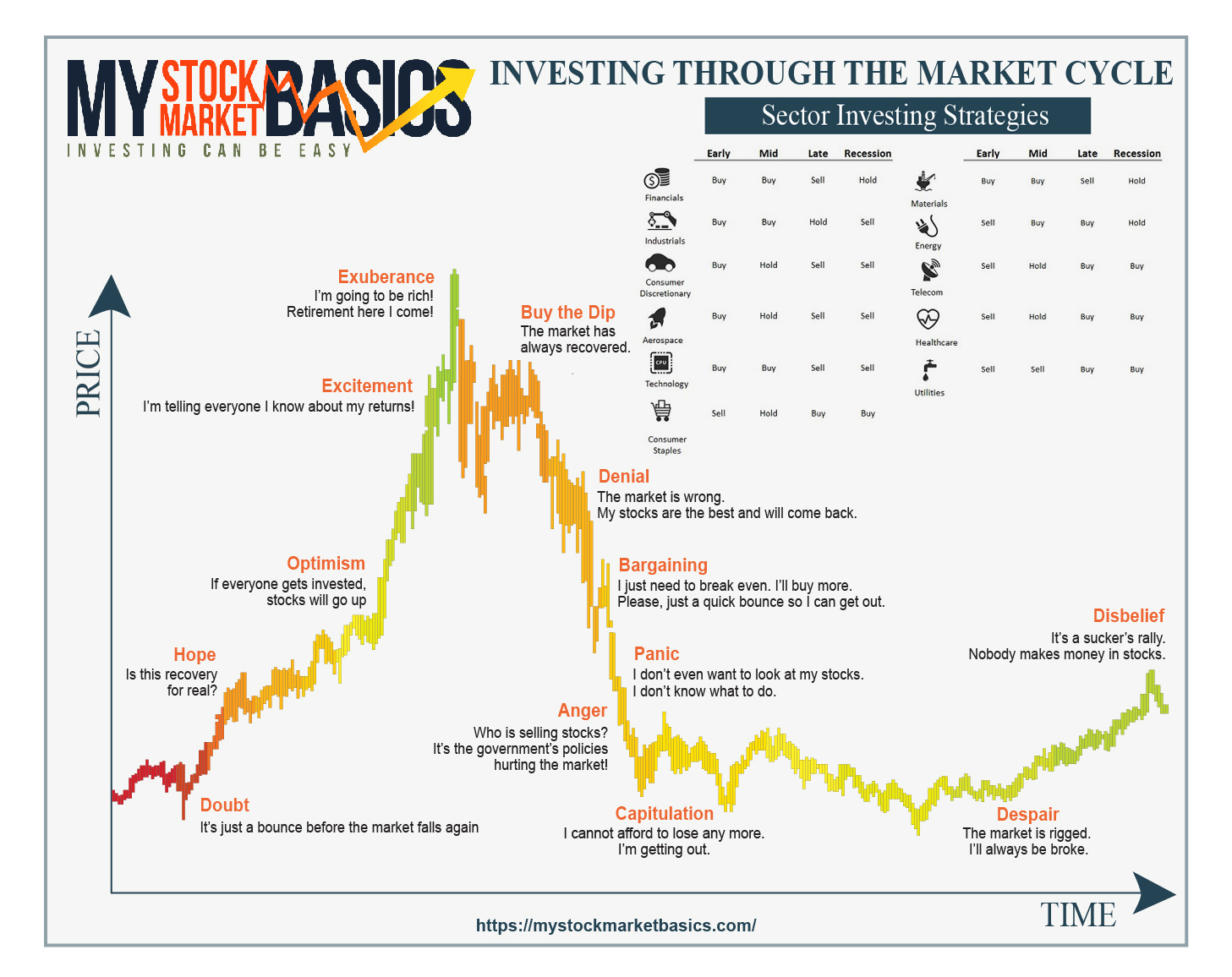
Market volatility often triggers emotional responses, leading investors to sell at the bottom or chase “hype” at the top. The current market rewards those who maintain a long-term perspective. Historical data consistently shows that time in the market is superior to timing the market. By utilizing strategies such as dollar-cost averaging—investing a fixed amount at regular intervals—investors can lower their average cost basis over time and remove the psychological burden of trying to predict the market’s next move.
Future Outlook: Identifying Opportunities Amidst Uncertainty
While the current market environment presents challenges, it also offers unique opportunities for those who are willing to do the fundamental research. The “noise” of daily price movements often obscures the “signal” of long-term economic shifts.
The Evolution of Sustainable and ESG Investing
Despite some political pushback, the financial reality of the energy transition is a major market driver. Trillions of dollars in capital are being reallocated toward sustainable infrastructure, carbon capture, and resource efficiency. Investors are increasingly looking at ESG (Environmental, Social, and Governance) factors not just as ethical choices, but as risk management tools. Companies that are poorly prepared for environmental regulations or social shifts are increasingly being viewed as “stranded assets,” while leaders in sustainability are attracting lower costs of capital.
Financial Innovation and the Democratization of Trading
The infrastructure of the stock market itself is changing. The rise of fractional shares, zero-commission trading, and sophisticated financial tools available to retail investors has increased market liquidity but also heightened the speed of market movements. Understanding how “retail sentiment” and algorithmic trading interact is now a core part of modern market analysis. As we look forward, the integration of blockchain for settlement and the use of big data for predictive analytics will likely continue to evolve the “market” into a more transparent, albeit faster-moving, entity.
In conclusion, what is happening to the stock market today is a complex transition toward a more disciplined, rate-sensitive, and technologically driven era. While the transition away from low-interest rates has caused friction, it is also clearing the path for a market where fundamentals—earnings, cash flow, and sustainable growth—matter more than ever. For the informed investor, this period of volatility is not a signal to retreat, but an invitation to refine their strategy, diversify their holdings, and focus on the long-term structural winners of the global economy.
aViewFromTheCave is a participant in the Amazon Services LLC Associates Program, an affiliate advertising program designed to provide a means for sites to earn advertising fees by advertising and linking to Amazon.com. Amazon, the Amazon logo, AmazonSupply, and the AmazonSupply logo are trademarks of Amazon.com, Inc. or its affiliates. As an Amazon Associate we earn affiliate commissions from qualifying purchases.