
For both novice and seasoned investors, understanding the operational hours of the stock market is far more than a trivial detail; it is a fundamental aspect of effective financial strategy. The precise timing of market open and close dictates when orders can be executed, when news can be digested and reacted to, and ultimately, how one plans their trading day. While the core question seems straightforward, the nuances of market hours—including extended sessions, holiday schedules, and the impact of global markets—reveal a complex landscape that savvy investors must navigate. This article will delve into the intricacies of stock market timing, offering insights that empower better decision-making and a more robust understanding of the financial world.
Understanding Standard Stock Market Hours
At its core, the stock market operates within defined business hours, a structure designed to provide order, liquidity, and a common timeframe for participants. These hours are the bedrock upon which daily trading strategies are built, influencing everything from price discovery to investor sentiment.
Major U.S. Exchanges: NYSE and NASDAQ
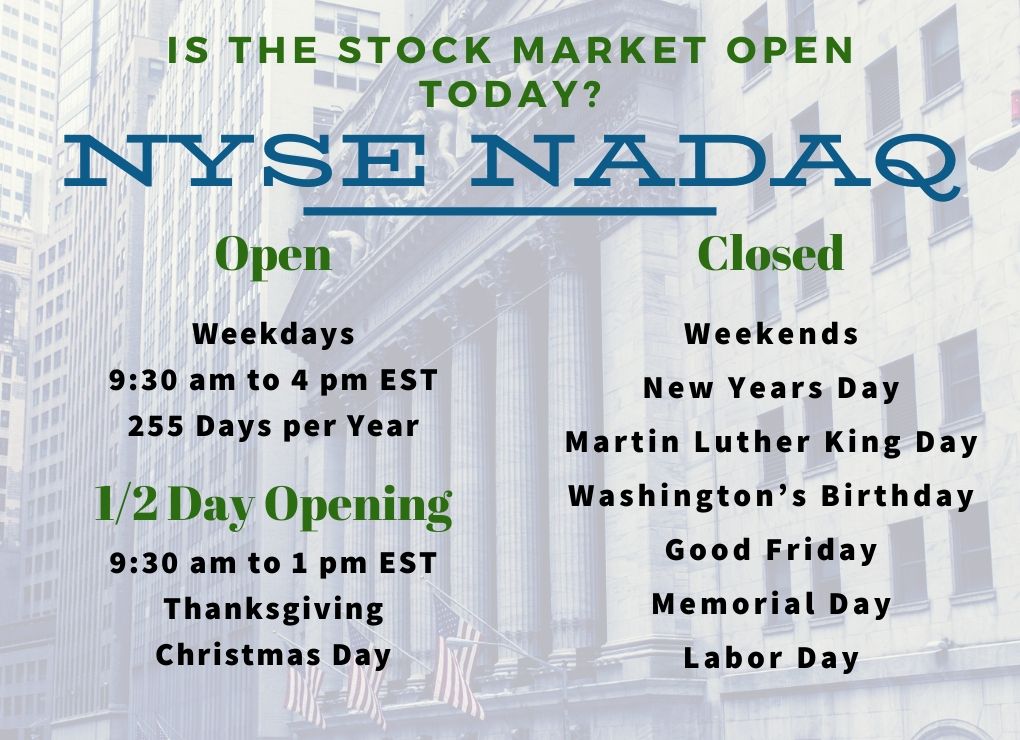
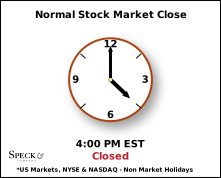
In the United States, the two primary stock exchanges, the New York Stock Exchange (NYSE) and the NASDAQ, share largely identical trading hours for their regular sessions. Both markets typically open at 9:30 AM Eastern Time (ET) and close at 4:00 PM ET on weekdays. This seven-and-a-half-hour window is often referred to as the “core trading session” or “regular market hours.”
It’s critical for investors to operate with a clear understanding of this timeframe, especially when planning to buy or sell securities. Orders placed outside these hours will typically be queued for execution at the next available trading session or, if specified as a “good-till-canceled” order, remain active until executed or cancelled. This standardization helps maintain fairness and transparency across the vast number of participants.
The Rationale Behind Fixed Hours
The concept of fixed trading hours is not arbitrary; it serves several crucial purposes that benefit the integrity and efficiency of the market. Firstly, concentrating trading activity into specific windows helps to aggregate liquidity. When all market participants are active at the same time, there’s a higher volume of buyers and sellers, leading to tighter bid-ask spreads and more efficient price discovery. This reduces volatility and ensures that trades can be executed more easily and at fairer prices.
Secondly, fixed hours provide a necessary cooling-off period. The time when the market is closed allows investors, analysts, and companies to process news, earnings reports, and economic data without the immediate pressure of trading. This period allows for thoughtful analysis, reducing impulsive reactions that could lead to extreme price swings. It also provides time for back-office operations, such as trade reconciliation and settlement, to occur smoothly. Furthermore, a defined closing time offers a clear benchmark for daily performance metrics, making it easier to track and report on financial results. This structure, though seemingly rigid, is a cornerstone of market stability and investor protection.
Beyond the Bell: Extended Trading Sessions
While the regular 9:30 AM to 4:00 PM ET window defines the traditional trading day, the advent of electronic trading and globalization has given rise to “extended hours” trading. These sessions allow investors to react to news and execute trades outside the conventional timeframe, adding a layer of complexity and opportunity to market participation.
Pre-Market Trading Explained
Pre-market trading refers to the period before the official market open. For U.S. equities, this typically runs from 4:00 AM ET to 9:30 AM ET. During this time, trading primarily occurs electronically through Electronic Communication Networks (ECNs), which match buy and sell orders.
The primary drivers for pre-market activity include the release of significant corporate news, earnings reports, analyst upgrades/downgrades, and economic data that occurs before the market opens. Investors often use pre-market trading to get an early jump on price movements, either to capitalize on anticipated trends or to adjust their positions based on overnight developments. However, this environment has its own unique characteristics and risks, which demand careful consideration.
After-Hours Trading Dynamics
After-hours trading picks up where the regular session leaves off, generally extending from 4:00 PM ET to 8:00 PM ET. Similar to pre-market, trading takes place electronically, driven by late-breaking news, company announcements made after the market close, or reactions to the day’s events.
For instance, if a company releases a major earnings report an hour after the market closes, its stock price might see significant movement in the after-hours session as investors and institutions react to the news. This period allows for immediate price adjustments, preventing a huge “gap up” or “gap down” at the next day’s open, which could otherwise occur if all reactions were held until the morning.
Risks and Opportunities in Extended Hours
Trading during extended hours presents both distinct opportunities and elevated risks.
Opportunities:
- Early Reaction to News: The ability to trade before or after the regular session allows investors to react promptly to breaking news, potentially capitalizing on early price movements before the broader market opens or closes.
- Flexibility: It offers greater flexibility for investors who cannot monitor the markets during standard hours due to work or other commitments.
- Arbitrage: Experienced traders might find opportunities to exploit temporary price discrepancies between different markets or trading venues.
Risks:
- Lower Liquidity: Extended hours typically see significantly lower trading volumes compared to regular sessions. This reduced liquidity can lead to wider bid-ask spreads, making it harder to execute trades at desired prices and potentially resulting in higher transaction costs.
- Increased Volatility: Lower liquidity can amplify price swings. A small number of large orders can have a disproportionate impact on a stock’s price, leading to greater volatility and unpredictable movements.
- Price Discrepancies: Prices in extended hours may not always reflect the prices seen during regular trading, and significant price gaps can occur between the after-hours close and the next day’s open.
- Limited Order Types: Not all order types (e.g., certain conditional orders) may be available during extended trading, which can limit strategy execution.
- Competition with Professionals: Many participants in extended hours are institutional investors and professional traders, who often have access to more sophisticated tools and information, potentially putting retail investors at a disadvantage.
Understanding these dynamics is crucial for anyone considering extended-hours trading as part of their investment strategy. It requires a higher degree of caution and often, more robust risk management.
Impact of Market Closures on Investors
The temporary cessation of trading activity, whether for the night or for a holiday, has profound implications for investors. It’s not merely a pause; it’s a period that requires different forms of attention and strategic planning.
Planning Your Trading Strategy
The fixed market hours necessitate a structured approach to trading. Day traders, for example, must complete their transactions within the regular session, or choose to hold positions overnight, incurring different risks. For long-term investors, the closing bell might signal a period of reflection rather than immediate action.
Understanding market closure times is vital for:
- Order Placement: Knowing when to place market orders, limit orders, and stop-loss orders to ensure they are executed within desired conditions.
- Risk Management: Setting appropriate stop-loss levels and taking profits before market close to avoid overnight or weekend risks associated with unexpected news.
- Capital Management: Ensuring sufficient funds are available for trades and managing margin calls before market close.
- Strategy Adjustment: Preparing for the next trading day by analyzing after-hours movements or global market trends.
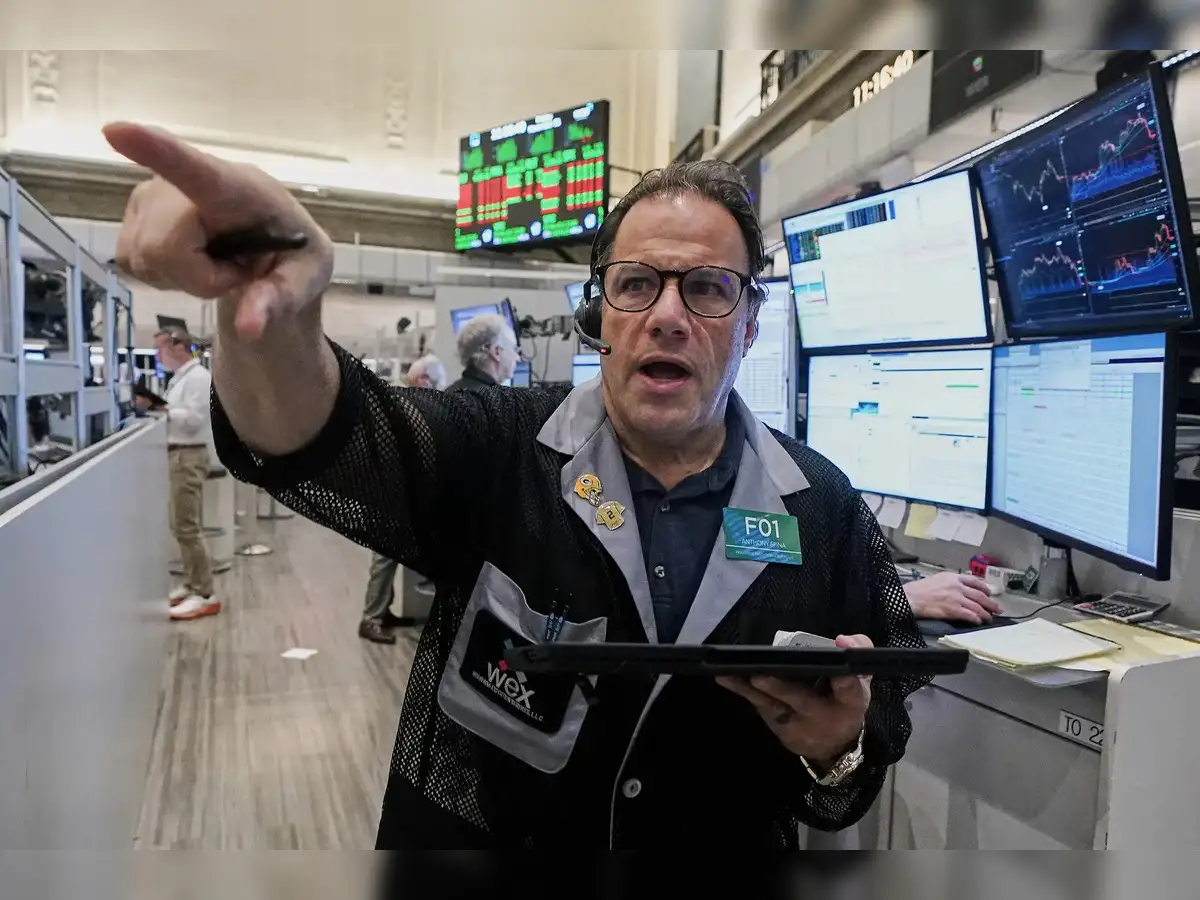
The closing bell marks a critical juncture, prompting investors to finalize daily positions, manage risk exposure, and prepare for the opportunities or challenges that the next trading session may bring.
Volatility and News During Off-Hours
The period when the stock market is closed is anything but dormant. Major news events, economic reports, and corporate announcements frequently occur outside regular trading hours. These events can include:
- Earnings Releases: Many companies report quarterly earnings after the market closes or before it opens, directly influencing pre-market and after-hours trading.
- Economic Data: Key economic indicators (e.g., inflation reports, employment figures) are often released at specific times that might fall outside the regular trading day.
- Geopolitical Events: International news, political developments, or natural disasters can unfold at any time, impacting global markets and setting the tone for the next U.S. trading session.
- Central Bank Announcements: Decisions from the Federal Reserve or other central banks can come at scheduled times, often having a ripple effect.
Such off-hours developments can lead to significant price gaps when the market reopens, or substantial volatility in extended trading sessions. Investors who are not aware of these potential catalysts and their release schedules might find themselves caught off guard, experiencing unexpected gains or losses. This underscores the need for continuous monitoring of news feeds, even when the trading screens are dark.
The Role of Global Markets
The U.S. stock market does not operate in a vacuum. It is inextricably linked to global financial markets, which operate on a 24-hour cycle across different time zones. When the NYSE and NASDAQ are closed, markets in Asia (e.g., Tokyo, Shanghai, Hong Kong), Europe (e.g., London, Frankfurt, Paris), and other regions are often active.
Developments in these global markets can heavily influence sentiment and prices in the U.S. when it reopens. For example, a major economic downturn in China or a significant policy shift in the Eurozone could lead to a negative opening for U.S. stocks, even if no U.S.-specific news has broken. This interconnectedness highlights the importance of:
- Monitoring International Indices: Keeping an eye on the performance of major indices like the FTSE 100, DAX, Nikkei 225, and Hang Seng.
- Tracking Global News: Staying informed about international geopolitical events, economic data releases, and corporate news that could have a domino effect.
- Currency Movements: Fluctuations in major currency pairs (e.g., USD/EUR, USD/JPY) can also signal shifts in global risk appetite that will impact equity markets.
A comprehensive investment strategy acknowledges that the “stock market” is a continuous global entity, even if individual exchanges have defined operating hours.
Tools and Resources for Tracking Market Times
In today’s fast-paced financial world, staying updated on market hours, holiday schedules, and breaking news is essential. Fortunately, a plethora of tools and resources are available to help investors keep track.
Financial News Platforms
Reputable financial news outlets are indispensable resources. Websites like Bloomberg, Reuters, The Wall Street Journal, CNBC, and Yahoo Finance provide real-time market data, news updates, and often prominently display current market status (open, closed, pre-market, after-hours). They also publish articles detailing upcoming market holidays and special early closing days. Subscribing to their newsletters or setting up alerts can ensure that critical information is received promptly. Many platforms also offer customizable watchlists where users can track specific stocks and receive notifications about their pre-market or after-hours movements.
Brokerage Firm Features
Nearly all online brokerage firms (e.g., Fidelity, Schwab, E*TRADE, Interactive Brokers) offer robust platforms that prominently display market hours and status. Their trading interfaces will typically indicate whether the market is open for regular trading, in an extended session, or closed. Many provide calendars for market holidays and early closures. Furthermore, some brokers offer advanced charting tools that show pre-market and after-hours price action directly on the charts, allowing for a comprehensive view of a stock’s performance across all trading sessions. Brokerage-specific news feeds and research sections often reiterate important market timing information.
Mobile Apps and Widgets
For investors on the go, a variety of mobile applications and desktop widgets provide convenient access to market information. Popular apps from financial news providers or independent developers can display real-time stock quotes, news alerts, and—crucially—the current status of major global markets. Many offer customizable widgets that can sit on a smartphone’s home screen or a computer desktop, providing an immediate glance at market open/close times, index performance, and even holiday reminders. These tools empower investors to stay connected and informed without needing to be at a desk, offering a significant advantage in managing financial decisions throughout the day.
Strategic Considerations for the Modern Investor
The dynamic nature of financial markets, coupled with evolving technology, demands that modern investors adopt flexible and informed strategies. Simply knowing “what time the market closes” is a starting point; truly successful investing requires a deeper understanding of continuous market activity and how to leverage available tools.
Adapting to a 24/7 Global Economy
The concept of a purely domestic market operating on strict local hours is increasingly outdated. The global financial ecosystem functions virtually 24 hours a day, five days a week, with major exchanges around the world sequentially taking the lead. This continuous flow of information and capital means that events occurring in Tokyo overnight can directly impact New York’s opening bell. Modern investors must cultivate a global perspective, understanding how international news, economic data, and market performance contribute to the overall picture. This involves staying abreast of major geopolitical developments, understanding currency fluctuations, and recognizing the interconnectedness of global supply chains and consumer demand. Adaptability to this always-on environment is key.
Automating Investment Decisions
For those who cannot constantly monitor market hours or react to every piece of news, automation offers a powerful solution. Many brokerage platforms allow investors to set up various types of automated orders:
- Limit Orders: Buy or sell at a specific price or better, ensuring trades are executed only when desired conditions are met, even during extended hours or when the investor is not actively watching.
- Stop-Loss Orders: Automatically sell a security if it drops to a certain price, limiting potential losses.
- Dollar-Cost Averaging (DCA): Systematically invest a fixed amount of money at regular intervals, regardless of market fluctuations. This strategy negates the need to perfectly time the market’s open or close and can smooth out returns over time.
- Algorithmic Trading (for sophisticated investors): While primarily used by institutions, some retail platforms offer simplified tools for setting up rule-based trading strategies that execute automatically based on predefined conditions.
Leveraging these automated tools can help investors stick to their financial plans, mitigate risks, and take advantage of opportunities without constant manual intervention, making market hours less of a constraint.
The Importance of Continuous Learning
The financial markets are constantly evolving, influenced by technological advancements, shifting economic paradigms, and unforeseen global events. Therefore, for an investor, the journey of learning is continuous. Understanding market hours and their nuances is just one piece of the puzzle. Investors must also commit to:
- Staying Informed: Regularly consuming financial news, economic reports, and reputable market analysis.
- Understanding New Instruments: Learning about new investment vehicles, such as ETFs, options, or alternative assets.
- Developing Financial Literacy: Deepening knowledge in areas like fundamental analysis, technical analysis, risk management, and portfolio diversification.
- Evaluating Financial Tools: Keeping up with the latest financial software, apps, and platforms that can enhance decision-making and efficiency.
In an environment where information is abundant and market dynamics can shift rapidly, continuous learning is not merely an advantage; it is a necessity for achieving long-term financial success and navigating the complexities of investment decisions.
Conclusion
The question “what time is stock market close today” opens a gateway to understanding much more than a simple timestamp. It leads us into the structured world of regular trading hours, the opportunistic yet risky landscape of extended sessions, and the profound impact of market closures on investor psychology and strategy. For anyone engaged in personal finance, investing, or managing business capital, recognizing these rhythms is paramount.
From planning order placements to reacting to overnight news or understanding the ripple effects of global markets, the clock dictates a significant portion of investment activity. By leveraging modern financial tools, maintaining a vigilant eye on news, and committing to continuous learning, investors can transcend the mere awareness of market hours to cultivate a truly informed and resilient investment approach. In the dynamic world of finance, knowledge of time is indeed knowledge of opportunity and risk, enabling more strategic and ultimately, more successful financial outcomes.
aViewFromTheCave is a participant in the Amazon Services LLC Associates Program, an affiliate advertising program designed to provide a means for sites to earn advertising fees by advertising and linking to Amazon.com. Amazon, the Amazon logo, AmazonSupply, and the AmazonSupply logo are trademarks of Amazon.com, Inc. or its affiliates. As an Amazon Associate we earn affiliate commissions from qualifying purchases.