
In the dynamic world of finance, acronyms often serve as shorthand for complex concepts and powerful tools. Among the most recognized and influential of these is SPDR, a brand that has become synonymous with innovation in the realm of Exchange Traded Funds (ETFs). For investors, both seasoned and novice, understanding SPDRs is crucial to navigating modern investment strategies and portfolio construction. At its core, SPDR, an abbreviation for Standard & Poor’s Depositary Receipts, represents a suite of ETFs offered by State Street Global Advisors (SSGA), one of the world’s largest asset managers. More than just a collection of funds, SPDRs represent a pioneering force that democratized investing, offering unparalleled access to diverse asset classes, market segments, and investment strategies with efficiency and transparency.
This article delves into the essence of SPDRs, exploring their historical significance, the mechanics of how they operate, the myriad of investment opportunities they present, and their enduring impact on the global financial landscape. By understanding SPDRs, investors can gain valuable insights into effective portfolio management, risk diversification, and cost-efficient market participation.
The Genesis of SPDR: A Legacy of Innovation in ETFs
The story of SPDR is inextricably linked to the birth and proliferation of Exchange Traded Funds, a financial product that has fundamentally reshaped how individuals and institutions invest. Its origin traces back to a singular, groundbreaking innovation that forever altered the investment paradigm.
The Birth of the SPY: A Market Game-Changer
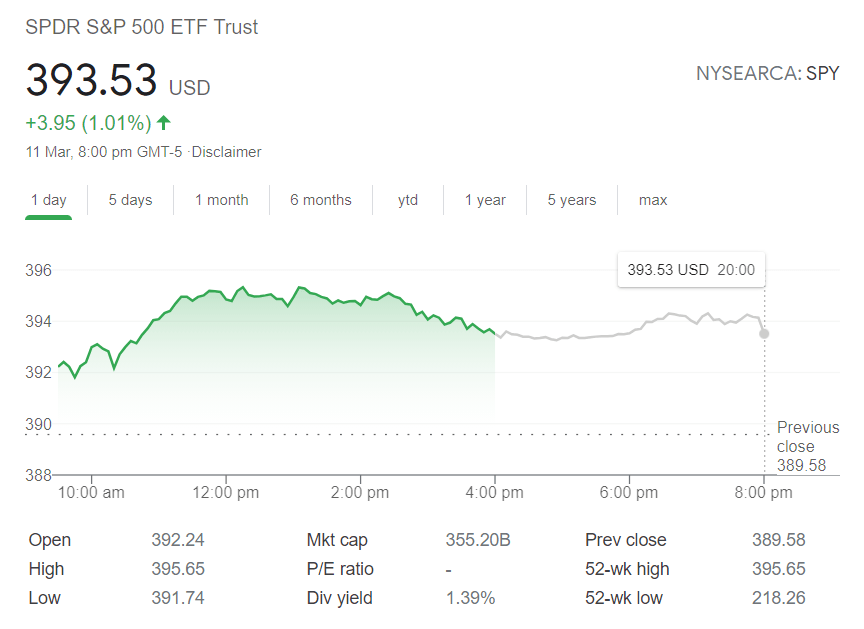
The year 1993 marked a watershed moment in financial history with the launch of the SPDR S&P 500 ETF (ticker: SPY). Often referred to as “Spiders,” the SPY was not just the first SPDR fund; it was the very first ETF ever traded in the United States. Its introduction by State Street Global Advisors was nothing short of revolutionary. Before SPY, gaining exposure to a broad market index like the S&P 500 typically required purchasing individual stocks, investing in a mutual fund with higher fees, or using futures contracts which were less accessible to retail investors. SPY changed all of that, offering a single, tradable security that mirrored the performance of the S&P 500 index. This innovation provided investors with an immediate, diversified snapshot of the largest U.S. companies, tradable throughout the day like a stock, but with the diversification benefits of a fund.
State Street Global Advisors: The Visionaries
State Street Global Advisors (SSGA), the asset management arm of State Street Corporation, was the visionary institution behind the SPDR launch. Recognizing the potential for a more efficient and flexible investment vehicle, SSGA collaborated with the American Stock Exchange (now part of NYSE Arca) and the S&P Dow Jones Indices to bring SPY to market. Their foresight identified a crucial gap in the investment landscape: a need for passive, low-cost, and liquid access to broad market indices. This pioneering spirit established SSGA as a leader in the ETF space, a position they continue to hold with one of the largest and most diverse ETF lineups globally. Their commitment to innovation has extended beyond just broad market exposure, leading to a vast array of specialized SPDR funds catering to virtually every conceivable investment objective.
How ETFs Revolutionized Investing
The success of SPY and the subsequent expansion of the SPDR family paved the way for the broader ETF industry. ETFs married the best features of mutual funds and individual stocks. Like mutual funds, they offered diversification, allowing investors to gain exposure to a basket of securities with a single investment. However, like stocks, they could be bought and sold on an exchange throughout the trading day at market-determined prices, offering unparalleled liquidity and flexibility compared to mutual funds, which are only priced once a day after market close. This innovation, championed by SPDRs, democratized sophisticated investment strategies, made portfolio rebalancing simpler, and often came with lower expense ratios, profoundly impacting both institutional and retail investors’ approaches to building wealth.
Understanding SPDR ETFs: Structure, Types, and Advantages
To fully appreciate the utility of SPDRs, it’s essential to grasp their underlying structure, the various forms they take, and the inherent benefits (and some drawbacks) they offer investors.
The Basics of an ETF
An Exchange Traded Fund (ETF) is an investment fund that holds assets such as stocks, commodities, or bonds, and trades like a common stock on a stock exchange. Most ETFs are designed to track an index, such as the S&P 500, a specific industry sector, or a commodity price. When you buy shares of a SPDR ETF, you are not buying the underlying assets directly, but rather a share of the fund that holds those assets. The price of an ETF share fluctuates throughout the trading day as it is bought and sold, reflecting the value of its underlying holdings. A unique mechanism involving “authorized participants” allows for the creation and redemption of ETF shares, helping to keep the ETF’s market price closely aligned with its Net Asset Value (NAV).
Types of SPDR ETFs: A Universe of Options
The SPDR family of ETFs has grown exponentially since its inception, now offering hundreds of funds across various asset classes and strategies. This diversity allows investors to pinpoint specific market exposures with precision.
- Equity SPDRs: These are the most common type, tracking stock market indices. Beyond the flagship SPY, this category includes funds that track specific market capitalizations (e.g., mid-cap, small-cap), growth vs. value styles, and international markets (developed and emerging).
- Sector SPDRs: A highly popular subset, Sector SPDRs allow investors to gain targeted exposure to specific sectors of the S&P 500, such as technology (XLK), financials (XLF), healthcare (XLV), or consumer staples (XLP). These are widely used for tactical allocation strategies.
- Fixed Income SPDRs: These funds invest in bonds and other debt securities, offering exposure to various types of bonds (e.g., government, corporate, municipal), maturities, and credit qualities. They provide avenues for income generation and portfolio diversification away from equities.
- Commodity SPDRs: These ETFs invest in physical commodities or commodity futures contracts. A prominent example is the SPDR Gold Shares (GLD), one of the largest gold-backed ETFs in the world, allowing investors to gain exposure to gold prices without holding the physical asset.
- Thematic and Specialty SPDRs: As markets evolve, so do SPDR offerings. This category includes funds focused on specific themes (e.g., clean energy, robotics, cybersecurity), strategic beta (factor-based investing), or actively managed strategies.
Key Advantages for Investors
SPDRs, like other ETFs, offer several compelling advantages:
- Diversification: A single SPDR share can provide exposure to dozens or even hundreds of underlying securities, instantly diversifying an investor’s portfolio and reducing single-stock risk.
- Liquidity: SPDRs trade on exchanges throughout the day, offering investors the flexibility to buy and sell at current market prices, unlike mutual funds.
- Lower Costs: Compared to actively managed mutual funds, many SPDRs (especially index-tracking ones) typically have significantly lower expense ratios, which can translate to better long-term returns.
- Transparency: Most SPDR ETFs disclose their holdings daily, providing investors with a clear understanding of what they own.
- Tax Efficiency: ETFs often have a unique structure that can minimize capital gains distributions compared to mutual funds, potentially offering tax advantages.
- Accessibility: SPDRs make investing in complex markets or strategies accessible to individual investors, often with low minimum investment amounts (just one share).
Disadvantages and Risks
While advantageous, SPDRs are not without their risks:
- Market Risk: Like any investment, SPDRs are subject to market fluctuations. The value of an ETF can decline, leading to losses.
- Tracking Error: An ETF’s performance may not perfectly match that of its underlying index due to fees, expenses, and operational factors.
- Liquidity Risk (for niche ETFs): While major SPDRs are highly liquid, some smaller, more specialized funds might have wider bid-ask spreads, making them less efficient to trade.
- Concentration Risk: Sector or thematic SPDRs, while offering targeted exposure, can be more volatile due to their concentrated holdings in specific industries or themes.
Key SPDR Offerings: Diversifying Your Investment Portfolio
The vast array of SPDR ETFs allows investors to build diversified portfolios tailored to their specific financial goals and risk tolerance. Understanding some of the most prominent SPDR offerings provides a roadmap for strategic asset allocation.
The SPDR S&P 500 ETF (SPY): The Benchmark
The SPY remains the cornerstone of the SPDR family and a global benchmark for large-cap U.S. equity performance. Its immense popularity stems from its direct correlation to the S&P 500 index, representing the performance of 500 of the largest publicly traded companies in the United States. For many investors, SPY serves as a core holding for broad market exposure, providing a diversified foundation for their portfolios. Its high liquidity and low expense ratio make it an ideal tool for long-term buy-and-hold strategies, as well as for tactical trading by institutions and active traders.
Sector SPDRs: Granular Market Exposure
One of the most innovative and widely utilized subsets of SPDRs is the collection of Sector SPDRs. These ETFs divide the S&P 500 into 11 distinct sectors, allowing investors to overweight or underweight specific parts of the economy based on their outlook.
- Technology Select Sector SPDR Fund (XLK): Focuses on technology companies within the S&P 500.
- Financial Select Sector SPDR Fund (XLF): Provides exposure to the banking, insurance, and diversified financial services industries.
- Health Care Select Sector SPDR Fund (XLV): Targets pharmaceutical, biotechnology, healthcare equipment, and services companies.
- Consumer Staples Select Sector SPDR Fund (XLP): Concentrates on companies involved in the production and distribution of food, beverages, and household products.
These funds are invaluable for investors looking to implement sector rotation strategies, capitalize on specific industry trends, or diversify away from broad market exposure into more targeted areas.
International and Fixed Income SPDRs: Broadening Horizons
Beyond the U.S. equity market, SPDRs offer crucial avenues for international diversification and fixed income exposure.
- International SPDRs: These funds provide access to developed markets outside the U.S. (e.g., Europe, Japan) and emerging markets (e.g., China, India, Brazil). Examples include the SPDR Portfolio Developed World ex-US ETF (SPDW) and various country-specific or regional funds, helping investors reduce home-country bias and tap into global growth opportunities.
- Fixed Income SPDRs: Essential for income generation and risk management, these funds cover a wide spectrum of bond markets. From U.S. Treasury bonds and investment-grade corporate bonds to high-yield bonds and municipal bonds, SPDR fixed income ETFs (e.g., SPDR Portfolio Aggregate Bond ETF – SPAB) enable investors to tailor their fixed income exposure to match their risk appetite and yield objectives.
Thematic and Specialty SPDRs: Niche Investment Opportunities
As investment themes evolve, SPDRs continue to adapt. This category includes funds that target specific megatrends, investment factors, or asset classes beyond traditional equities and bonds. Examples might include:
- Environmental, Social, and Governance (ESG) SPDRs: Funds that invest in companies meeting specific sustainability criteria.
- Gold and Silver SPDRs (GLD, SLV): Popular for investors seeking exposure to precious metals as a hedge against inflation or market volatility.
- Factor-Based SPDRs: Funds designed to capture specific investment factors like value, growth, momentum, or low volatility.
These specialized SPDRs allow for highly granular portfolio customization and the ability to participate in emerging trends that may not be captured by broader market indices.
Investing with SPDRs: Considerations and Strategies
Integrating SPDRs effectively into an investment portfolio requires careful consideration of personal financial goals, risk tolerance, and strategic approaches.
Aligning SPDRs with Investment Goals
The first step in utilizing SPDRs is to clearly define investment objectives. Are you saving for retirement, a down payment, or education? Is your focus on long-term capital appreciation, income generation, or both?
- Long-Term Growth: Core holdings like SPY, along with international equity SPDRs, can form the backbone of a growth-oriented portfolio.
- Income Generation: Fixed income SPDRs, high-dividend equity SPDRs, or preferred stock SPDRs can be suitable for income-focused investors.
- Tactical Allocation: Sector SPDRs can be used to capitalize on short-to-medium term market trends or economic cycles.
- Inflation Hedge: Commodity SPDRs like GLD can provide a hedge against rising inflation.
Portfolio Construction and Asset Allocation with SPDRs
SPDRs are excellent tools for implementing a disciplined asset allocation strategy. Investors can combine various SPDRs to achieve a desired mix of equities, fixed income, and other asset classes. For example, a balanced portfolio might include SPY for U.S. equity exposure, an international equity SPDR, and an aggregate bond SPDR. Rebalancing the portfolio periodically by buying or selling SPDR shares helps maintain the target asset allocation and manage risk over time. The modular nature of SPDRs makes this process straightforward and cost-effective.
Trading SPDRs: Liquidity and Execution
Due to their exchange-traded nature, SPDRs offer high liquidity, particularly the larger and more established funds like SPY and the Sector SPDRs. This means investors can typically buy and sell shares easily with tight bid-ask spreads. When trading, especially for less liquid SPDRs, it’s advisable to use limit orders rather than market orders to ensure execution at a desired price. Understanding the daily trading volume and average bid-ask spread of a particular SPDR can inform optimal trading strategies.
Tax Efficiency Considerations
SPDRs, like most ETFs, generally offer tax advantages over traditional mutual funds. Their creation/redemption mechanism allows authorized participants to remove low-cost-basis shares from the fund, which can reduce the need for the ETF to sell appreciated securities, thus minimizing capital gains distributions to shareholders. This can be particularly beneficial for investors holding SPDRs in taxable brokerage accounts, as it can lead to fewer taxable events. However, investors should consult with a tax advisor regarding their specific situation, as tax rules can vary and impact individual outcomes.
The Enduring Impact and Future of SPDRs in the Investment Landscape
Since their inception, SPDRs have not only transformed the investment product landscape but also played a pivotal role in democratizing access to financial markets. Their influence continues to shape how investors approach wealth management and portfolio construction.
SPDRs’ Contribution to Passive Investing
The rise of SPDRs is intrinsically linked to the growth of passive investing. By offering low-cost, index-tracking funds, SPDRs have empowered investors to achieve market-like returns without the higher fees and often underperforming active management. This has shifted the focus for many from “beating the market” to “owning the market,” promoting a more disciplined, long-term approach to investing. The accessibility and efficiency of SPDRs have made sophisticated indexing strategies available to virtually anyone, from individual investors with small portfolios to large institutional funds.
Adapting to Market Trends: ESG, Active ETFs, and Digital Assets
State Street Global Advisors, through its SPDR offerings, continues to demonstrate its commitment to innovation by adapting to evolving market trends and investor demands.
- ESG Integration: As environmental, social, and governance factors become increasingly important to investors, SPDR has launched a range of ESG-focused ETFs, allowing investors to align their portfolios with their values.
- Active ETFs: While historically known for passive indexing, SPDR has also ventured into actively managed ETFs, combining the professional management of a mutual fund with the transparency and intra-day trading flexibility of an ETF.
- Digital Assets and Thematic Investing: The firm is also exploring new frontiers, including potential exposure to digital assets and further expanding its thematic ETF lineup to capture megatrends like artificial intelligence, biotechnology, and cybersecurity. This adaptability ensures that SPDRs remain relevant in an ever-changing financial ecosystem.

The Role of SPDRs in a Modern Portfolio
In a modern investment portfolio, SPDRs can serve multiple crucial roles. They can act as core holdings for broad market exposure, providing diversification and stability. They can be used for tactical shifts, allowing investors to quickly adjust exposure to specific sectors or asset classes. Furthermore, their cost-efficiency and liquidity make them indispensable tools for professional asset allocators, financial advisors, and individual investors building and managing portfolios. As the investment landscape continues to evolve, SPDRs are poised to remain a vital component, offering efficient, transparent, and flexible solutions for a wide spectrum of financial objectives.
In conclusion, SPDRs are far more than just another investment product; they are a testament to financial innovation, offering a powerful and versatile suite of tools that have profoundly influenced the way individuals and institutions invest. From the pioneering SPY to a diverse range of specialized funds, SPDRs provide investors with the means to access global markets, manage risk, and build robust portfolios with efficiency and insight.
aViewFromTheCave is a participant in the Amazon Services LLC Associates Program, an affiliate advertising program designed to provide a means for sites to earn advertising fees by advertising and linking to Amazon.com. Amazon, the Amazon logo, AmazonSupply, and the AmazonSupply logo are trademarks of Amazon.com, Inc. or its affiliates. As an Amazon Associate we earn affiliate commissions from qualifying purchases.