
For many investors, the stock market opens and closes like clockwork: 9:30 AM to 4:00 PM Eastern Time. However, this conventional view overlooks a crucial window of activity that precedes and follows these standard hours—extended-hours trading. Among these, pre-market trading stands out as a dynamic period where significant price movements can occur, influenced by news, earnings reports, and geopolitical events that unfold before the official opening bell. Understanding when pre-market trading begins, how it operates, and the unique opportunities and risks it presents is essential for any modern investor seeking to gain an edge or simply stay informed in today’s fast-paced financial landscape.
Pre-market trading, along with after-hours trading, collectively forms what is known as extended-hours trading. This period allows participants to react to information in real-time, often shaping the narrative and price direction for the regular trading session. While it offers agility, it also comes with distinct characteristics that differentiate it from the regular market hours, primarily concerning liquidity, volatility, and access. For individuals and institutional investors alike, mastering the intricacies of this early window can be a powerful addition to their financial toolkit, provided they approach it with a well-informed strategy and a clear understanding of its inherent challenges.
The Standard Schedule: Unpacking Pre-Market Hours
The concept of a singular “market open” is somewhat misleading when considering the full spectrum of trading activity. While the regular trading session has fixed hours, pre-market trading extends the opportunity to buy and sell securities well before the official start.
Core Hours for Major Exchanges
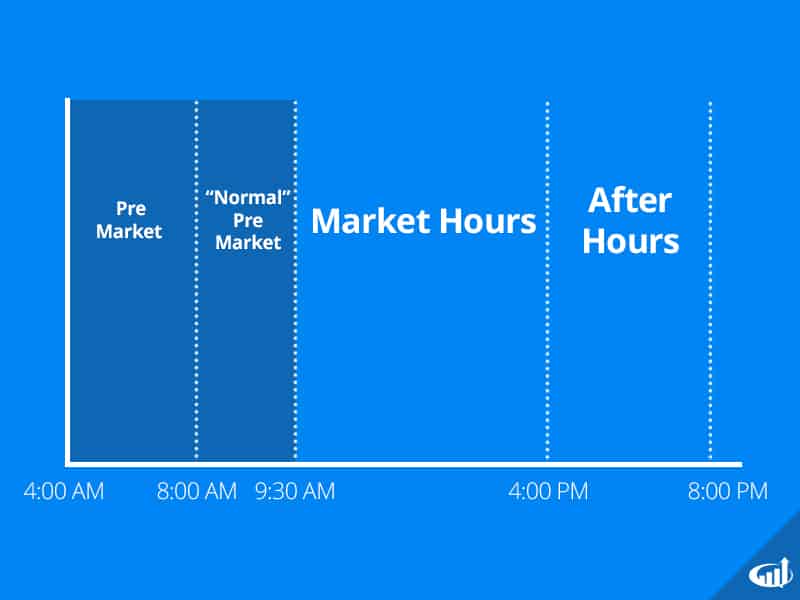
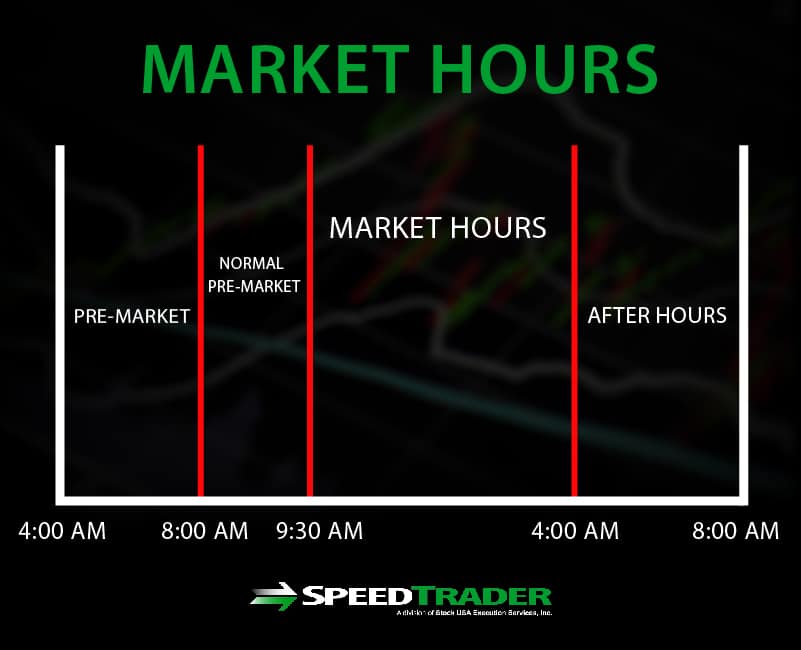
For the major U.S. stock exchanges, such as the New York Stock Exchange (NYSE) and the Nasdaq Stock Market, the regular trading session runs from 9:30 AM to 4:00 PM Eastern Time (ET). However, pre-market trading typically commences much earlier. While there isn’t one universal starting time, most pre-market activity on these exchanges officially begins around 4:00 AM ET. This early start allows traders to react to a flurry of information, from overnight international news to early morning corporate announcements.
It’s important to note that while 4:00 AM ET marks the earliest possible start for some participants, the volume and liquidity tend to be extremely thin during the initial hours. Significant participation and more robust price discovery usually begin to build up closer to 7:00 AM or 8:00 AM ET, leading up to the 9:30 AM ET market open. Different brokerages may offer varying access times, with some enabling their clients to trade as early as 4:00 AM ET, while others might start later, perhaps at 7:00 AM or 8:00 AM ET.
Understanding Time Zones and Their Impact
The “Eastern Time” designation is crucial. For investors situated in other time zones, this means adjusting their schedules accordingly. For instance:
- Central Time (CT): Pre-market typically starts at 3:00 AM CT.
- Mountain Time (MT): Pre-market typically starts at 2:00 AM MT.
- Pacific Time (PT): Pre-market typically starts at 1:00 AM PT.
This time zone difference is particularly relevant for those living on the West Coast of the U.S., where reacting to 4:00 AM ET news might mean waking up in the very early hours of the morning. International investors also need to factor in these time differences, which can sometimes make pre-market trading challenging due to vastly different local times. Being mindful of these time zone conversions is paramount for anyone planning to actively participate in early trading.
Brokerage Variations and Access
The ability to engage in pre-market trading is largely dictated by the brokerage firm an investor uses. Not all brokerages offer extended-hours trading, and among those that do, their specific start times can vary. Some may provide access for the full 4:00 AM to 9:30 AM ET window, while others might only allow trading from 7:00 AM ET or 8:00 AM ET until the market open.
Investors interested in pre-market trading should:
- Verify their brokerage’s extended hours policy: Check the terms and conditions or contact customer support.
- Understand associated fees or conditions: Some brokerages might have specific requirements or charges for extended-hours trading.
- Familiarize themselves with the platform’s functionality: Ensure they know how to place extended-hours orders, as these often differ from regular-hours orders (e.g., limit orders are almost always required).
The rise of online brokerages has democratized access to extended-hours trading, but the nuances of each platform must be thoroughly understood before participation.
Why Pre-Market Trading Matters to Investors
Pre-market trading is not merely an extended convenience; it’s a strategically significant period that can profoundly influence an investor’s decisions and portfolio performance. Its importance stems from its capacity to facilitate immediate reactions to new information.
Reacting to News and Earnings Reports
One of the primary drivers of pre-market activity is the release of market-moving news. Companies frequently announce their quarterly earnings, significant mergers, product launches, or regulatory approvals either before the market opens (typically between 7:00 AM and 9:00 AM ET) or after it closes. Pre-market trading allows investors to digest this information and place trades instantaneously, rather than waiting for the official market open.
This immediate reaction can lead to substantial price gaps at the open, where a stock might start trading significantly higher or lower than its previous day’s close. For investors, this means:
- Opportunity for swift action: Capitalizing on positive news or mitigating losses from negative news.
- Insights into market sentiment: Pre-market price movements can signal how the broader market might react once regular trading begins.
For example, a company exceeding earnings expectations might see its stock surge in pre-market trading, setting a higher opening price and potentially creating momentum for the day. Conversely, a miss could lead to early selling pressure.
Price Discovery and Volatility
Pre-market trading is a crucial phase for price discovery, helping to establish the equilibrium price of a security before the main market opens. Because information is being absorbed and reacted to, prices can be highly volatile. This volatility can be a double-edged sword:
- Increased profit potential: Sharp price movements can lead to significant gains for those who correctly anticipate market reactions.
- Higher risk: Unpredictable swings can also result in rapid and substantial losses.
The relatively lower liquidity in pre-market hours (compared to regular hours) often amplifies these price movements, as fewer buyers and sellers mean that even smaller orders can have a greater impact on price. This environment demands a keen understanding of market dynamics and robust risk management.
Liquidity Considerations
Liquidity refers to how easily an asset can be converted into cash without affecting its market price. In pre-market trading, liquidity is generally much lower than during regular trading hours. This is because:
- Fewer participants: The pool of active traders is smaller.
- Limited institutional involvement: Many large institutional investors and high-frequency trading firms may not participate as actively until closer to the market open.
Low liquidity means:
- Wider bid-ask spreads: The difference between the highest price a buyer is willing to pay (bid) and the lowest price a seller is willing to accept (ask) can be significantly larger. This makes it more expensive to execute trades, as you might buy at a higher price or sell at a lower price than desired.
- Difficulty in executing large orders: Placing a substantial order might significantly move the stock price against your favor.
- Increased risk of ‘slippage’: Your order might be filled at a price worse than expected, especially for market orders (which are generally ill-advised during pre-market).
Understanding these liquidity dynamics is vital for anyone considering pre-market trading, as it directly impacts transaction costs and execution efficiency.
Mechanics and Access: How to Participate
Engaging in pre-market trading requires more than just knowing the hours; it involves understanding the underlying mechanisms and specific tools available to investors.
Extended Hours Trading Facilities (ECNs, Dark Pools)
Pre-market trading doesn’t occur on the primary exchanges (NYSE, Nasdaq) in the same way regular hours trading does. Instead, it largely takes place on Alternative Trading Systems (ATSs), which include Electronic Communication Networks (ECNs) and sometimes “dark pools.”
- ECNs: These are automated trading systems that match buy and sell orders electronically. They provide a venue for investors to trade outside of regular exchange hours. Major ECNs include Arca, Island, and BATS.
- Dark Pools: These are private exchanges where institutional investors can trade large blocks of shares anonymously. While often associated with regular hours, some dark pool activity can spill over into extended hours.
When an investor places an extended-hours order through their brokerage, it’s typically routed to one or more of these ECNs, which then try to match the order with a corresponding counterparty.
Role of Brokerage Platforms
Your choice of brokerage is paramount for pre-market access. Modern online brokers have made it easier than ever for retail investors to participate. When choosing a brokerage for extended-hours trading, consider:
- Availability of extended hours: Does the broker support pre-market trading, and what are its specific hours?
- Routing capabilities: How does the broker route extended-hours orders? Does it connect to multiple ECNs to improve execution quality?
- Order types supported: Ensure the platform supports limit orders, which are crucial for pre-market trading.
- Real-time data: Access to live pre-market quotes and charts is indispensable for informed decision-making.
- Fees: Understand any additional fees or commissions for extended-hours trades.
Many popular brokers, like Charles Schwab, Fidelity, TD Ameritrade (now Schwab), E*TRADE, and Interactive Brokers, offer robust extended-hours trading capabilities.
Order Types: Limit Orders are Crucial
Unlike regular trading hours where market orders might be acceptable for highly liquid stocks, limit orders are virtually mandatory for pre-market trading.
- Market Order: An instruction to buy or sell a security immediately at the best available current price. In low-liquidity pre-market conditions, a market order can be filled at a price far worse than anticipated due to wide bid-ask spreads and limited counterparties. This can lead to significant slippage.
- Limit Order: An instruction to buy or sell a security at a specified price or better. For a buy order, you specify the maximum price you’re willing to pay; for a sell order, you specify the minimum price you’re willing to accept.
By using a limit order, you control the price at which your trade is executed, protecting yourself from adverse price movements in volatile, low-liquidity environments. While a limit order might not get filled if the price doesn’t reach your specified level, it safeguards against unexpected execution prices.
Risks and Rewards of Early Trading
Pre-market trading, while offering unique advantages, also introduces a distinct set of risks that investors must carefully weigh. A clear understanding of both sides is crucial for responsible participation.
Enhanced Volatility and Wider Spreads
As previously mentioned, pre-market hours are characterized by higher volatility due to the immediate reaction to news and lower trading volume. This means prices can swing dramatically within short periods. Alongside this, bid-ask spreads—the difference between the highest price a buyer is willing to pay and the lowest price a seller is willing to accept—are typically much wider than during regular trading hours.
- Impact: Wider spreads translate to higher transaction costs. If you buy at the ask and immediately sell at the bid, you’re starting with a larger loss compared to regular hours. The enhanced volatility can also lead to rapid gains or losses, demanding quick decision-making and strong emotional discipline.
Lower Liquidity Concerns
The reduced number of participants in the pre-market session directly leads to lower liquidity. This is perhaps the most significant risk factor.
- Execution Risk: Large orders may struggle to find enough counterparties, potentially leading to partial fills or significant price impact.
- Price Dislocation: A single large order can disproportionately move the price of a stock, creating artificial highs or lows that may not reflect true market sentiment once regular trading commences.
- Difficulty in Exiting Positions: If you need to sell quickly, the lack of buyers at your desired price can force you to accept a much lower price, exacerbating losses.
Potential for Significant Gains or Losses
The flip side of high volatility and immediate reaction to news is the potential for substantial gains. If an investor correctly anticipates the market’s reaction to positive news and trades accordingly, they can secure profits before the wider market gets involved. Conversely, misjudging the sentiment or reacting to incomplete information can lead to rapid and significant losses. This high-risk, high-reward environment is why pre-market trading often attracts experienced traders seeking alpha, but it can be perilous for novices.
The Information Asymmetry Challenge
While pre-market trading allows investors to react to news, it doesn’t guarantee equal access to all information. Institutional investors or those with sophisticated analytical tools might have an edge in processing and acting upon information more rapidly or comprehensively. Retail investors might be at a disadvantage, reacting to headlines without the full context or depth of analysis. Furthermore, the information available can sometimes be incomplete or speculative, leading to “noise trading” based on rumors rather than confirmed facts.
Strategic Considerations for Pre-Market Traders
For those who choose to venture into pre-market trading, a well-defined strategy and a disciplined approach are paramount to navigating its unique landscape.
Due Diligence Beyond Regular Hours
Effective pre-market trading starts long before the 4:00 AM ET window. Investors must be proactive in their research and monitoring:
- Earnings Calendar: Keep a close watch on upcoming earnings reports for companies in your portfolio or watchlist. Know when they are scheduled to be released (pre-market or post-market).
- News Monitoring: Subscribe to financial news services that provide real-time updates. Pay attention to macroeconomic data releases, geopolitical events, and company-specific announcements.
- International Markets: Overnight movements in Asian and European markets can often provide clues about how U.S. markets might react.
- Analyst Reports: While not always immediate, new analyst ratings or upgrades/downgrades can also influence pre-market sentiment.
Thorough preparation ensures that when an opportunity arises, you’re not scrambling for information but are ready to execute your plan.
Developing a Robust Trading Plan
Never enter pre-market trading without a clear plan. Given the speed and volatility, impulsive decisions can be costly. A solid plan should include:
- Entry Strategy: Under what specific conditions will you buy or sell? What price levels are you targeting?
- Exit Strategy: When will you take profits? At what point will you cut losses?
- Risk Management: How much capital are you willing to risk on a single trade? What is your maximum daily loss limit?
- Order Types: Strictly adhere to using limit orders.
- Position Sizing: Determine the appropriate number of shares to trade based on your risk tolerance and the stock’s volatility. Do not overcommit capital.
A trading journal can be an invaluable tool to track your pre-market trades, analyze performance, and refine your strategy over time.
Managing Risk and Position Sizing
Risk management is particularly critical in pre-market trading due to the heightened volatility and lower liquidity.
- Stop-Loss Orders (with caution): While useful, standard stop-loss orders can be susceptible to “gapping” in pre-market, meaning they might be executed at a far worse price than intended if a sudden price drop occurs. Consider using mental stops or limit-based stop-loss orders if your broker offers them and you understand their mechanics.
- Smaller Position Sizes: Given the increased risk, it’s often prudent to trade smaller position sizes in pre-market compared to regular hours. This limits your exposure to adverse price movements.
- Focus on Highly Liquid Stocks: While pre-market liquidity is generally lower, some stocks (especially large-cap companies or those with significant news) will still have more liquidity than others. Sticking to these can reduce execution risk.
Psychological Discipline in a Fast-Paced Environment
The fast pace, quick price swings, and potential for rapid gains or losses can take a toll on an investor’s psychology.
- Avoid Emotional Decisions: Fear of missing out (FOMO) or panic selling can lead to poor choices. Stick to your trading plan.
- Manage Expectations: Understand that not every pre-market trade will be a winner, and losses are part of the game.
- Step Away When Needed: If you find yourself making impulsive decisions or feeling overwhelmed, take a break. The market will always be there tomorrow.
- Continuous Learning: The pre-market environment is constantly evolving. Stay informed, learn from your experiences, and adapt your strategies.
Conclusion
Pre-market trading, typically commencing around 4:00 AM ET for major U.S. exchanges, offers a dynamic and often volatile window into market activity before the traditional opening bell. It provides astute investors with an opportunity to react swiftly to breaking news and earnings reports, potentially securing an advantage or mitigating risk. However, this early access comes with a distinct set of challenges, including lower liquidity, wider bid-ask spreads, and heightened price volatility, all of which underscore the importance of disciplined execution and robust risk management.
For those considering venturing into this early trading period, understanding the mechanics of extended-hours trading through ECNs, leveraging your brokerage’s capabilities, and exclusively employing limit orders are non-negotiable prerequisites. Moreover, success in the pre-market hinges on meticulous due diligence, a rigorously developed trading plan, intelligent position sizing, and unwavering psychological discipline. While the allure of significant gains can be strong, the amplified risks demand a cautious, informed, and strategic approach. By mastering these elements, investors can potentially harness the power of pre-market trading to enhance their financial outcomes, turning the early hours into a strategic advantage rather than a speculative gamble.
aViewFromTheCave is a participant in the Amazon Services LLC Associates Program, an affiliate advertising program designed to provide a means for sites to earn advertising fees by advertising and linking to Amazon.com. Amazon, the Amazon logo, AmazonSupply, and the AmazonSupply logo are trademarks of Amazon.com, Inc. or its affiliates. As an Amazon Associate we earn affiliate commissions from qualifying purchases.