
The stock market is a dynamic and complex ecosystem, constantly reacting to a myriad of economic, political, and social forces. For investors, both seasoned and novice, understanding its current state is crucial for making informed decisions. The question, “How’s the stock market doing right now?” is not merely a request for a simple ‘up’ or ‘down’ answer; it demands a nuanced analysis of recent trends, underlying drivers, and forward-looking projections. As we navigate a world characterized by rapid change and interconnected economies, a deeper dive into market performance becomes indispensable for prudent financial planning and strategic investing.
Understanding the Current Market Landscape
To gauge the stock market’s health, one must look beyond daily fluctuations and examine broader performance trends across major indices, sector rotations, and underlying economic indicators. The current landscape is a tapestry woven with threads of resilience, cautious optimism, and persistent uncertainty.
Recent Performance Trends
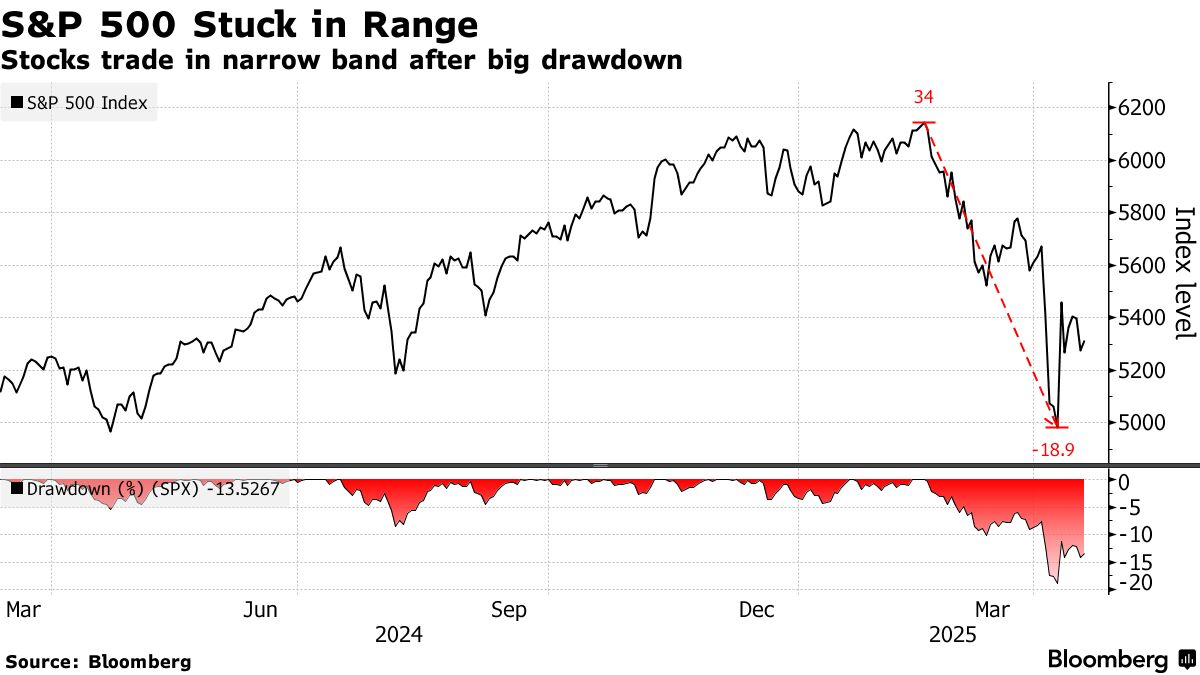
The past year has presented a mixed bag for global equities, following a period of significant volatility. Major indices such as the S&P 500, Dow Jones Industrial Average, and Nasdaq Composite have experienced a roller coaster ride, reflecting shifting investor sentiment and economic data. While certain periods have seen robust rallies, often driven by optimism around disinflation or technological breakthroughs, others have been marked by corrections, fueled by concerns over interest rates, geopolitical tensions, or corporate earnings disappointments. The S&P 500, often considered a bellwether for the broader U.S. economy, has generally shown resilience, recovering from earlier troughs but often struggling to break decisively into sustained bull market territory without periodic pullbacks. The Nasdaq, heavily weighted towards technology and growth stocks, has demonstrated periods of explosive growth, particularly as investor appetite for innovative companies returns, but also faced sharper corrections when interest rate expectations rose. Meanwhile, the Dow Jones, representing a more traditional industrial base, tends to exhibit greater stability, though it too is not immune to broader market pressures. Across international markets, performance has varied, with some emerging markets showing strength due to commodity prices or specific regional catalysts, while others contend with local economic headwinds. This divergence underscores the importance of a global perspective when assessing overall market health.
A Glance at Market Sentiment
Market sentiment is a powerful, albeit often irrational, force that can significantly influence short-term price movements. Currently, sentiment appears to be a blend of cautious optimism and underlying apprehension. On one hand, indicators like the CNN Business Fear & Greed Index often fluctuate between “Neutral” and “Greed,” suggesting that investors are willing to take on some risk, buoyed by the prospect of future economic growth or the belief that central banks are nearing the end of their tightening cycles. Bullish sentiment has been fueled by robust corporate earnings in specific sectors and the surprisingly resilient consumer spending figures in some economies. On the other hand, persistent concerns about inflation’s stickiness, the potential for a global economic slowdown, and geopolitical instability (such as ongoing conflicts and trade disputes) prevent a full-blown return to euphoric “Greed” levels. Institutional investors, while deploying capital, often maintain higher cash positions or utilize hedging strategies, indicating a degree of prudence. Retail investors, while active, are showing more discernment than during the meme stock frenzy, focusing on fundamentals alongside narrative. This equilibrium of optimism and caution creates a market prone to swift reactions to new information, highlighting the fragile balance of current sentiment.
The Role of Economic Data
Economic data serves as the lifeblood of market analysis, providing fundamental insights into the health of economies and guiding investor expectations. Currently, the market is closely scrutinizing a range of indicators, from inflation reports and employment figures to GDP growth and manufacturing PMIs. Inflation data, particularly the Consumer Price Index (CPI) and Producer Price Index (PPI), remain paramount. Any signs of inflation reaccelerating or proving more stubborn than anticipated can trigger sharp market downturns, as it implies a longer, more aggressive monetary policy stance from central banks. Conversely, evidence of sustained disinflation often sparks rallies, as it suggests an eventual pivot towards rate cuts. Employment data, such as non-farm payrolls and unemployment rates, are equally critical. A robust job market can indicate underlying economic strength, but an overly tight labor market can also fuel wage inflation, complicating the central bank’s task. GDP growth figures provide a broad measure of economic expansion or contraction, directly influencing corporate profitability expectations. Manufacturing and services Purchasing Managers’ Indices (PMIs) offer real-time insights into business activity and confidence. The narrative around these data points shapes interest rate expectations, which in turn dictate the valuation models for stocks, particularly growth-oriented companies. The market’s current performance is largely a reflection of how this incoming data aligns with or deviates from consensus forecasts, constantly repricing assets based on the latest economic pulse.
Key Factors Influencing Market Performance
Several powerful forces are currently shaping the trajectory of the stock market, each carrying significant weight in determining investor confidence and corporate profitability. Understanding these drivers is essential for comprehending market movements.
Inflation and Interest Rate Policy
Inflation has been a dominant theme in global markets for the past few years, profoundly influencing central bank actions and, consequently, equity valuations. The surge in prices for goods and services prompted aggressive monetary tightening cycles by central banks worldwide, most notably the U.S. Federal Reserve. Higher interest rates increase the cost of borrowing for businesses, potentially dampening investment and consumer spending, which can negatively impact corporate earnings. Furthermore, higher discount rates used in valuation models reduce the present value of future earnings, making growth stocks particularly vulnerable. Currently, the market is obsessed with the path of inflation and the future direction of interest rates. While inflation has shown signs of moderation, its persistence above central bank targets in many regions keeps policymakers cautious. The market eagerly anticipates a “pivot” to rate cuts, which would typically be a boon for equities, but central banks are steadfast in their data-dependent approach. Any unexpected uptick in inflation data or hawkish commentary from central bank officials can quickly trigger market sell-offs, highlighting the tightrope walk between taming inflation and avoiding a severe economic downturn.
Corporate Earnings and Outlook
Ultimately, stock prices are intrinsically linked to corporate earnings—the profits companies generate. Strong earnings growth provides a fundamental justification for higher stock valuations, while disappointing results can lead to significant price drops. Currently, the market is navigating a complex earnings environment. Many companies have demonstrated resilience, achieving better-than-expected results by successfully managing costs, passing on price increases to consumers, or benefiting from specific demand trends. However, some sectors are facing headwinds from slowing consumer demand, higher input costs, or increased competition. The outlook for future earnings is equally critical. Companies’ guidance on anticipated revenues and profits heavily influences investor expectations. Currently, analysts are carefully revising their forecasts, considering factors like potential economic slowdowns, geopolitical risks, and the impact of artificial intelligence on productivity and cost structures. A significant divergence in earnings performance across sectors is evident, with some technology giants and healthcare companies showing robust growth, while certain industrial or consumer discretionary firms face greater challenges. The aggregate earnings picture provides a crucial barometer of economic health and directly impacts overall market sentiment.
Geopolitical Events and Global Economy
The interconnectedness of the global economy means that geopolitical events, far-flung as they may seem, can have immediate and significant repercussions on stock markets worldwide. Ongoing conflicts, such as the war in Ukraine and tensions in the Middle East, continue to exert upward pressure on commodity prices (especially oil and gas), disrupt supply chains, and create uncertainty that deters investment. Trade disputes between major economic powers also pose risks, potentially leading to tariffs, reduced international trade volumes, and a slowdown in global growth. Beyond direct conflicts, political instability in key regions, elections with uncertain outcomes, and shifts in international alliances can all contribute to market volatility. The global economy itself faces various challenges, including varying growth rates across countries, currency fluctuations, and differing approaches to fiscal and monetary policy. For instance, a slowdown in a major economy like China can have ripple effects on global supply chains and demand for commodities, impacting companies reliant on those markets. Investors closely monitor these developments, often reallocating capital to perceived safe havens during periods of heightened global risk or betting on sectors that might benefit from specific geopolitical shifts. The current market thus reflects a delicate balance between fundamental economic strength and the ever-present shadow of geopolitical uncertainty.
Sectoral Performance and Opportunities
While the overall market indices provide a broad picture, a closer look at individual sectors reveals a more nuanced story of winners, losers, and emerging opportunities. Capital flows often shift dynamically between sectors based on economic trends, technological advancements, and investor sentiment.
Tech Sector Resilience vs. Cyclical Stocks
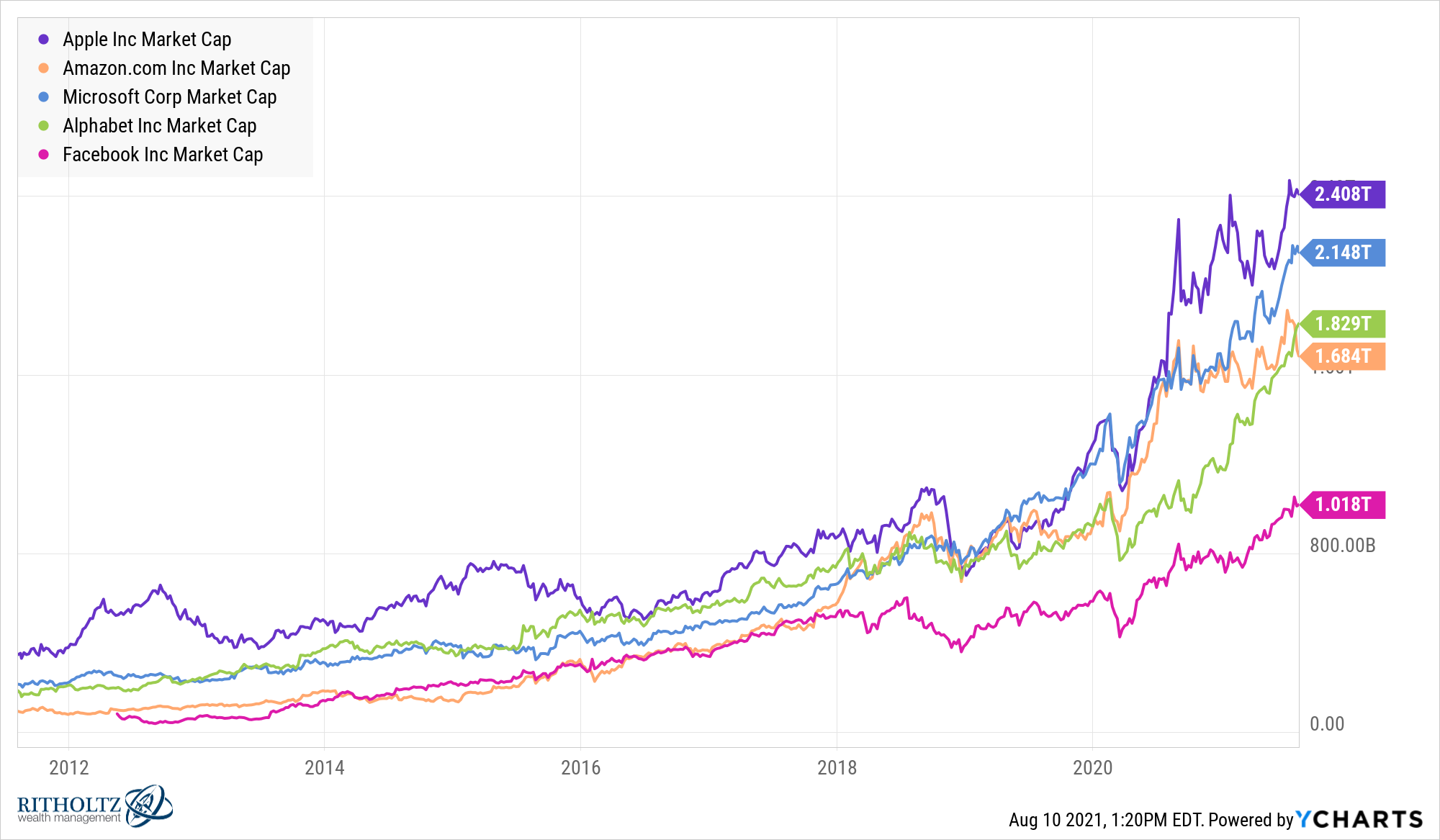
The technology sector, particularly large-cap tech giants, has demonstrated remarkable resilience and, at times, led market rallies, even amidst broader economic uncertainties. Driven by innovation in areas like artificial intelligence, cloud computing, and digital transformation, these companies often command strong brand loyalty, high-profit margins, and significant market capitalization. Their ability to generate consistent cash flow and often operate with less sensitivity to traditional economic cycles (compared to, say, manufacturing) makes them attractive during periods of slower growth. However, this sector is also highly sensitive to interest rates; when rates rise, the valuation of future earnings for high-growth tech companies can be negatively impacted, leading to sharp corrections.
In contrast, cyclical stocks—those whose performance is closely tied to the broader economic cycle—have experienced more volatile swings. Industries such as industrials, materials, consumer discretionary (e.g., automotive, luxury goods), and financials tend to thrive during periods of robust economic expansion and suffer during downturns. When economic growth projections are strong, these sectors can outperform, but any sign of an impending recession or significant slowdown can lead to underperformance. Currently, the performance of cyclical stocks is heavily influenced by expectations regarding interest rate cuts and the avoidance of a severe recession. A “soft landing” scenario, where inflation cools without a deep recession, would generally favor cyclicals, while a hard landing would see investors flocking back to defensive and resilient tech names.
Energy and Commodities Market Dynamics
The energy sector and broader commodities markets have been central to market discussions, largely driven by supply-demand imbalances and geopolitical events. The war in Ukraine significantly impacted global oil and natural gas prices, leading to substantial profits for energy companies. More recently, prices have moderated but remain sensitive to global supply constraints, OPEC+ production decisions, and demand from major economies like China. High energy prices can fuel inflation and squeeze consumer budgets, impacting other sectors, but they can also translate into robust earnings for energy producers and related industries.
Beyond traditional fossil fuels, other commodities like industrial metals (copper, lithium) and agricultural products have also seen price fluctuations, influenced by global growth prospects, supply chain issues, and climate events. The transition to green energy is also a significant driver, increasing demand for critical minerals required for batteries and renewable technologies. Investing in the energy and commodities sectors requires a keen understanding of global macroeconomic trends, geopolitical stability, and long-term structural shifts, such as the push towards decarbonization. While volatile, these sectors can offer diversification and inflation hedging properties, making them an important part of a diversified portfolio in certain market conditions.
Healthcare and Consumer Staples Stability
In times of economic uncertainty and market volatility, investors often gravitate towards defensive sectors known for their stability and consistent demand. Healthcare and Consumer Staples are prime examples. The healthcare sector, encompassing pharmaceuticals, biotechnology, medical devices, and healthcare services, benefits from non-discretionary demand driven by demographics (aging populations), innovation, and public health needs. Demand for healthcare services and products tends to be relatively inelastic to economic cycles, providing a steady stream of revenue even during downturns. Companies in this sector often exhibit strong pricing power and generate reliable cash flows, making them attractive for long-term investors seeking stability and dividend income.
Similarly, the consumer staples sector, which includes companies producing essential goods like food, beverages, household products, and personal care items, demonstrates remarkable resilience. Consumers continue to purchase these necessities regardless of the economic climate. These companies often have strong brand recognition, established distribution networks, and the ability to pass on some cost increases to consumers. While their growth rates may not be as explosive as technology stocks, their consistent earnings and dividend payouts offer a defensive hedge against market turbulence. In the current environment, where economic growth is uncertain and inflation remains a concern, these sectors provide a sense of security and often outperform when more growth-oriented or cyclical sectors falter. They serve as foundational components in many diversified portfolios, offering ballast against market storms.
Navigating Market Volatility: Strategies for Investors
The inherent volatility of the stock market can be unnerving, but it also presents opportunities for disciplined investors. Rather than succumbing to panic or irrational exuberance, a strategic approach can help mitigate risks and capitalize on market movements.
The Importance of Diversification
Diversification stands as one of the most fundamental principles of investing, crucial for navigating volatile markets. It involves spreading investments across various asset classes, industries, geographies, and company sizes to reduce overall portfolio risk. The core idea is that not all investments will perform poorly at the same time; when one segment of your portfolio is underperforming, another might be thriving. For instance, an investor might diversify by holding a mix of stocks and bonds (different asset classes), investing in technology, healthcare, and energy sectors (different industries), including both domestic and international equities (different geographies), and allocating capital to large-cap, mid-cap, and small-cap companies (different company sizes).
In the current market, where sector rotations are frequent and economic outlooks diverge, robust diversification is more critical than ever. Relying too heavily on a single high-flying stock or an overheated sector can lead to outsized losses if that specific investment falters. A well-diversified portfolio acts as a shock absorber, smoothing out returns over the long term and protecting against the unpredictable nature of individual investment performance. It means accepting that some parts of your portfolio may underperform at any given time, but the overall performance should be more stable and aligned with your long-term financial goals. Regularly reviewing and rebalancing your diversified portfolio ensures it remains aligned with your risk tolerance and investment objectives.
Dollar-Cost Averaging in Fluctuating Markets
Dollar-cost averaging (DCA) is a powerful, yet simple, investment strategy particularly effective in fluctuating or uncertain market conditions. It involves investing a fixed amount of money at regular intervals, regardless of whether the market is up or down. For example, an investor might decide to invest $500 into a specific index fund every month. When the market prices are high, their fixed investment buys fewer shares. When prices are low, the same fixed amount buys more shares.
The key benefit of DCA is that it removes the emotional element from investing. Instead of trying to “time the market” – a notoriously difficult and often fruitless endeavor – DCA ensures that investors automatically buy more shares when prices are cheaper and fewer when prices are expensive, effectively lowering the average cost per share over time. This strategy is especially valuable in a volatile market like the current one, where sharp dips can be opportunities to accumulate more assets at a lower price, and rallies can validate earlier investments. DCA is particularly suitable for long-term investors contributing to retirement accounts (like 401(k)s or IRAs) or regular savings plans, as it instills discipline and leverages market fluctuations to one’s advantage, rather than being paralyzed by them. It’s a testament to the power of consistency and patience in achieving long-term financial growth.
Rebalancing Your Portfolio
Portfolio rebalancing is the process of adjusting your portfolio’s asset allocation back to your desired target weights. Over time, due to market performance, some asset classes or individual investments may grow significantly, causing their proportion in your portfolio to exceed your initial targets, while others may shrink. For example, if you initially aimed for a 60% stock, 40% bond allocation, a strong stock market rally might push your portfolio to 70% stocks, 30% bonds. Rebalancing means selling some of the outperforming assets (e.g., stocks) and buying more of the underperforming ones (e.g., bonds) to restore your original 60/40 ratio.
This strategy offers several critical advantages in a volatile market. Firstly, it helps manage risk by ensuring your portfolio doesn’t become overexposed to a single asset class or sector that has performed exceptionally well but may be due for a correction. Secondly, it provides a disciplined mechanism to “buy low and sell high” – by reducing positions in assets that have appreciated and increasing positions in those that have depreciated, you are inherently taking profits and buying into value. Thirdly, it keeps your portfolio aligned with your long-term financial goals and risk tolerance. If your risk tolerance dictates a specific allocation, rebalancing ensures you maintain that level of risk rather than inadvertently taking on more risk as certain assets surge. Rebalancing can be done on a fixed schedule (e.g., annually) or when an asset class deviates by a certain percentage from its target. It is a proactive step to maintain portfolio integrity and optimize long-term returns in an ever-changing market.
Looking Ahead: Projections and Considerations for the Future
Predicting the stock market’s future with certainty is impossible, but understanding potential scenarios and key indicators can help investors position themselves wisely. The coming months and years will likely be shaped by a confluence of economic policy, technological shifts, and global dynamics.
Central Bank Policies and Economic Outlook
The future trajectory of central bank monetary policies will be the single most defining factor for stock markets in the near to medium term. The key question revolves around how long central banks, particularly the Federal Reserve and the European Central Bank, will maintain higher interest rates, and when they might begin to cut them. The market is currently pricing in potential rate cuts, but any deviation from this expectation—due to persistent inflation or stronger-than-expected economic data—could trigger significant volatility. A “higher for longer” interest rate environment would likely continue to put pressure on growth stocks and sectors reliant on cheap capital, while potentially benefiting value stocks and financial institutions. Conversely, a clear signal of imminent rate cuts, driven by convincing evidence of disinflation and a cooling labor market, could spark a broad-based rally, as lower borrowing costs stimulate economic activity and enhance corporate profitability.
The global economic outlook also plays a crucial role. Will major economies achieve a “soft landing,” avoiding a recession while taming inflation? Or are we headed for a more significant slowdown or even a recession? The strength of consumer spending, business investment, and global trade flows will dictate the overall economic environment. Investors must closely monitor central bank communications, inflation reports, and GDP forecasts, as these will provide the most direct clues regarding the economic path ahead and the corresponding implications for corporate earnings and equity valuations.
Potential Headwinds and Tailwinds
As we look ahead, the stock market faces a mix of potential headwinds and tailwinds that could significantly influence its performance.
Headwinds:
- Persistent Inflation: If inflation proves more stubborn than anticipated, central banks might be forced to keep interest rates higher for longer or even resume tightening, which would be a significant drag on equity markets.
- Economic Slowdown/Recession: A severe global economic slowdown or recession would inevitably impact corporate earnings, increase unemployment, and lead to reduced consumer spending, all of which are detrimental to stock performance.
- Geopolitical Instability: Escalation of existing conflicts, new geopolitical flashpoints, or increased trade tensions could disrupt supply chains, elevate commodity prices, and increase overall market uncertainty.
- Credit Crunch: The impact of higher interest rates on corporate and household debt, particularly in the commercial real estate sector, could lead to a credit crunch, restricting lending and economic activity.
Tailwinds:
- Disinflation and Rate Cuts: A clear path to sustained disinflation, allowing central banks to pivot to interest rate cuts, would likely be the most powerful tailwind, boosting valuations and stimulating economic growth.
- Technological Innovation: Continued breakthroughs in artificial intelligence, biotechnology, clean energy, and other frontier technologies can unlock new avenues for growth, enhance productivity, and create new industries, driving corporate profits.
- Resilient Consumer Spending: A surprisingly resilient consumer base, supported by strong labor markets and real wage growth, could continue to underpin economic activity and corporate revenues.
- Corporate Adaptability: Companies have shown remarkable adaptability in navigating challenging environments. Their ability to innovate, optimize operations, and capitalize on new opportunities can drive earnings growth even in a moderate economic environment.
- Strong Balance Sheets: Many companies and households have relatively strong balance sheets, providing a buffer against economic shocks.
Navigating these contrasting forces will require careful analysis and a flexible investment approach, focusing on companies with robust fundamentals, strong competitive advantages, and adaptability to changing economic landscapes.
Adapting Investment Strategies for the Future
In light of the complex and evolving market outlook, investors must be prepared to adapt their strategies for the future. The “set it and forget it” approach may be less effective in an environment characterized by rapid shifts and heightened volatility.
Firstly, quality over quantity will likely become even more important. Focusing on companies with strong balance sheets, consistent free cash flow, sustainable competitive advantages (moats), and proven management teams can provide resilience against economic headwinds. These “quality” stocks often demonstrate greater stability during downturns and are better positioned for long-term growth.
Secondly, strategic sector allocation will be key. While technology will continue to be a dominant force, investors should consider a diversified approach across sectors. This might include maintaining exposure to defensive sectors like healthcare and consumer staples for stability, while selectively investing in growth areas (e.g., AI infrastructure, cybersecurity, renewable energy) and cyclicals if signs of a sustainable economic expansion emerge.
Thirdly, global diversification remains crucial. As economic growth and monetary policy diverge across regions, opportunities may arise in markets outside one’s home country. Exploring emerging markets or developed markets with more favorable economic trajectories can enhance returns and reduce concentration risk.
Finally, flexibility and patience are paramount. Market sentiment can shift quickly, and knee-jerk reactions are often detrimental. Maintaining a long-term perspective, sticking to a well-defined investment plan, utilizing strategies like dollar-cost averaging, and being prepared to rebalance the portfolio strategically will be vital for achieving financial goals in the future. Continuous learning, staying informed about macroeconomic trends, and consulting with financial professionals can further empower investors to navigate the complexities ahead.
The stock market right now is a tapestry of opportunities and challenges, reflecting an economy in transition. While significant uncertainties persist, a disciplined, diversified, and adaptable investment approach remains the most robust strategy for long-term success.
aViewFromTheCave is a participant in the Amazon Services LLC Associates Program, an affiliate advertising program designed to provide a means for sites to earn advertising fees by advertising and linking to Amazon.com. Amazon, the Amazon logo, AmazonSupply, and the AmazonSupply logo are trademarks of Amazon.com, Inc. or its affiliates. As an Amazon Associate we earn affiliate commissions from qualifying purchases.