
In today’s interconnected world, the power to manage your investments, buy and sell stocks, and monitor market movements is literally at your fingertips. The proliferation of stock trading applications has democratized investing, making it accessible to millions, from seasoned financial professionals to absolute beginners. However, with an overwhelming array of options, the quest to identify “the best stock app” often leads to more questions than answers. The truth is, there isn’t a single, universally “best” stock app. The optimal choice is highly personal, contingent upon your unique investment goals, experience level, trading frequency, and financial situation.
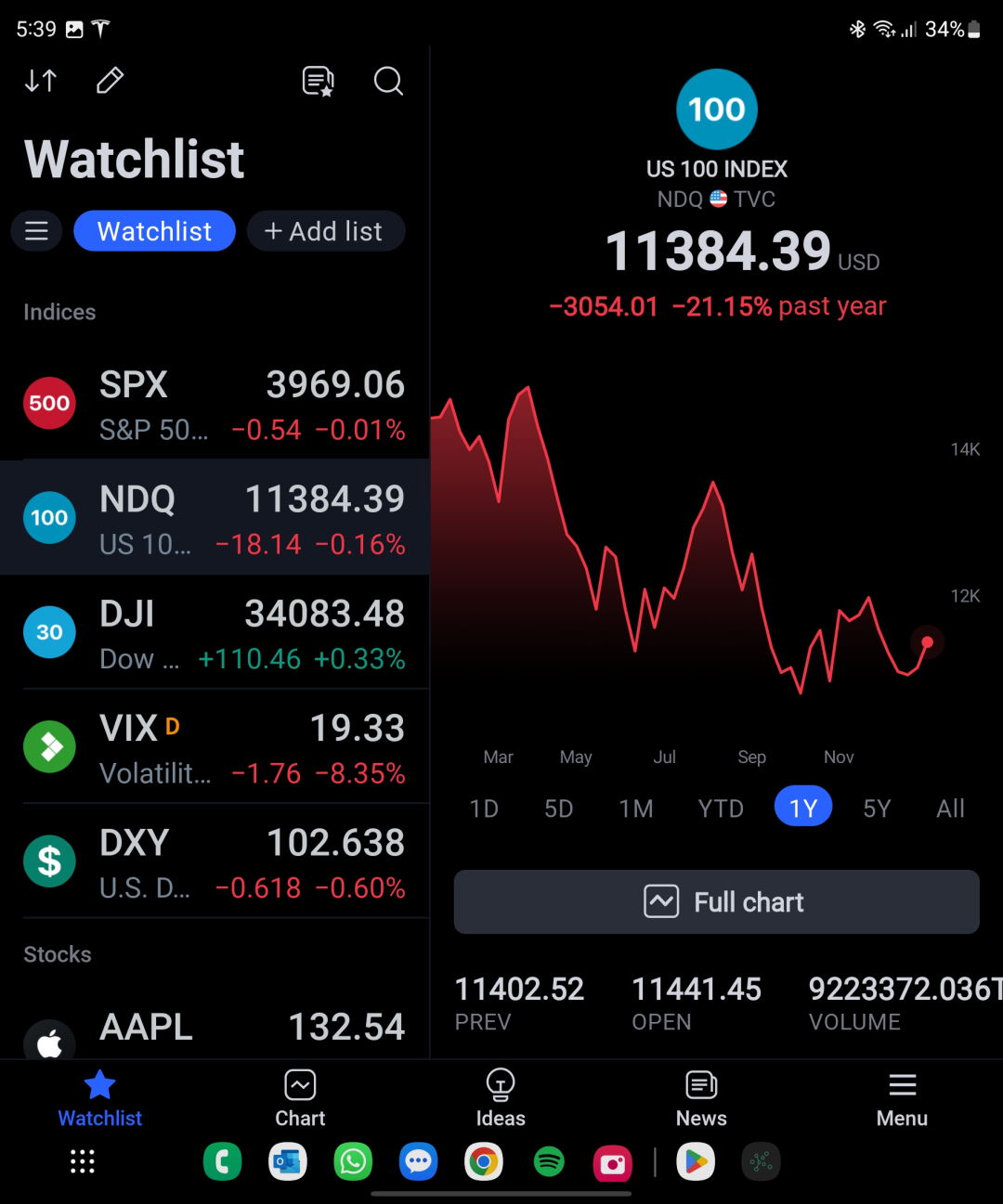
This guide aims to cut through the noise, providing a comprehensive framework to help you evaluate and select the stock app that aligns perfectly with your individual investment strategy. We will delve into the critical features, considerations, and types of apps available, all viewed through the lens of personal finance and wealth management.
Understanding Your Investment Needs: Who Are You As An Investor?
Before you even begin comparing features or commission structures, the most crucial step is to understand yourself as an investor. Your investment profile will dictate which app’s functionalities and services will best serve your financial objectives.
The Beginner Investor: Simplicity and Education First
If you’re new to the world of stocks, the sheer volume of information and rapid market movements can be intimidating. A beginner investor typically seeks an app that offers an intuitive, user-friendly interface, simplified trading processes, and, critically, robust educational resources. Look for apps that provide clear explanations of investment concepts, tutorials on how to execute trades, paper trading accounts to practice without risk, and perhaps even curated portfolios or fractional share investing to start small. The “best” app for you will be one that holds your hand through the initial learning curve, building your confidence and financial literacy.
The Active Trader: Speed, Tools, and Real-Time Data
Active traders, by contrast, are typically experienced investors who execute frequent trades, often on an intraday or swing basis. Their success hinges on access to real-time market data, advanced charting tools, technical indicators, rapid order execution, and a variety of order types (e.g., stop-loss, limit orders, trailing stops). For this group, latency can translate directly into lost opportunities or profits. The ideal app will offer a powerful, responsive platform designed for speed and precision, with sophisticated analytical capabilities to inform quick decisions. Low commissions, or even commission-free trading for active traders, are also paramount to preserving profit margins.
The Long-Term Investor: Research, Low Costs, and Diversification
Long-term investors prioritize wealth accumulation over an extended period, often years or decades. Their strategy typically involves fundamental analysis, buying and holding quality assets, and focusing on diversification rather than frequent trading. For them, an app that provides extensive fundamental research reports, analyst ratings, financial statements, and tools for portfolio diversification (e.g., access to ETFs, mutual funds, or even bonds) is invaluable. Low fees on holding assets (like expense ratios for ETFs/mutual funds) and minimal or no trading commissions are important, as frequent trading is not their primary concern. The “best” app will facilitate a disciplined, growth-oriented approach with minimal transactional friction.
Specialized Investors: Niche Markets and Advanced Strategies
Beyond the mainstream, some investors focus on niche markets (e.g., options, futures, cryptocurrencies, international stocks) or employ highly advanced strategies. These investors require apps that offer specialized access to these markets, advanced derivatives trading tools, margin accounts, and sophisticated analytics specific to their chosen instruments. Their “best” app will be one that caters to these specific, complex financial instruments and strategies, often with higher levels of customization and risk management features.
Key Features That Define a Superior Stock App
Once you’ve identified your investor profile, you can begin to evaluate apps based on a set of core features that contribute to a superior financial tool.
User Experience and Interface: Intuition Meets Efficiency
While not purely a “tech” concern in the sense of underlying code, the user experience (UX) and interface (UI) are paramount in a financial app. An intuitive, well-designed interface ensures that you can easily navigate the app, understand market data, and execute trades without confusion or error. For beginners, a clean layout with guided prompts is essential. For active traders, a customizable dashboard that allows quick access to critical tools and real-time data is invaluable. A smooth, responsive experience contributes directly to effective financial management and decision-making, minimizing frustration and potential costly mistakes.
Commission Structures and Fees: The Cost of Doing Business
The cost associated with trading and holding investments can significantly impact your overall returns. Most major brokerages now offer commission-free stock and ETF trading, but it’s crucial to read the fine print. Be aware of:
- Per-share fees: Some apps charge a small fee per share on certain transactions.
- Options contract fees: Options trading often incurs a per-contract fee.
- Mutual fund fees: Load funds have sales charges, while no-load funds might have expense ratios.
- Account maintenance fees: Some apps charge for inactivity or holding an account below a certain balance.
- Transfer fees: Moving assets between brokers can incur costs.
- Margin interest rates: If you plan to trade on margin, compare interest rates carefully.
The “best” app for your financial journey will have a transparent and competitive fee structure that aligns with your trading frequency and asset types.
Research Tools and Analytics: Empowering Informed Decisions
Informed investment decisions are the cornerstone of successful financial growth. A top-tier stock app provides a wealth of research tools:
- Real-time quotes and charting: Essential for tracking price movements and identifying trends.
- Fundamental data: Access to financial statements, company news, and analyst reports.
- Technical analysis tools: Indicators like moving averages, RSI, MACD for active traders.
- Screeners: Tools to filter stocks based on specific criteria (e.g., market cap, industry, P/E ratio).
- Watchlists and alerts: To monitor potential investments and notify you of price changes.
- Portfolio analysis: Tools to track your portfolio’s performance, diversification, and risk.
The depth and quality of these tools will vary, so choose an app whose offerings match your analytical needs.
Trading Capabilities and Order Types: Flexibility for Every Strategy
Beyond simply buying and selling, a comprehensive stock app offers a range of order types to execute your strategies precisely:
- Market orders: Buy/sell immediately at the current market price.
- Limit orders: Buy/sell at a specified price or better.
- Stop-loss orders: Limit potential losses by selling when a stock hits a certain price.
- Trailing stop orders: A dynamic stop-loss that adjusts with the stock price.
- Conditional orders: More complex orders that trigger based on specific market conditions.
- Fractional shares: Allows you to invest small amounts into expensive stocks.
Ensure the app supports the order types necessary for your investment strategies, from simple buy-and-hold to complex options strategies.
Educational Resources and Community Support: Growing Your Knowledge
For many, particularly beginners, an app’s educational content is as valuable as its trading features. Look for:
- Articles and tutorials: Explaining investment concepts, market dynamics, and app usage.
- Webinars and seminars: Live or recorded sessions with experts.
- Glossaries: Demystifying financial jargon.
- Practice accounts (paper trading): Risk-free environments to test strategies.
- Community forums: To connect with other investors and share insights (though always with caution).
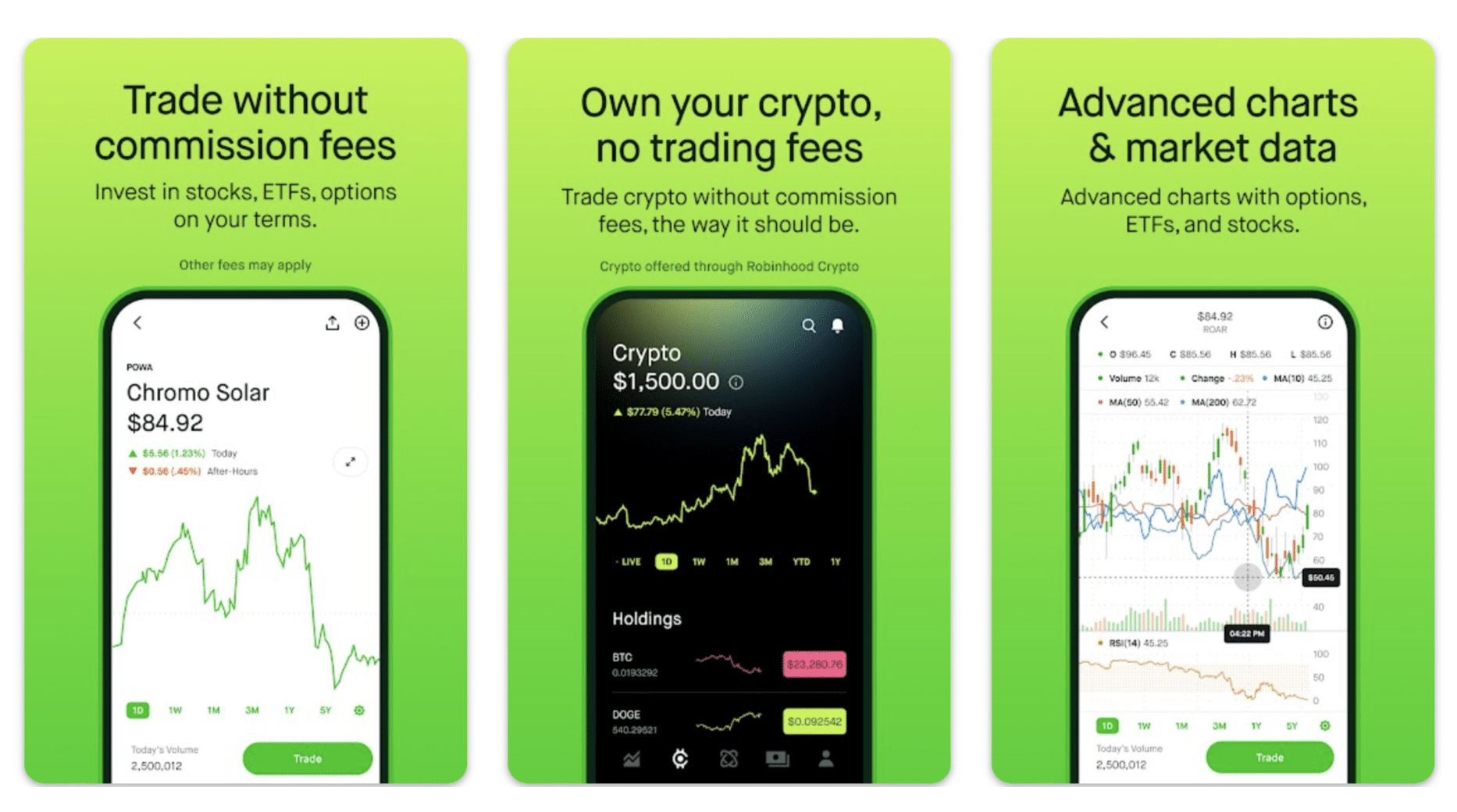
An app that invests in educating its users empowers them to make smarter financial decisions, fostering long-term success.
Security, Regulation, and Customer Support: Trusting Your Financial Partner
When dealing with your hard-earned money, trust and reliability are non-negotiable. The “best” stock app is one that prioritizes the security of your assets and personal information, operates under strict regulatory oversight, and provides dependable customer support.
Regulatory Compliance and Investor Protection: Safeguarding Your Assets
In the United States, reputable stock apps are typically regulated by the Securities and Exchange Commission (SEC) and are members of the Financial Industry Regulatory Authority (FINRA). Critically, your brokerage account should be protected by the Securities Investor Protection Corporation (SIPC), which insures your securities and cash in your brokerage account up to $500,000 (including $250,000 for cash). Always verify an app’s regulatory status and SIPC membership to ensure your investments are protected against the broker’s failure. Similar regulatory bodies exist in other countries (e.g., FCA in the UK, ASIC in Australia).
Data Security and Privacy: Protecting Your Personal Information
Beyond investment protection, safeguarding your personal and financial data is paramount. A secure stock app will employ robust cybersecurity measures, including:
- Two-Factor Authentication (2FA): An essential layer of security for logins.
- Encryption: Protecting your data during transmission and storage.
- Firewalls and intrusion detection systems: Preventing unauthorized access.
- Regular security audits: Ensuring vulnerabilities are identified and addressed.
Review the app’s privacy policy to understand how your data is collected, used, and protected.
Responsive Customer Support: When You Need Assistance
Even with the most intuitive app, questions or issues can arise. Accessible and responsive customer support is a critical feature for any financial tool. Look for apps that offer:
- Multiple contact channels: Phone, email, live chat.
- Extended hours: Especially if you trade outside standard market hours.
- Knowledgeable representatives: Who can provide clear and accurate assistance.
Prompt and effective support can be the difference between a minor inconvenience and a significant financial headache.
Top Contenders in the Stock App Landscape
While specific recommendations are beyond the scope of this general guide (as the “best” varies greatly and platforms evolve), we can categorize types of apps that cater to different financial needs, helping you focus your search.
Apps for Beginners: Accessibility and Learning
These apps prioritize ease of use, fractional shares, and educational content. They often feature simplified interfaces, curated investment options, and beginner-friendly guides. Their focus is on lowering the barrier to entry and demystifying investing.
Apps for Active Traders: Performance and Advanced Features
These platforms are built for speed, depth of data, and advanced analytical tools. They offer sophisticated charting, a wide array of technical indicators, various order types, and often direct market access. Low latency and high customizability are key selling points for this investor segment.
Apps for Long-Term Investors: Value and Portfolio Management
These apps excel in providing robust research tools for fundamental analysis, low-cost access to diversified instruments like ETFs and mutual funds, and portfolio tracking features. They support a buy-and-hold strategy with an emphasis on long-term growth rather than frequent trading.
Robo-Advisors with Stock Investing Options: Automated Growth
For those who prefer a hands-off approach, robo-advisors offer automated portfolio management based on your risk tolerance and financial goals. While they manage diversified portfolios (often including stocks and ETFs), some also offer options for direct stock investing alongside their automated services, blending convenience with control.
Making Your Final Decision: A Personalized Approach
Choosing the “best” stock app is a journey of self-discovery as much as it is a market evaluation.
Weighing Pros and Cons: A Holistic Evaluation
Create a checklist based on your investor profile and the key features discussed. Assign importance to each criterion and then compare different apps systematically. Consider:
- Your budget: Can you afford the fees, if any?
- Your time commitment: Do you want a hands-on or hands-off approach?
- Your risk tolerance: Does the app support strategies aligned with your comfort level?
- Your long-term financial goals: Does the app facilitate your path to wealth accumulation?
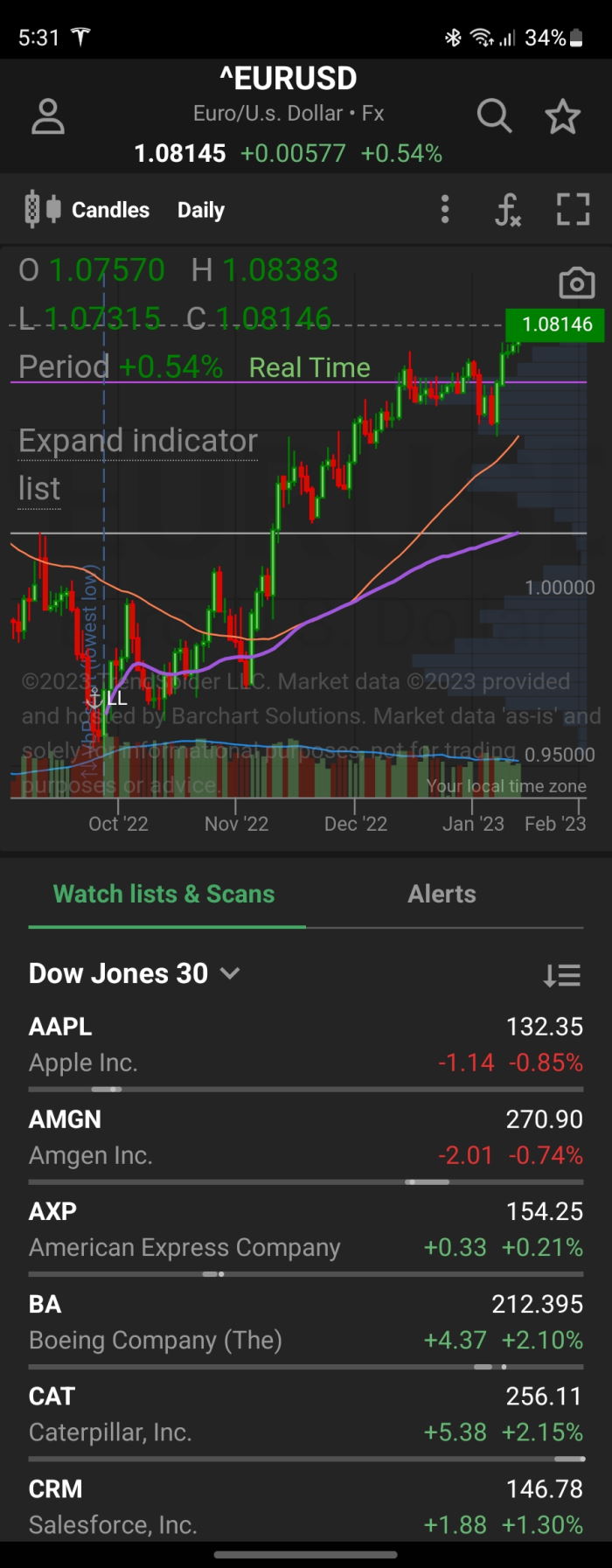
Starting Small and Scaling Up: Test-Driving Your Choice
Many apps offer demo accounts or allow you to start with very small investments. Consider test-driving a few options before fully committing. This allows you to experience the interface, practice trades, and assess the customer support without significant financial risk. As your knowledge and capital grow, you might find your needs evolve, potentially leading you to a more advanced platform or a specialized app.
In conclusion, the “best stock app” is not a fixed entity but rather a dynamic fit between a financial tool and an individual investor’s needs. By thoroughly understanding your investment style, prioritizing crucial features, verifying security and regulation, and carefully evaluating your options, you can confidently select the app that will empower your financial journey and help you achieve your wealth-building aspirations.
aViewFromTheCave is a participant in the Amazon Services LLC Associates Program, an affiliate advertising program designed to provide a means for sites to earn advertising fees by advertising and linking to Amazon.com. Amazon, the Amazon logo, AmazonSupply, and the AmazonSupply logo are trademarks of Amazon.com, Inc. or its affiliates. As an Amazon Associate we earn affiliate commissions from qualifying purchases.