
In the rapidly evolving digital landscape, the distinction between web and native applications has steadily blurred, thanks in large part to the advent of Progressive Web Apps (PWAs). A PWA isn’t a new technology in itself, but rather a development approach and a set of best practices that combine the broad reach of the web with the rich user experience of native mobile applications. Imagine an application that you can access instantly via a URL, save to your home screen without an app store, receive push notifications from, and even use offline. That’s the power of a PWA – delivering reliable, fast, and engaging experiences across any device and network condition, leveraging modern web capabilities to push the boundaries of what a website can do.
The Core Tenets of Progressive Web Apps
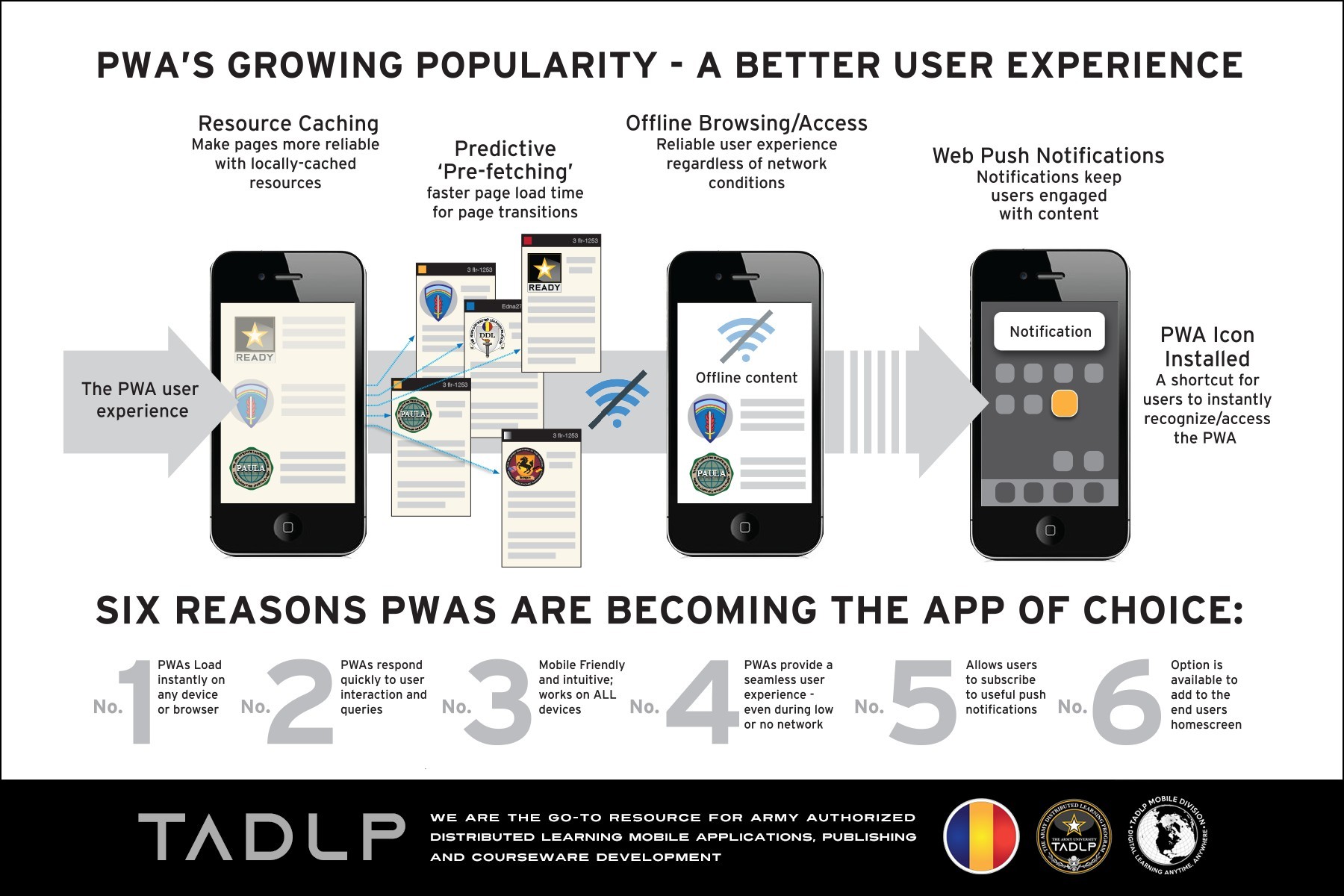
The essence of a Progressive Web App lies in a collection of characteristics that ensure a superior user experience. These principles are what differentiate PWAs from traditional websites and empower them to deliver app-like functionality.
Progressive Enhancement
PWAs are built with a “progressively enhanced” philosophy. This means they are designed to work for every user, regardless of their browser choice or network capabilities, offering a baseline experience to all and enhancing it for those with modern browsers and better connectivity. This universal accessibility is a fundamental advantage over native apps, which often require specific operating systems.
Responsiveness
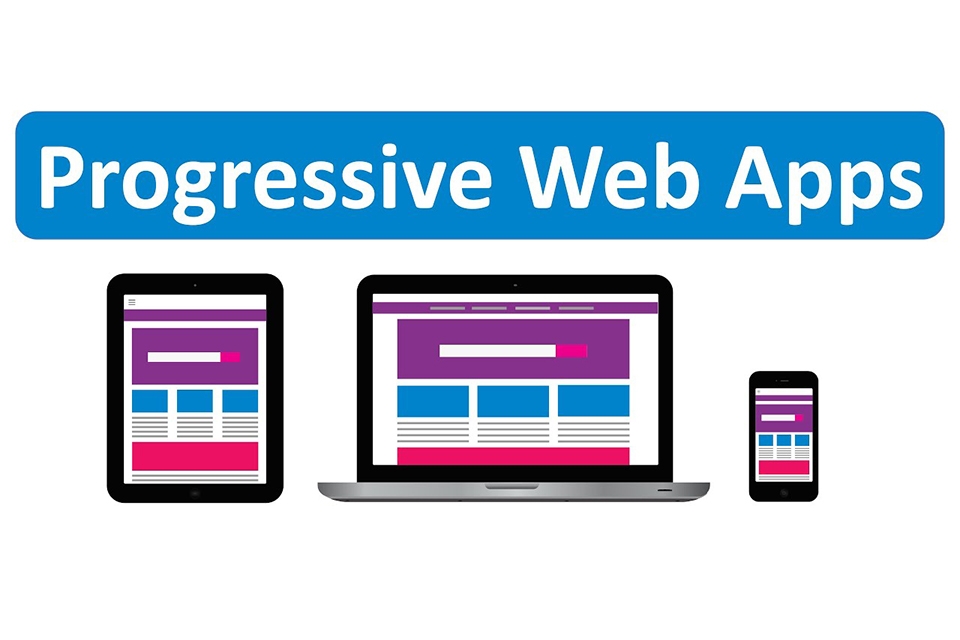
A truly progressive web app must be responsive by design, meaning its user interface fluidly adapts to fit any screen size, orientation, and device. Whether accessed on a desktop, tablet, or smartphone, the PWA should provide an optimal and intuitive layout, ensuring usability and a consistent experience across all platforms.
Connectivity Independence (Offline First)
One of the most compelling features of a PWA is its ability to function reliably even in the absence of a network connection or under poor network conditions. This “offline-first” approach is enabled by Service Workers, which cache critical resources. Users can still browse previously visited pages, access cached content, or even perform certain actions that will synchronize once connectivity is restored.
App-like Experience
PWAs are crafted to mimic the look and feel of a native application. They can feature custom splash screens upon loading, operate in a full-screen mode without browser UI elements (like address bars), and integrate seamlessly into the device’s operating system. This provides an immersive and focused user experience, reducing distractions often associated with traditional web browsing.
Re-engageable
Just like native apps, PWAs can keep users coming back. Through the implementation of Web Push Notifications, PWAs can send timely, relevant updates and messages directly to a user’s device, even when the browser is closed. This capability is crucial for driving engagement, reminding users of promotions, new content, or status updates.
Discoverability
Unlike native apps that rely on app store optimization, PWAs are inherently discoverable through search engines. They are just websites, after all, indexed and linkable, which significantly lowers their acquisition cost and broadens their reach. This allows for easy sharing via URLs, enhancing viral potential and organic growth.
Installability
Users can “install” a PWA to their device’s home screen with a single tap, bypassing app stores entirely. This feature, often presented as an “Add to Home Screen” prompt, places an icon directly on the user’s device, making the PWA easily accessible and indistinguishable from a native application shortcut.
Security
For a web app to qualify as progressive and enable advanced features like Service Workers, it must be served over HTTPS. This secure connection protects data integrity and user privacy, preventing snooping and ensuring that the app’s content hasn’t been tampered with. Security is foundational to building user trust and enabling powerful web functionalities.
The Technology Stack Behind PWAs
Developing a PWA leverages several modern web technologies that work in concert to deliver the app-like experience. These foundational components are key to understanding how PWAs function under the hood.
Service Workers
Service Workers are JavaScript files that run in the background, separate from the main browser thread. They act as a programmable network proxy, intercepting network requests from the PWA. This allows developers to control how network requests are handled, enabling powerful features like intelligent caching, offline capabilities, background synchronization, and push notifications. They are the backbone of a PWA’s reliability and performance.
Web App Manifest
The Web App Manifest is a simple JSON file that provides metadata about the PWA to the browser and operating system. It defines properties such as the app’s name, short name, start URL, icons (for the home screen), display mode (e.g., fullscreen, standalone), theme color, and background color for the splash screen. This manifest is crucial for enabling the “Add to Home Screen” feature and dictating how the PWA appears and behaves on the user’s device.
HTTPS
As previously mentioned, HTTPS is a non-negotiable requirement for PWAs. Service Workers, which enable most PWA features, can only be registered and run on pages served over a secure connection. This ensures that the Service Worker script hasn’t been tampered with in transit, protecting users from malicious injections and maintaining a secure environment for sensitive operations like push notifications.
Application Shell Architecture
While not a strict requirement, many high-performing PWAs adopt an “Application Shell” architecture. This involves caching the minimal UI (the “shell”) that’s required to power the user interface, separately from the dynamic content. When a user accesses the PWA, the shell loads instantly from the cache, providing immediate visual feedback, while the dynamic content is fetched in the background. This creates a perception of speed and responsiveness, significantly enhancing the user experience.
Why PWAs Matter: Advantages for Businesses and Users
The adoption of Progressive Web Apps offers significant advantages for both the organizations developing them and the end-users interacting with them.
For Businesses:
- Increased Reach & Lower Acquisition Costs: PWAs are discoverable via search engines, meaning they benefit from SEO. They don’t require app store approvals or revenue sharing, simplifying distribution. A single codebase serves multiple platforms (web, Android, iOS), reducing development and maintenance costs compared to building separate native apps.
- Improved User Engagement: Faster loading times, offline access, and push notifications contribute to a more engaging and sticky user experience, leading to higher retention rates and repeat visits.
- Cost-Effectiveness: Developing one PWA is often significantly less expensive than developing and maintaining separate native apps for iOS and Android, plus a traditional website. This streamlines resources and accelerates time-to- market.
- Better Performance & Conversions: The speed and reliability of PWAs often lead to improved performance metrics. Faster page loads and a smoother user journey are directly correlated with lower bounce rates and higher conversion rates, positively impacting business goals.
For Users:
- Seamless Experience: Users enjoy a fast, reliable, and engaging experience that feels like a native app without the typical browser overhead.
- No Installation Hassle: The “Add to Home Screen” feature eliminates the need to visit an app store, download large files, or go through a cumbersome installation process. PWAs are instantly accessible.
- Less Storage Space: PWAs typically consume significantly less storage space on a device compared to their native counterparts, a critical advantage for users with limited storage capacity.
- Offline Access: The ability to use core functionality and access cached content offline is a major convenience, especially in areas with unreliable internet connectivity.
- Always Up-to-Date: Since PWAs are essentially websites, updates are pushed directly and automatically. Users always have the latest version without manual updates, unlike native apps.
Distinguishing PWAs from Native Apps and Traditional Web Apps
Understanding where PWAs fit in the digital ecosystem requires a clear distinction from their predecessors: native applications and traditional web applications.
PWA vs. Native App
Native apps are developed specifically for a particular operating system (e.g., iOS or Android) using platform-specific languages (e.g., Swift/Objective-C for iOS, Java/Kotlin for Android) and tools. They offer deep integration with device hardware (camera, GPS, contacts) and system features, often delivering peak performance. However, they are expensive to develop and maintain for multiple platforms, require app store distribution, and can have a higher barrier to entry for users (download, install, updates).
PWAs, on the other hand, are web-based. While they can access some device capabilities (like camera or geolocation via web APIs), their hardware access is generally more limited than native apps. Their primary strength lies in their universal accessibility, lower development cost, simplified distribution, and the low friction experience they offer to users, effectively combining the best aspects of both web and native. They offer an “app-like” experience through the browser, whereas native apps are the app.
PWA vs. Traditional Web App
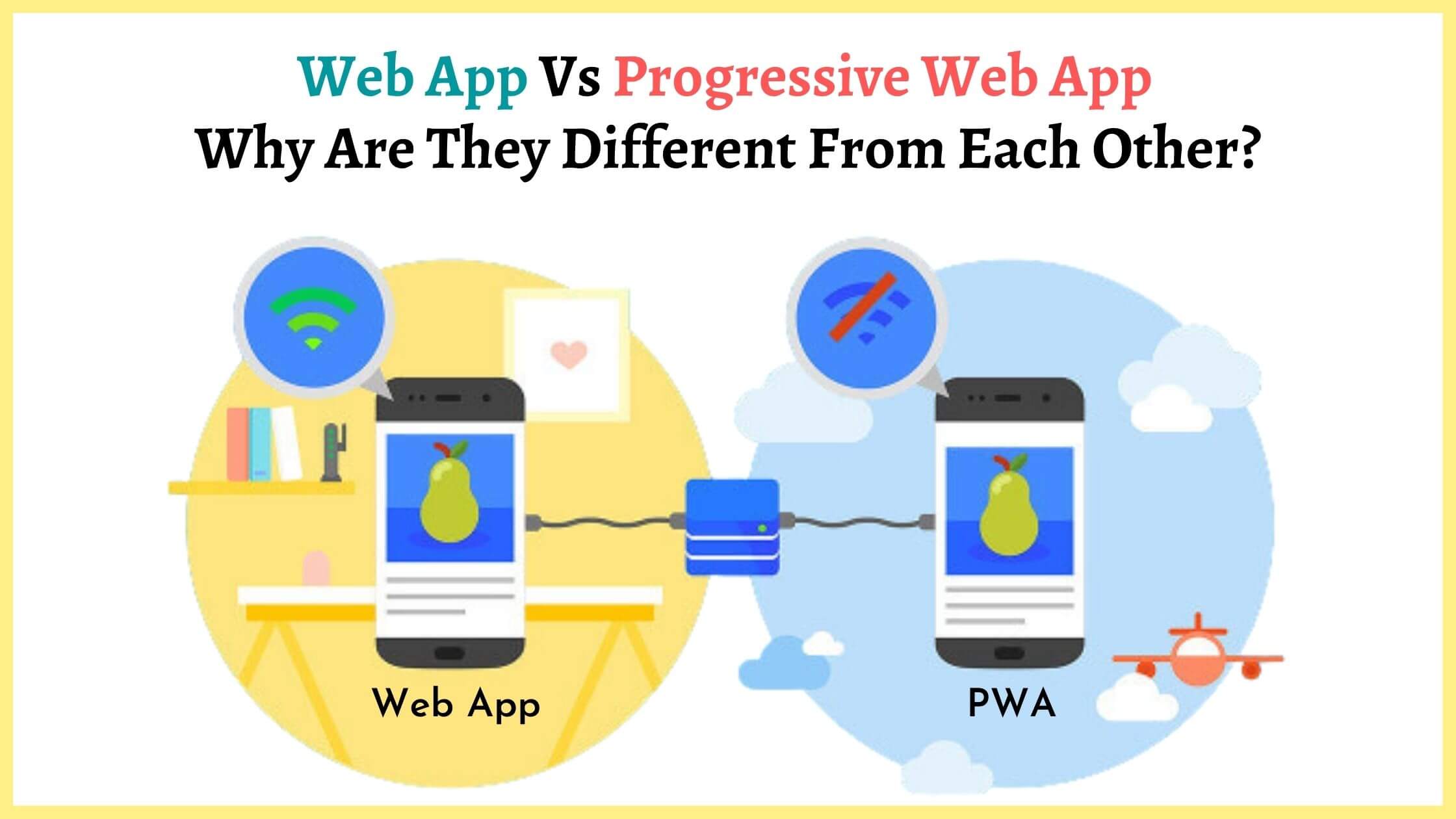
A traditional web app (or website) is accessed via a browser, typically relying on a persistent internet connection and lacking many of the immersive features users expect from an application. They don’t offer offline capabilities, push notifications, or the ability to be added to the home screen with an app icon.
PWAs evolve traditional web apps by incorporating modern web APIs and a strategic development approach. They bridge the gap by adding crucial app-like features: offline functionality via Service Workers, re-engageability through push notifications, and installability via the Web App Manifest. This transforms a mere website into a robust, engaging, and reliable application experience.
The Future of Web Development: PWA Adoption and Outlook
The trajectory of Progressive Web Apps points towards a future where the lines between web and native continue to blur, making the web an increasingly powerful platform for application delivery.
Growing Industry Adoption
Major players across various industries have successfully deployed PWAs, validating their efficacy. Companies like Twitter (Twitter Lite), Starbucks, Pinterest, Flipkart, and Forbes have reported significant improvements in engagement, conversion rates, and reduced bounce rates after launching their PWAs. These case studies demonstrate that PWAs are not just a theoretical concept but a practical solution driving real business value.
Browser Support
PWA features are widely supported across modern browsers. Google Chrome and Android provide comprehensive support, enabling the full suite of PWA capabilities. Apple’s Safari on iOS has steadily increased its support for PWA features, including “Add to Home Screen,” Service Workers, and Web Push Notifications (though with some lingering differences compared to Android). This broad browser compatibility ensures that PWAs can reach a vast global audience.
Evolving Capabilities
The web platform is continuously evolving, with new Web APIs being developed to empower PWAs with even more native-like capabilities. Initiatives like Project Fugu by Google aim to close the capability gap between web and native apps by bringing more hardware and OS features to the web. This includes APIs for file system access, deeper integration with OS sharing mechanisms, Web Bluetooth, and more. As these capabilities mature, PWAs will become even more compelling alternatives to native applications.
A Strategic Choice
For many businesses, a PWA represents a strategic middle ground between a full native app and a traditional website. It’s an ideal choice for organizations looking to deliver a high-performance, engaging, and cost-effective solution without the friction of app stores or the high development overhead of multiple native platforms. The decision to build a PWA often comes down to balancing user experience, development budget, reach, and specific feature requirements.
Conclusion
Progressive Web Apps represent a paradigm shift in how we conceive and build web experiences. By embracing principles of reliability, speed, and engagement, and leveraging modern web technologies like Service Workers and Web App Manifests, PWAs empower developers to create applications that are universally accessible, instantly available, and deliver an immersive, app-like experience. For businesses, they offer a powerful pathway to increased reach, lower costs, and higher conversion rates. For users, they provide a seamless, performant, and reliable way to interact with digital services. As web capabilities continue to expand and browser support becomes even more robust, Progressive Web Apps are poised to play an increasingly central role in the future of application development, effectively blurring the lines between the web and native in the most beneficial ways.
aViewFromTheCave is a participant in the Amazon Services LLC Associates Program, an affiliate advertising program designed to provide a means for sites to earn advertising fees by advertising and linking to Amazon.com. Amazon, the Amazon logo, AmazonSupply, and the AmazonSupply logo are trademarks of Amazon.com, Inc. or its affiliates. As an Amazon Associate we earn affiliate commissions from qualifying purchases.