
In the complex and often tumultuous world of politics, ideologies and movements function much like commercial brands. They strive to carve out a distinct identity, communicate a set of core values, attract a loyal following, and differentiate themselves from competitors. The term “Progressive Democrat” is more than just a political label; it represents a powerful and evolving brand identity within the broader Democratic Party and the American political landscape. To understand “what is a progressive democrat” from a branding perspective is to analyze its core messaging, its target audience, its unique selling propositions, and how it seeks to resonate with voters and shape public discourse. It’s about dissecting the narrative, the visual and rhetorical strategies, and the overall perception that this particular political brand projects.
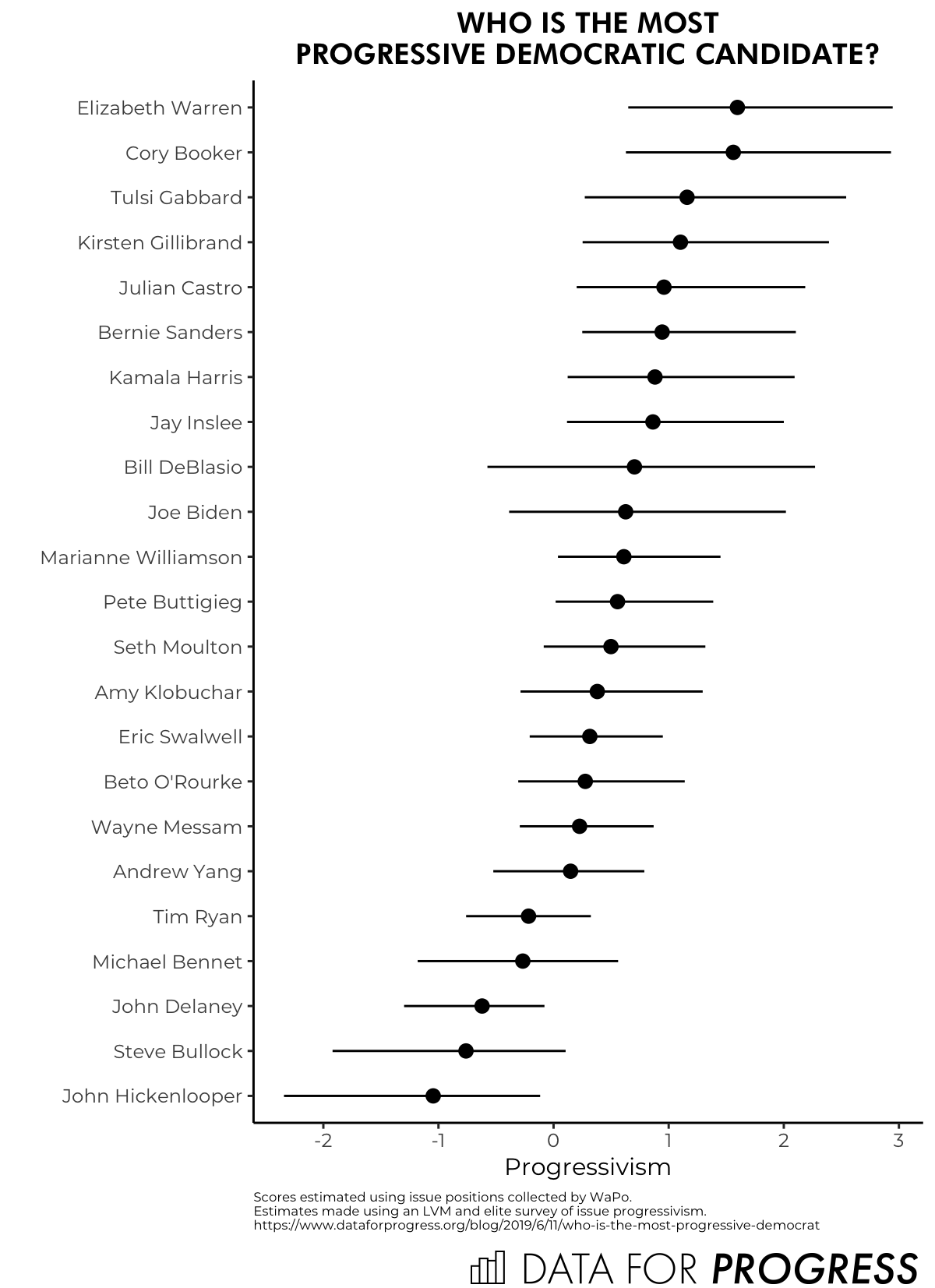
Political brands, much like corporate brands, are built on a foundation of principles and an emotional connection with their constituents. They aim to inspire trust, loyalty, and action. For the progressive democrat brand, this involves articulating a clear vision for society, addressing perceived injustices, and offering solutions that often push the boundaries of established norms. This article will delve into the branding elements that define a progressive democrat, exploring its identity, positioning, communication strategies, and the ongoing evolution of its public perception.
The Core Identity of the Progressive Democratic Brand
Every successful brand, political or commercial, possesses a clear and compelling core identity. This identity is the bedrock upon which all subsequent branding efforts are built, encompassing its fundamental beliefs, its raison d’être, and the distinct promise it makes to its audience. For the progressive democrat brand, this identity is deeply rooted in a specific worldview and a commitment to systemic change.
Defining Core Values and Ideals
The progressive democrat brand is fundamentally defined by a set of core values that emphasize social justice, economic equality, environmental stewardship, and democratic reform. These aren’t just policy preferences; they are foundational ethical commitments that shape every aspect of the brand’s message. Social justice, for instance, is expressed through policies aimed at dismantling systemic discrimination, ensuring civil rights, and advocating for marginalized communities. Economic equality is championed through calls for wealth redistribution, higher taxes on corporations and the wealthy, robust social safety nets, and increased worker protections. Environmental stewardship translates into aggressive climate action, investment in renewable energy, and conservation efforts. Democratic reform often involves advocating for voting rights expansion, campaign finance reform, and checks on corporate power. These values are not static but are constantly being reinterpreted and applied to contemporary issues, ensuring the brand remains relevant and responsive. The consistency in these underlying principles, even as their manifestations change, is a crucial element of the progressive brand’s enduring identity.
Target Audience and Brand Appeal
Understanding a brand’s target audience is paramount to its success. The progressive democrat brand primarily appeals to a demographic that feels disenfranchised by existing systems, is concerned about growing inequality, or is deeply invested in addressing climate change and social inequities. This often includes younger voters, urban populations, minority groups, highly educated professionals, and individuals who prioritize collective well-being over unfettered individualism. The brand’s appeal is rooted in its promise of a more equitable and just society, offering a narrative of hope and empowerment to those who feel overlooked or underserved. It speaks to an audience that values empathy, solidarity, and a government that actively intervenes to correct market failures and societal imbalances. The emotional connection cultivated with this target audience is crucial; the brand aims to foster a sense of shared purpose and collective action, positioning itself as a champion for the common good. This targeted appeal allows the progressive brand to focus its messaging and resources, creating a strong echo chamber among its core supporters.
The Narrative: Crafting a Coherent Story
A strong brand identity is always accompanied by a compelling narrative. The progressive democrat brand’s narrative is typically one of struggle against powerful vested interests, a call for systemic change, and a vision of a more inclusive and sustainable future. It often frames current societal problems not as individual failings but as the result of structural inequalities and corporate influence. The story is one where “we the people” can collectively overcome these challenges by advocating for progressive policies and electing leaders who share their vision. This narrative provides context, meaning, and emotional resonance to the brand’s core values. It often employs evocative language, drawing on themes of fairness, courage, and collective responsibility. By consistently telling this story, the progressive brand not only educates its audience about its positions but also inspires them to become active participants in its mission, transforming passive consumers of information into engaged advocates. This coherent narrative serves as a unifying force, helping diverse groups within the progressive movement to rally around a shared vision and purpose.
Brand Positioning and Differentiation in the Political Landscape
In a crowded marketplace of ideas, effective brand positioning is critical. It involves clearly defining what a brand stands for and how it distinguishes itself from competitors. For the progressive democrat brand, this means carving out a distinct space within the broader Democratic Party and contrasting itself with other political ideologies.
Unique Selling Propositions (USPs)
The progressive democrat brand boasts several unique selling propositions (USPs) that set it apart. These USPs are not merely policy points but distinct philosophical stances that resonate with its target audience. One primary USP is its unwavering commitment to systemic, rather than incremental, change. While other political brands might advocate for gradual reforms, the progressive brand often calls for bold, transformative shifts in areas like healthcare (e.g., Medicare for All), economic policy (e.g., wealth tax, universal basic income), and climate action (e.g., Green New Deal). Another key USP is its emphasis on collective responsibility and government intervention as primary mechanisms for solving societal problems, contrasting with more individualistic or free-market-oriented approaches. Furthermore, the progressive brand frequently positions itself as the authentic voice of the working class and marginalized communities, claiming to prioritize their interests above corporate profits or political expediency. These USPs provide clear points of differentiation, allowing the brand to attract voters who feel that mainstream political solutions are insufficient or too compromised.
Differentiating from Mainstream Democratic Branding
A significant aspect of the progressive democrat brand’s positioning strategy is its differentiation from the more centrist or mainstream Democratic Party brand. While both share some common ground, the progressive brand often critiques the perceived moderation, corporate influence, or perceived lack of urgency within the Democratic establishment. It positions itself as the conscience of the party, pushing for more ambitious agendas and challenging the status quo from within. This internal differentiation allows the progressive brand to appeal to voters who may be disaffected with traditional Democratic leadership but are not willing to abandon the party entirely. The language used often highlights this distinction, referring to “corporate Democrats” or “establishment politics” to draw a clear line. This strategy can be a double-edged sword, sometimes leading to internal friction, but it is essential for the progressive brand to maintain its distinct identity and prevent dilution within the broader party. By consistently presenting a bolder, more principled alternative, the progressive brand strengthens its appeal to its core constituency.
Competitor Analysis: Other Political Brands
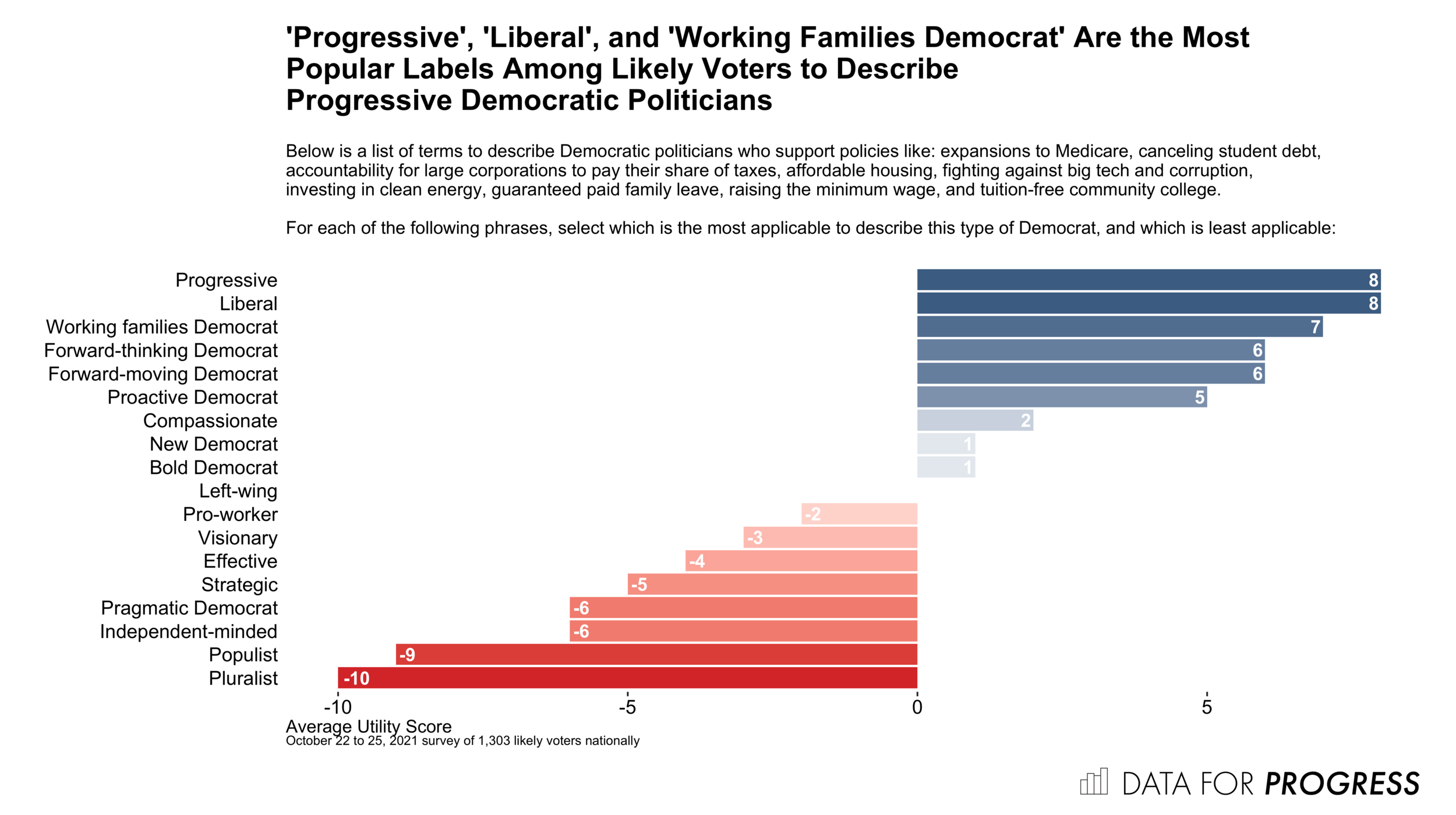
In a broader sense, the progressive democrat brand competes not just with other factions within its party but with the entire spectrum of political brands, including moderate Democrats, libertarians, and various shades of Republicanism. From a branding perspective, this involves understanding the narratives and appeals of these competing brands. Conservative brands, for example, often emphasize individual liberty, limited government, and traditional values. The progressive brand counters this by highlighting the potential for collective action to enhance true freedom and by advocating for a more inclusive definition of national identity. By understanding what other political brands offer, the progressive brand can refine its own messaging, address potential criticisms, and highlight its unique strengths. This continuous process of competitive analysis helps the progressive brand remain agile, responsive, and effective in communicating its value proposition to a diverse electorate. It’s about demonstrating why its vision for society is superior or more relevant than alternatives.
Marketing and Communication Strategies
Even the most compelling political brand identity requires effective marketing and communication strategies to reach its audience and translate its values into tangible support. The progressive democrat brand employs a range of tactics, from grassroots organizing to sophisticated digital campaigns, to spread its message and mobilize its base.
Digital Outreach and Social Media Engagement
In the 21st century, digital platforms are indispensable for political branding. The progressive democrat brand excels in digital outreach and social media engagement, leveraging platforms like Twitter, Facebook, Instagram, and TikTok to disseminate its message, organize supporters, and engage in real-time discourse. Social media allows for direct communication, bypassing traditional media gatekeepers, and enabling the brand to control its narrative more effectively. Progressive figures and organizations often use these platforms to articulate policy positions, critique opponents, share personal stories, and mobilize for protests or electoral campaigns. The emphasis is on creating shareable content, fostering online communities, and empowering individual supporters to become brand ambassadors. Hashtag campaigns, viral videos, and online petitions are common tools used to amplify the brand’s voice and reach a broader audience, particularly younger demographics who are heavy users of these platforms. This digital agility is a hallmark of the progressive brand’s communication strategy.
Grassroots Movement as Brand Advocacy
Beyond digital engagement, the progressive democrat brand places a strong emphasis on grassroots organizing and community-level activism. This bottom-up approach is a powerful form of brand advocacy, where individual supporters become the living embodiment of the brand’s values. Local chapters, community groups, and volunteer networks serve as crucial touchpoints for the brand, allowing it to build deep connections with its audience. Canvassing, phone banking, community meetings, and local protests are all mechanisms through which the progressive brand builds loyalty and mobilizes action. This direct, interpersonal engagement fosters a sense of collective ownership and personal investment in the brand’s mission. It transforms abstract political ideas into concrete actions and builds a resilient network of advocates who are willing to volunteer their time and resources. This grassroots foundation is often seen as a key differentiator, signaling authenticity and a genuine commitment to people-powered change, further reinforcing the brand’s image as “for the people.”
Messaging and Public Relations Challenges
While the progressive democrat brand has clear strengths in its communication, it also faces significant public relations challenges. Its bold policy proposals are often subject to intense scrutiny and mischaracterization by opposing political brands and segments of the media. Terms like “socialism” or “radical” are frequently weaponized to create negative brand associations. The brand must constantly work to clarify its positions, counter misinformation, and articulate the practical benefits of its proposals in a way that resonates beyond its core base. This requires sophisticated messaging strategies, including the use of relatable language, compelling personal stories, and clear, concise explanations of complex policies. Moreover, managing internal disagreements and ensuring a consistent message across diverse progressive voices can be a challenge. Effective public relations for the progressive brand involves not just promoting its ideals but also actively defending against attacks and reframing the narrative in its favor, demonstrating resilience and adaptability in the face of criticism.
Brand Evolution, Perception, and Future Directions
Like any dynamic brand, the progressive democrat identity is not static. It undergoes continuous evolution in response to changing social, economic, and political landscapes. Understanding its current perception and potential future trajectories is vital for assessing its long-term impact and relevance.
Adapting to Changing Political Climates
The progressive democrat brand demonstrates a remarkable capacity for adaptation. While its core values remain constant, the specific issues it champions and the strategies it employs evolve with the political climate. For instance, while economic inequality has always been a concern, the specific focus might shift from tax rates to student loan debt to gig economy worker rights depending on the prevailing challenges. The brand must be agile enough to address emerging crises, such as pandemics or new forms of discrimination, while staying true to its foundational principles. This adaptability ensures that the brand remains relevant and continues to speak to the contemporary concerns of its target audience. It means being proactive in identifying new policy frontiers and articulating progressive solutions, rather than clinging rigidly to outdated approaches. This ongoing evolution is critical for maintaining the brand’s vitality and ensuring its continued influence.
Managing Brand Perception and Misconceptions
One of the greatest challenges for the progressive democrat brand is managing its public perception, especially given the often polarized media environment. Misconceptions are common, ranging from accusations of being impractical or fiscally irresponsible to being out of touch with mainstream American values. The brand must actively work to dispel these myths by presenting data-driven arguments, highlighting successful progressive policies at local levels, and showcasing the broad appeal of its underlying values. This involves strategic communication that aims to bridge divides and speak to common aspirations, rather than merely preaching to the choir. It also requires an understanding that perception is not always reality, and proactive measures must be taken to shape public opinion through clear, consistent, and persuasive messaging. Reframing debates and emphasizing the tangible benefits of progressive policies for all Americans are key to overcoming negative perceptions.

The Future Trajectory of the Progressive Brand
The future trajectory of the progressive democrat brand appears to be one of continued growth and influence. As societal challenges related to climate change, economic inequality, and social justice persist, the brand’s core values resonate with an increasing segment of the population. The ability of the brand to integrate new issues and attract diverse constituencies will be critical. It may also face the challenge of balancing its internal purity tests with the need to build broader coalitions for electoral success. The continued emphasis on grassroots organizing, digital innovation, and a clear, morally-driven narrative will likely remain central to its strategy. As younger generations become more politically active, the progressive brand, with its emphasis on systemic change and a more equitable future, is well-positioned to cement its role as a significant and enduring force in American politics, continually shaping the discourse and pushing the boundaries of what is politically possible.
In conclusion, “what is a progressive democrat” is best understood not just as a set of policies or a political faction, but as a robust and evolving brand identity. It is a political brand built on core values of justice, equality, and environmental responsibility, targeting a specific audience with a powerful narrative of systemic change. Its positioning distinguishes it from both centrist Democrats and conservative rivals, leveraging unique selling propositions rooted in bold solutions and a commitment to the marginalized. Through sophisticated digital outreach and enduring grassroots advocacy, the progressive democrat brand strives to communicate its vision, even as it navigates challenges in public perception and continuously adapts to a changing world. Analyzing it through the lens of branding provides invaluable insight into its appeal, its strategies, and its lasting impact on the political landscape.
aViewFromTheCave is a participant in the Amazon Services LLC Associates Program, an affiliate advertising program designed to provide a means for sites to earn advertising fees by advertising and linking to Amazon.com. Amazon, the Amazon logo, AmazonSupply, and the AmazonSupply logo are trademarks of Amazon.com, Inc. or its affiliates. As an Amazon Associate we earn affiliate commissions from qualifying purchases.