
Car insurance is a non-negotiable expense for most drivers, a financial safety net required by law in nearly every state. Yet, for many, it remains an opaque and often frustrating line item in their budget. The quest to find “the cheapest” car insurance isn’t just about cutting costs; it’s about optimizing a critical personal finance outlay without compromising essential protection. The reality is that there isn’t one universal answer to which car insurance is cheapest, as premiums are highly individualized, fluctuating based on a myriad of personal, vehicular, and geographical factors.
This comprehensive guide delves into the intricate world of car insurance pricing, equipping you with the knowledge and strategies to decode rates, identify the most affordable options tailored to your specific circumstances, and ultimately make informed decisions that safeguard your financial well-being on the road. We’ll explore the levers that influence your premiums, unveil actionable steps to significantly reduce your costs, and critically examine the balance between finding the lowest price and securing adequate coverage. For anyone looking to take control of their car insurance spending, understanding these dynamics is paramount to achieving significant, sustainable savings.
Understanding Car Insurance Pricing: The Factors at Play
Before embarking on the hunt for the cheapest car insurance, it’s crucial to understand the complex algorithm insurers use to calculate your premiums. This isn’t a one-size-fits-all calculation; rather, it’s a sophisticated risk assessment based on countless data points. Each factor contributes to the likelihood of you filing a claim and the potential cost of that claim, directly influencing the price you pay.
Personal Demographics and Driving History
Your personal profile is arguably the most significant determinant of your insurance rates. Insurers are highly interested in your past behavior and demographic markers, which statistically correlate with risk.
- Age and Gender: Young, inexperienced drivers (typically under 25) face the highest premiums due to higher statistical accident rates. Rates tend to decrease with age, plateauing in middle age before potentially increasing again for very senior drivers. While less impactful than age, gender can also play a minor role in some state calculations.
- Marital Status: Married individuals often receive lower rates than single drivers, as they are statistically perceived as more stable and less prone to risky driving behaviors.
- Location (Zip Code): Where you live and park your car profoundly impacts your rates. Urban areas with higher traffic density, crime rates (theft, vandalism), and accident statistics generally lead to higher premiums than rural or suburban areas. Even within the same city, different zip codes can have vastly different rates.
- Driving Record: This is a paramount factor. Accidents (especially at-fault), speeding tickets, DUIs, and other moving violations signal higher risk to insurers, leading to substantial premium increases. A clean driving record is your best friend when seeking lower rates.
- Credit Score (in most states): Many insurers use a credit-based insurance score (which differs from a standard credit score but is derived from similar data) to predict the likelihood of future claims. Individuals with higher credit scores often pay less for insurance, as they are statistically less likely to file claims. Improving your credit score can, therefore, indirectly lower your insurance costs.
Vehicle Details and Usage
The car you drive and how you use it also play a pivotal role in premium calculations.
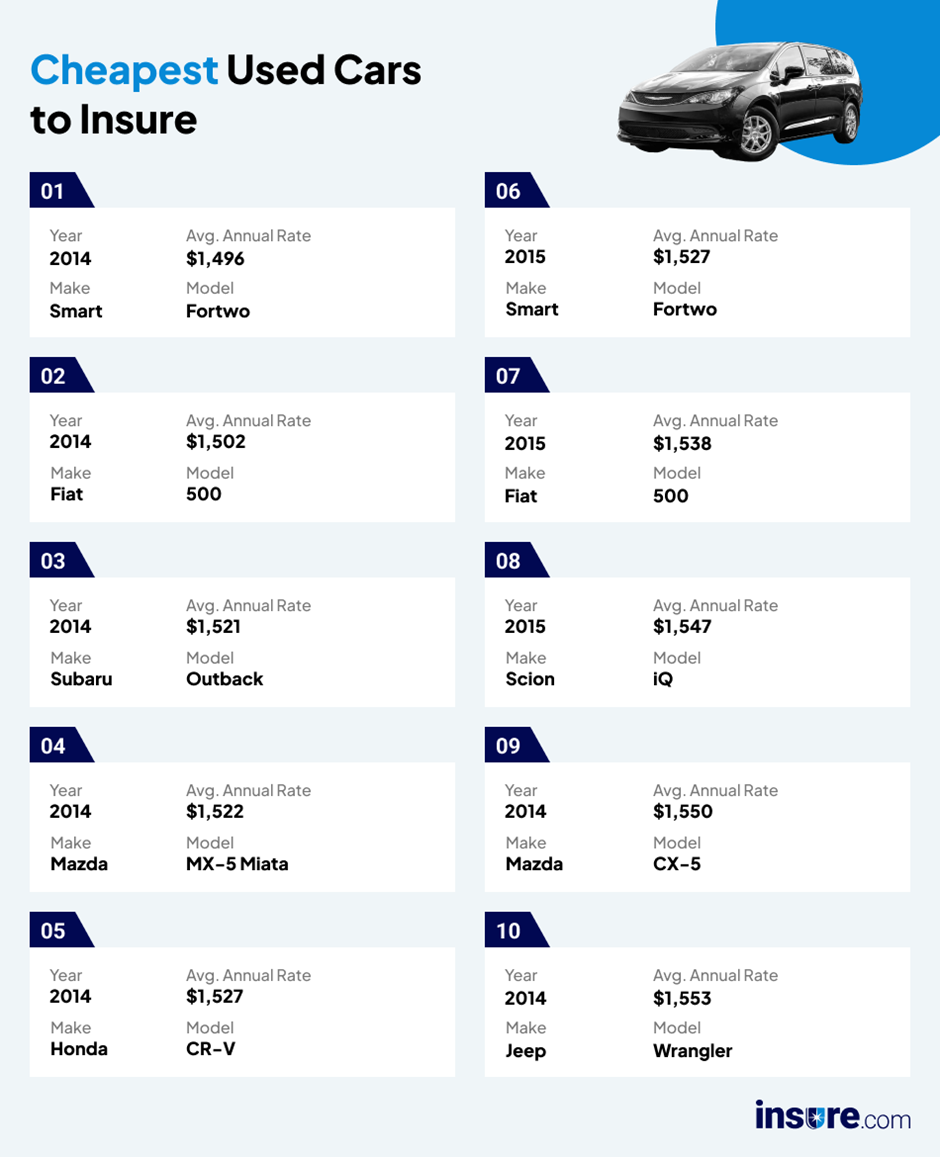
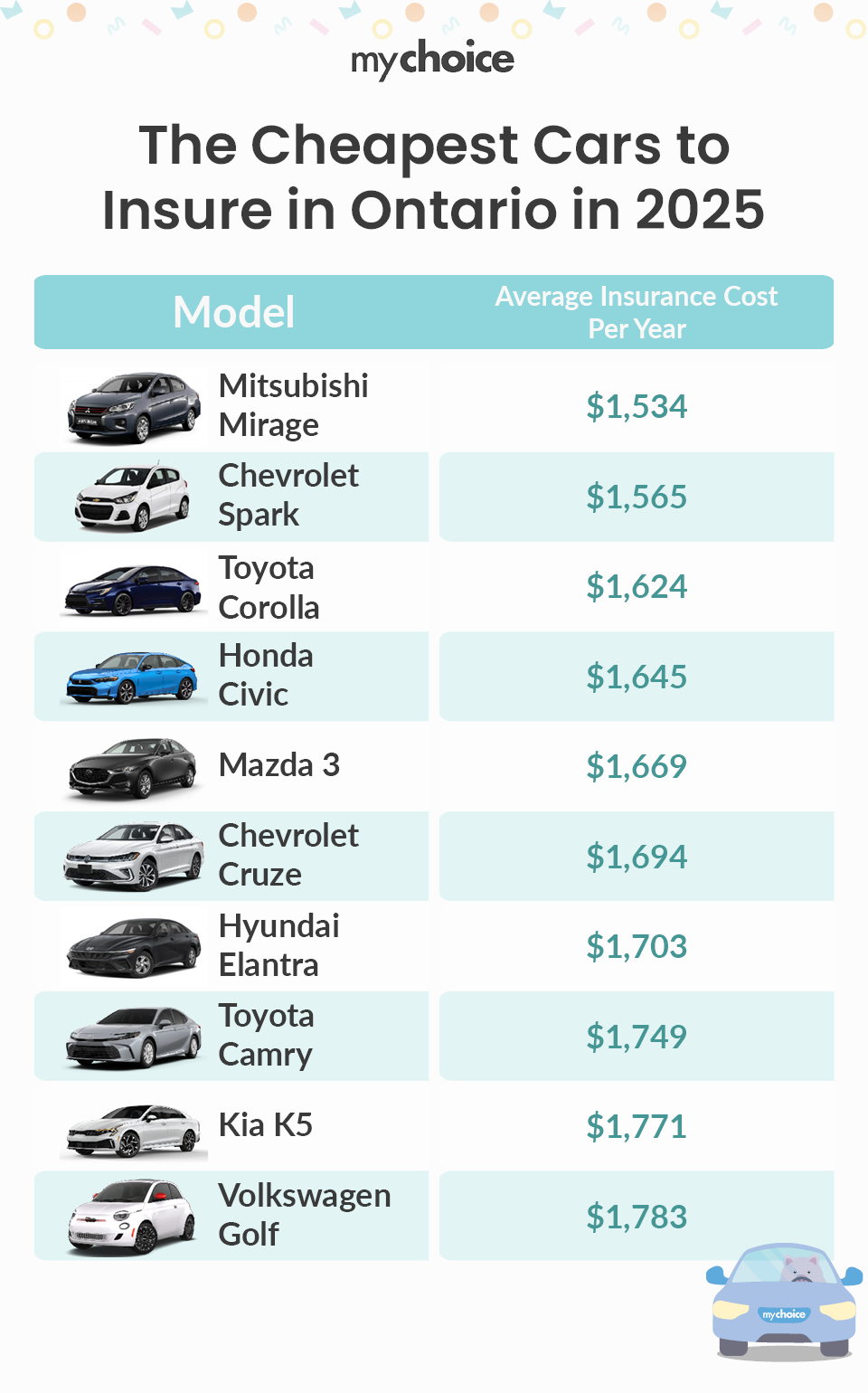
- Make, Model, and Year: Certain vehicles are inherently more expensive to insure. Sports cars and luxury vehicles, for instance, tend to have higher premiums due to their higher repair costs, increased likelihood of theft, and the propensity for their drivers to take more risks. Conversely, older, more modest vehicles with readily available parts may be cheaper to insure.
- Safety Features: Cars equipped with advanced safety features like anti-lock brakes, airbags, adaptive cruise control, lane-keeping assist, and automatic emergency braking can qualify for discounts, as they reduce the likelihood or severity of accidents.
- Theft Rates: Vehicles that are popular targets for theft or vandalism will likely have higher comprehensive coverage premiums. Insurers track these statistics diligently.
- Annual Mileage: The more you drive, the higher your risk of being involved in an accident. Insurers often ask for your estimated annual mileage, and lower mileage can sometimes lead to lower rates, especially through “low-mileage” or “pay-per-mile” programs.
Coverage Choices and Deductibles
The types and limits of coverage you select, along with your chosen deductible, are direct levers you can pull to adjust your premiums.
- Liability Limits: This mandatory coverage protects you if you’re at fault in an accident, paying for damages and injuries to others. Higher liability limits offer greater protection but come with higher premiums.
- Collision and Comprehensive Coverage: Collision pays for damage to your car in an accident, regardless of fault. Comprehensive covers non-collision events like theft, vandalism, fire, or natural disasters. These are optional but often required by lenders if you have a car loan. Dropping them on older, less valuable cars can significantly reduce premiums.
- Deductibles: This is the amount you pay out-of-pocket before your insurance kicks in for collision and comprehensive claims. Choosing a higher deductible (e.g., $1,000 instead of $500) will lower your premium, but means you bear more initial risk.
- Additional Coverages: Options like uninsured/underinsured motorist, medical payments, personal injury protection (PIP), roadside assistance, and rental car reimbursement all add to your premium.
Insurer-Specific Algorithms
It’s important to note that while all insurers consider these factors, they don’t weigh them equally. Each company has its own proprietary algorithm and risk assessment models, which is why quotes for the exact same coverage can vary wildly between providers. This unique approach underscores the importance of shopping around.
Strategies to Significantly Lower Your Premiums
Understanding the factors influencing your car insurance is the first step; the next is leveraging that knowledge to actively reduce your costs. Finding the cheapest car insurance isn’t about magical solutions, but rather diligent application of proven cost-saving strategies rooted in smart financial management.
Shop Around and Compare Quotes Diligently
This is, without a doubt, the single most effective strategy for finding cheaper car insurance. Because each insurer has a different way of assessing risk and pricing policies, getting quotes from multiple companies is non-negotiable.
- Use Online Comparison Tools: Websites like Policygenius, The Zebra, or even direct insurer sites allow you to input your information once and receive multiple quotes. Be thorough and accurate with your details to ensure comparable quotes.
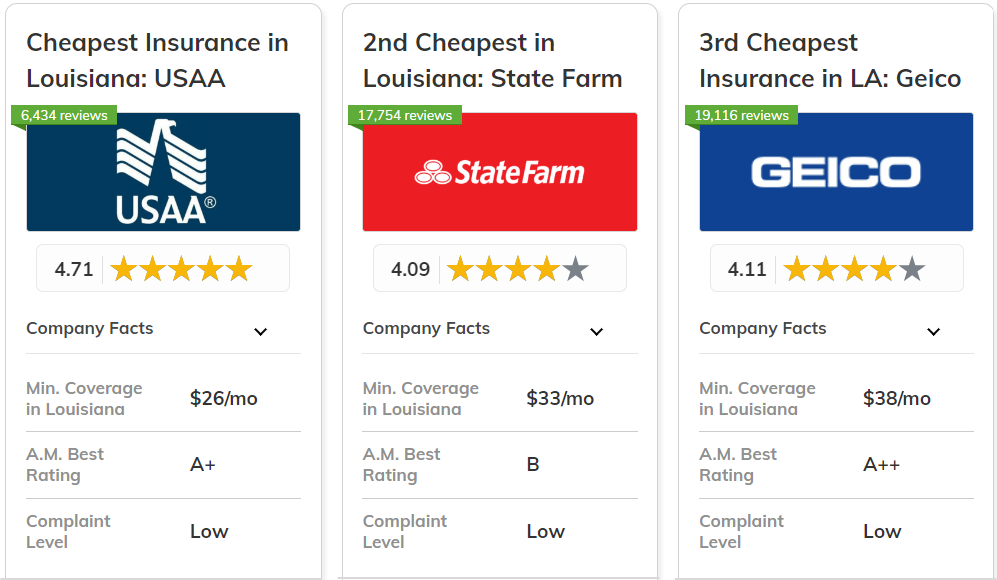
- Contact Insurers Directly: Don’t rely solely on comparison sites, as not all insurers participate. Call a few major providers (e.g., Progressive, GEICO, State Farm, Allstate, USAA for military families) directly.
- Consult Independent Agents: An independent insurance agent works with multiple carriers and can shop around on your behalf, often finding deals you might miss. They can also offer personalized advice and help you understand policy intricacies.
- Re-shop Annually: Your circumstances change, and so do insurer rates. Make it a habit to re-evaluate your insurance options every 6-12 months, especially before your policy renews. Loyalty can sometimes be penalized, so don’t be afraid to switch providers if a better deal emerges.
Maximize Available Discounts
Insurers offer a plethora of discounts, and stacking them can lead to substantial savings. Always ask your agent or insurer about every possible discount you might qualify for.
- Bundling Discounts: Insuring multiple policies (e.g., car and home, car and renter’s, car and life insurance) with the same company can often result in significant savings on both.
- Multi-Car Discount: If you insure more than one vehicle with the same provider, you’ll typically receive a discount.
- Good Driver/Safe Driver Discount: A clean driving record (no accidents or violations for a certain period, usually 3-5 years) is often rewarded with lower premiums.
- Usage-Based Insurance (Telematics): Many companies offer programs (like Snapshot from Progressive or Drivewise from Allstate) where a device is plugged into your car or an app monitors your driving habits (speed, braking, mileage). Safe drivers can earn considerable discounts.
- Low Mileage Discount: If you drive less than a certain number of miles annually, you might qualify for a discount.
- Student Discounts: Good student discounts (for maintaining a certain GPA), distant student discounts (if a student lives far from the car), and defensive driving course discounts are common.
- Vehicle Safety Features: Anti-theft devices (alarms, tracking systems), anti-lock brakes, and passive restraints (airbags) can all reduce your premiums.
- Payment Discounts: Paying your premium in full upfront, enrolling in automatic payments, or choosing paperless billing can often lead to small but cumulative discounts.
- Professional/Affiliation Discounts: Some insurers offer discounts to members of specific professional organizations, alumni associations, or employers. Always ask if your affiliations qualify.
Adjust Coverage Levels Wisely
While it’s never wise to be underinsured, there are smart ways to optimize your coverage to reduce costs, especially as your vehicle ages.
- Re-evaluate Comprehensive and Collision for Older Cars: If your car’s market value is low (e.g., under $3,000-$5,000), the cost of collision and comprehensive coverage might outweigh the potential payout after a total loss. Consider dropping these coverages, but only if you’re financially prepared to replace the car out-of-pocket.
- Raise Your Deductibles: Opting for a higher deductible (e.g., $1,000 or $2,500 instead of $500) for collision and comprehensive coverage can significantly lower your premiums. Just ensure you have enough in your emergency fund to cover that deductible if you need to file a claim.
- Review Additional Coverages: Assess if you truly need extras like rental car reimbursement or roadside assistance if you already have these through a credit card or auto club membership.
Improve Your Driving Record and Credit Score
These are long-term strategies that offer substantial and sustainable savings.
- Maintain a Clean Driving Record: Avoid accidents and traffic violations. This is the most direct way to keep your rates low over time. If you do get a ticket, consider taking a defensive driving course if it helps remove points from your license (check with your DMV).
- Improve Your Credit Score: Since many insurers use credit-based insurance scores, working to improve your overall credit health (paying bills on time, reducing debt) can lead to lower premiums when your policy is renewed or you shop for a new one.
The Cheapest Isn’t Always the Best: Balancing Cost and Value
While the pursuit of the cheapest car insurance is a sound financial goal, it’s crucial to understand that the lowest premium doesn’t always equate to the best value. Skimping on essential coverage or choosing an unreliable insurer can lead to far greater financial pain and stress down the line. A truly cost-effective policy balances affordability with adequate protection and reliable service.
Assessing Financial Stability and Customer Service
Imagine being in an accident, only to find your “cheap” insurer is unresponsive or difficult to work with. The true value of insurance is realized at the moment of a claim, and this is where an insurer’s financial stability and customer service shine—or fail.
- Financial Strength Ratings: Look for insurers with strong financial ratings from independent agencies like A.M. Best, Standard & Poor’s, or Moody’s. A strong rating indicates the company’s ability to pay out claims, even during widespread disasters.
- Customer Service Reviews: Check reputable sources for customer satisfaction ratings, such as J.D. Power, Consumer Reports, and the National Association of Insurance Commissioners (NAIC) complaint index. Read online reviews, but be mindful of their context. An insurer might have a few bad reviews but an overall excellent track record.
- Claims Process Efficiency: Inquire about their claims process. Is it easy to file a claim? How quickly do they typically process claims? This can be a major differentiator between insurers.
Understanding Policy Exclusions and Limitations
A rock-bottom premium might be achieved by offering bare-bones coverage with significant exclusions or very low limits. It’s imperative to understand exactly what your policy covers and, more importantly, what it doesn’t.
- Minimum State Requirements: Many states only require liability coverage. While this is the “cheapest” option, it only covers damages to other parties, leaving you financially exposed for repairs to your own vehicle or your medical bills.
- Specific Exclusions: Read the policy document carefully. Are there unusual exclusions related to certain types of damage, drivers, or vehicle usage? For instance, some policies might exclude coverage for ride-sharing if you don’t have a specific add-on.
- Underinsured/Uninsured Motorist Coverage: This is often optional but highly recommended. Many drivers on the road carry only minimum liability or no insurance at all. If you’re hit by such a driver, this coverage protects you, covering your medical bills and property damage. Without it, even the cheapest policy leaves you vulnerable.
The Hidden Costs of Skimping on Coverage
Choosing inadequate coverage to save a few dollars upfront can lead to devastating financial consequences after an accident.
- Out-of-Pocket Expenses: If your liability limits are too low, and you cause a major accident, you could be personally responsible for hundreds of thousands of dollars in medical bills and property damage exceeding your coverage. This can lead to garnished wages, seized assets, and even bankruptcy.
- Loss of Your Vehicle: If you drop collision and comprehensive coverage on an older car that still has some value, and it’s totaled in an accident (even if it’s your fault or due to theft), you’ll receive no payout to replace it. This could leave you without transportation and a significant unexpected expense.
- Legal Fees: Being underinsured in a severe accident can lead to lawsuits against you. Legal fees alone can be astronomical, in addition to potential judgments against you.
- Stress and Inconvenience: Dealing with an accident is stressful enough. Compounding that with financial distress due to insufficient coverage, or battling an uncooperative insurance company, adds immense emotional and practical burden.
Ultimately, the goal is to find the best value car insurance, not simply the lowest price. This means securing comprehensive protection that aligns with your financial risk tolerance, from a reputable company that will be there when you need them most, all at the most competitive price possible.
Leveraging Financial Tools and Habits for Ongoing Savings
Finding the cheapest car insurance is not a one-time event; it’s an ongoing process that benefits from consistent attention and the adoption of smart financial habits. Integrating car insurance management into your broader personal finance strategy ensures you’re always getting the best deal without sacrificing essential protection.
Regular Policy Reviews
Your life and the insurance market are dynamic. What was the cheapest policy last year might not be today, and your needs can change significantly.
- Annual Check-ups: Mark your calendar to review your car insurance policy at least once a year, ideally a few weeks before its renewal date. This gives you time to shop around if needed.
- Life Changes: Certain life events should automatically trigger a policy review. These include:
- Marriage or Divorce: Marital status often affects rates.
- Moving: A new zip code can drastically alter premiums.
- New Car Purchase: Different vehicles have different risk profiles.
- Adding/Removing Drivers: Teen drivers significantly increase costs; removing a driver who no longer lives with you can lower them.
- Job Change/Retirement: If your commute changes or you stop driving for work, your annual mileage might decrease, leading to potential discounts.
- Improving Credit Score: As mentioned, a better credit score can lead to lower rates.
- Clearing Your Driving Record: Once tickets or at-fault accidents drop off your record (typically after 3-5 years), your rates should decrease. Proactively inform your insurer or shop around.
- Adjusting Coverage as Vehicle Ages: As discussed, you might eventually drop comprehensive and collision coverage on older, less valuable vehicles to save money.
Telematics and Usage-Based Insurance
Technology offers new avenues for safe drivers to save money, aligning with the principles of smart financial management.
- Understanding Telematics Programs: Many insurers offer programs (often via a smartphone app or a plug-in device) that monitor your driving habits, such as speed, braking, acceleration, time of day you drive, and mileage.
- The Incentive for Safe Driving: If you’re a consistently safe driver, these programs can reward you with significant discounts, sometimes up to 30% or more. This is a direct way for your good habits to translate into tangible savings.
- Consider the Trade-off: While beneficial for many, some drivers might be hesitant about sharing their driving data. Weigh the potential privacy concerns against the financial benefits to decide if a telematics program is right for you. For those comfortable with it, it’s a powerful tool for reducing costs.
Budgeting for Insurance
Integrating car insurance into your overall financial plan ensures you’re always prepared for this expense and can avoid lapses in coverage, which can be costly.
- Allocate Funds: Treat car insurance as a fixed monthly or semi-annual expense in your budget. If you pay annually or semi-annually, save a portion each month into a dedicated savings account.
- Avoid Lapses: Letting your car insurance lapse, even for a short period, can be detrimental. You risk fines, license suspension, and significantly higher premiums when you try to get new coverage, as insurers view lapsed coverage as a major risk factor.
- Review Other Insurance Policies: As part of a holistic financial review, consider if bundling car insurance with other policies (home, renters, umbrella) makes sense. Consolidating with one carrier often unlocks further discounts and simplifies your financial management.
By taking a proactive, informed approach to your car insurance, treating it as an active component of your personal finance strategy rather than a passive bill, you can consistently ensure you’re getting the cheapest possible rates for the coverage you need. This ongoing vigilance is key to navigating the insurance market successfully and achieving optimal savings.
Conclusion: Mastering Your Car Insurance for Optimal Financial Health
The question “which car insurance is cheapest?” is complex, lacking a single, universal answer. It’s a deeply personal financial inquiry, contingent on individual risk profiles, vehicle characteristics, geographical location, and coverage choices. However, by understanding the myriad factors that influence premiums and applying strategic financial management principles, every driver can significantly reduce their car insurance costs without compromising essential protection.
The journey to optimal savings begins with diligent shopping around and comparing quotes from a wide array of insurers. It requires a keen eye for maximizing every available discount, from bundling policies to leveraging safe driving habits through telematics programs. Crucially, it involves a smart assessment of coverage needs, ensuring you’re neither over-insured for an aging vehicle nor dangerously under-insured in the face of potential financial catastrophe.
Ultimately, finding the cheapest car insurance is not a one-time transaction but an ongoing commitment to financial vigilance. Regular policy reviews, adapting to life changes, and making informed decisions are the hallmarks of a financially savvy driver. By embracing these strategies, you transform car insurance from a dreaded expense into a managed component of your personal finance, securing peace of mind on the road while protecting your hard-earned money.
aViewFromTheCave is a participant in the Amazon Services LLC Associates Program, an affiliate advertising program designed to provide a means for sites to earn advertising fees by advertising and linking to Amazon.com. Amazon, the Amazon logo, AmazonSupply, and the AmazonSupply logo are trademarks of Amazon.com, Inc. or its affiliates. As an Amazon Associate we earn affiliate commissions from qualifying purchases.