
For investors, analysts, and market watchers alike, the earnings report of a publicly traded company like Palantir Technologies (NYSE: PLTR) is far more than a simple financial update; it’s a pivotal event that can dictate market sentiment, influence stock prices, and provide critical insights into a company’s operational health and future trajectory. Understanding when Palantir’s earnings are released, and more importantly, how to interpret them, is fundamental for anyone looking to make informed investment decisions concerning this unique data analytics firm.
Palantir, known for its work with government agencies and increasingly with commercial enterprises, operates in a high-growth, high-stakes environment where every quarter’s performance is scrutinized. Its earnings calls offer a rare glimpse into the complex interplay of its strategic initiatives, technological advancements, and the macroeconomic factors that shape its financial outcomes. This article delves into the significance of these reports, how to track Palantir’s specific reporting dates, and what financial aspects truly matter when the numbers are finally revealed.
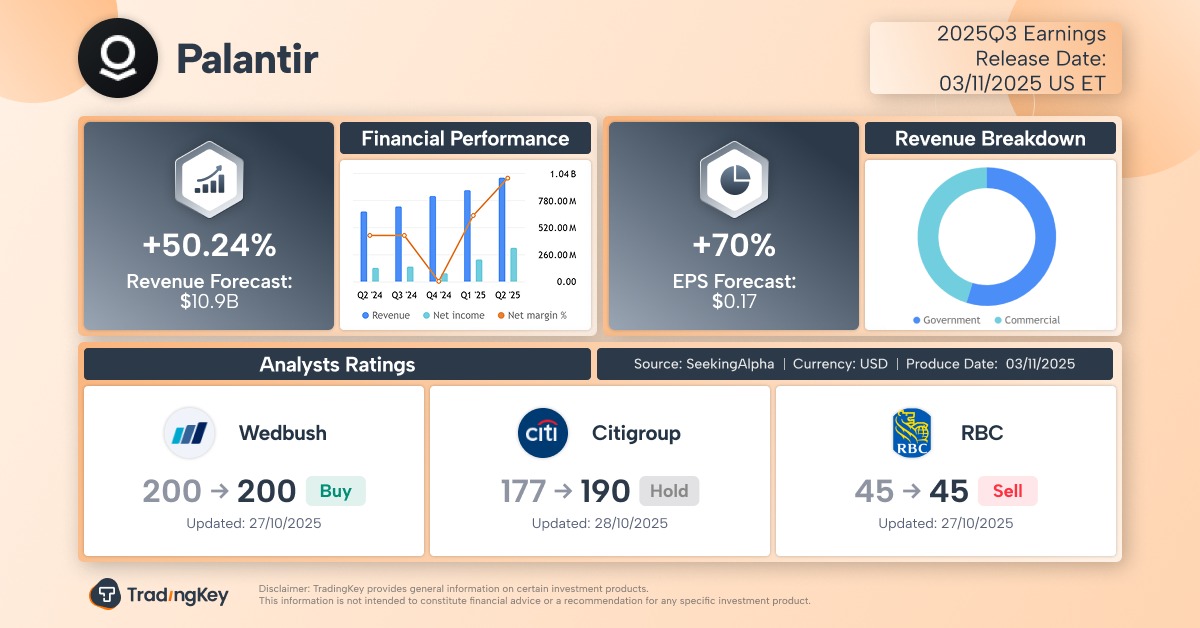
The Significance of Earnings Reports for Savvy Investors
Earnings reports are quarterly financial statements issued by public companies to disclose their financial performance over the preceding three months. They are a cornerstone of financial analysis and investor relations, offering transparency and accountability. For a company like Palantir, which has a distinct business model and a often polarizing market perception, these reports are amplified in their importance.
What Constitutes an Earnings Report?
At its core, an earnings report typically includes an income statement, balance sheet, and statement of cash flows. It highlights key financial metrics such as revenue, earnings per share (EPS), gross profit margins, operating expenses, and net income. Beyond the raw numbers, companies usually provide a press release, an investor presentation, and host a conference call where management discusses the results, offers context, and provides forward-looking guidance. This guidance — projections for future revenue, profitability, and other key metrics — is often as impactful as the historical results themselves.
Why Quarterly Reports (Q1, Q2, Q3, Q4) Matter Immensely
The quarterly cadence of earnings reports provides a continuous feedback loop for the market. Each quarter (Q1, Q2, Q3, Q4) represents a snapshot of the company’s performance, allowing investors to track trends, assess growth rates, and compare results against previous periods and analyst expectations. For Palantir, whose business development can be lumpy due to large government contracts or significant enterprise deals, understanding the quarter-to-quarter variability is crucial. A strong Q4, often boosted by year-end contract closures, might set a different tone than a more moderate Q1. The cumulative effect of these quarterly reports paints the full financial picture over the fiscal year.
Key Metrics to Scrutinize: Revenue, EPS, and Guidance
While a multitude of figures are presented, a few typically garner the most attention:
- Revenue: This indicates the company’s top-line growth and ability to sell its products and services. For Palantir, revenue growth across its government and commercial segments is a primary indicator of its market penetration and expansion.
- Earnings Per Share (EPS): This metric reflects a company’s profitability on a per-share basis. Investors often look at both GAAP (Generally Accepted Accounting Principles) and non-GAAP EPS, as the latter often excludes certain one-time costs or stock-based compensation that can significantly impact Palantir’s reported profitability.
- Guidance: Perhaps the most forward-looking metric, management’s guidance for the upcoming quarter or fiscal year can have an outsized impact on stock price. Positive guidance suggests management confidence and potential future growth, while conservative guidance can signal headwinds.
The Role of Analyst Expectations and the “Beat or Miss” Narrative
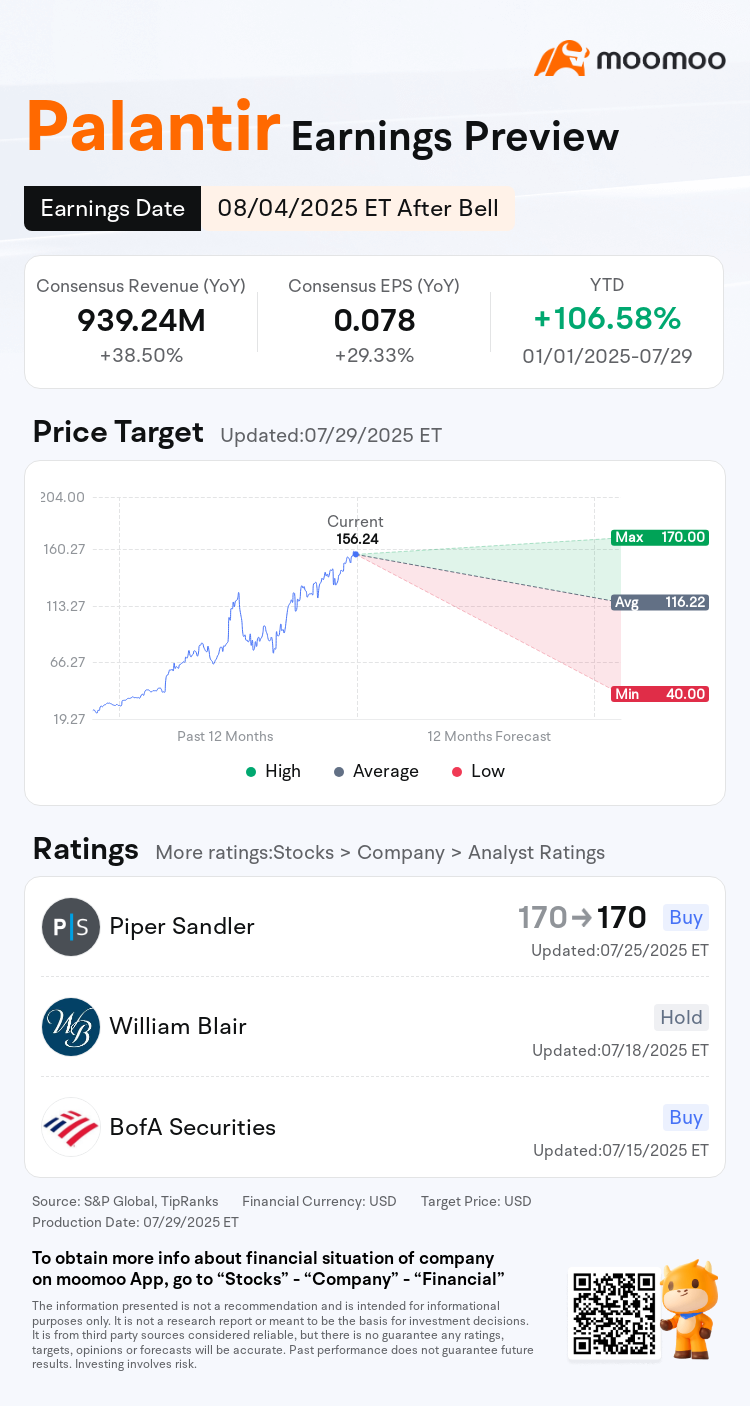
Before an earnings report is released, financial analysts publish their estimates for the company’s revenue and EPS. These “consensus estimates” create a benchmark against which the company’s actual results are compared. When Palantir’s reported numbers exceed these expectations, it’s considered an “earnings beat,” which often leads to a positive market reaction. Conversely, an “earnings miss” can trigger a sell-off. The magnitude of the beat or miss, along with the quality of the underlying performance and management’s commentary, determines the ultimate market response.
Navigating Palantir’s Earnings Schedule and Finding Official Dates
Knowing when Palantir’s earnings are due is the first step in preparing for this critical event. While the exact date shifts slightly each quarter, the company generally adheres to a predictable reporting cycle.
Typical Reporting Cycles: Calendar vs. Fiscal Year
Most companies follow a calendar fiscal year, meaning their fiscal Q1 ends March 31, Q2 ends June 30, Q3 ends September 30, and Q4 ends December 31. Earnings reports are typically released a few weeks after the close of each quarter. Palantir operates on a standard calendar fiscal year, meaning its Q4 results (full year) are usually reported in February, Q1 results in May, Q2 in August, and Q3 in November.
How to Find Official Earnings Dates
Relying on accurate, official sources for earnings dates is paramount. Here are the most reliable methods:
- Palantir’s Investor Relations Website: The most authoritative source is always the company’s own investor relations (IR) section on its corporate website. Palantir’s IR page (typically found under a “Investors” or “About Us” tab) will announce the exact date and time of the earnings release and conference call well in advance.
- Financial News Websites and Data Providers: Reputable financial news outlets (e.g., Bloomberg, Reuters, Wall Street Journal, Yahoo Finance, Investing.com) and financial data platforms (e.g., FactSet, Refinitiv, S&P Global) track and publish earnings calendars. These platforms aggregate data and provide historical reporting dates as well.
- Stock Brokerage Platforms: Many online brokerage accounts offer integrated tools and calendars that display upcoming earnings dates for stocks held in your portfolio or on your watchlist.
Anticipating Palantir’s Next Announcement
While the precise date varies, Palantir usually announces its earnings roughly 4-6 weeks after the close of each quarter. For instance, for a quarter ending December 31st, expect an announcement sometime in mid-February. For a quarter ending March 31st, typically mid-May, and so forth. By checking Palantir’s IR page a few weeks into the new quarter, investors can confirm the upcoming date and prepare for the event. Setting up alerts on financial news sites or through your brokerage can also ensure you don’t miss the announcement.
Decoding Palantir’s Financial Health and Growth Drivers
Beyond the headline numbers, a deeper dive into Palantir’s specific financial structure reveals the nuances of its performance. Given its unique business model, certain segments and financial metrics warrant particular attention.

Government vs. Commercial Segments: The Tale of Two Markets
Palantir historically built its reputation and revenue base on large, often classified, government contracts, particularly with U.S. defense and intelligence agencies. While this segment provides stable, high-value revenue, its growth can be more cyclical and less predictable. The Commercial segment, however, represents Palantir’s primary growth engine and long-term ambition. Investors closely watch the commercial customer count, average revenue per customer, and the growth rate in this segment, as it signals Palantir’s ability to diversify and scale beyond its government roots. A significant increase in commercial revenue and customer acquisition is often viewed very positively.
SaaS Business Model and Revenue Recognition Dynamics
While not a pure-play Software-as-a-Service (SaaS) company in the traditional sense, Palantir has been increasingly emphasizing its recurring revenue streams from subscriptions to its Foundry and Gotham platforms. Understanding its revenue recognition policies, particularly for large, multi-year contracts, is important. A shift towards higher recurring revenue and lower services revenue indicates a more predictable and scalable business model, which is generally favored by investors. Investors also look at Remaining Performance Obligations (RPO), which represents future revenue from existing contracts, as a forward-looking indicator of revenue visibility.
Profitability Challenges and the Path to GAAP Profitability
For much of its public life, Palantir has been heavily scrutinized for its lack of consistent GAAP profitability, primarily due to substantial stock-based compensation (SBC) expenses. While non-GAAP metrics often show profitability, the market increasingly demands “real” GAAP profits. Investors look for signs of operating leverage, where revenue grows faster than expenses, ultimately leading to sustainable GAAP net income. Achieving and consistently maintaining GAAP profitability is a significant milestone that can de-risk the investment and attract a broader base of institutional investors.
Free Cash Flow and Balance Sheet Strength
Free Cash Flow (FCF) is a critical metric, representing the cash a company generates after accounting for cash outflows to support its operations and maintain its capital assets. Positive and growing FCF indicates a healthy business that generates more cash than it consumes, which can then be used for strategic investments, share buybacks, or debt reduction. Palantir’s ability to generate strong FCF, even before consistent GAAP profitability, has been a positive signal. Additionally, a robust balance sheet with ample cash reserves and manageable debt levels provides financial flexibility and resilience, particularly in uncertain economic times.
Market Reaction and Investment Implications of Earnings
The period surrounding an earnings report is often characterized by heightened volatility, as the market digests the new information and recalibrates its valuation of the company. For Palantir, whose stock has seen significant price swings, understanding these dynamics is paramount.
Pre-Earnings Volatility and Options Strategies
Leading up to an earnings release, market speculation and uncertainty can cause increased stock price volatility. Traders employing options strategies often take positions betting on the direction or magnitude of the post-earnings move. For long-term investors, this period might present opportunities for careful position sizing or, conversely, a time to avoid initiating new positions until the information asymmetry has dissipated. The “whisper numbers” – unofficial, often higher expectations than consensus estimates – can also influence sentiment.
The “Earnings Beat” or “Miss” Phenomenon
As mentioned, an earnings beat or miss can trigger significant price action. However, it’s rarely just about the numbers. The market’s reaction is a complex interplay of the headline figures, the quality of the beat/miss (e.g., was it driven by one-time items or sustainable growth?), the guidance provided, and management’s commentary during the conference call. For Palantir, even a beat can be met with skepticism if the commercial segment growth is slow, or if SBC remains stubbornly high. Conversely, a slight miss might be forgiven if the long-term outlook remains strong and strategic initiatives are progressing.
Long-Term vs. Short-Term Investor Perspectives
Earnings reports hold different weight for different types of investors. Short-term traders might focus on the immediate price reaction, aiming to profit from volatility. Long-term investors, however, use earnings reports to validate their investment thesis. They look beyond the quarter-to-quarter fluctuations and assess whether the company is executing on its long-term strategy, expanding its market share, improving its unit economics, and building sustainable competitive advantages. For Palantir, a long-term investor would prioritize consistent commercial growth, path to sustainable GAAP profitability, and strategic partnerships over a single quarter’s EPS figure.
Interpreting Management Commentary and Future Outlook
The earnings conference call, featuring Palantir’s CEO Alex Karp and other executives, is invaluable. Management commentary provides context for the financial results, outlines strategic priorities, addresses challenges, and offers insights into future plans. Listening for details on customer wins, platform enhancements, geographical expansion, and competitive positioning can provide a much richer understanding than the financial statements alone. Pay close attention to any changes in guidance, as this directly reflects management’s confidence in the company’s near-term prospects.
Beyond the Numbers: Strategic Shifts and Future Prospects
While the earnings report provides a snapshot of the past quarter, astute investors also use this opportunity to assess Palantir’s strategic evolution and its potential to thrive in the future.
AI Integration and Foundry Platform Evolution
Palantir’s core offering, particularly its Foundry platform, is highly relevant in the age of AI. Earnings calls often highlight new features, expanded capabilities, and client use cases demonstrating the platform’s value proposition in data-driven decision-making and AI deployment. Investors look for evidence that Palantir is effectively leveraging its advanced AI/ML capabilities to differentiate itself and drive further adoption, especially in mission-critical applications across industries. This includes updates on its Artificial Intelligence Platform (AIP) and its impact on customer acquisition and existing customer expansion.
Expansion into New Verticals and Geographies
Diversification beyond its historical government stronghold is a key long-term driver for Palantir. Updates on expansion into new commercial verticals (e.g., healthcare, automotive, energy, manufacturing) and new international markets are crucial. Success in these new areas validates the universal applicability of its platforms and opens up vast new revenue opportunities, reducing reliance on any single sector or geography.
Competitive Landscape and Market Positioning
Palantir operates in a competitive landscape that includes traditional enterprise software vendors, cloud providers offering data analytics tools, and specialized AI/ML startups. Earnings calls can provide insights into how Palantir perceives its competitive advantages and how it plans to maintain its unique position. This could involve discussions about its proprietary technology, data integration capabilities, security features, or its ability to handle highly sensitive and complex datasets that others cannot. Understanding its market positioning helps investors gauge the sustainability of its growth and profitability.
In conclusion, understanding “when is Palantir earnings” is merely the entry point. The true value lies in a thorough, multi-faceted analysis of the financial report, management’s strategic commentary, and the broader market context. For a company as complex and influential as Palantir, each earnings season offers a vital opportunity to reassess its trajectory and make well-informed financial decisions.
aViewFromTheCave is a participant in the Amazon Services LLC Associates Program, an affiliate advertising program designed to provide a means for sites to earn advertising fees by advertising and linking to Amazon.com. Amazon, the Amazon logo, AmazonSupply, and the AmazonSupply logo are trademarks of Amazon.com, Inc. or its affiliates. As an Amazon Associate we earn affiliate commissions from qualifying purchases.