
For investors tracking Palantir Technologies (PLTR), the announcement of quarterly earnings dates is far more than a mere scheduling notice; it is a critical event that often dictates short-term stock movements and provides invaluable insights into the company’s long-term trajectory. Understanding when Palantir reports earnings, what to anticipate, and how to interpret the results is fundamental for informed decision-making within the volatile landscape of growth stock investing. As a pioneer in data integration and artificial intelligence, Palantir’s financial disclosures offer a window into the health of its business and its expanding influence across government and commercial sectors.
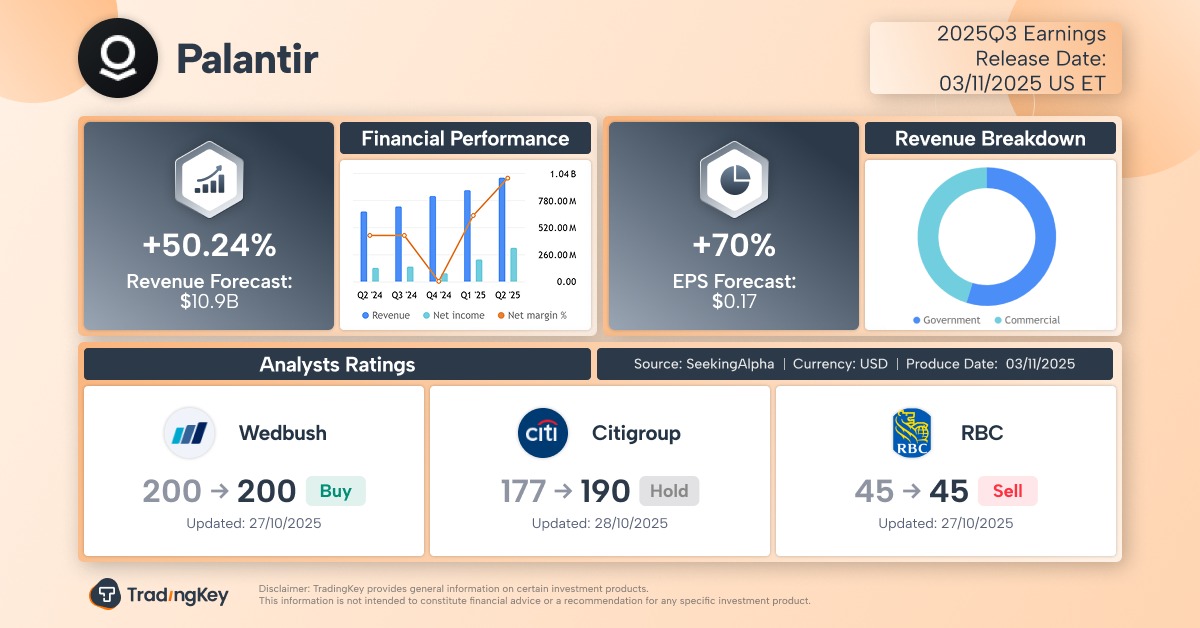
This article delves into the financial intricacies surrounding Palantir’s earnings reports, equipping investors with a framework to approach these pivotal events. We will explore why these dates are so significant, where to find reliable information, the key metrics to scrutinize, and how market expectations and management guidance shape the post-announcement reaction.
The Significance of Earnings Reports for Investors
Earnings reports serve as quarterly report cards for publicly traded companies, detailing their financial performance over the preceding three months. For a company like Palantir, which operates in a high-growth, innovation-driven industry, these reports are particularly scrutinized. They offer tangible data points that either validate or challenge the prevailing investment thesis, providing a crucial check against market sentiment and speculative trading.
Understanding Palantir’s Business Model from an Investment Perspective
Palantir develops sophisticated software platforms, primarily Foundry and Gotham, designed for complex data analysis. Its customer base spans critical government agencies (defense, intelligence, public health) and a growing roster of commercial enterprises across various industries. From an investment standpoint, understanding this dual-pronged approach is key. The government contracts often provide stable, long-term revenue streams, while the commercial segment represents the company’s significant growth opportunity and market expansion potential. Earnings reports, therefore, must be assessed through the lens of performance in both these critical divisions, with particular attention paid to the conversion of pilot programs into full-scale deployments and the overall expansion of its customer footprint. Investors look for signs of increasing adoption, particularly for its modular software offerings, which could signal a more scalable and profitable business model.
The Impact on Stock Volatility
It is no secret that earnings announcements frequently trigger heightened stock volatility. Ahead of the report, a “quiet period” often precedes the release, during which company insiders are restricted from trading. Speculation builds, and options markets reflect increased hedging and directional bets. Once earnings are released, particularly if they deviate significantly from analyst expectations, the stock can experience sharp swings in either direction. Positive surprises often lead to upward momentum, while misses, even slight ones, can result in significant sell-offs. For PLTR, a stock that has historically demonstrated considerable volatility, earnings periods amplify this characteristic, creating both opportunities and risks for traders and long-term holders alike. Understanding this inherent volatility is crucial for managing portfolio risk around these events.
Beyond the Headline Numbers: What to Look For
While headline figures like revenue and earnings per share (EPS) capture immediate attention, a truly insightful investor delves deeper. For Palantir, this means dissecting revenue growth by segment (government vs. commercial), analyzing customer count and average contract value, examining gross margins, and scrutinizing operating expenses, particularly those related to research and development and sales and marketing. Furthermore, attention to stock-based compensation (SBC), a significant factor for many tech companies including Palantir, is vital to understand the true dilution effect on shareholders and its impact on GAAP profitability. Cash flow from operations and free cash flow are also critical indicators of financial health and the company’s ability to self-fund its growth without relying excessively on external capital.
Navigating Palantir’s Earnings Calendar
Knowing when Palantir is scheduled to report is the first step in preparing for an earnings event. These dates are generally predictable but can occasionally shift.
Where to Find Official Earnings Dates
The most reliable sources for Palantir’s official earnings dates are the company’s investor relations website and the U.S. Securities and Exchange Commission (SEC) filings. Palantir typically announces its earnings release date a few weeks in advance through a press release, which is then often picked up by financial news outlets and data providers (e.g., Yahoo Finance, Reuters, Bloomberg, reputable financial calendars). Always cross-reference with the company’s official IR page to ensure accuracy. SEC filings, particularly the Form 8-K that announces the earnings release and conference call, are the definitive legal source.
The Typical Earnings Cycle for Public Companies
Most public companies in the U.S. adhere to a quarterly reporting cycle. Fiscal quarters often align with calendar quarters, but not always. Palantir, for example, typically follows a calendar fiscal year. Earnings reports are generally released a few weeks after the close of each quarter.
- Q1 Earnings: Typically reported in late April/early May (covering January 1 – March 31)
- Q2 Earnings: Typically reported in late July/early August (covering April 1 – June 30)
- Q3 Earnings: Typically reported in late October/early November (covering July 1 – September 30)
- Q4 and Full-Year Earnings: Typically reported in late January/early February (covering October 1 – December 31, and the full year)
These timelines provide a general expectation, but investors should always confirm the exact date and time (often after market close or before market open) as it approaches.
Preparing for the Earnings Call
Beyond the written report, the earnings conference call is an invaluable resource. During this call, Palantir’s management team – typically the CEO, CFO, and other key executives – discusses the results, provides context, offers forward-looking guidance, and answers questions from analysts. Listening to the nuances of management’s tone, their confidence in future prospects, and their responses to challenging questions can provide qualitative insights not available in the quantitative report alone. Transcripts of these calls are usually available on the company’s investor relations website shortly after the event, allowing for review even if one cannot listen live.
Decoding Palantir’s Financial Health: Key Metrics to Monitor
A comprehensive understanding of Palantir’s financial performance requires dissecting several key metrics. These go beyond simple revenue and profit figures to paint a complete picture of growth, efficiency, and sustainability.
Revenue Growth and Profitability (GAAP vs. Non-GAAP)
For a growth company like Palantir, revenue growth is paramount. Investors will look at both the absolute year-over-year percentage increase and the sequential growth. Breaking this down into government and commercial segments offers deeper insight into where the company is gaining traction. Profitability is often assessed using both GAAP (Generally Accepted Accounting Principles) and non-GAAP measures. Non-GAAP metrics, which often exclude items like stock-based compensation, amortization of intangibles, or one-time charges, can present a more flattering view of operational profitability. However, GAAP profitability, particularly GAAP net income and earnings per share, are crucial for demonstrating the company’s ability to generate true bottom-line results for shareholders. Investors should understand the differences and scrutinize both. Palantir has made significant strides towards GAAP profitability, and sustaining this trend is a key focus for many.

Customer Acquisition and Expansion
The number of new customers acquired in the commercial sector, and the expansion of existing relationships (often measured by dollar-based net retention rate or average revenue per customer), are vital for Palantir. These metrics indicate the market’s acceptance of their platforms and the scalability of their sales strategy. For government contracts, the duration and value of new and renewed contracts are important indicators of stability and continued trust from critical clients. The ability to expand within existing client accounts is often a more cost-effective growth strategy than constantly acquiring new logos.
Government vs. Commercial Sector Performance
Palantir’s historical strength lies in its government contracts. While these provide a robust foundation, the market often views significant commercial growth as the key to unlocking Palantir’s full potential and achieving higher valuations. Earnings reports will highlight the performance of each segment, allowing investors to track the balance and growth dynamics between them. Rapid commercial growth, particularly in the U.S., often excites investors more due to the perceived lower bureaucracy and faster sales cycles compared to international government deals.
Cash Flow and Balance Sheet Strength
Beyond income statements, the statement of cash flows is critical. Positive cash flow from operations indicates that the core business is generating cash, while free cash flow (operating cash flow minus capital expenditures) shows how much cash is available for strategic initiatives, debt repayment, share buybacks, or acquisitions. A strong balance sheet, characterized by ample cash reserves and manageable debt levels, provides financial flexibility and resilience, particularly in uncertain economic environments. Palantir has historically maintained a strong cash position, which is a positive signal.
Share-Based Compensation and Dilution
As mentioned, stock-based compensation (SBC) is a significant expense for many tech companies. While often excluded from non-GAAP profit figures, it represents a real cost and leads to share dilution. Investors should monitor the trend of SBC relative to revenue and operating expenses, as well as the total share count, to understand the true impact on their per-share ownership and long-term returns. Effective management of SBC and strategies to mitigate dilution are increasingly important for mature growth companies like Palantir.
The Interplay of Expectations, Guidance, and Market Reaction
The market’s reaction to an earnings report is rarely solely based on the absolute numbers; it is heavily influenced by how those numbers compare to expectations and what management projects for the future.
Analyst Estimates and Whispers
Prior to the earnings release, financial analysts from various institutions publish their estimates for Palantir’s revenue and EPS. The “consensus estimate” is the average of these projections. When Palantir reports, the immediate market reaction often hinges on whether the actual results “beat,” “meet,” or “miss” these consensus figures. Beyond official estimates, “whisper numbers” – unofficial, often higher expectations circulated among traders – can also play a role, setting an even higher bar for the company to clear.
Management’s Forward Guidance
Perhaps even more impactful than past results is management’s guidance for future performance. This typically includes projections for upcoming quarter and full-year revenue, profitability, and sometimes specific segment performance. Positive guidance, especially if it exceeds analyst expectations, can propel a stock higher even if the past quarter’s results were merely in line. Conversely, a strong past quarter can be overshadowed by weak or conservative guidance, signaling potential headwinds or a slowdown. For Palantir, guidance on commercial customer growth, contract values, and path to sustained profitability is particularly scrutinized.
Post-Earnings Market Dynamics
The immediate post-earnings reaction can be dramatic and is often driven by algorithmic trading and short-term speculators. However, sustained movements usually depend on a more thorough digestion of the report by institutional investors and a reassessment of the company’s long-term outlook. The analyst community will update their ratings and price targets, which can also influence the stock’s trajectory in the days and weeks following the report. Understanding that initial reactions might be overblown, and patience is often rewarded, is a key principle for long-term investors.
Strategic Considerations for PLTR Investors Around Earnings
Approaching Palantir’s earnings reports with a clear strategy can help mitigate risk and potentially capitalize on opportunities.
Short-Term vs. Long-Term Investment Strategies
For short-term traders, earnings provide high-volatility events for speculative plays using options or directional stock trades. This approach carries significant risk. For long-term investors, the focus shifts from anticipating immediate price swings to assessing how the report impacts Palantir’s fundamental value and its ability to execute its strategic vision over several years. Long-term investors may use periods of post-earnings volatility to average down or add to positions if their conviction in the company’s underlying fundamentals remains strong.
Risk Management and Diversification
Earnings season underscores the importance of risk management. Concentrating too much of a portfolio in a single stock, particularly a growth stock like Palantir, around an earnings announcement can expose an investor to undue risk. Diversification across different sectors and asset classes can cushion the impact of a negative earnings surprise from any single holding. Furthermore, using stop-loss orders or hedging strategies can be considered for those with a higher risk tolerance, though these also come with their own complexities and costs.
Using Earnings Data for Informed Decisions
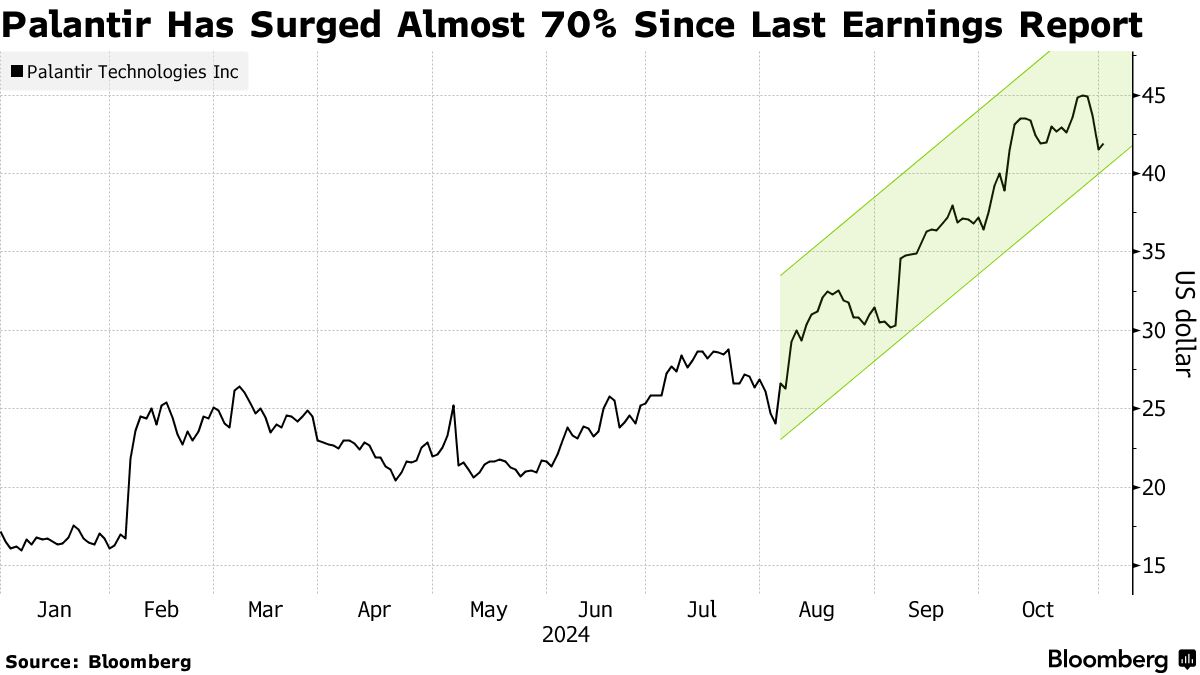
Ultimately, Palantir’s earnings reports are a rich source of data for making informed investment decisions. By meticulously analyzing the reported numbers, listening to management’s commentary, and understanding the interplay of expectations and guidance, investors can refine their understanding of Palantir’s competitive position, financial health, and growth prospects. It’s not just about when the company reports, but how thoroughly one processes the information provided, fitting it into the broader narrative of Palantir’s journey to establish itself as a dominant force in the global data landscape. This diligent approach helps move beyond the noise of daily market fluctuations to focus on the enduring value creation potential of the company.
aViewFromTheCave is a participant in the Amazon Services LLC Associates Program, an affiliate advertising program designed to provide a means for sites to earn advertising fees by advertising and linking to Amazon.com. Amazon, the Amazon logo, AmazonSupply, and the AmazonSupply logo are trademarks of Amazon.com, Inc. or its affiliates. As an Amazon Associate we earn affiliate commissions from qualifying purchases.