
In an ever-evolving global economy, the ability to generate cash is a fundamental skill, whether for personal financial stability, achieving ambitious goals, or fueling entrepreneurial ventures. More than just earning a paycheck, cash generation involves strategic planning, diversified income streams, astute investment, and a proactive mindset. This article delves into various potent methods for creating and increasing your cash flow, offering a comprehensive guide to fortifying your financial future.
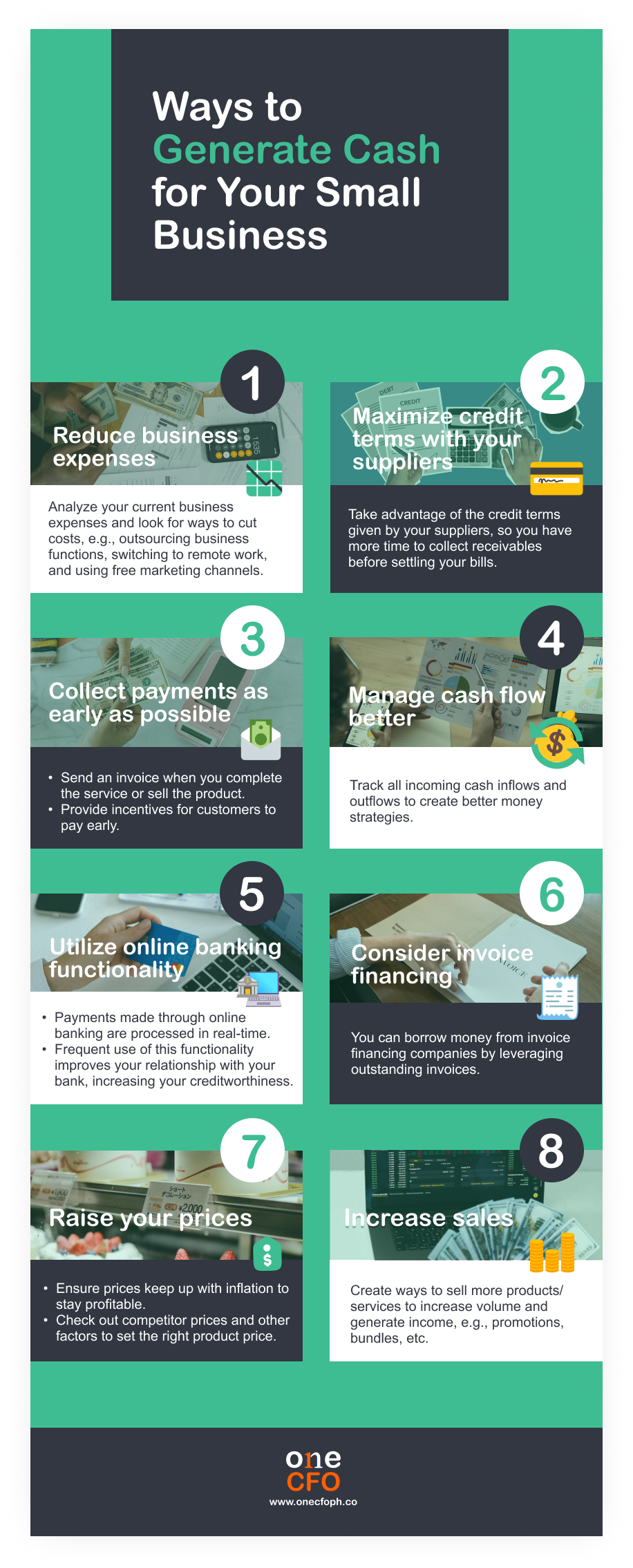
1. Building a Solid Financial Foundation and Understanding Your Starting Point
Before embarking on any cash generation strategy, it’s imperative to understand your current financial landscape. A clear picture of your income, expenses, assets, and liabilities serves as the bedrock for effective financial planning and goal setting. Without this clarity, efforts to generate cash can be misdirected or unsustainable.

Assessing Current Income and Expenses
The first step in any financial endeavor is to create a detailed map of your existing cash flow. This involves meticulously tracking all sources of income and categorizing every expenditure. Use budgeting apps, spreadsheets, or even a simple notebook to record where your money comes from and where it goes.
- Income Analysis: Beyond your primary salary, account for any secondary income, such as freelance work, rental income, or dividends. Understand the predictability and stability of each source.
- Expense Tracking: Differentiate between fixed expenses (rent/mortgage, loan payments, subscriptions) and variable expenses (groceries, entertainment, utilities). Identifying discretionary spending is crucial, as this often presents the first opportunity for cash optimization. By understanding your “burn rate,” you can identify areas for reduction, thereby effectively “generating” cash by retaining more of what you already earn. This initial phase is not just about cutting costs, but about intelligent allocation of resources to align with your financial objectives.
Defining Your Financial Goals
Cash generation should never be a aimless pursuit. Your efforts will be significantly more effective if they are tied to specific, measurable, achievable, relevant, and time-bound (SMART) financial goals. These goals provide motivation, direction, and a benchmark for success.
- Short-Term Goals: These might include building an emergency fund, paying off a specific debt, or saving for a significant purchase like a vacation or a down payment on a car. These require immediate strategies and focused cash generation.
- Mid-Term Goals: Perhaps saving for a child’s education, making a down payment on a house, or investing in a business venture. These often require a combination of increased income and strategic saving/investing over a few years.
- Long-Term Goals: Retirement planning, significant wealth accumulation, or establishing a legacy fall into this category. These necessitate sustained cash generation, smart investing, and potentially multiple income streams over decades. Clearly defined goals help you prioritize where to direct your generated cash, ensuring it serves your broader financial vision.
Building an Emergency Fund
One of the most critical aspects of financial security, and a prerequisite for truly successful cash generation, is establishing a robust emergency fund. This liquid cash reserve acts as a safety net, protecting you from unexpected financial shocks like job loss, medical emergencies, or unforeseen home repairs.
- Recommended Size: Financial experts typically recommend saving 3 to 6 months’ worth of essential living expenses. For those with less stable income or dependents, 9 to 12 months might be more appropriate.
- Purpose: An emergency fund prevents you from going into debt or liquidating long-term investments during crises, preserving your capital and momentum in wealth-building. Generating this initial sum should be a top priority, as it creates a stable base from which to launch more ambitious cash-generating initiatives without undue pressure.
2. Leveraging Digital Opportunities for Income Generation
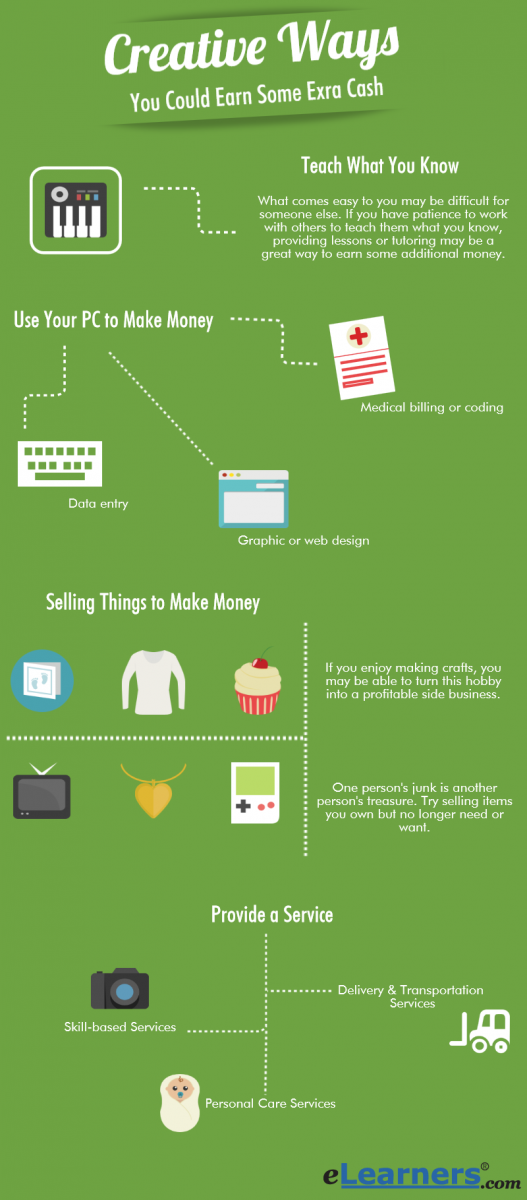
The digital age has democratized income generation, opening up countless avenues for individuals to monetize their skills, passions, and time, often with minimal upfront capital. These online opportunities offer flexibility and scalability, making them attractive options for generating additional cash or even building primary income streams.
Freelancing and the Gig Economy
The rise of the gig economy has empowered individuals to offer their services on a project basis, tapping into a global market of clients seeking specialized skills. This model provides unparalleled flexibility and control over one’s work life.
- Online Marketplaces: Platforms like Upwork, Fiverr, and Freelancer connect skilled professionals with clients worldwide. Services can range from writing, graphic design, web development, and virtual assistance to digital marketing, translation, and data entry. Building a strong portfolio and positive client reviews on these platforms can lead to consistent work and higher rates.
- Skills Monetization: Beyond formal platforms, individuals can leverage their expertise directly. If you have a specific skill—whether it’s coding, photography, social media management, or even tutoring—you can market yourself through professional networks, social media, or a personal website. Developing a niche skill often allows for premium pricing, accelerating cash generation.
Content Creation and Monetization
For those with a knack for communication, creativity, or expertise in a particular subject, content creation offers a powerful way to generate cash by building an audience.
- Blogging, Vlogging, Podcasting: These mediums allow creators to share valuable information, entertainment, or insights. Once an audience is established, there are multiple avenues for monetization:
- Ad Revenue: Through platforms like Google AdSense for blogs, or YouTube’s partner program for vlogs.
- Affiliate Marketing: Promoting products or services relevant to your audience and earning a commission on sales made through your unique links.
- Sponsored Content: Collaborating with brands to create content that features their products or services.
- Digital Products: Creating and selling your own e-books, online courses, templates, or premium content subscriptions. The initial effort of building an audience pays dividends through these diversified income streams.
E-commerce and Online Sales
Selling physical or digital products online has become highly accessible, allowing entrepreneurs to reach a vast customer base without the overhead of a traditional brick-and-mortar store.
- Dropshipping: A business model where you don’t keep products in stock. Instead, when you sell a product, you purchase it from a third party and have it shipped directly to the customer. This significantly reduces inventory risk and upfront investment, making it an ideal way to start an online retail business.
- Print-on-Demand (POD): Similar to dropshipping, POD allows you to create custom designs for products like T-shirts, mugs, or phone cases. When a customer orders, the item is printed and shipped directly by a third-party supplier. This is perfect for artists, designers, or anyone with creative ideas.
- Selling Handmade Goods or Digital Products: Platforms like Etsy empower artisans to sell their crafts globally. Similarly, creating and selling digital products such as stock photos, music, software plugins, or digital art can generate passive income once the initial creation is complete.
3. Strategic Investing for Wealth Building
While earning through labor or services generates active income, strategic investing is the most effective path to generating passive income and long-term wealth. It involves putting your money to work for you, allowing it to grow over time through compound interest and market appreciation.
Diversifying Investment Portfolios
A well-diversified investment portfolio is crucial for mitigating risk and maximizing returns. Spreading investments across different asset classes helps protect against volatility in any single market segment.
- Stocks, Bonds, ETFs, Mutual Funds:
- Stocks: Represent ownership in a company and offer potential for significant capital appreciation.
- Bonds: Loans made to governments or corporations, offering fixed interest payments and generally lower risk than stocks.
- Exchange-Traded Funds (ETFs): Baskets of securities that track an index, commodity, or sector, offering diversification and often lower fees than actively managed funds.
- Mutual Funds: Professionally managed portfolios of stocks, bonds, or other investments, suitable for investors who prefer expert management.
- Real Estate Investment: This can take many forms:
- Direct Ownership: Purchasing rental properties to generate consistent rental income and potential property value appreciation.
- Real Estate Investment Trusts (REITs): Companies that own, operate, or finance income-generating real estate, allowing individuals to invest in real estate without directly owning physical property. REITs trade like stocks and offer liquidity and diversification.
- Real Estate Crowdfunding: Platforms that allow multiple investors to pool money to invest in larger real estate projects, often with lower entry barriers.
Understanding Risk and Return
Every investment carries a degree of risk, and generally, higher potential returns come with higher risk. Understanding your personal risk tolerance is paramount before allocating capital.
- Risk Assessment: Evaluate how much volatility you can comfortably withstand without panicking and making rash decisions.
- Risk Management: Diversification is a primary tool for risk management. Additionally, investing in assets you understand, setting clear investment goals, and maintaining a long-term perspective can help navigate market fluctuations. For instance, while high-growth stocks offer exciting returns, they are often more volatile than blue-chip stocks or bonds. A balanced approach often yields the best results.
Long-Term vs. Short-Term Investment Strategies
Your investment horizon significantly influences the types of assets you should consider.
- Long-Term Investing: Typically involves holding assets for many years, often decades, to benefit from compound interest and market growth. This strategy is ideal for retirement planning and significant wealth accumulation, often favoring growth stocks, diversified ETFs, and real estate.
- Short-Term Investing: Aims to profit from rapid price movements over days, weeks, or months. This is inherently riskier and often involves more speculative assets or active trading strategies. While it can generate cash quickly, it requires deep market understanding, significant time commitment, and is not suitable for most individual investors. For most people seeking to generate sustainable cash, a long-term, growth-oriented strategy with a focus on diversified assets is preferable.
4. Traditional Avenues and Entrepreneurship
Beyond digital opportunities and market investments, traditional business models and enhancing one’s professional value remain powerful means of generating significant cash. These avenues often require substantial commitment but can yield substantial rewards.
Starting a Small Business
Entrepreneurship is a direct path to cash generation, offering the potential for unlimited income, provided you can successfully identify and fulfill market needs.
- Identifying Market Gaps: The most successful businesses address an unmet need or offer a superior solution to an existing problem. Thorough market research, understanding customer pain points, and competitive analysis are crucial first steps.
- Business Planning and Funding: A robust business plan outlines your product/service, target market, marketing strategy, operational structure, and financial projections. Funding can come from personal savings, friends and family, bank loans, venture capital, or crowdfunding. Starting small with a lean approach, minimizing overhead, and validating your concept before scaling up can significantly reduce risk. This could be anything from a local service business (landscaping, tutoring) to a specialized consulting firm.
Developing High-Income Skills
In the professional world, certain skills command higher compensation due to demand, complexity, or scarcity. Investing in acquiring or refining these skills can significantly boost your earning potential.
- In-Demand Skills: This often includes technical skills (software development, data science, cybersecurity), specialized marketing skills (SEO, content strategy), complex problem-solving abilities, leadership, and advanced sales expertise.
- Continuous Learning: The job market is dynamic. Regularly assessing skill gaps and investing in continuous learning—through online courses, certifications, workshops, or higher education—ensures your value in the workforce remains high. A higher salary or consulting rate directly translates to greater cash generation from your primary professional efforts.
Optimizing Your Primary Income Stream
Even if you’re not planning a career change, there are ways to increase the cash generated from your current job or profession.
- Negotiating Salary and Benefits: Regularly evaluate your market worth and be prepared to negotiate your salary, bonuses, and benefits during performance reviews or when accepting new roles. Demonstrate your value and contributions to justify your request.
- Performance-Based Incentives: Seek out roles or projects within your company that offer performance-based bonuses, commissions, or equity. Aligning your efforts with direct financial incentives can significantly increase your cash earnings.
- Side Gigs within Your Expertise: Leveraging your professional skills for side projects outside of your main job can provide additional cash without requiring you to learn entirely new trades. For instance, a graphic designer could take on freelance projects, or a teacher could offer private tutoring.
5. Cultivating Financial Discipline and a Growth Mindset
Generating cash is not just about finding opportunities; it’s also about managing what you earn effectively and fostering a mindset conducive to financial growth. Without discipline, even significant income can be dissipated.
Budgeting and Expense Management
The most fundamental aspect of financial control is effective budgeting. This isn’t about deprivation, but about intentional spending and saving.
- The 50/30/20 Rule: A popular budgeting guideline suggests allocating 50% of your after-tax income to needs, 30% to wants, and 20% to savings and debt repayment.
- Automation: Automate savings transfers to a separate account as soon as you get paid. This “pay yourself first” strategy ensures that saving is prioritized before discretionary spending. Regularly reviewing and adjusting your budget ensures it remains aligned with your financial goals and changing circumstances. Every dollar saved or spent more efficiently is, in effect, a dollar of cash generated or retained.
Debt Reduction Strategies
High-interest debt, such as credit card balances, can be a significant drain on your cash flow, as a substantial portion of your payments goes towards interest rather than principal. Eliminating this debt is a powerful form of cash generation.
- Debt Snowball Method: Pay off the smallest debt first to gain momentum, then roll that payment into the next smallest.
- Debt Avalanche Method: Prioritize paying off debts with the highest interest rates first, which saves more money over the long term.
- Refinancing: Explore options to refinance high-interest debts into loans with lower interest rates, reducing your monthly payments and freeing up cash. The money saved on interest can then be redirected towards savings or investments.
Cultivating a Growth Mindset Towards Wealth
True cash generation and wealth building are as much about psychology as they are about strategy. A positive, proactive, and resilient mindset is crucial for navigating challenges and seizing opportunities.
- Continuous Learning: Stay informed about personal finance, investing, and economic trends. Read books, listen to podcasts, and follow reputable financial news sources.
- Patience and Persistence: Wealth is rarely built overnight. It requires patience, persistence, and the ability to learn from setbacks. Celebrate small wins and remain focused on your long-term vision.
- Overcoming Limiting Beliefs: Challenge any negative beliefs you might hold about money or your ability to generate it. Believe in your capacity to learn, adapt, and succeed. A growth mindset encourages experimentation, resilience, and a proactive approach to financial well-being, paving the way for sustained cash generation and lasting prosperity.
In conclusion, generating cash is a multi-faceted endeavor that combines diligent financial management, strategic income diversification, smart investing, and a resilient entrepreneurial spirit. By understanding your financial landscape, embracing digital opportunities, making informed investment decisions, exploring traditional business avenues, and cultivating disciplined financial habits, you can effectively enhance your cash flow and build a robust foundation for a secure and prosperous future.
aViewFromTheCave is a participant in the Amazon Services LLC Associates Program, an affiliate advertising program designed to provide a means for sites to earn advertising fees by advertising and linking to Amazon.com. Amazon, the Amazon logo, AmazonSupply, and the AmazonSupply logo are trademarks of Amazon.com, Inc. or its affiliates. As an Amazon Associate we earn affiliate commissions from qualifying purchases.