
In an increasingly digitized world, the concept of earning income without actively trading time for money has captivated individuals seeking greater financial freedom and flexibility. Passive income, once a domain primarily associated with traditional investments like real estate or bonds, has found a new, dynamic frontier online. The internet has democratated the ability to build wealth, offering countless avenues for creating revenue streams that, once established, require minimal ongoing effort. This article will explore the multifaceted world of generating passive income online, dissecting various strategies, identifying essential tools, and outlining the principles for long-term success in this lucrative pursuit.
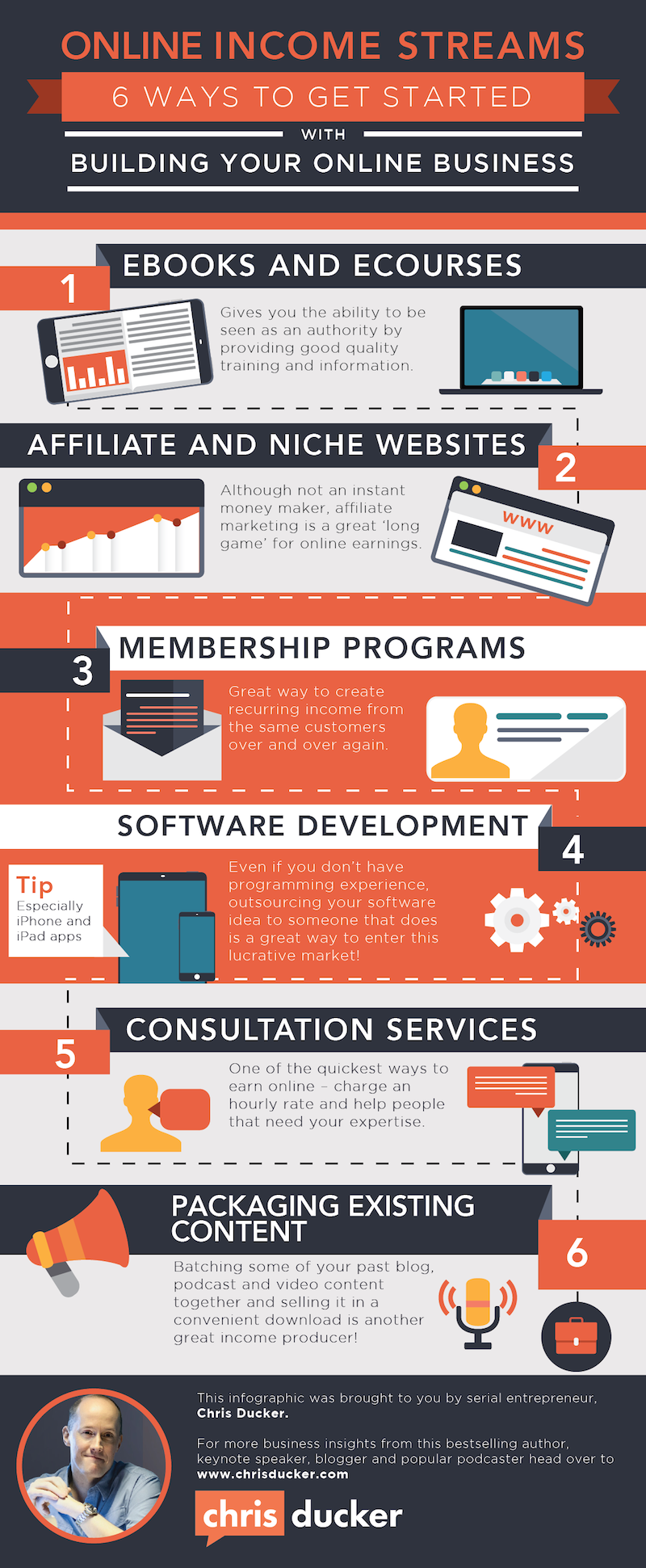
Understanding Passive Income in the Digital Age
The allure of passive income lies in its promise: to earn while you sleep, travel, or pursue other passions. However, it’s crucial to understand that “passive” doesn’t mean “no work.” It implies a significant upfront investment of time, effort, or capital, which then yields recurring income with limited ongoing maintenance.
Defining Passive Income
Traditionally, passive income is income resulting from cash flow received on a regular basis, requiring little to no effort by the recipient to maintain it. Examples include rental income, limited partnerships, and royalties. In the digital realm, this definition expands to include revenue generated from digital products, automated online businesses, or various forms of online investing, where the initial setup phase is demanding, but the subsequent management is minimal. The key differentiator from active income (like a salary or freelance work) is the decoupling of time directly from earnings.
Why Pursue Passive Income Online?
The internet offers unparalleled advantages for building passive income streams. Firstly, scalability is inherent; a digital product can be sold to one person or a million without significant additional cost. Secondly, the global reach of the internet means your market isn’t limited by geography. Thirdly, the lower barriers to entry compared to traditional businesses make it accessible to more individuals, often requiring more intellectual capital and effort than financial capital. Ultimately, online passive income offers a path towards financial resilience, allowing individuals to diversify their income, hedge against economic instability, and accelerate their journey towards financial independence.
Key Principles for Online Passive Income
Successfully generating passive income online hinges on several fundamental principles. The first is value creation: your product or service must solve a problem, entertain, or educate. Second, automation is paramount; systems and tools must be in place to handle sales, delivery, and customer service with minimal intervention. Third, initial investment, whether of time, money, or expertise, is non-negotiable. Fourth, niche selection is critical; focusing on a specific audience with defined needs increases your chances of standing out and succeeding. Finally, patience and persistence are essential, as most passive income streams take time to build momentum and generate substantial returns.
Digital Products and Content Creation
One of the most accessible and scalable paths to online passive income involves creating and selling digital products or leveraging existing content for recurring revenue. This category thrives on intellectual property and the ability to package knowledge or creativity into marketable assets.
E-books and Digital Courses
The creation of e-books and online courses represents a powerful way to monetize expertise. Whether you’re an expert in cooking, coding, marketing, or personal development, you can distill your knowledge into a structured format and sell it repeatedly. Platforms like Amazon Kindle Direct Publishing (KDP) for e-books and Teachable, Thinkific, or Udemy for online courses provide robust infrastructure for creation, hosting, and sales, handling payment processing and delivery. While creating high-quality content demands significant upfront effort—researching, writing, recording, and editing—once published, these products can generate sales for years to come with minimal updates. Marketing through your own website, social media, or affiliate partnerships further amplifies their reach.
Stock Photos, Videos, and Audio
Creative professionals, hobbyists, and even those with a good camera can tap into the stock media market. Websites like Shutterstock, Adobe Stock, Getty Images, and Pond5 allow contributors to upload high-quality photos, videos, illustrations, and audio files, earning a royalty each time their work is licensed by others. The beauty of this model is that a single asset can be licensed hundreds or thousands of times, generating income long after its initial creation. Success here depends on understanding market demand, consistently producing high-quality work, and effectively tagging assets for discoverability.
Software as a Service (SaaS) and Apps
For those with a technical background, developing a Software as a Service (SaaS) product or a mobile application can be an extremely lucrative passive income stream. SaaS products often operate on a subscription model, providing recurring revenue as long as users find value in the service. Examples range from project management tools and CRM software to simple utility apps. While the development process is complex and resource-intensive, a successful SaaS product or app can scale globally, generating substantial profits through subscriptions, in-app purchases, or advertising. Key success factors include identifying a genuine market need, building a user-friendly interface, and providing excellent customer support.
Affiliate Marketing through Content
Affiliate marketing involves promoting other companies’ products or services and earning a commission on every sale made through your unique affiliate link. This can be highly passive when integrated into evergreen content such as blog posts, YouTube reviews, or email newsletters. By creating valuable content that naturally recommends relevant products (e.g., a review of a camera lens with an Amazon affiliate link), you can generate income long after the content is published. The “passivity” stems from the content continuing to attract traffic and generate clicks over time. Key to success is building trust with your audience, choosing reputable products, and being transparent about your affiliate relationships.
Investing and Automated Income Streams
Beyond creating content, leveraging financial markets and automated tools offers another pathway to passive income online. These strategies typically require an initial capital investment but often demand less active management once established.
Peer-to-Peer Lending
Peer-to-peer (P2P) lending platforms connect individual lenders directly with borrowers, bypassing traditional banks. Platforms like Prosper or LendingClub allow you to invest small amounts in multiple loans, diversifying your risk. As borrowers repay their loans with interest, you receive a portion of those payments, creating a steady stream of passive income. While P2P lending offers potentially higher returns than traditional savings accounts, it also carries higher risk, including default risk. Careful due diligence on borrowers and diversification across many loans are crucial for mitigating these risks.
Dividend-Paying Stocks and ETFs

Investing in dividend-paying stocks or exchange-traded funds (ETFs) is a classic strategy for generating passive income. Companies distribute a portion of their profits to shareholders in the form of dividends, typically paid quarterly. By building a portfolio of strong, stable companies that consistently pay and grow their dividends, investors can create a reliable income stream that requires minimal ongoing management. Dividend ETFs offer diversification by investing in a basket of dividend-paying stocks, reducing individual stock risk. This strategy relies on capital appreciation and consistent dividend payouts, making long-term growth and stability important considerations.
Real Estate Crowdfunding
For those interested in real estate but lacking the capital for direct property ownership, real estate crowdfunding offers a passive alternative. Platforms like Fundrise, CrowdStreet, or RealtyMogul allow individuals to invest in commercial or residential real estate projects with relatively small amounts of capital. Investors can earn passive income through rental yields or a share of the profits when properties are sold. This democratizes real estate investing, providing access to diverse portfolios of properties that might otherwise be out of reach. While offering potential for significant returns, real estate crowdfunding involves illiquidity and market risks, so research into platform reputation and specific project details is essential.
Automated Trading and Robo-Advisors
Technological advancements have made automated investing more accessible. Robo-advisors like Betterment and Wealthfront use algorithms to manage investment portfolios based on your financial goals and risk tolerance. Once set up, they automatically rebalance your portfolio, reinvest dividends, and optimize for tax efficiency, requiring minimal input from you. For more advanced investors, automated trading systems or algorithms can execute trades based on predefined rules. While robo-advisors offer a hands-off approach to wealth accumulation, automated trading carries higher risks and requires a deep understanding of market dynamics and algorithm performance to be truly passive and profitable.
Building Sustainable Online Businesses
Some of the most powerful passive income streams stem from building online businesses that, once operational, can run with significant automation and limited direct involvement. These models often involve setting up systems that handle sales, fulfillment, and customer service.
Dropshipping and Print-on-Demand
Dropshipping allows entrepreneurs to sell products without holding any inventory. When a customer places an order on your online store (e.g., Shopify), the order is forwarded to a third-party supplier who ships the product directly to the customer. Your role is primarily marketing and customer service. Similarly, print-on-demand (POD) services (like Printful or Printify) enable you to create custom designs for products like t-shirts, mugs, or phone cases. When a customer orders, the POD company prints and ships the item. Both models minimize overhead and inventory risk, making them highly scalable. While they require initial effort in setting up the store, sourcing products, and marketing, once established, sales and fulfillment can be largely automated.
Membership Sites and Subscriptions
Creating a membership site or a subscription service provides recurring revenue from a dedicated community. This could be a platform offering exclusive content (e.g., premium articles, tutorials, webinars), a private forum, or access to specialized tools. Patrons pay a regular fee (monthly or annually) for continued access. Examples include Patreon for creators, or private membership areas on websites using plugins like MemberPress. The passive nature comes from the recurring payments; while new content or community management is ongoing, the core value proposition and revenue stream are established and repeat automatically. Building a loyal audience and consistently delivering value are critical for retention.
Advertising Revenue from Websites/Blogs/YouTube
For content creators with a significant audience, advertising revenue can be a substantial passive income source. Running display ads on a high-traffic website or blog via networks like Google AdSense, Mediavine, or AdThrive allows you to earn money based on impressions or clicks. Similarly, YouTube creators monetize their videos through pre-roll, mid-roll, and banner ads. Once your content is published and attracting viewers, the ads run automatically, generating revenue with each view. The “passivity” lies in the evergreen nature of content that continues to attract traffic over time. This model requires consistent content creation in the early stages to build an audience, but older content can continue to generate income for years.
Strategies for Success and Long-Term Growth
Generating passive income online is not a get-rich-quick scheme; it’s a strategic endeavor that requires careful planning, consistent effort, and a long-term perspective. Success hinges on a thoughtful approach to building and scaling these income streams.
Prioritizing Niche Selection and Audience
The foundation of any successful online passive income venture is a well-defined niche and a clear understanding of your target audience. Instead of trying to appeal to everyone, focus on a specific group with particular needs or interests. This allows you to tailor your products or content, build a dedicated community, and stand out in crowded markets. Researching market demand, identifying pain points, and understanding competitive landscapes are crucial steps before investing time or capital. A passionate, engaged niche audience is more likely to purchase, subscribe, and become loyal customers.
Automation and Delegation
To truly make income passive, you must minimize ongoing manual work. Invest in automation tools for email marketing, social media scheduling, customer service chatbots, and payment processing. For tasks that cannot be automated, consider delegation. Outsourcing tasks like content editing, graphic design, ad management, or virtual assistant duties to freelancers (via platforms like Upwork or Fiverr) frees up your time, allowing you to focus on strategy and growth. The goal is to build a system that functions efficiently without your constant direct intervention.
Continuous Learning and Adaptation
The online landscape is dynamic, with algorithms changing, new platforms emerging, and consumer behaviors evolving. To maintain and grow your passive income streams, continuous learning and adaptation are essential. Stay updated on industry trends, learn new marketing strategies, and be willing to pivot or refine your offerings based on performance data and feedback. What works today might not work tomorrow, so a proactive and agile mindset is critical for long-term sustainability.
The Importance of Patience and Persistence
Perhaps the most underrated strategy for online passive income is the commitment to patience and persistence. Few passive income streams generate substantial revenue overnight. It often takes months, or even years, of consistent effort, experimentation, and refinement to build a robust system. There will be failures, plateaus, and moments of doubt. Those who succeed are typically those who remain persistent, learn from their setbacks, and continue to iterate and improve their offerings. View the initial effort as an investment in your future financial freedom.

Conclusion
The digital age has ushered in an unprecedented era of opportunity for individuals to generate passive income online. From creating and selling digital products and leveraging content through affiliate marketing, to strategically investing in financial markets and building automated online businesses, the pathways are diverse and scalable. While the concept of “passive” income is often misunderstood as effortless, it unequivocally requires significant upfront investment—be it time, expertise, or capital. However, for those willing to put in the work to build robust systems, automate processes, and continuously adapt to the evolving digital landscape, the rewards can be profound. By embracing the principles of value creation, strategic niche selection, and unwavering persistence, anyone can embark on the journey towards building multiple online income streams, ultimately paving their way to greater financial independence and a life of more intentional design. The internet isn’t just a place to connect; it’s a powerful engine for wealth creation, waiting to be harnessed.
aViewFromTheCave is a participant in the Amazon Services LLC Associates Program, an affiliate advertising program designed to provide a means for sites to earn advertising fees by advertising and linking to Amazon.com. Amazon, the Amazon logo, AmazonSupply, and the AmazonSupply logo are trademarks of Amazon.com, Inc. or its affiliates. As an Amazon Associate we earn affiliate commissions from qualifying purchases.