
In an era defined by digital transformation and a relentless pursuit of financial autonomy, the concept of passive income has transcended its traditional boundaries, finding fertile ground in the online world. No longer solely the domain of real estate or dividend stocks, passive income online represents the ultimate financial frontier for individuals seeking to decouple their earnings from their active time and effort. It promises a pathway to financial freedom, allowing income to flow consistently with minimal ongoing intervention once the initial groundwork is laid. This article delves into the strategies, opportunities, and considerations for building robust online passive income streams, offering a comprehensive guide for those ready to invest their time and insight into creating a sustainable digital financial future.

Understanding Passive Income and Its Online Potential
The allure of passive income lies in its promise: to earn money while you sleep, travel, or pursue other passions. But what exactly constitutes passive income in the digital realm, and why has it become such a powerful magnet for entrepreneurs and aspiring wealth builders alike?
Defining Passive Income in the Digital Age
At its core, passive income is money earned regularly with little to no ongoing effort required to maintain it. The “passive” aspect doesn’t mean zero effort; rather, it implies a significant upfront investment of time, money, or resources, followed by automated or semi-automated returns. In the online context, this often translates to creating digital assets once and then selling or licensing them repeatedly, or setting up systems that generate revenue on an ongoing basis with minimal oversight. Examples include selling e-books, online courses, digital templates, or generating revenue through affiliate marketing links embedded in evergreen content. The key distinction is the separation of effort from income generation.
Why Online Passive Income is Attractive
The internet has democratized wealth creation, lowering barriers to entry for almost anyone with an idea and an internet connection. Online passive income offers unparalleled advantages:
- Scalability: Digital products and services can be distributed globally to an unlimited audience without physical inventory constraints.
- Low Overhead: Compared to traditional businesses, online ventures often require minimal startup capital, reducing financial risk.
- Flexibility: Work from anywhere, anytime, allowing for a lifestyle that prioritizes personal freedom over rigid schedules.
- Diversification: The ability to create multiple income streams provides a safety net, reducing reliance on a single source of income.
- Automation: Many online tools and platforms facilitate the automation of sales, marketing, and delivery, making true passivity more achievable.
Active vs. Passive Income: A Clear Distinction
It’s crucial to differentiate between active and passive income. Active income is direct compensation for time and effort – a salary, hourly wages, or fees for services rendered (e.g., freelance writing, web design). If you stop working, the income stops. Passive income, conversely, continues to generate revenue even when you are not actively working. While the initial setup for passive income might be intensely active, the goal is to create a system that functions autonomously. This distinction is vital for understanding the long-term financial strategy behind building online passive streams. It’s about building assets that pay you, rather than trading your time for money directly.
Key Strategies for Building Online Passive Income Streams
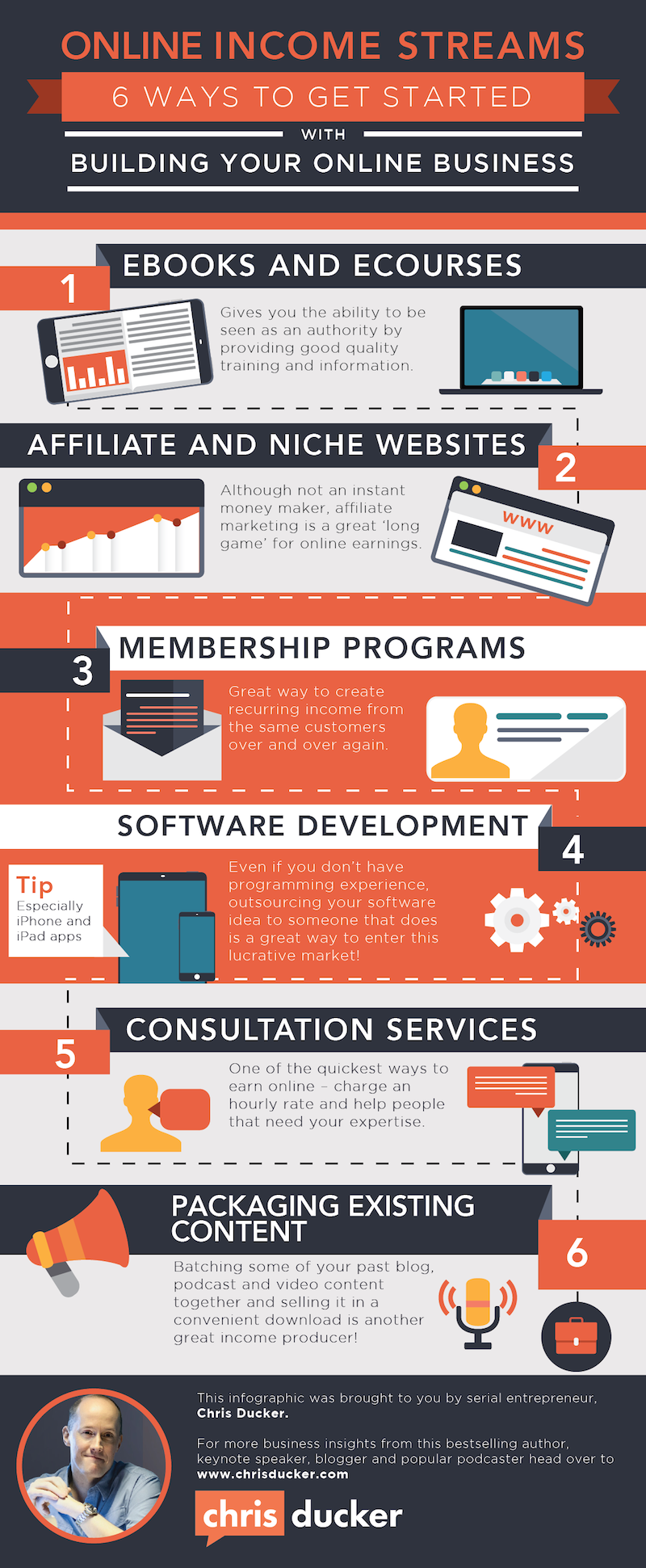
The digital landscape offers a diverse array of avenues for cultivating passive income. Each strategy requires a specific approach, but all share the common thread of leveraging digital assets and systems to generate recurring revenue.
Content Creation and Monetization
One of the most accessible and popular methods involves creating valuable content that attracts an audience and can be monetized.
- Blogging: Building a niche blog that addresses specific problems or interests can generate income through advertising, affiliate marketing, and selling your own digital products. Once articles are written and optimized, they can continue to draw traffic and revenue for years.
- YouTube Channels: Creating evergreen video content (tutorials, reviews, educational series) can earn revenue through YouTube Partner Program ads, sponsorships, and direct sales of merchandise or digital products mentioned in videos.
- Podcasting: Similar to blogging, podcasts can attract a loyal audience, monetized through sponsorships, advertising, and premium content or courses.
Digital Product Sales
Creating and selling digital products is a quintessential passive income strategy. You invest time once to create the product, and then you can sell it an infinite number of times without needing to restock inventory.
- E-books and Guides: Writing non-fiction e-books on a topic you’re an expert in, or creating comprehensive guides, can generate sales through platforms like Amazon Kindle Direct Publishing or your own website.
- Online Courses and Workshops: Packaging your knowledge into structured video lessons, modules, and resources allows you to educate others and earn recurring income. Platforms like Teachable, Thinkific, or Udemy facilitate this.
- Templates and Digital Assets: Selling pre-designed templates (e.g., for resumes, social media, presentations), stock photos, music, fonts, or software plugins can cater to specific market needs.
Affiliate Marketing: Earning Commissions
Affiliate marketing involves promoting other companies’ products or services and earning a commission for every sale or lead generated through your unique affiliate link.
- Review Websites: Creating content that reviews products in a specific niche and embedding affiliate links for purchase.
- Comparison Guides: Helping consumers choose between similar products by providing detailed comparisons with affiliate links.
- Resource Pages: Curating a list of recommended tools and resources with affiliate links for a target audience.
The passive nature comes from the fact that once the content is created and ranked, it can continue to generate commissions without daily effort.
Online Advertising
Displaying advertisements on your website or content platforms can be a straightforward way to earn passive income, especially if you have significant web traffic.
- Display Ads: Integrating advertising networks like Google AdSense into your blog or website allows advertisers to bid for space, and you earn revenue based on impressions or clicks.
- Programmatic Advertising: For higher-traffic sites, partnering with ad management platforms can optimize ad placements and increase revenue.
This strategy is highly dependent on consistent traffic, emphasizing the need for evergreen, search-engine-optimized content.
Subscription Models and Memberships
Building a community around exclusive content or resources that users pay a recurring fee to access can create highly stable passive income.
- Paid Newsletters: Offering premium content, insights, or analysis through a subscription-based email newsletter.
- Membership Sites: Providing exclusive access to advanced courses, community forums, templates, or premium tools for a monthly or annual fee.
This model thrives on delivering consistent value to retain subscribers, leading to predictable monthly recurring revenue (MRR).
Leveraging Digital Assets for Long-Term Income
While the initial setup of online passive income streams might involve significant effort, the true long-term value lies in cultivating and leveraging digital assets. These are the foundations upon which sustainable financial independence can be built.
Building and Monetizing a Niche Website
A niche website, focused on a specific topic or audience, is perhaps one of the most powerful digital assets you can own. Once built with high-quality content and strong SEO, it can generate multiple streams of passive income.
- Content Pillars: Develop comprehensive, evergreen articles that address core questions within your niche, establishing authority.
- Diversified Monetization: Combine display ads, affiliate marketing, and direct sales of your own digital products (e.g., e-books, courses) on the same platform.
- Audience Building: Foster a loyal readership through email lists, which can then be leveraged for future product launches or promotions.
Creating Evergreen Online Courses
An online course, especially one addressing a persistent need or skill gap, can be an incredibly valuable evergreen asset.
- Timeless Content: Focus on foundational knowledge or skills that remain relevant over time, reducing the need for constant updates.
- Automated Sales Funnels: Set up email marketing sequences and sales pages that automatically promote and sell your course once created.
- Scalability: A single course can be sold to thousands or even millions of students worldwide, with minimal additional effort required per sale.
Investing in Digital Real Estate
Just as one might invest in physical real estate, there’s a growing market for “digital real estate” – purchasing established websites, e-commerce stores, or online businesses.
- Acquisition Strategy: Identify profitable websites with existing traffic, revenue, and growth potential.
- Optimization and Management: Implement strategies to improve content, SEO, and conversion rates, further increasing their passive income potential.
- Diversification: Build a portfolio of digital assets that generate income from various sources, reducing risk. This requires upfront capital but can offer more immediate passive returns than building from scratch.
Licensing Digital Content
If you have skills in design, photography, music, or video production, licensing your digital creations can be a truly passive endeavor.
- Stock Photography/Videography: Upload your photos and videos to stock media sites (e.g., Shutterstock, Adobe Stock), where you earn a royalty each time someone licenses your work.
- Stock Music/Sound Effects: Musicians and sound designers can license their tracks for use in films, commercials, or podcasts.
- Fonts and Graphics: Designers can sell licenses for their unique fonts, icons, or graphic templates.
Once uploaded and approved, these assets can generate income for years with no further action required.
Overcoming Challenges and Sustaining Your Passive Income
While the promise of passive income is alluring, achieving it is not without its hurdles. Success requires foresight, persistence, and a strategic approach to both building and maintaining your income streams.
The Upfront Investment: Time and Effort
The biggest misconception about passive income is that it requires no work. In reality, the “passive” aspect comes after a significant upfront investment.
- Skill Development: Acquiring the necessary skills (e.g., writing, video editing, marketing, SEO) takes time and dedication.
- Content Creation: Developing high-quality digital products or content requires substantial initial effort.
- System Building: Setting up automated sales funnels, marketing systems, and customer support mechanisms demands careful planning and execution.
Embrace the initial “active” phase as an investment in your future passive returns.
Market Research and Niche Selection
Launching a passive income venture without proper market research is akin to sailing without a compass.
- Identify Demand: Look for underserved markets or problems that a digital product or service can solve.
- Analyze Competition: Understand what others are doing, identify gaps, and find ways to differentiate your offering.
- Niche Down: Focusing on a specific, targeted niche increases your chances of becoming an authority and attracting a dedicated audience, rather than competing in overcrowded broad markets.
Maintaining and Scaling Your Income Streams
Even truly passive income streams require some level of maintenance and occasional intervention to remain relevant and profitable.
- Content Updates: Regularly update existing content (e.g., blog posts, courses) to ensure accuracy, relevance, and improved search engine rankings.
- Customer Support: Provide basic customer support for digital product sales to maintain a good reputation and gather feedback for improvements.
- Traffic Generation: Continuously work on driving traffic to your assets through SEO, social media, or paid advertising to sustain and grow income.
- Scaling: Once an income stream is established, look for ways to expand (e.g., create a sequel course, develop complementary products, enter new markets).
Legal and Tax Considerations
Overlooking the legal and tax implications of earning online can lead to significant problems down the line.
- Business Structure: Decide on an appropriate business structure (e.g., sole proprietorship, LLC) from the outset.
- Terms and Conditions: Ensure your website and products have clear terms of service, privacy policies, and disclaimers.
- Tax Compliance: Understand your tax obligations for online income in your jurisdiction. This often involves tracking income and expenses meticulously. Consulting with a financial professional is highly recommended.
Avoiding “Get Rich Quick” Scams
The appeal of passive income makes it a target for misleading “get rich quick” schemes.
- Skepticism: Be wary of programs promising exorbitant returns with minimal effort or investment.
- Due Diligence: Thoroughly research any platform or opportunity before investing your time or money.
- Realistic Expectations: Understand that legitimate passive income requires significant upfront work, strategic planning, and patience. There are no shortcuts to sustainable wealth.
The Path Forward: Building a Passive Income Portfolio
Building a robust online passive income portfolio is a journey, not a destination. It requires a strategic mindset focused on long-term growth, continuous learning, and adaptability. The ultimate goal is to create multiple, diversified streams that collectively contribute to financial freedom.
Diversification as a Strategy
Relying on a single source of passive income is risky. Just as with traditional investments, diversifying your online income streams provides stability and resilience against market fluctuations or platform changes.
- Multiple Niches: Develop passive income assets across different niches to spread risk.
- Mixed Strategies: Combine digital product sales, affiliate marketing, advertising, and membership models.
- Platform Independence: Don’t put all your eggs in one basket (e.g., relying solely on one social media platform or marketplace). Diversify your traffic sources and sales channels.
Continuous Learning and Adaptation
The online world is constantly evolving. What works today might be obsolete tomorrow.
- Stay Informed: Keep abreast of new technologies, marketing strategies, and platform changes.
- Skill Upgradation: Continuously refine your skills in content creation, SEO, digital marketing, and analytics.
- Experimentation: Be willing to test new ideas and iterate on your existing strategies. Successful passive income generators are lifelong learners.
Automating and Delegating Tasks
As your passive income streams grow, you may find that certain maintenance tasks still consume too much of your time.
- Automation Tools: Utilize software for email marketing, social media scheduling, customer relationship management (CRM), and content distribution.
- Delegation: Consider outsourcing repetitive tasks to virtual assistants or freelancers (e.g., content editing, social media management, technical maintenance) to truly free up your time for strategic initiatives. This involves an expense, but it also frees up your most valuable asset: your time.
Setting Realistic Expectations
While online passive income offers incredible potential, it’s essential to set realistic expectations.
- Patience is Key: Building substantial passive income takes time – often months or even years of consistent effort.
- No Guarantees: Success is not guaranteed, and there will be setbacks. Learn from failures and adapt.
- Incremental Growth: Focus on small, consistent gains that compound over time, rather than expecting overnight riches.

The Ultimate Goal: Financial Freedom
Ultimately, the pursuit of online passive income is about achieving financial freedom – the ability to live life on your own terms, without the necessity of exchanging your time for money. By strategically building, diversifying, and nurturing digital assets, individuals can cultivate a financial ecosystem that supports their desired lifestyle, provides security, and opens doors to new opportunities. It’s a journey that demands discipline and vision, but the rewards of a truly passive income stream can be profoundly life-changing.
aViewFromTheCave is a participant in the Amazon Services LLC Associates Program, an affiliate advertising program designed to provide a means for sites to earn advertising fees by advertising and linking to Amazon.com. Amazon, the Amazon logo, AmazonSupply, and the AmazonSupply logo are trademarks of Amazon.com, Inc. or its affiliates. As an Amazon Associate we earn affiliate commissions from qualifying purchases.